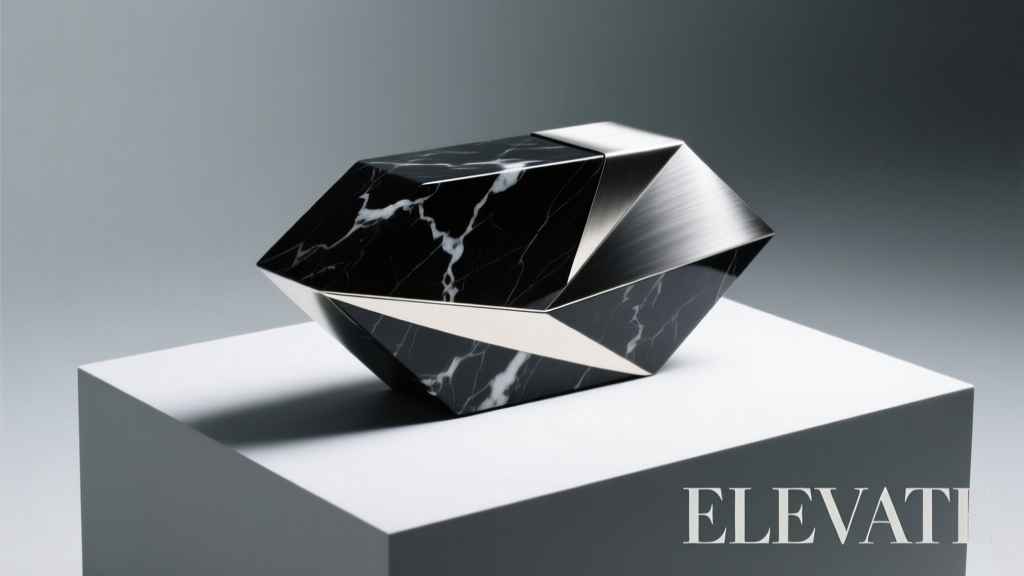
Types of Fiberglass Art Projects
Fiberglass is a remarkably versatile composite material widely embraced in the art world for its strength, flexibility, and resistance to environmental factors. Artists use fiberglass to push creative boundaries, crafting pieces that are not only visually striking but also durable enough for both indoor and outdoor installations. Its moldability allows for intricate detailing and large-scale construction, while its lightweight nature makes it ideal for wearable and functional designs. Below are the primary categories of fiberglass art, each showcasing the material’s unique potential in contemporary artistic expression.
Fiberglass Sculptures
From monumental public installations to intimate gallery pieces, fiberglass sculptures take advantage of the material’s ability to be molded into complex, flowing forms. Artists leverage fiberglass’s tensile strength and resistance to weathering to create long-lasting outdoor artworks that withstand UV exposure, moisture, and temperature fluctuations.
Advantages
- High durability for outdoor display
- Excellent for large-scale and abstract forms
- Resistant to corrosion, rust, and decay
- Can be painted or finished in various textures
Limitations
- Requires skilled craftsmanship for mold-making
- Can be brittle if not properly reinforced
- Surface may require UV-resistant coating over time
Best for: Public art, garden installations, abstract and modern art exhibitions
Wall Murals
Fiberglass wall murals go beyond flat paintings by incorporating three-dimensional elements, adding depth, texture, and movement to architectural surfaces. These sculptural murals are often used in commercial spaces, museums, and urban environments to create immersive visual experiences.
Advantages
- Enables dynamic 3D design and layering
- Durable for high-traffic indoor and outdoor areas
- Customizable with color, gloss, and texture
- Lightweight compared to stone or metal alternatives
Limitations
- Installation requires secure mounting due to size
- May need structural backing for large panels
- Higher cost than traditional painted murals
Best for: Feature walls, corporate lobbies, cultural centers, and urban revitalization projects
Functional Art
Fiberglass seamlessly blends aesthetics with utility, making it ideal for functional art pieces such as sculptural furniture, lighting fixtures, planters, and room dividers. These items serve practical purposes while doubling as statement art, often found in modern homes, hotels, and design-forward public spaces.
Advantages
- Combines beauty with everyday usability
- Weather-resistant for indoor and outdoor furniture
- Can be molded into ergonomic and artistic shapes
- Easy to clean and maintain
Limitations
- May feel cold or hard to the touch without padding
- Limited insulation properties (e.g., for lighting)
- Requires protective finish to prevent chipping
Best for: Modern interiors, luxury design, outdoor living spaces, and boutique environments
Wearable Art
In fashion and performance art, fiberglass is used to create avant-garde costumes, masks, helmets, and jewelry. Its moldability allows artists to craft lightweight, form-fitting pieces that maintain structural integrity while expressing bold, futuristic, or theatrical aesthetics.
Advantages
- Lightweight yet strong for wearable structures
- Can be shaped to fit human contours precisely
- Ideal for experimental and conceptual fashion
- Can be combined with LEDs, fabrics, or paints
Limitations
- Requires ventilation in enclosed designs (e.g., masks)
- Not breathable; best for short-term wear
- Skin irritation possible without proper sealing
Best for: Performance art, fashion shows, theatrical productions, and art exhibitions
Installation Art
Fiberglass is a favored medium for large-scale installation art that transforms entire spaces—galleries, parks, or urban plazas. Artists use its durability and moldability to construct immersive environments, interactive pieces, or thematic groupings that engage viewers on both visual and emotional levels.
Advantages
- Supports large, complex, and modular designs
- Suitable for temporary and permanent installations
- Can be painted, lit, or animated for dramatic effect
- Resists damage from weather and public interaction
Limitations
- Logistically challenging to transport and assemble
- Requires professional handling and safety measures
- Higher production and installation costs
Best for: Art festivals, museum exhibitions, public art commissions, and immersive experiences
| Art Type | Durability | Creativity Potential | Indoor Use | Outdoor Use | Ideal Setting |
|---|---|---|---|---|---|
| Fiberglass Sculptures | Excellent | High | Yes | Yes | Public spaces, galleries, gardens |
| Wall Murals | Very Good | Very High | Yes | Yes | Lobbies, urban walls, museums |
| Functional Art | Good | High | Yes | Yes | Interiors, patios, hotels |
| Wearable Art | Fair | Very High | Yes | Limited | Performances, fashion, exhibitions |
| Installation Art | Excellent | Exceptional | Yes | Yes | Galleries, festivals, public areas |
Artist’s Tip: When working with fiberglass for outdoor art, always apply a UV-resistant clear coat to prevent yellowing and surface degradation over time. Pairing fiberglass with gel coat finishes during fabrication enhances both durability and visual depth.
Designs of Fiberglass Art Projects: Creativity Meets Durability
Fiberglass, or glass-reinforced plastic (GRP), has revolutionized contemporary art by offering a lightweight, durable, and highly moldable medium for artistic expression. Its resistance to weather, corrosion, and UV damage makes it ideal for both indoor installations and outdoor public art. Artists leverage the versatility of fiberglass to explore a wide range of design philosophies—from abstract experimentation to functional aesthetics. Below is a detailed exploration of the most prominent design categories in fiberglass art, highlighting their creative potential and practical applications.
Abstract Geometric Forms
Fiberglass enables artists to push the boundaries of form and structure through abstract geometric designs. Unlike traditional materials such as stone or wood, fiberglass can be easily shaped into complex curves, sharp angles, and multi-layered configurations, allowing for unprecedented creative freedom.
These non-representational works often emphasize symmetry, repetition, balance, and color theory. Artists experiment with light reflection, shadow play, and spatial perception, making these pieces ideal for modern galleries, architectural spaces, and urban plazas. The material’s strength and weather resistance also allow these sculptures to endure outdoor environments without degradation, making them a favorite for public art commissions.
Nature-Inspired Designs
Many fiberglass artworks draw inspiration from the natural world—flora, fauna, landscapes, and natural phenomena. The material’s high malleability allows for precise replication of organic textures such as leaves, feathers, bark, and water ripples, enabling artists to capture the intricate details of their subjects.
These designs range from hyper-realistic representations—such as life-sized animal sculptures or coral reef installations—to stylized interpretations, like flowing wave forms or abstract tree silhouettes infused with vibrant color palettes. Nature-inspired fiberglass art is frequently used in botanical gardens, aquariums, eco-parks, and educational exhibits to foster a deeper connection between viewers and the environment.
Interactive and Kinetic Art
One of the most dynamic applications of fiberglass in art is in interactive and kinetic installations. These works incorporate movement—either through mechanical systems, wind, water, or human interaction—transforming passive observation into an engaging experience.
Fiberglass is ideal for kinetic art due to its low weight, which reduces stress on moving parts, and its ability to be reinforced in strategic areas for durability. Examples include wind-driven sculptures that twist and spin, touch-activated panels that shift shape, or large-scale installations where viewers can walk through or manipulate components. These artworks are commonly featured in science museums, children’s parks, and interactive public spaces, encouraging exploration and emotional engagement.
Themed Installations
Fiberglass is a cornerstone material for large-scale themed environments, such as festival displays, theme parks, museum exhibits, and seasonal public art. These installations often consist of multiple interconnected pieces unified by a central narrative or concept—ranging from mythological tales and cultural heritage to futuristic visions or holiday themes.
Because fiberglass can be molded into virtually any shape and painted in vivid, long-lasting colors, it allows for immersive storytelling. For example, a fantasy-themed installation might include fiberglass dragons, castles, and enchanted forests, while a marine conservation exhibit could feature life-sized whales, schools of fish, and underwater scenes. These installations are designed to captivate audiences, spark imagination, and create memorable visual experiences.
Functional-Focused Designs
Blurring the line between art and utility, functional fiberglass designs integrate aesthetic beauty with practical use. These include artistic planters, sculptural benches, decorative lighting fixtures, and custom outdoor furniture that enhance public and private spaces alike.
By combining form and function, these pieces maximize space efficiency while contributing to the visual identity of a location. For instance, a park might feature benches shaped like blooming flowers or streetlights designed as abstract trees. The durability of fiberglass ensures these pieces withstand heavy use and environmental exposure, making them cost-effective and sustainable solutions for urban design, hospitality venues, and residential landscapes.
Customization & Artistic Flexibility
One of the greatest advantages of fiberglass in art is its adaptability to custom design. Artists can create molds from virtually any prototype—clay models, 3D-printed forms, or digital renderings—enabling rapid production of unique or limited-edition pieces.
Fiberglass can be finished in a variety of ways: painted with automotive-grade paints, coated with gel polish for a glossy finish, embedded with metallic flakes, or even combined with LED lighting for dramatic effects. This flexibility allows artists to tailor their work to specific environments, themes, or client requirements, making fiberglass a preferred medium for commissioned art and collaborative public projects.
| Design Category | Best Suited For | Key Advantages |
|---|---|---|
| Abstract Geometric Forms | Modern galleries, urban plazas, architectural integration | Freedom of form, weather resistance, visual impact |
| Nature-Inspired Designs | Botanical gardens, eco-parks, educational exhibits | Detail accuracy, texture replication, environmental harmony |
| Interactive & Kinetic Art | Children’s museums, science centers, public parks | Low weight, durability, engagement potential |
| Themed Installations | Festivals, theme parks, seasonal displays | Scalability, vibrant finishes, narrative storytelling |
| Functional-Focused Designs | Urban furniture, hospitality spaces, residential decor | Dual-purpose, long lifespan, design versatility |
Why Fiberglass Stands Out in Artistic Applications
Important: While fiberglass is highly durable, proper surface finishing and UV protection are essential to prevent yellowing or resin degradation over time. Artists and installers should use marine-grade gel coats and UV inhibitors, especially for outdoor pieces. Additionally, structural integrity should be evaluated for kinetic or interactive works to ensure long-term safety and performance.
How to Choose Fiberglass Art Projects
Fiberglass has become a favored medium in contemporary art due to its remarkable blend of strength, lightweight nature, and moldability. Artists and collectors alike appreciate its ability to be shaped into fluid, dynamic, and highly detailed forms that would be difficult or impossible to achieve with traditional materials like stone, wood, or metal. Its resistance to corrosion, moisture, and temperature fluctuations makes it especially suitable for both indoor installations and long-term outdoor displays. Whether you're an artist planning a new creation or a buyer seeking a statement piece, understanding how to select the right fiberglass art project is essential for achieving both aesthetic satisfaction and lasting durability.
Clarify the Artistic Vision
The foundation of any successful fiberglass art project lies in a clear artistic vision. Before selecting materials or commissioning a piece, consider the purpose and message of the artwork. Are you aiming for abstraction, realism, or conceptual expression? Fiberglass excels in capturing intricate details and flowing lines, making it ideal for sculptures inspired by nature, the human form, or futuristic designs.
- Functional art: Consider fiberglass planters, benches, or decorative panels that blend utility with aesthetics
- Interactive installations: Kinetic sculptures or touch-responsive pieces can leverage fiberglass’s flexibility and strength
- Thematic alignment: Choose forms and finishes that complement the environment—marine themes for coastal areas, abstract forms for modern interiors
Pro insight: Collaborate with artists who specialize in fiberglass to explore design possibilities beyond standard molds
Size and Spatial Compatibility
One of the most critical factors in selecting fiberglass art is ensuring the piece fits harmoniously within its intended space. Fiberglass allows for both monumental sculptures and delicate, compact works—making scale a powerful design tool.
- Large installations (e.g., public sculptures) require open sightlines and structural support considerations
- Medium-sized pieces work well in lobbies, gardens, or atriums without overwhelming the area
- Small decorative items are perfect for shelves, desks, or intimate indoor settings
Design tip: Use 3D mockups or scaled drawings to visualize how the artwork interacts with surrounding architecture and lighting
Indoor vs. Outdoor Durability
Fiberglass is inherently weather-resistant, but the longevity of outdoor pieces depends on proper finishing and protective treatments. UV exposure, moisture, and temperature swings can degrade finishes over time if not properly addressed.
- Outdoor use: Opt for UV-stable gel coats, marine-grade resins, and sealed edges to prevent water ingress
- Indoor use: Allows for more experimental finishes, including metallic paints, translucent layers, or mixed media
- Coating options: Add anti-graffiti films or matte finishes for public installations to enhance maintenance and appearance
Key consideration: Always confirm whether the piece has been treated for exterior exposure—especially in coastal or high-sunlight regions
Style and Aesthetic Preferences
Fiberglass offers incredible versatility in surface texture and color, enabling a wide spectrum of artistic expression. The final look of the piece significantly influences the mood and character of the space it occupies.
- Smooth, high-gloss finishes create a modern, sleek appearance ideal for contemporary interiors
- Textured or matte surfaces can mimic stone, concrete, or organic materials for a more tactile experience
- Bold, vibrant colors make strong visual statements, while neutral tones integrate seamlessly into minimalist designs
Creative note: Layered pigments and embedded materials (e.g., glass, metal flakes) can add depth and uniqueness to the surface
Budget and Long-Term Value
Fiberglass art spans a broad price range, influenced by size, complexity, craftsmanship, and the artist’s reputation. While it is generally more affordable than bronze or stone sculptures, custom or limited-edition pieces can represent significant investments.
- Entry-level: Pre-fabricated or mass-produced items suit home decor or temporary installations
- Mid-range: Custom-designed pieces from emerging artists offer unique value and personalization
- High-end: Commissioned works from established artists may appreciate in value over time
Smart investment: View art not just as decoration, but as cultural and emotional capital that enhances environments for years
Artist Reputation and Craftsmanship
The quality of a fiberglass artwork is deeply tied to the skill and experience of the artist or manufacturer. Hand-laid fiberglass pieces often show superior detail and structural integrity compared to molded mass-produced alternatives.
- Look for artists with portfolios demonstrating consistent quality and innovation
- Ask about the fabrication process—hand finishing, resin type, and reinforcement methods
- Check for signs of quality: smooth transitions, clean edges, and uniform thickness
Quality marker: Reputable creators often provide certificates of authenticity and care instructions
Expert Recommendation: When commissioning or purchasing fiberglass art, prioritize artists who combine technical mastery with creative vision. Request samples or visit studios when possible. For outdoor installations, insist on weather-testing documentation or warranties. Remember, the best pieces not only look striking today but will continue to inspire for decades with proper care.
| Project Type | Recommended Features | Ideal Location | Lifespan (with care) |
|---|---|---|---|
| Public Sculpture | UV-protected gel coat, reinforced base, anti-vandal finish | Plazas, parks, corporate campuses | 20+ years |
| Residential Garden Art | Weather-resistant sealant, lightweight design | Yards, patios, pool areas | 10–15 years |
| Interior Statement Piece | Polished finish, custom color, mixed media elements | Lobbies, living rooms, galleries | Indefinite (indoor conditions) |
| Functional Art (e.g., planter, bench) | Drainage design, structural reinforcement, easy-clean surface | Indoor/outdoor living spaces | 10–20 years |
Additional Considerations
- Installation Requirements: Large pieces may need anchoring, cranes, or professional installation—factor this into planning and budgeting
- Maintenance: Regular cleaning with mild soap and water preserves appearance; avoid abrasive cleaners
- Customization: Fiberglass can be painted, gilded, or combined with lighting elements for added impact
- Sustainability: While fiberglass is not biodegradable, many studios now use recycled resins and eco-friendly production methods
- Transportation: Lightweight nature makes fiberglass easier and cheaper to ship than stone or metal alternatives
Benefits of Fiberglass Art Projects
Fiberglass has become a favored medium among contemporary artists and sculptors due to its unique combination of strength, flexibility, and aesthetic potential. As a composite material made from fine glass fibers embedded in a resin matrix, fiberglass offers a range of advantages that make it ideal for both indoor and outdoor art installations. Whether used for small decorative pieces or large-scale public sculptures, fiberglass enables artists to push creative boundaries while ensuring longevity and visual impact. Below are the key benefits that make fiberglass an excellent choice for artistic endeavors.
- Durability and Longevity
Fiberglass-reinforced plastic (FRP) is exceptionally resilient, making it one of the most durable materials for art exposed to outdoor environments. Unlike wood, which can rot or warp when exposed to moisture, or metals like iron and steel that are prone to rust and corrosion, fiberglass resists degradation from rain, UV radiation, humidity, and temperature fluctuations. This weather resistance ensures that artworks maintain their structural integrity over decades, even in harsh climates. The inherent strength of the glass fibers combined with protective resin coatings allows fiberglass sculptures to withstand environmental stressors without cracking, fading, or deteriorating—making them ideal for permanent outdoor installations, garden art, and public monuments.
- Vibrant Colors and Finish Options
One of the most appealing aspects of fiberglass for artists is its ability to achieve a wide range of finishes and color effects. The smooth, non-porous surface of cured fiberglass provides an excellent base for painting and coating with high-performance materials such as epoxy, polyurethane, and gel coats. Artists can apply vibrant pigments directly into the resin during fabrication or use advanced painting techniques post-casting to achieve glossy, matte, metallic, or textured finishes. This versatility allows for stunning visual effects—from mirror-like polish to realistic textures mimicking stone, metal, or fabric. Additionally, UV-stable pigments can be used to prevent color fading, ensuring that the artwork retains its brilliance even under prolonged sun exposure.
- Versatility in Design and Sculptural Freedom
Fiberglass is highly moldable, allowing artists to translate complex and imaginative designs into physical form with remarkable precision. Using mold-making techniques, creators can produce intricate details, flowing curves, and dynamic shapes that would be difficult or impossible to achieve with traditional materials like stone, wood, or metal. This makes fiberglass especially suitable for abstract sculptures, figurative works, kinetic art, and large-scale installations. The material can be layered and shaped incrementally, enabling the creation of hollow yet strong forms that are both lightweight and structurally sound. From delicate facial features in portrait busts to sweeping architectural sculptures, fiberglass offers unparalleled creative freedom.
- Lightweight Yet Strong Construction
Despite its impressive strength, fiberglass is significantly lighter than materials such as concrete, bronze, or stone. This lightweight nature simplifies transportation, handling, and installation—critical factors for large public artworks or temporary exhibitions. Artists and installers can move and position sizable pieces with minimal equipment, reducing labor costs and logistical challenges. The strength-to-weight ratio also allows for suspended or cantilevered designs that might not be feasible with heavier materials. For example, fiberglass enables the creation of flying figures, floating forms, or wall-mounted installations that appear to defy gravity while remaining secure and stable.
- Low Maintenance and Easy Care
Artworks made from fiberglass require minimal upkeep compared to other media. Routine cleaning with mild soap and water is typically sufficient to remove dirt, dust, and environmental pollutants. Its non-porous surface resists mold, mildew, and staining, and the protective resin layer shields against scratches and chemical damage. Because fiberglass does not corrode, splinter, or degrade over time, it rarely needs repainting, sealing, or structural repairs. This low-maintenance profile makes it a cost-effective and sustainable option for municipalities, galleries, and private collectors who want long-lasting art without ongoing restoration expenses.
| Benefit | Artistic Advantage | Practical Benefit | Ideal Use Cases |
|---|---|---|---|
| Durability & Longevity | Preserves artistic detail over time | Resists weather, UV rays, and corrosion | Outdoor sculptures, public art, garden installations |
| Vibrant Finishes | Enables rich color and diverse textures | Accepts paints, gel coats, and protective sealants | Colorful murals, decorative panels, exhibition pieces |
| Design Versatility | Supports complex, detailed, and large forms | Can be molded into any shape with precision | Abstract art, custom sculptures, architectural features |
| Lightweight Strength | Allows for dynamic, gravity-defying designs | Easy to transport and install | Indoor installations, mobile art, suspended works |
| Low Maintenance | Maintains original appearance with minimal effort | Reduces long-term care and restoration costs | High-traffic areas, schools, commercial spaces |
Expert Tip: To maximize the lifespan and appearance of fiberglass art, consider applying a UV-protective clear coat every 2–3 years, especially for outdoor pieces. This additional layer helps preserve color vibrancy and prevents surface degradation from prolonged sun exposure.
Additional Considerations for Artists and Collectors
- Fiberglass can be combined with other materials such as metal armatures, LED lighting, or mixed media elements for enhanced artistic expression.
- Proper ventilation and safety gear (respirators, gloves) should be used during fabrication due to resin fumes and fiber dust.
- Commissioning or creating fiberglass art often involves mold-making, which allows for limited editions or reproductions of original works.
- When purchasing fiberglass art, verify the quality of lamination and finishing to ensure durability and aesthetic excellence.
- Fiberglass is more environmentally stable than many alternatives, as it does not off-gas harmful chemicals once cured.
In summary, fiberglass stands out as a modern, versatile, and enduring medium that empowers artists to bring ambitious visions to life. Its blend of strength, lightness, and aesthetic adaptability makes it a top choice for innovative art projects across diverse settings. Whether you're an artist exploring new materials or a collector seeking lasting beauty, fiberglass offers a compelling solution that bridges creativity and practicality.
Frequently Asked Questions About Fiberglass in Outdoor Sculptures
Q1: What is the main advantage of using fiberglass in outdoor sculptures?The primary advantage of using fiberglass in outdoor sculptures is its exceptional durability and resistance to environmental factors. Fiberglass is highly resilient against rain, humidity, temperature fluctuations, and ultraviolet (UV) radiation, all of which can degrade other materials over time. This weather resistance ensures that fiberglass sculptures maintain their structural integrity and visual appeal for many years with minimal deterioration, making them ideal for long-term outdoor display in public spaces, gardens, or coastal areas.
Additionally, fiberglass does not rust or corrode like metal, nor does it warp or rot like wood, giving artists and curators a reliable medium for permanent installations exposed to the elements.
Q2: Can fiberglass art pieces be moved or installed easily?Yes, one of the most significant benefits of fiberglass is its lightweight nature, which greatly simplifies transportation, handling, and installation—especially for large-scale or intricate artworks. Unlike heavier materials such as bronze, stone, or concrete, fiberglass sculptures can be maneuvered with fewer personnel and less heavy machinery, reducing both labor costs and logistical complexity.
This portability also allows for flexible placement options, temporary exhibitions, and easier mounting on various supports or structures. Despite its light weight, fiberglass retains high strength and rigidity, ensuring the artwork remains stable and secure once installed.
Q3: How does fiberglass compare to other materials in terms of maintenance?Fiberglass stands out for requiring minimal maintenance compared to traditional sculptural materials. Most upkeep involves routine cleaning with mild soap and water to remove dust, dirt, or environmental pollutants. Because it resists moisture absorption, fading, and surface degradation, fiberglass does not typically require sealing, painting, or protective coatings beyond initial finishing.
In contrast, materials like wood may need regular staining or sealing to prevent rot, metals often require anti-corrosion treatments, and stone can develop cracks or biological growth over time. The low-maintenance nature of fiberglass makes it a cost-effective and sustainable choice for outdoor art in both urban and natural settings.
Q4: What types of finishes can artists achieve with fiberglass?Artists have remarkable flexibility in achieving diverse aesthetic finishes with fiberglass, allowing for a wide range of creative expression. Through techniques such as sanding, priming, painting, polishing, and texturing, they can produce:
- Glossy finishes: High-shine surfaces that reflect light dramatically, enhancing visibility and vibrancy.
- Matte finishes: Non-reflective, soft surfaces that offer a modern, subtle appearance.
- Textured surfaces: Simulating stone, metal, fabric, or organic forms through layering and molding techniques.
- Color customization: Use of UV-resistant paints and pigments to achieve virtually any color or gradient effect without fading.
Moreover, because fiberglass can be molded into complex shapes, these finishes can be applied uniformly across curved or detailed surfaces, maintaining consistency and artistic intent.
Q5: What makes fiberglass a popular choice for installation art?Fiberglass has become a favored medium for installation art due to its unique combination of versatility, strength, and aesthetic adaptability. Artists can mold it into virtually any shape or form—enabling intricate designs, fluid curves, and large-scale structures that would be difficult or impossible with rigid materials.
Its structural integrity supports freestanding or suspended installations, while its light weight facilitates innovative mounting methods and temporary setups. Additionally, fiberglass can be integrated with lighting, mixed media, or kinetic elements, expanding its potential in contemporary art practices.
These qualities make fiberglass an ideal choice for both permanent public art and dynamic, site-specific installations that demand durability, visual impact, and creative freedom.









