When choosing a makeup bag, material matters. Leather and faux leather are two of the most common options on the market, each with distinct advantages and trade-offs. While real leather has long been associated with luxury and longevity, advancements in synthetic materials have made faux leather a compelling alternative—especially for those prioritizing sustainability, budget, or ethical concerns. But is real leather truly worth the premium price tag when it comes to everyday accessories like makeup bags?
The answer depends on your values, lifestyle, and how you plan to use the product. This guide breaks down the key differences between faux and genuine leather makeup bags, evaluates their performance over time, and helps you make an informed decision based on real-world considerations.
Durability and Longevity: How They Hold Up Over Time
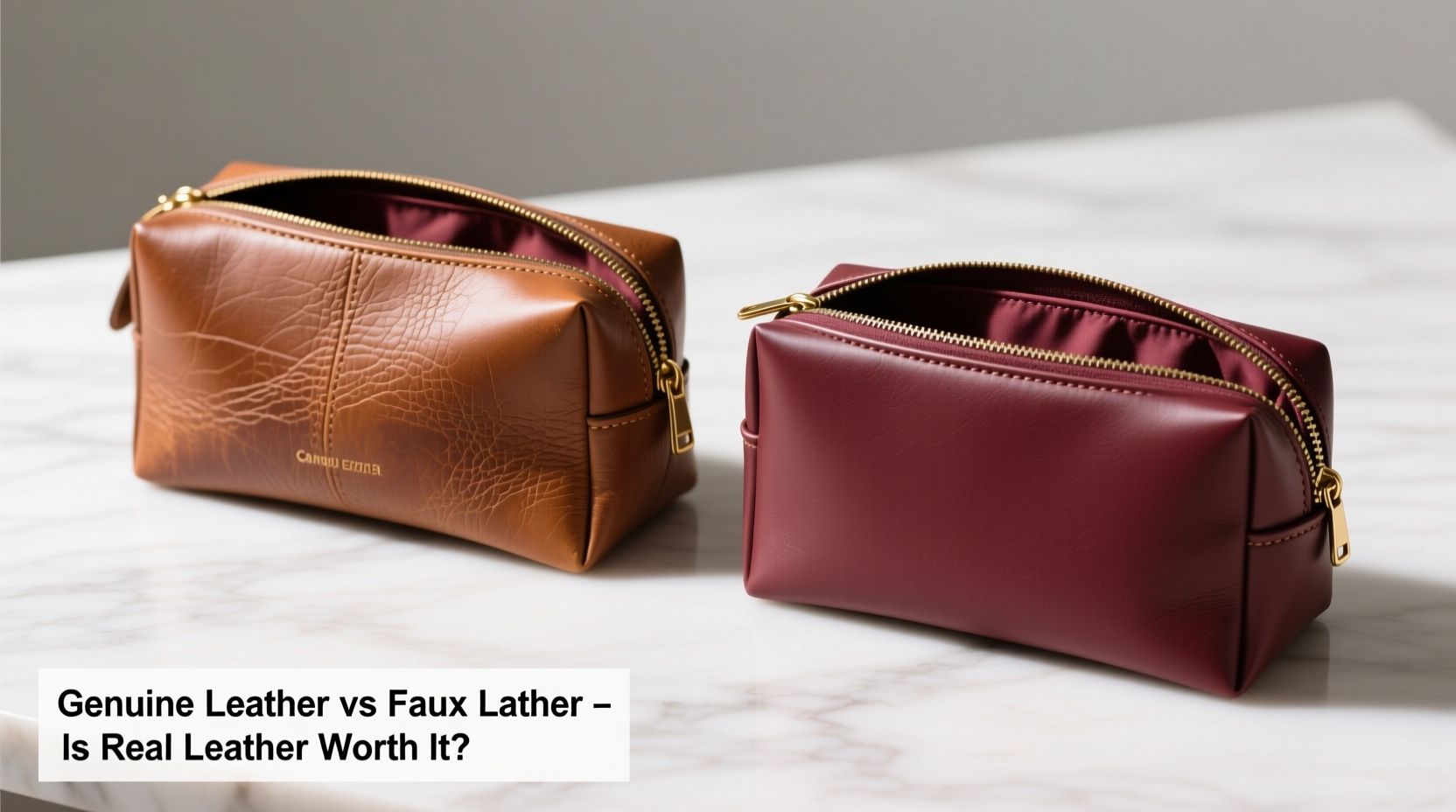
One of the strongest arguments in favor of real leather is its durability. High-quality full-grain or top-grain leather develops a patina over time, becoming more characterful with age rather than deteriorating. A well-cared-for leather makeup bag can last a decade or more, resisting scratches and developing a soft sheen that many find appealing.
Faux leather, typically made from polyurethane (PU) or PVC, doesn’t age in the same way. It may crack, peel, or discolor after 1–3 years of regular use, especially if exposed to heat, friction, or moisture. While modern PU leathers have improved significantly, they still lack the natural resilience of animal hide.
“Leather isn’t just durable—it’s self-repairing to some extent. Minor scuffs often blend into the surface over time.” — Daniel Reeves, Artisan Bag Maker & Material ConsultantTip: Avoid leaving your makeup bag in hot cars or near radiators—both real and faux leather degrade faster under extreme heat.
Ethics and Environmental Impact
The ethical debate around leather is complex. Genuine leather is a byproduct of the meat industry, but critics argue that supporting any part of industrial animal farming perpetuates environmental harm and animal suffering. Tanning processes, especially chrome tanning, can be toxic if not properly regulated, polluting water sources and endangering workers.
Faux leather avoids animal use entirely, making it a popular choice for vegans and cruelty-free consumers. However, it’s often derived from petroleum-based plastics, contributing to microplastic pollution and relying on non-renewable resources. That said, newer bio-based alternatives—like cactus leather (Desserto), mushroom leather (Mylo), or apple waste composites—are emerging as more sustainable options.
If sustainability is a priority, consider the full lifecycle: leather lasts longer but has higher initial environmental costs; faux leather has lower upfront impact but may need replacing more frequently, increasing long-term waste.
Maintenance and Care Requirements
Caring for leather requires consistent attention. It should be cleaned with pH-balanced leather wipes or conditioners every few months to prevent drying and cracking. Exposure to water should be minimized, and storage in breathable dust bags is recommended. Neglect can lead to irreversible damage.
Faux leather, in contrast, is easier to clean—often requiring only a damp cloth and mild soap. It’s also more resistant to spills and stains, which makes it practical for holding cosmetics. However, because it’s less breathable, trapped moisture from wet brushes or products can promote mold growth if not dried properly.
| Care Factor | Real Leather | Faux Leather |
|---|---|---|
| Cleaning Frequency | Every 2–3 months | As needed (weekly wipe-down) |
| Water Resistance | Poor (absorbs moisture) | Good (repels liquids) |
| Conditioning Needed | Yes, regularly | No |
| Storage Needs | Dust bag, cool dry place | Less sensitive, but avoid heat |
Cost Comparison and Value Over Time
Real leather makeup bags typically start at $80 and can exceed $200 for designer or artisan pieces. Faux leather options range from $20 to $60, making them far more accessible. At first glance, this seems like a clear win for synthetics.
But value isn’t just about sticker price—it’s about cost per use. A $25 faux leather bag replaced every two years totals $125 over a decade. A $120 leather bag lasting 10 years costs just $12 annually. In this scenario, real leather offers better long-term value despite the higher initial investment.
That said, not all leather is created equal. Bonded leather—a low-grade composite of leather fibers and plastic—can peel within months and offers none of the benefits of genuine top-grain. Always check the type of leather before assuming durability.
Real-Life Example: Two Users, Two Choices
Sophie, a freelance makeup artist, uses her bag daily for client work. She initially bought a stylish faux leather pouch for $35. After 18 months, the corners began peeling, and a zipper pull broke during a busy event. She switched to a $130 vegetable-tanned leather bag. Four years later, it still looks polished, ages beautifully, and withstands constant travel.
Meanwhile, Maya, a college student who changes trends frequently, prefers rotating seasonal makeup bags. She buys affordable faux leather styles for $20–$30 each. Since she replaces them every year or two and values variety over permanence, her approach makes financial and lifestyle sense.
This illustrates a key insight: the best material depends on usage patterns and personal priorities.
Step-by-Step Guide: Choosing the Right Material for You
- Assess Your Usage: Will you use the bag daily, weekly, or occasionally? Heavy use favors real leather.
- Define Your Values: Are you vegan or environmentally focused? Faux or innovative plant-based leathers may align better.
- Set a Budget: Determine not just what you can spend now, but what you’re willing to spend over 5+ years.
- Research Materials: Look beyond labels—ask whether it’s full-grain, corrected grain, bonded, or PU leather.
- Test Maintenance Willingness: Be honest—will you condition a leather bag twice a year, or prefer wipe-and-go convenience?
Expert Insight: What Designers Recommend
“For functional items like makeup bags, I recommend either high-grade leather or premium PU. Avoid cheap synthetics—they feel flimsy and fail quickly. Invest in quality, regardless of material.” — Lena Park, Sustainable Accessory Designer
Frequently Asked Questions
Can I tell the difference between real and faux leather just by touch?
Often, yes. Real leather feels soft with natural grain variations and a slight warmth. Faux leather tends to be cooler, smoother, and more uniform. It may also have a plastic-like odor, especially when new.
Are there eco-friendly leather alternatives worth considering?
Absolutely. Brands are now using pineapple leaf fiber (Piñatex), cork, and recycled textiles to create durable, biodegradable alternatives. These offer a middle ground—ethical sourcing with better environmental profiles than traditional faux leather.
Does real leather stain easily from makeup products?
It can, especially lighter shades. However, most high-end leather makeup bags feature interior linings (often nylon or polyester) that protect the material. Wipe exterior surfaces promptly after contact with oils or pigments to prevent absorption.
Checklist: Before You Buy Any Makeup Bag
- ✅ Identify primary use (daily carry, travel, occasional)
- ✅ Decide whether animal-derived materials are acceptable
- ✅ Check material type—not all “leather” is equal
- ✅ Examine stitching, zippers, and lining quality
- ✅ Consider ease of cleaning and storage needs
- ✅ Calculate long-term cost, not just upfront price
Final Verdict: Is Real Leather Worth It?
Real leather is worth it—if you value longevity, craftsmanship, and timeless aesthetics. For professionals, frequent travelers, or minimalists who prefer fewer, better things, a quality leather makeup bag pays for itself over time. Its ability to age gracefully and withstand daily wear gives it enduring appeal.
However, faux leather is no longer a poor substitute. With thoughtful selection, modern synthetics offer affordability, versatility, and ethical advantages that suit many lifestyles. The key is choosing well-made versions and recognizing that material alone doesn’t determine quality.
In the end, the best choice isn’t dictated by marketing claims or status symbols. It’s shaped by how you live, what you believe in, and how you want your belongings to serve you—for one season or a lifetime.
💬 What kind of makeup bag do you use—and why? Share your experience in the comments to help others make smarter, more personal choices.








