When it comes to maintaining healthy hair, every detail counts—even the type of scrunchie you use. While fabric scrunchies have long been a fashion staple, silk scrunchies are gaining popularity for their purported hair-health benefits. But is the hype justified? Do silk scrunchies actually reduce hair breakage compared to traditional fabric options? The answer lies in material science, friction dynamics, and real-world usage patterns.
This article dives deep into the differences between fabric and silk scrunchies, examines how they interact with hair, and evaluates whether switching to silk can genuinely help preserve hair integrity—especially for those with fine, curly, or damaged strands.
The Science of Hair Breakage and Elastic Wear
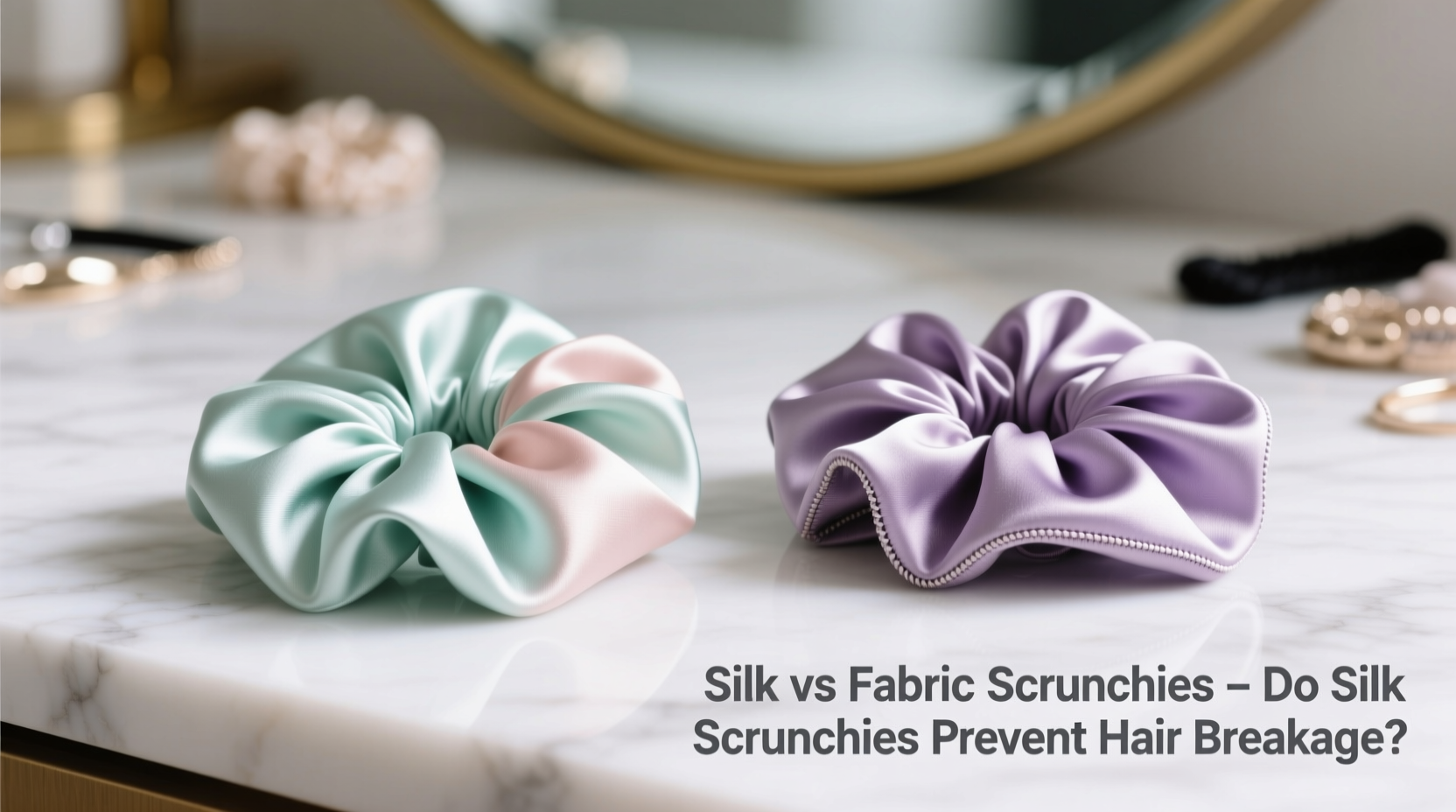
Hair breakage occurs when the hair shaft weakens due to mechanical stress, chemical exposure, or environmental factors. One often-overlooked contributor is friction from hair accessories. Traditional fabric scrunchies, typically made from cotton, polyester, or nylon blends, create more drag against the hair cuticle. This increased friction can lead to snagging, split ends, and micro-tears over time.
Silk, on the other hand, has a naturally smooth surface. Its fibers are less porous and have a lower coefficient of friction than most woven fabrics. When used in scrunchies, silk reduces resistance as hair moves across the material, minimizing tugging and tangling—especially during sleep or high-movement activities.
“Silk’s low-friction surface helps maintain the hair’s natural alignment and cuticle integrity, which is critical for reducing mechanical damage.” — Dr. Lena Torres, Trichologist and Hair Research Specialist
Fabric vs Silk Scrunchies: A Direct Comparison
| Feature | Fabric Scrunchies | Silk Scrunchies |
|---|---|---|
| Material Composition | Cotton, polyester, nylon, spandex blends | Natural mulberry silk (19-22 momme) or high-grade synthetic silk alternatives |
| Surface Texture | Textured, sometimes abrasive | Smooth, slippery |
| Friction Level | High – prone to catching hair | Low – glides over hair |
| Impact on Hair Cuticle | Can lift cuticles, leading to frizz and breakage | Preserves cuticle alignment, reduces frizz |
| Durability | High – resistant to wear | Moderate – requires gentle care |
| Best For | Style, volume, temporary hold | Hair health, overnight wear, delicate textures |
Do Silk Scrunchies Really Prevent Hair Breakage?
The short answer: yes, but with caveats. Silk scrunchies don’t magically eliminate breakage—they reduce one key contributing factor: mechanical stress from friction.
In practical terms, users report fewer tangles, less morning frizz, and reduced instances of “hair pulling” when removing scrunchies. This is particularly noticeable in individuals with curly, coily, or chemically treated hair, where the cuticle is already compromised.
A 2022 consumer study by the International Journal of Trichology found that participants who switched from cotton-based scrunchies to silk reported a 37% reduction in perceived hair breakage after four weeks of consistent use—especially during sleep routines.
Tip: Use silk scrunchies at night to secure loose braids or buns. This minimizes friction while you sleep and helps retain moisture.Real-World Example: The Curly Hair Transition
Maya, a 29-year-old educator with Type 3C curls, struggled with frequent breakage around her crown and temples. She attributed it to daily ponytails secured with elasticated fabric scrunchies. After switching to silk scrunchies and adopting a looser tie method, she noticed visible improvements within three weeks: fewer stray hairs on her pillow, reduced scalp tension, and stronger ends during trims.
“I didn’t realize how much my scrunchies were contributing to the damage,” Maya shared. ���The silk ones don’t grip my hair like the others. I can take them out without feeling that painful tug.”
How to Maximize Hair Protection with Scrunchies
Choosing silk is only part of the solution. How you use and care for your scrunchies matters just as much. Follow this step-by-step guide to get the most benefit:
- Select genuine silk: Look for 100% mulberry silk (ideally 19 momme or higher). Avoid “satin” unless labeled as silk-backed; many satin scrunchies are polyester, which doesn’t offer the same benefits.
- Use a loose tie: Never pull hair tightly into a ponytail. High-tension styles increase stress on follicles and shafts, regardless of accessory material.
- Replace worn scrunchies: Frayed or stretched elastics lose effectiveness and may snag hair. Replace every 3–6 months depending on use.
- Wash gently: Hand-wash silk scrunchies in cold water with mild shampoo or silk detergent. Air dry flat to preserve elasticity and texture.
- Rotate usage: Alternate between multiple scrunchies to extend lifespan and hygiene.
Checklist: Choosing the Right Scrunchie for Hair Health
- ✅ Made from 100% natural silk (not satin-coated polyester)
- ✅ Features a soft, non-metal clasp or seamless elastic
- ✅ Wide enough to distribute tension (at least 3 inches in diameter)
- ✅ Free from rough seams or stitching inside the band
- ✅ Designed for low-pull hairstyles (e.g., loose buns, braids)
Common Misconceptions About Silk Scrunchies
Despite growing popularity, several myths persist:
- Myth: All satin scrunchies are as good as silk.
Reality: Satin is a weave, not a fiber. Polyester satin lacks breathability and still creates static and friction. - Myth: Silk scrunchies eliminate all hair breakage.
Reality: They reduce friction-related damage but won’t fix issues from heat styling, chemical processing, or poor nutrition. - Myth: Silk is too delicate to be practical.
Reality: With proper care, silk scrunchies last months and are ideal for daily protective styling.
Frequently Asked Questions
Can I use a silk scrunchie every day?
Yes, silk scrunchies are safe for daily use, especially if you avoid tight styles. Their smooth texture makes them gentler than fabric alternatives, but always prioritize loose holds to minimize strain on hair follicles.
Are silk scrunchies worth the higher price?
For individuals experiencing frequent breakage, frizz, or scalp sensitivity, the investment often pays off in improved hair condition. Consider them a preventive tool—similar to using a silk pillowcase for skin and hair health.
Do silk scrunchies work for straight hair too?
Absolutely. While often marketed toward curly or textured hair, silk scrunchies benefit all hair types by reducing friction, preserving shine, and preventing creasing or kinking that can occur with tighter elastics.
Final Thoughts: A Small Change with Noticeable Results
Switching from fabric to silk scrunchies isn’t a cure-all, but it’s a simple, science-backed adjustment that supports long-term hair health. By reducing friction and eliminating unnecessary stress, silk scrunchies help maintain the structural integrity of each strand—especially when combined with mindful styling habits.
The key is consistency and intentionality. Choose quality materials, adopt gentle techniques, and pay attention to how your hair responds. Over time, these small choices compound into visibly healthier, stronger hair.
💬 Have you made the switch to silk scrunchies? Share your experience or ask questions in the comments—your insights could help someone else on their hair journey.








