
Fabric softener is a staple in many laundry routines, promising softer clothes, reduced static, and a lasting fresh scent. But instead of luxury, some users are left with greasy splotches, stiff patches, or dull discoloration on their favorite garments. These are fabric softener stains—unwanted residues that cling to fabrics long after the wash cycle ends. While common, they’re not inevitable. Understanding why these stains form and knowing how to remove and prevent them can save your wardrobe and streamline your laundry process.
Why Fabric Softener Stains Occur
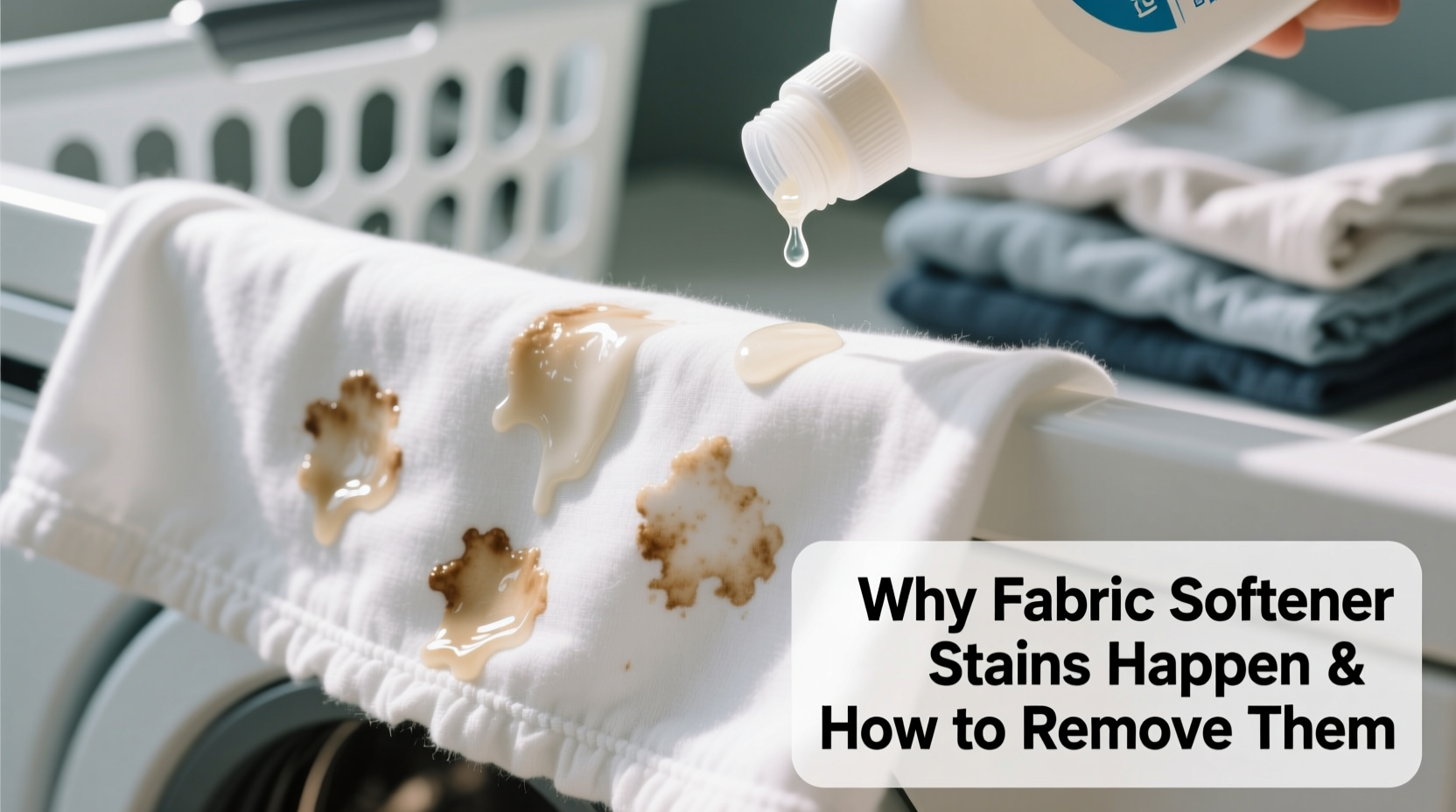
Fabric softener works by coating fibers with lubricating chemicals that reduce friction between threads, making clothes feel softer. However, this same mechanism can backfire when the product isn’t properly diluted or dispersed. The residue from liquid softeners or dryer sheets can accumulate on fabrics, especially in cold water washes or high-efficiency (HE) machines where less water is used.
The most frequent causes include:
- Overuse: Adding more than the recommended amount increases the risk of undissolved residue.
- Poor dispersion: Pouring softener directly onto clothes instead of into the dispenser can lead to concentrated spots.
- Cold water washing: Cold temperatures reduce solubility, leaving behind oily deposits.
- HE machine limitations: Front-loaders use less water, which may not fully rinse away softener buildup.
- Dryer sheet transfer: Fragments or waxy residues from sheets can melt onto fabrics during drying.
These factors often combine, particularly with synthetic fabrics like polyester, which are more prone to trapping residues due to their low absorbency.
Tip: Always add fabric softener to the designated dispenser, never directly onto clothing—even if it’s “ultra-concentrated.”How to Remove Fabric Softener Stains: Step-by-Step Guide
Removing fabric softener stains requires breaking down the waxy, oily residue without damaging the fabric. The method varies slightly depending on whether the stain is fresh or has been dried and set.
- Assess the fabric type: Check the care label. Delicates require gentler treatment than cotton or linen.
- Pre-treat fresh stains: For wet or recently stained items, flush the area under warm running water to dilute excess softener.
- Apply dish soap: Use a small amount of grease-cutting liquid dish soap (like Dawn) directly to the stain. Gently rub with fingers or a soft brush.
- Soak in warm water: Submerge the garment in a basin of warm water mixed with 1/2 cup white vinegar for 30–60 minutes. Vinegar helps dissolve residue and deodorize.
- Wash normally: Run a full cycle using hot water (if fabric allows) and no softener. Add 1/2 cup baking soda to boost cleaning power.
- Air dry and inspect: Do not place in the dryer until the stain is gone. Heat sets remaining residue permanently.
- Repeat if necessary: Stubborn stains may require a second treatment.
For dried-in stains, start with the soak step and consider using an oxygen-based bleach (like OxiClean) in addition to vinegar, following product instructions for fabric safety.
Do’s and Don’ts: Best Practices for Softener Use
| Do’s | Don’ts |
|---|---|
| Use the correct amount per load (check bottle instructions) | Overfill the softener dispenser |
| Add softener during the final rinse cycle | Pour softener directly onto clothes |
| Use vinegar as a natural alternative | Use softener on towels or athletic wear (reduces absorbency) |
| Clean your washer monthly to prevent residue buildup | Ignore musty smells in your machine—they indicate trapped residue |
| Switch to wool dryer balls for static control | Rely solely on dryer sheets for softness |
Real Example: A Common Household Mistake
Sarah, a mother of two in Portland, noticed yellowish streaks on her family’s dark jeans after switching to a new ultra-scented fabric softener. She assumed it was dye bleeding, but the pattern matched the softener dispenser location in her front-loader. After consulting a laundry forum, she realized she had been overfilling the compartment, thinking “more scent equals fresher clothes.”
She followed a vinegar soak and rewashed the jeans without softener. The stains lifted after two cycles. Now, she measures carefully and runs a monthly maintenance wash with vinegar to keep her machine clean. Her clothes come out soft—and spot-free.
“Fabric softener residue is one of the top causes of mysterious stains in high-efficiency washers. The key is moderation and maintenance.” — Dr. Linda Chen, Textile Scientist at the American Cleaning Institute
Alternative Solutions and Prevention Strategies
Eliminating softener stains isn’t just about removal—it’s about rethinking your approach to fabric care. Consider these alternatives that provide softness without the risk:
- White vinegar: Adds softness, reduces static, and naturally removes mineral buildup. Use 1/2 cup in the softener dispenser.
- Baking soda: Softens water and fabrics. Add 1/2 cup to the drum before loading clothes.
- Wool dryer balls: Reduce drying time, soften fabrics naturally, and minimize static without chemical residue.
- Double rinse cycle: Use your machine’s extra rinse option to ensure complete softener removal.
Regular washer maintenance is also crucial. Residue can build up in dispensers, hoses, and drums, leading to inconsistent distribution. Run a cleaning cycle monthly with a mixture of vinegar and baking soda or a dedicated washer cleaner.
Tip: If you must use fabric softener, opt for a liquid version labeled “HE-safe” and always pair it with a hot rinse cycle.FAQ: Common Questions About Fabric Softener Stains
Can fabric softener stains be permanent?
If exposed to high heat in the dryer, the waxy residue can bond to fibers and become nearly impossible to remove. That’s why air-drying after treatment is essential. Early intervention significantly improves the chances of full removal.
Is there a difference between liquid softener and dryer sheet stains?
Yes. Liquid softener typically leaves greasy, translucent spots that feel slick. Dryer sheet stains often appear as waxy smears or speckled residue, especially on synthetic blends. Both respond well to vinegar and dish soap treatments.
Are certain fabrics more vulnerable to softener stains?
Synthetics like polyester, nylon, and spandex are highly susceptible due to their hydrophobic nature. Towels, microfiber, and moisture-wicking athletic wear should generally avoid softeners altogether, as they reduce performance and absorbency.
Final Thoughts: Smarter Laundry, Spot-Free Results
Fabric softener stains are a frustrating but fixable issue. They stem from simple oversights—using too much product, improper application, or skipping maintenance. With the right knowledge, you can reverse existing damage and design a laundry routine that keeps clothes soft, clean, and residue-free.
Start by auditing your current habits. Are you measuring softener correctly? Is your machine due for a deep clean? Could natural alternatives meet your needs without the downsides? Small changes yield significant results over time.
💬 Have you dealt with stubborn softener stains? Share your story or solution in the comments—your tip might help someone else save their favorite shirt!








