Fabric-covered electrical outlets have recently gained attention as a design-forward alternative to traditional plastic wall plates. Marketed for their aesthetic appeal—offering textures like linen, velvet, or burlap—they promise to blend seamlessly into modern interiors. But behind the stylish facade lies a critical question: Are these outlets truly safe, or are they an unnecessary risk disguised as decor? For homeowners, renters, and interior designers alike, understanding the real implications of using fabric-covered outlets is essential before making any decisions.
While aesthetics matter in home design, safety should never be compromised. Electrical systems operate under strict codes for a reason—preventing fire hazards, shocks, and long-term damage. Fabric, being a combustible material, introduces variables that standard building regulations typically prohibit near live electrical components. This article examines the technical, regulatory, and practical aspects of fabric-covered outlets to determine whether they represent a legitimate upgrade or an avoidable hazard.
Understanding Fabric-Covered Outlets: What Are They?
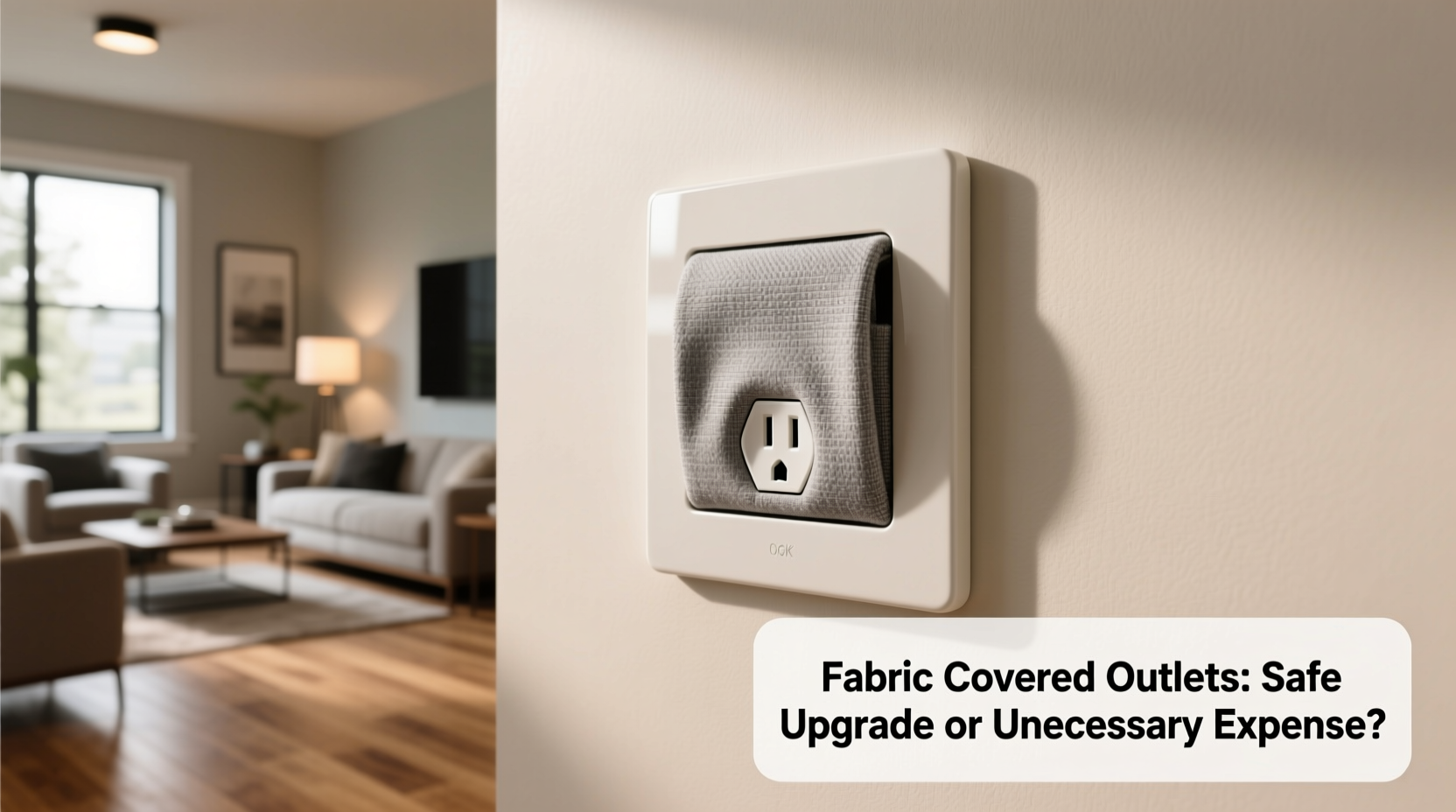
Fabric-covered outlets refer to electrical wall plates made with or wrapped in textile materials instead of standard non-combustible plastics or metal. Some designs feature a full fabric overlay on a plastic base, while others incorporate breathable mesh or decorative fabric inserts within a frame. These are often sold online as DIY kits or pre-assembled units aimed at enhancing room décor without rewiring.
The appeal is clear: fabric blends better with upholstered furniture, adds warmth to minimalist spaces, and allows customization through color and texture. However, what many consumers don’t realize is that covering an outlet—even partially—with fabric can interfere with its function and compliance with national electrical codes.
Standard outlets are designed with flame-resistant thermoplastics that meet UL (Underwriters Laboratories) standards. These materials resist ignition and slow the spread of fire. In contrast, natural or synthetic fabrics may ignite more easily when exposed to sparks, overheating, or internal arcing—a common but often undetected issue in aging circuits.
Tip: Always check if a product has been tested and certified by a recognized laboratory such as UL, ETL, or CSA before installing it near electrical systems.Safety Concerns: Why Fabric and Electricity Don’t Mix
The primary concern with fabric-covered outlets is fire risk. According to the National Fire Protection Association (NFPA), electrical failures or malfunctions were responsible for an estimated 44,300 home structure fires annually between 2015 and 2019. While most originate from wiring issues, outdated panels, or overloaded circuits, even minor additions like flammable coverings can exacerbate existing risks.
When an outlet becomes loose, corroded, or overloaded, it can generate heat. Under normal conditions, this heat dissipates safely through ventilation in the wall plate. But adding fabric reduces airflow and traps heat, increasing the chance of smoldering or ignition. Even low levels of continuous heating—undetectable to touch—can degrade insulation over time and lead to short circuits.
Another overlooked factor is dust accumulation. Fabric surfaces attract lint, pet hair, and airborne particles, which collect around plug openings. Combined with heat, this debris becomes fuel. In laboratory tests conducted by Consumer Reports, similar obstructions significantly reduced the time it took for small sparks to ignite surrounding materials.
“Any modification that introduces combustible materials into proximity with energized electrical components violates fundamental principles of fire safety.” — Dr. Alan Torres, Senior Electrical Safety Engineer at NFPA
Regulatory Status and Code Compliance
In the United States, the National Electrical Code (NEC), enforced through local jurisdictions, sets minimum safety standards for all electrical installations. Article 400 of the NEC governs flexible cords and cables, while Articles 406 and 110 address outlet installation and workspace requirements. Although there is no explicit mention of \"fabric-covered outlets,\" general provisions prohibit the use of materials that could trap heat or increase fire risk.
Furthermore, UL Standard 498, which covers receptacles, requires that faceplates be constructed from self-extinguishing materials. Fabric does not meet this criterion unless specially treated—and even then, durability after washing or prolonged exposure remains questionable.
Home inspectors and electricians routinely flag non-compliant outlet covers during property evaluations. Installing fabric-covered plates may void homeowner’s insurance in the event of a fire if investigators determine the outlet contributed to ignition. It also creates liability issues for landlords or contractors who install them in rental properties.
| Feature | Standard Plastic Outlet Cover | Fabric-Covered Outlet Cover |
|---|---|---|
| Fire Resistance | High – meets UL 94 V-0 flammability rating | Low – fabric ignites easily; no standardized testing |
| Heat Dissipation | Good – allows airflow around plug | Poor – traps heat due to insulating properties |
| Dust Accumulation | Minimal – smooth surface resists buildup | High – fabric attracts lint and debris |
| Code Compliance | Fully compliant with NEC | Likely non-compliant; not evaluated under standard codes |
| Longevity | Years of durable use | Months – fabric wears, fades, or frays |
Real-World Example: A Close Call in a Modern Apartment
In 2022, a tenant in Portland, Oregon installed fabric-covered outlet plates in her newly renovated studio apartment to match her bohemian-themed living space. She purchased a popular set marketed as “breathable” and “fire-retardant-treated” from an online retailer. After six months, she noticed a faint burning smell near one of the outlets used frequently for charging devices.
Upon inspection, an electrician found that the outlet had overheated due to a slightly loose neutral connection—a condition not immediately dangerous under normal ventilation. However, the fabric cover had trapped heat and caused the backing material to char. The outlet itself was still functional, but nearby drywall showed signs of thermal damage. The electrician removed the fabric plate, replaced the outlet, and issued a formal warning about future risks.
This case illustrates how seemingly minor design choices can compound hidden electrical faults. While the fabric was labeled “treated,” real-world performance did not match claims under sustained thermal stress. Had the issue gone unnoticed, it could have led to a serious fire.
Alternatives That Balance Style and Safety
For those seeking visual upgrades without compromising safety, several code-compliant alternatives exist:
- Decorative Metal Plates: Available in brushed nickel, matte black, or copper finishes, these offer elegance and superior heat dissipation.
- Painted Plastic Covers: Custom-painted to match wall colors or artwork, these maintain safety while blending in.
- Designer Switch Plate Kits: Brands like DecoRelief or Wallplate Studio provide licensed artist designs printed on UL-listed materials.
- Frame-Style Overlays: Non-adhesive, removable frames that sit around—but do not cover—the outlet—allowing airflow while adding style.
These solutions achieve aesthetic goals without interfering with electrical functionality. Unlike fabric wraps, they don’t obstruct vents, trap dust, or introduce flammable layers directly over live components.
Step-by-Step Guide: How to Upgrade Your Outlets Safely
- Assess current outlets: Check for looseness, discoloration, or warmth when in use. Replace any damaged units first.
- Choose UL-certified replacement plates: Look for packaging that clearly states compliance with UL 498 or NEC standards.
- Select a finish or design: Pick from metal, painted, or artistic options that complement your décor.
- Turn off power at the breaker: Always shut off electricity before removing faceplates.
- Remove old plate and install new one: Secure with screws, ensuring no gaps or wobbling.
- Test operation: Restore power and plug in a device to confirm proper function.
- Maintain regularly: Dust around outlets monthly and inspect every six months for wear.
Frequently Asked Questions
Are fabric outlet covers illegal?
No, they are not explicitly illegal, but they likely violate electrical safety codes and may fail inspection. Their sale is permitted online, but installation in residential buildings often breaches local regulations enforced by inspectors or fire marshals.
Can I use fabric covers if I only plug in low-power devices?
No. Even low-power devices like phone chargers can cause internal arcing or heating due to poor connections. The risk isn’t eliminated by usage level—it’s inherent in the design flaw of placing combustible material near live contacts.
Do any fabric-covered outlets pass safety tests?
As of now, no major independent testing laboratory lists fabric-covered outlet plates as compliant with UL 498 or equivalent standards. Claims of “fire-resistant treatment” are not standardized and may degrade after cleaning or extended use.
Final Verdict: Upgrade or Avoid?
Fabric-covered outlets are best categorized as an unnecessary expense with significant safety drawbacks. While they may appear attractive in lifestyle photos or influencer videos, their real-world performance falls short of basic electrical safety expectations. The minimal aesthetic benefit does not justify the increased fire risk, potential insurance complications, or violation of building codes.
True home upgrades enhance both form and function. Replacing outdated or unsightly outlet covers is a worthwhile project—but it should be done with materials designed for the task. Certified plastic, metal, or professionally designed decorative plates deliver lasting beauty without endangering occupants.
Electrical safety isn't about fear; it's about informed choices. Every component in your home’s system plays a role in preventing disaster. Choosing a solution because it looks good in a photo is tempting, but protecting your family and property demands more thoughtful consideration.
💬 Have you seen fabric-covered outlets in homes or stores? Share your experience or thoughts in the comments below—your insight could help others make safer choices.








