
Wooden cutting boards are a staple in professional and home kitchens alike—valued for their durability, knife-friendliness, and natural beauty. However, without proper maintenance, they can crack, warp, or harbor bacteria. One of the most critical steps in preserving a wooden cutting board is regular oiling. Done correctly, oiling seals the wood, prevents moisture absorption, and enhances both longevity and sanitation. Yet, many people either skip this step or apply it incorrectly, unknowingly shortening their board’s lifespan.
This guide delivers expert-backed techniques for oiling your wooden cutting board effectively. From selecting the right oil to establishing a routine that ensures lasting protection, these strategies will keep your board functional, hygienic, and beautiful for years.
The Science Behind Oiling: Why It Matters
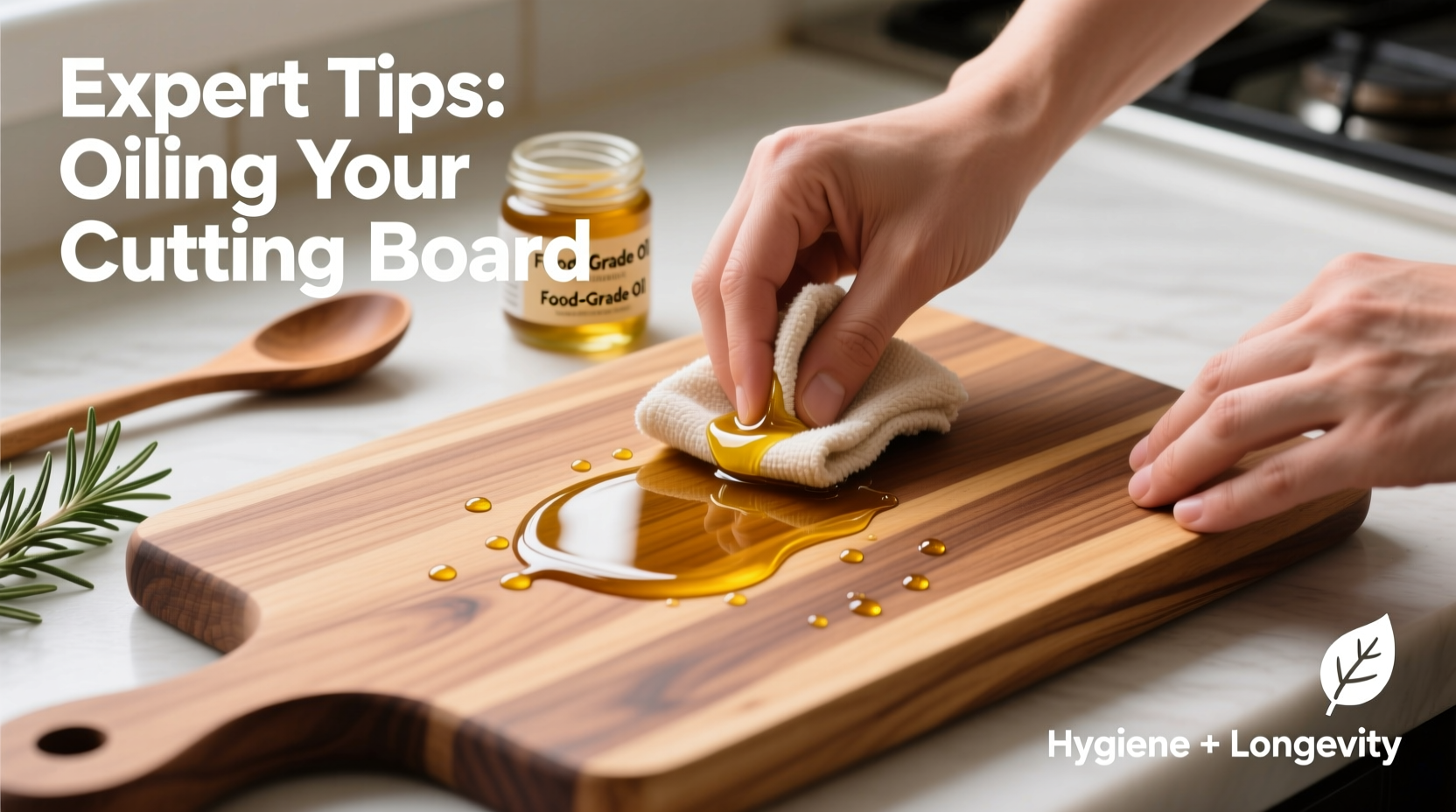
Wood is porous. When exposed to water during washing or food prep, it absorbs moisture, which causes fibers to swell. As the board dries, those fibers contract, leading to warping, checking (small surface cracks), and eventual splitting. Repeated wet-dry cycles accelerate deterioration.
Oiling combats this by creating a hydrophobic barrier within the wood’s pores. The oil fills microscopic gaps, reducing water penetration and stabilizing the grain. Additionally, a well-oiled surface is less hospitable to bacteria because there are fewer crevices where pathogens can hide.
“Regular oiling isn’t just cosmetic—it’s structural and sanitary. A neglected board isn’t just ugly; it’s unsafe.” — Dr. Alan Reyes, Food Safety Microbiologist, University of California Cooperative Extension
The type of oil used matters significantly. Not all oils are suitable for food-contact surfaces. Some can go rancid, others polymerize poorly, and a few may even be toxic when oxidized.
Choosing the Right Oil: Do’s and Don’ts
Only use food-grade, non-rancid, mineral oil-based products on cutting boards. Here's a comparison of common options:
| Oil Type | Safe for Food? | Rancidity Risk | Effectiveness | Recommendation |
|---|---|---|---|---|
| Mineral Oil (Food-Grade) | Yes | None | High – penetrates deeply, stable | Recommended |
| Beeswax-Blended Conditioner | Yes | None | Very High – adds extra sealing | Top Choice |
| Walnut Oil | Yes (but allergenic) | Moderate | Good – but degrades over time | Use with caution |
| Olive, Coconut, or Vegetable Oil | Yes | High – turns rancid quickly | Poor – attracts mold, smells sour | Avoid |
| Linseed Oil (Raw) | No | N/A | High polymerization, but toxic | Never Use |
Step-by-Step Guide to Properly Oil Your Cutting Board
Oiling should be done thoroughly and consistently. Follow this proven method:
- Clean the board completely. Wash with warm water and mild dish soap. Never submerge or run through a dishwasher. Dry immediately with a towel, then let air-dry upright for 4–6 hours until fully dry.
- Sand if needed. If the surface feels rough or shows stains, lightly sand with 220-grit sandpaper. Wipe away dust with a damp cloth, then dry again.
- Apply oil generously. Pour 1–2 tablespoons of food-grade mineral oil or beeswax blend onto the board. Use a clean cloth or paper towel to spread evenly across all surfaces—including edges and ends.
- Let it soak. Allow the oil to penetrate for at least 2–4 hours. Overnight is ideal. Place the board on its side or edge to prevent pooling.
- Wipe off excess. After soaking, wipe away any remaining oil. A greasy surface attracts dust and slows drying.
- Repeat monthly or as needed. High-use boards may require oiling every 3–4 weeks; occasional users can go 6–8 weeks.
For new boards, repeat this process 2–3 times in the first week to establish deep saturation.
Real Example: How a Restaurant Chef Maintains 50+ Boards
At \"Hearth & Knife,\" a farm-to-table restaurant in Portland, Executive Chef Maria Tran oversees a kitchen with over 50 wooden cutting boards in daily rotation. Her team follows a strict maintenance protocol that has kept every board in serviceable condition for over three years—far exceeding industry averages.
“We oil every board after the last service of the week,” she explains. “But we also do quick checks daily. If a board looks dull or feels dry, we touch it up immediately. We use a 50/50 mix of food-grade mineral oil and melted beeswax—it gives a harder finish and repels juice better.”
Her staff stores boards vertically in a ventilated rack, never flat or stacked. This allows airflow and prevents moisture trapping. “A warped board is a safety hazard,” she says. “Proper oiling prevents that before it starts.”
Tip: Combine mineral oil with beeswax (1:1 ratio) for enhanced water resistance. Melt gently, apply warm, and let cure overnight.Hygiene Best Practices Beyond Oiling
Oiling supports hygiene, but it doesn't replace cleaning. To keep your board truly sanitary:
- Wash after each use with hot water and mild soap. Avoid soaking.
- Sanitize weekly using a solution of one part white vinegar to four parts water, or a diluted hydrogen peroxide spray (3%). Let sit for 5 minutes, then rinse and dry.
- Deodorize naturally with coarse salt and lemon halves. Scrub the surface, then rinse and dry.
- Inspect regularly for deep grooves or cracks. Deep knife scars trap bacteria and cannot be fully sanitized—consider retiring or resurfacing such boards.
“Oiling is preventive medicine for wood. But like any tool, your board needs active hygiene too. Think of oiling as armor, not a substitute for cleaning.” — James Lin, Culinary Equipment Specialist, NSF International
Frequently Asked Questions
How often should I oil my wooden cutting board?
As a general rule, oil every 4–6 weeks with moderate use. If the board looks or feels dry, or water begins to soak in instead of beading, it’s time to re-oil. High-use boards may need treatment every 2–3 weeks.
Can I use olive oil or coconut oil to condition my board?
No. While edible, these oils contain fatty acids that oxidize and turn rancid over time. Rancid oil creates unpleasant odors, attracts mold, and can compromise food safety. Always use food-grade mineral oil or a commercial board conditioner.
What if my board starts cracking despite regular oiling?
Cracking often results from uneven drying or exposure to heat sources (like ovens or dishwashers). Ensure the board dries upright after washing and avoid placing it near windows or stoves. Light surface cracks can be sanded out; deep splits may mean it’s time for replacement.
Essential Maintenance Checklist
Keep this checklist handy for consistent care:
- ✅ Wash after each use with soap and warm water
- ✅ Dry immediately and store upright
- ✅ Inspect monthly for wear, warping, or odor
- ✅ Sand lightly if surface becomes rough
- ✅ Apply food-grade mineral oil or conditioner every 4–6 weeks
- ✅ Sanitize weekly with vinegar or peroxide solution
- ✅ Never put in the dishwasher or soak in water
Conclusion: Make Oiling a Habit, Not an Afterthought
A wooden cutting board is an investment in both performance and aesthetics. With thoughtful care, it can serve reliably for decades. Oiling is not a luxury—it’s essential maintenance that protects against decay, enhances hygiene, and preserves the integrity of the wood.
By choosing the right oil, applying it correctly, and integrating it into your kitchen routine, you ensure your board remains a safe, functional centerpiece of your culinary space. Whether you're a home cook or a professional chef, the discipline of regular oiling pays dividends in longevity, cleanliness, and peace of mind.
💬 Start tonight: Pull out your cutting board, give it a good clean, and apply a fresh coat of mineral oil. That small act could add years to its life. Share your own board care tips in the comments below!








