Stainless steel jewelry has surged in popularity due to its durability, hypoallergenic properties, and modern aesthetic. Unlike silver or gold, it resists tarnishing, doesn’t require frequent polishing, and holds up well under daily wear. However, not all stainless steel jewelry is created equal. With a growing market flooded with imitations and substandard alloys, knowing how to distinguish high-quality pieces from inferior ones is crucial. Whether you're shopping for a minimalist pendant, a statement ring, or everyday earrings, understanding the markers of authenticity and craftsmanship ensures you invest wisely.
Understand the Grades of Stainless Steel Used in Jewelry
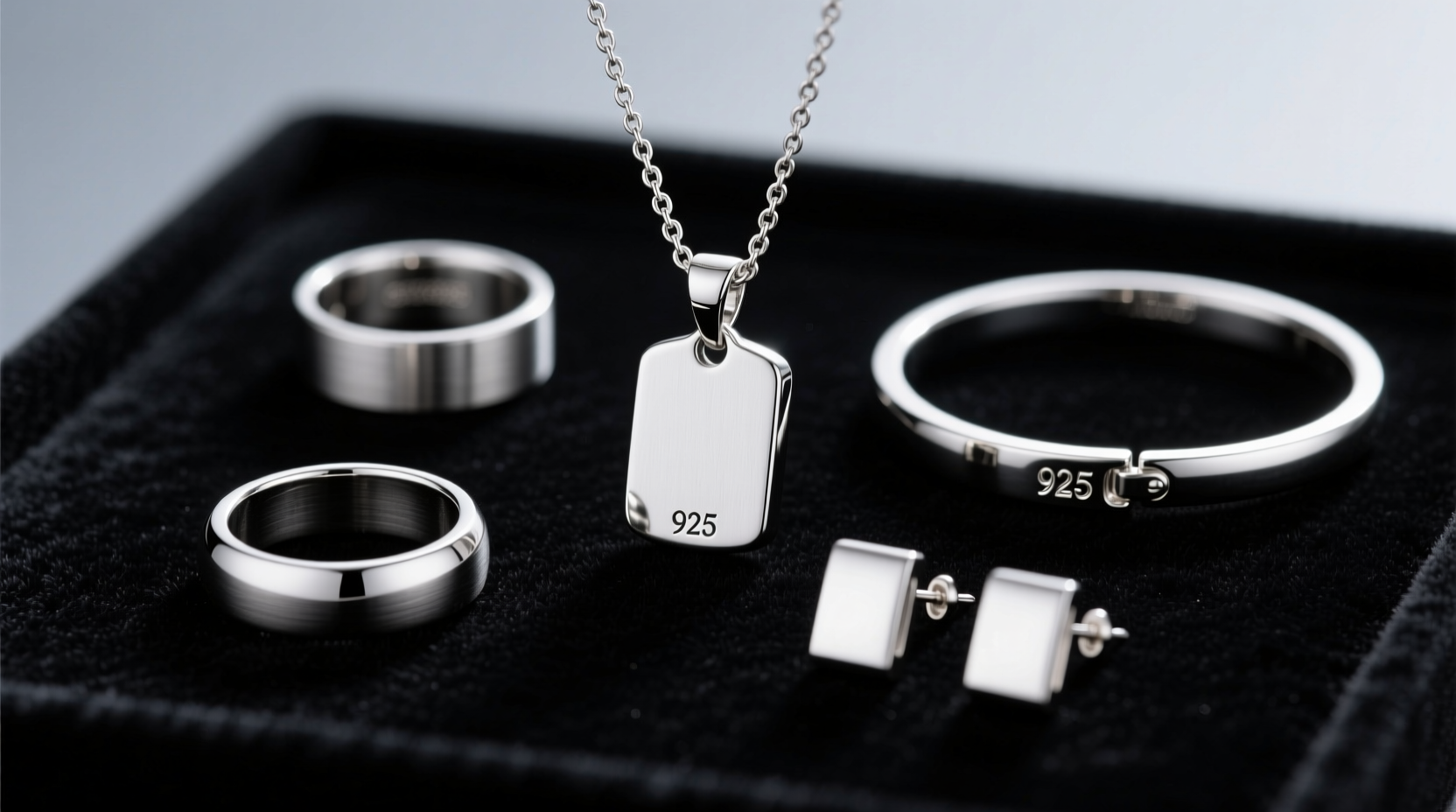
Not every piece labeled “stainless steel” meets the standards suitable for fine jewelry. The most commonly used grades in quality jewelry are 304 and 316L stainless steel. Among these, 316L—also known as surgical-grade stainless steel—is preferred for body-worn accessories because of its superior corrosion resistance and biocompatibility.
Grade 316L contains molybdenum, which enhances resistance to chlorides like saltwater and sweat, making it ideal for rings, watches, and necklaces exposed to daily elements. In contrast, lower-grade steels such as 201 or 420 may look similar but are more prone to rusting and discoloration over time.
Tip: Always check product descriptions for \"316L\" or \"surgical-grade\" stainless steel. If the grade isn't specified, assume it may not be high quality.Conduct a Visual and Tactile Inspection
The first step in evaluating stainless steel jewelry is using your senses. High-quality pieces exhibit precision in design, smooth finishes, and consistent weight. Look closely at the surface: premium stainless steel will have a uniform sheen—either polished, brushed, or matte—without visible pits, scratches, or uneven coloring.
Run your fingers along the edges. There should be no sharp burrs or rough spots, especially on clasps, links, or prongs. A well-made chain, for example, will drape smoothly and feel substantial without being overly heavy. Lightweight or flimsy-feeling items often indicate thin plating or hollow construction meant to mimic solid metal.
“Many low-cost ‘stainless’ pieces are actually base metals with a flash coating. Real stainless steel has a distinct density and cool-to-the-touch sensation.” — Daniel Reyes, Metalsmith & Jewelry Designer
Perform Simple At-Home Quality Tests
You don’t need lab equipment to assess quality. Several practical tests can help verify authenticity and durability before purchase—or even after.
- Magnet Test: While most stainless steel is slightly magnetic, 316L exhibits weak attraction. If a strong magnet sticks firmly, the piece may contain high iron content, suggesting a lower alloy.
- Scratch Resistance: Gently try to scratch an inconspicuous area with a key. Genuine stainless steel should resist minor abrasions. Visible scratching indicates poor hardness or surface plating.
- Vinegar Test (for corrosion): Soak a cotton swab in white vinegar and rub it on the surface. Wait 15 minutes. Any discoloration or dark residue may signal impure metal or plating.
Compare Key Features: What to Look For vs. Avoid
| Feature | Do’s (High Quality) | Don’ts (Low Quality) |
|---|---|---|
| Material Grade | Labeled 316L or surgical-grade | Unspecified or vague terms like “stainless alloy” |
| Weight & Feel | Dense, cool, and balanced | Lightweight or hollow sensation |
| Finish | Smooth, even luster; no peeling | Flaking, cloudiness, or patchiness |
| Hypoallergenic Claim | Confirmed nickel-free or low-nickel | No information or inconsistent labeling |
| Price Point | Reasonable but reflects material cost | Suspiciously cheap for “solid” steel |
A Real-World Scenario: Learning from a Buyer’s Mistake
Consider Sarah, who bought a sleek stainless steel bracelet online for $12 during a flash sale. It looked elegant in photos and claimed to be “surgical-grade.” Within two weeks of regular wear, the finish began to dull, and tiny rust spots appeared near the clasp. After consulting a jeweler, she learned the item was made from 201-grade steel with a thin protective layer that wore off quickly.
In contrast, her second purchase—a slightly more expensive bangle from a reputable brand clearly labeled 316L—has remained pristine for over a year despite daily use. This experience taught her that transparency in materials matters more than initial price savings.
Follow This Step-by-Step Guide When Shopping
To consistently choose high-quality stainless steel jewelry, follow this checklist each time you shop—online or in-store:
- Verify the Alloy Type: Confirm the product specifies 316L or 304 stainless steel.
- Check for Certifications: Reputable sellers often provide third-party testing results or material safety data sheets.
- Inspect Craftsmanship: Examine symmetry, weld points, and closure mechanisms. Poor joints suggest rushed manufacturing.
- Review Return Policy: Buy from stores offering returns so you can test the piece in real conditions.
- Read Customer Feedback: Look for comments about longevity, skin reactions, and color retention.
Frequently Asked Questions
Can stainless steel jewelry turn my skin green?
High-quality 316L stainless steel does not cause skin discoloration. Green marks typically come from copper-based alloys or low-grade plating that deteriorates. True surgical-grade steel is non-reactive and safe for sensitive skin.
Is stainless steel jewelry waterproof?
Yes, 316L stainless steel is highly resistant to water, sweat, and chlorine. You can safely wear it while swimming or showering. However, prolonged exposure to harsh chemicals (like bleach) should still be avoided to preserve shine.
How do I clean and maintain stainless steel jewelry?
Clean with mild soap, warm water, and a soft cloth. For deeper cleaning, soak in a mixture of water and baking soda for 10–15 minutes, then gently scrub with a toothbrush. Dry thoroughly. Avoid abrasive cleaners that can scratch the surface.
Final Thoughts: Confidence Comes From Knowledge
Purchasing stainless steel jewelry shouldn’t feel like a gamble. Armed with knowledge about material grades, physical indicators of quality, and simple verification methods, you can make informed decisions that stand the test of time. The best pieces combine aesthetic appeal with structural integrity—offering lasting value without the high price tag of precious metals.
💬 Ready to upgrade your collection? Start by re-evaluating one piece in your jewelry box using these tips—and share what you discover in the comments below!