Plated heart phone cases with crossbody straps have become a popular blend of fashion and function. Their eye-catching metallic finishes, romantic design, and hands-free convenience make them a favorite among style-conscious users. However, the delicate plating and mixed materials require special care. Without proper maintenance, tarnishing, peeling, and strap wear can quickly diminish both appearance and durability. This guide delivers practical, tested strategies to keep your case looking fresh and functioning well for months—or even years—with minimal effort.
Understanding Your Case’s Materials
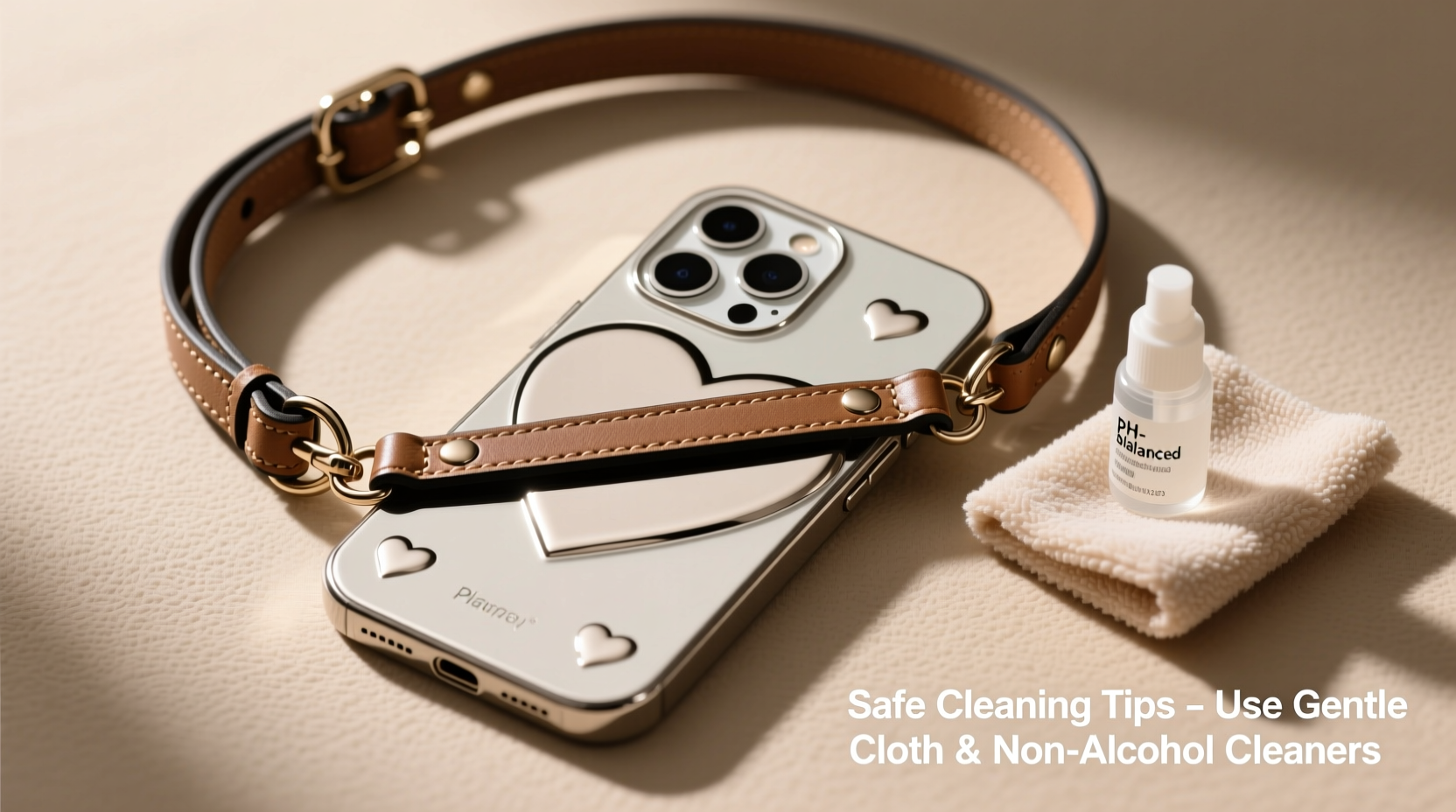
Before cleaning or storing your plated heart phone case, it's essential to understand its construction. Most models feature a base made from polycarbonate or silicone, overlaid with a thin layer of metal plating—often gold, rose gold, silver, or chrome. The heart-shaped exterior is typically smooth but prone to micro-scratches. The crossbody strap is commonly made from synthetic leather, nylon webbing, or fabric with a protective coating.
The plating process, while visually appealing, is not permanent. Exposure to moisture, oils, acids (like sweat), and abrasive surfaces accelerates degradation. Similarly, the strap endures constant friction against clothing and skin, which can lead to fraying or discoloration over time.
“Metal-plated accessories are high-risk for oxidation when exposed to humidity and body oils. Immediate wiping after use significantly reduces long-term damage.” — Dr. Lena Park, Materials Preservation Specialist
Step-by-Step Cleaning Routine
Cleaning your plated heart phone case should be a gentle, regular practice—not a deep scrub only when it looks dirty. Follow this weekly routine to preserve luster and structural integrity:
- Remove the phone and detach the strap (if possible): Always power down and remove your device first. If the strap connects via clips or screws, detach it for separate cleaning.
- Dust removal with a microfiber cloth: Gently wipe the entire surface, including crevices around the heart shape. Never use paper towels or rough fabrics—they create fine scratches that dull the finish.
- Spot-clean smudges with a damp cloth: Dampen a corner of the microfiber cloth with distilled water (not tap water, which contains minerals). Wipe oily fingerprints or dirt spots lightly. Avoid soaking the case.
- Tackle stubborn residue with isopropyl alcohol (70% or lower): Moisten a cotton swab with a small amount and gently dab affected areas. Do not rub vigorously. Rinse the area afterward with a water-dampened cloth if needed.
- Dry thoroughly: Use a dry section of the microfiber cloth to ensure no moisture remains, especially near seams or button cutouts.
- Clean the strap separately: For synthetic leather straps, use a soft cloth with a drop of mild soap diluted in water. For fabric straps, spot-treat stains with a gentle detergent. Air dry completely before reattaching.
Do’s and Don’ts: Maintaining Shine and Structure
To avoid common pitfalls, refer to this quick-reference table outlining best practices and frequent mistakes.
| Do’s | Don’ts |
|---|---|
| Wipe the case daily with a dry microfiber cloth after use | Use household cleaners like bleach, ammonia, or window spray |
| Store in a soft pouch when not in use | Leave the case in direct sunlight or hot environments (e.g., car dashboard) |
| Rotate between multiple cases to reduce wear | Place face-down on rough surfaces like concrete or gravel |
| Apply a jewelry protectant spray (non-stick type) occasionally to repel oils | Scrub with abrasive pads or brushes |
| Check strap attachments monthly for looseness | Machine-wash or dry the strap |
Real Example: How One User Extended Her Case’s Life by 8 Months
Sophia, a college student and frequent commuter, purchased a rose gold plated heart case in January. By March, she noticed faint tarnish forming along the edges and a slight loosening of the strap clasp. Instead of replacing it, she implemented a nightly care ritual: wiping the case with a microfiber cloth, storing it in a satin pouch, and inspecting the strap weekly.
She also began using a screen protector to minimize contact between her fingers and the case surface. After six months of consistent care, her case retained 90% of its original shine. In contrast, her roommate’s identical case—left in pockets, wiped only with tissues, and stored loosely in a backpack—showed visible scratches and flaking by May.
Sophia’s experience demonstrates that minor daily habits yield significant long-term benefits.
Storage and Environmental Protection Tips
Where and how you store your phone case when not in use plays a crucial role in longevity. Plated surfaces react poorly to humidity, heat, and air pollutants. Consider these storage guidelines:
- Use an anti-tarnish pouch: Small fabric bags lined with tarnish-inhibiting material (often used for silver jewelry) help block sulfur compounds that cause plating to darken.
- Avoid plastic bags: Sealed plastic traps moisture and promotes oxidation. If you must use one, include a silica gel packet.
- Keep away from cosmetics and perfumes: Aerosols and lotions contain chemicals that accelerate plating breakdown. Store the case separately from makeup bags.
- Lay flat or hang the strap: Prevent creasing by avoiding tight folds. Hang the case by its strap in a closet or lay it flat in a drawer.
Frequently Asked Questions
Can I use jewelry polishing cloths on my plated case?
Yes—but cautiously. Use only cloths labeled “for plated metals” or “tarnish-resistant.” Avoid aggressive polishing; light buffing is sufficient. Test on a small, hidden area first, as some cloths contain abrasives that may dull the finish.
Why is my case turning black at the edges?
This is likely oxidation caused by exposure to air, moisture, and skin oils. It’s more common in humid climates. Regular wiping and proper storage can slow this process. Once plating oxidizes deeply, it cannot be reversed without professional refinishing.
How often should I deep clean my case?
A light wipe daily and a thorough cleaning every 7–10 days is ideal. Deep cleaning (involving damp cloths or mild solutions) should occur no more than once every two weeks to avoid moisture buildup.
Maintenance Checklist
Stay proactive with this simple checklist. Print it or save it on your phone for easy reference:
- ☑ Wipe case with dry microfiber cloth daily
- ☑ Inspect strap for fraying or loose connections weekly
- ☑ Perform full cleaning (damp cloth + drying) every 7–10 days
- ☑ Check for plating chips or bubbles monthly
- ☑ Store in anti-tarnish pouch when not in use
- ☑ Avoid contact with perfume, lotion, and cleaning products
- ☑ Rotate cases if you own more than one
Final Thoughts: Care Is Confidence
Your plated heart phone case is more than just protection—it’s a personal statement. When maintained with attention and care, it continues to reflect your style and personality without compromise. The techniques outlined here aren’t time-consuming or costly; they’re about consistency and awareness. A few seconds each day can delay deterioration by months, saving money and reducing waste.
💬 Have a tip that saved your favorite case? Share your story in the comments and inspire others to care for their accessories with confidence and pride.








