
Black suede shoes are a timeless wardrobe staple—sophisticated, stylish, and versatile. But their soft, napped surface is highly susceptible to stains, water marks, and scuffing. Unlike smooth leather, suede demands specialized care. Improper cleaning can lead to irreversible damage: stiffened fibers, color fading, or permanent blotches. The key lies in understanding the material’s delicate nature and using precise, gentle techniques. With the right tools and approach, you can restore your black suede shoes to their original luster without compromising their integrity.
Understanding Suede: Why It Needs Special Care
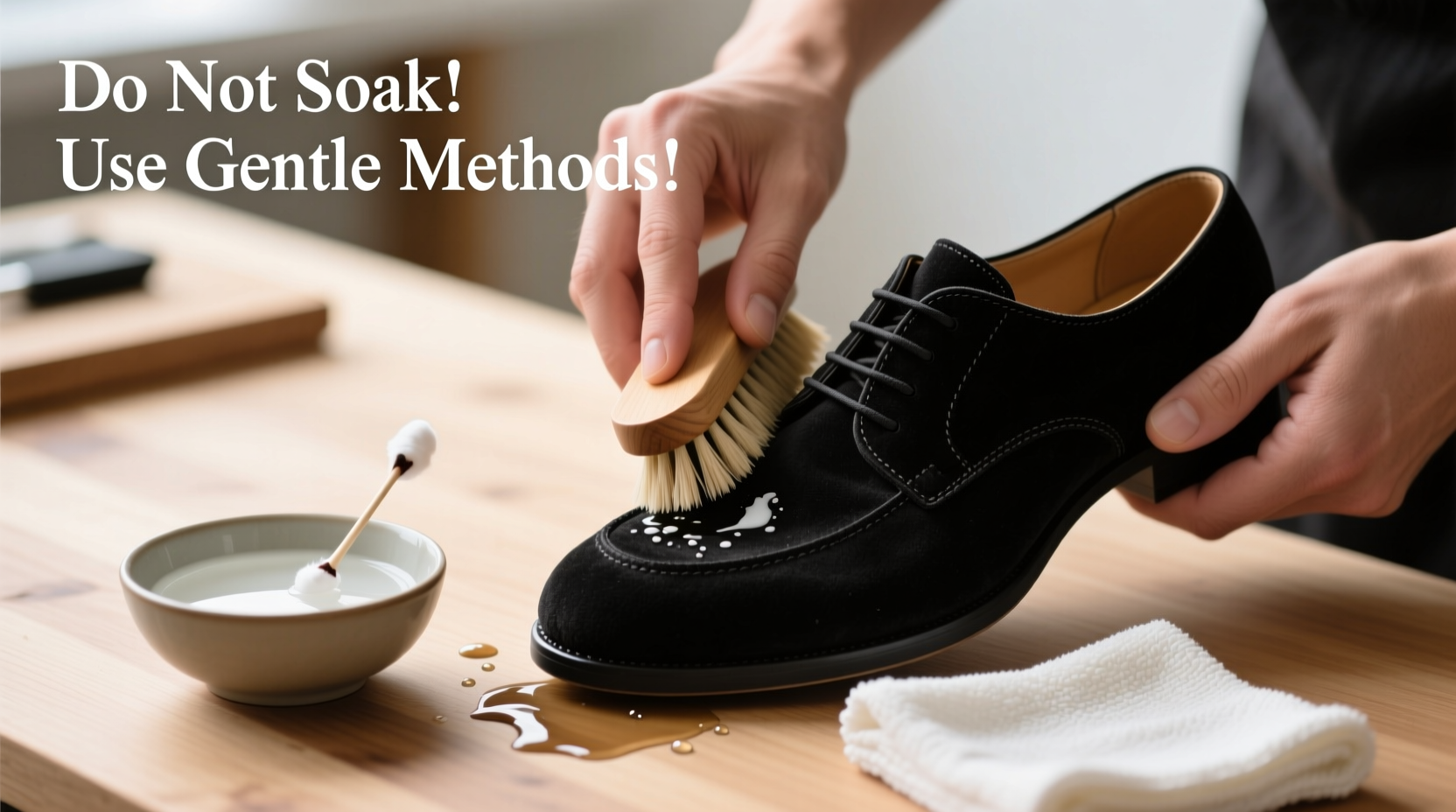
Suede is made from the underside of animal hides, typically lambskin, goatskin, or calfskin. This inner layer is buffed to create a soft, velvety texture. While this gives suede its luxurious feel, it also makes it porous and absorbent. Liquids, oils, and dirt penetrate quickly, and aggressive scrubbing can crush or misalign the nap—the fine fibers that give suede its signature look.
Water exposure is particularly problematic. When suede gets wet, it can develop dark spots or white residue as moisture evaporates unevenly. Additionally, heat sources like hairdryers or radiators cause the leather to dry too fast, leading to cracking. Cleaning must be done with materials designed specifically for suede to avoid these pitfalls.
“Suede isn’t just a fashion choice—it’s a material commitment. Treating it like regular leather will ruin it.” — Marcus Bell, Footwear Restoration Specialist
Essential Tools for Safe Suede Cleaning
Before attempting any cleaning, gather the proper tools. Using household items not meant for suede—like paper towels, dish soap, or vinegar—can do more harm than good. Invest in a dedicated suede care kit or purchase individual components:
- Suede brush (brass or nylon bristles): Loosens dirt and restores the nap.
- Suede eraser: Lifts surface stains and scuffs without abrasion.
- Suede comb: For deep-textured restoration after cleaning.
- White vinegar or isopropyl alcohol (70%): Mild solvents for spot treatment.
- Cotton cloths (lint-free): For controlled application of liquids.
- Suede protector spray: Creates a water- and stain-resistant barrier post-cleaning.
Step-by-Step Guide to Cleaning Black Suede Shoes
Cleaning black suede requires patience and precision. Rushing the process risks embedding dirt deeper or damaging the fibers. Follow this timeline-based method for optimal results:
- Remove laces and loosen dirt (5 minutes): Take out the shoelaces to access all areas. Use a dry suede brush to gently sweep in one direction across the entire shoe. This removes loose dust and debris.
- Use a suede eraser on stains (10–15 minutes): Rub the eraser over scuffed or soiled areas using short, firm strokes. Focus on oil marks, salt stains, or scuff lines. Brush lightly afterward to lift loosened particles.
- Treat stubborn spots (10 minutes): Dampen a cotton cloth with white vinegar or rubbing alcohol. Blot—not rub—the affected area. Allow to air dry completely (minimum 30 minutes), then brush again to revive the nap.
- Restore the nap (5 minutes): Once dry, use a suede brush or comb to realign the fibers. Brush in a single direction to avoid fraying.
- Apply protective spray (15 minutes, including drying time): In a well-ventilated area, hold the suede protector 6–8 inches away and apply an even coat. Let dry for at least one hour before wearing.
When Not to Use Liquid Cleaners
Liquid treatments should only be used when dry methods fail. Over-wetting causes fiber collapse and dye migration, especially in black suede where uneven drying can leave grayish patches. If the shoe has been exposed to rain or spills, blot immediately with a dry cloth and let it air dry naturally—never near direct heat.
Do’s and Don’ts of Suede Shoe Maintenance
| Do’s | Don’ts |
|---|---|
| Brush regularly to prevent dirt buildup | Use water freely or soak the material |
| Store in breathable fabric bags | Store in plastic, which traps moisture |
| Apply protector spray monthly | Wear in heavy rain or snow without protection |
| Clean minor stains promptly | Ignore stains—they set over time |
| Rotate wear to allow rest and recovery | Wear the same pair daily without airing out |
Real Example: Reviving a Stained Pair After Winter Wear
Jamal, a graphic designer in Chicago, wore his favorite black suede chukkas through a damp winter season. By March, they were marred with salt stains and muddy smudges. He tried wiping them with a damp cloth, which only spread the grime and left white streaks. Discouraged, he nearly discarded them—until he consulted a cobbler.
The cobbler recommended a three-step rescue: first, brushing with a brass-tipped suede brush; second, using a gum-style suede eraser on salt lines; third, spot-treating mud residues with a vinegar-dampened cloth. After 45 minutes of careful work and a fresh coat of protector spray, the shoes regained their depth and softness. Jamal now cleans them every two weeks and sprays them before each winter outing. “They look better than new,” he said. “I just needed the right method.”
Frequently Asked Questions
Can I use a regular eraser instead of a suede eraser?
No. Standard pencil erasers leave rubber residue and aren’t formulated for textiles. Suede erasers are made from specialized rubber compounds that lift dirt without smearing or damaging the nap.
How often should I clean my black suede shoes?
Light brushing should be done weekly if worn regularly. Deep cleaning—using erasers or spot treatments—is only necessary when visible stains appear, typically every 4–6 weeks depending on use. Over-cleaning can wear down fibers prematurely.
Is it safe to use a steam cleaner on suede?
Absolutely not. Steam introduces excessive moisture and heat, both of which destroy suede’s structure. Stick to dry or minimally damp methods only.
Expert Insight: Long-Term Suede Preservation
Maintaining black suede isn’t just about cleaning—it’s about prevention. Regular maintenance extends the life of the material far more effectively than periodic deep cleans.
“The best suede care happens before the stain appears. A monthly brush and bi-monthly spray can prevent 90% of common issues.” — Lena Torres, Master Cobbler & Textile Conservator
Consider investing in shoe trees made of cedar or breathable foam to help retain shape and absorb internal moisture. Also, keep a travel-sized suede brush in your bag for quick touch-ups after unexpected exposure to dust or light rain.
Conclusion: Treat Suede Like the Delicate Luxury It Is
Black suede shoes elevate any outfit, but their beauty comes with responsibility. They require thoughtful handling, the right tools, and consistent care. By mastering gentle cleaning techniques and avoiding common mistakes, you preserve not just appearance but structural integrity. Each step—from brushing to protecting—adds months, even years, to your footwear’s lifespan.
💬 Have a suede success story or a tough stain you conquered? Share your experience in the comments—your insight could help others save their favorite pair!








