New leather shoes often come with a promise of elegance, strength, and longevity—but they also arrive with a common drawback: stiffness. That rigid feel may look sharp, but it can lead to blisters, pressure points, and discomfort during early wear. The good news is that leather is a responsive, organic material that can be gently conditioned and broken in to conform to your foot’s shape. With the right approach, you can accelerate the softening process while preserving the integrity and lifespan of your footwear.
The goal isn’t just comfort—it’s intelligent conditioning. Rushing the process with heat or moisture overload can crack leather or distort its structure. Done correctly, softening enhances flexibility, improves fit, and extends the usable life of your shoes. Whether you're breaking in dress oxfords, work boots, or casual loafers, these proven techniques balance speed and care.
Understanding Leather and Its Response to Conditioning
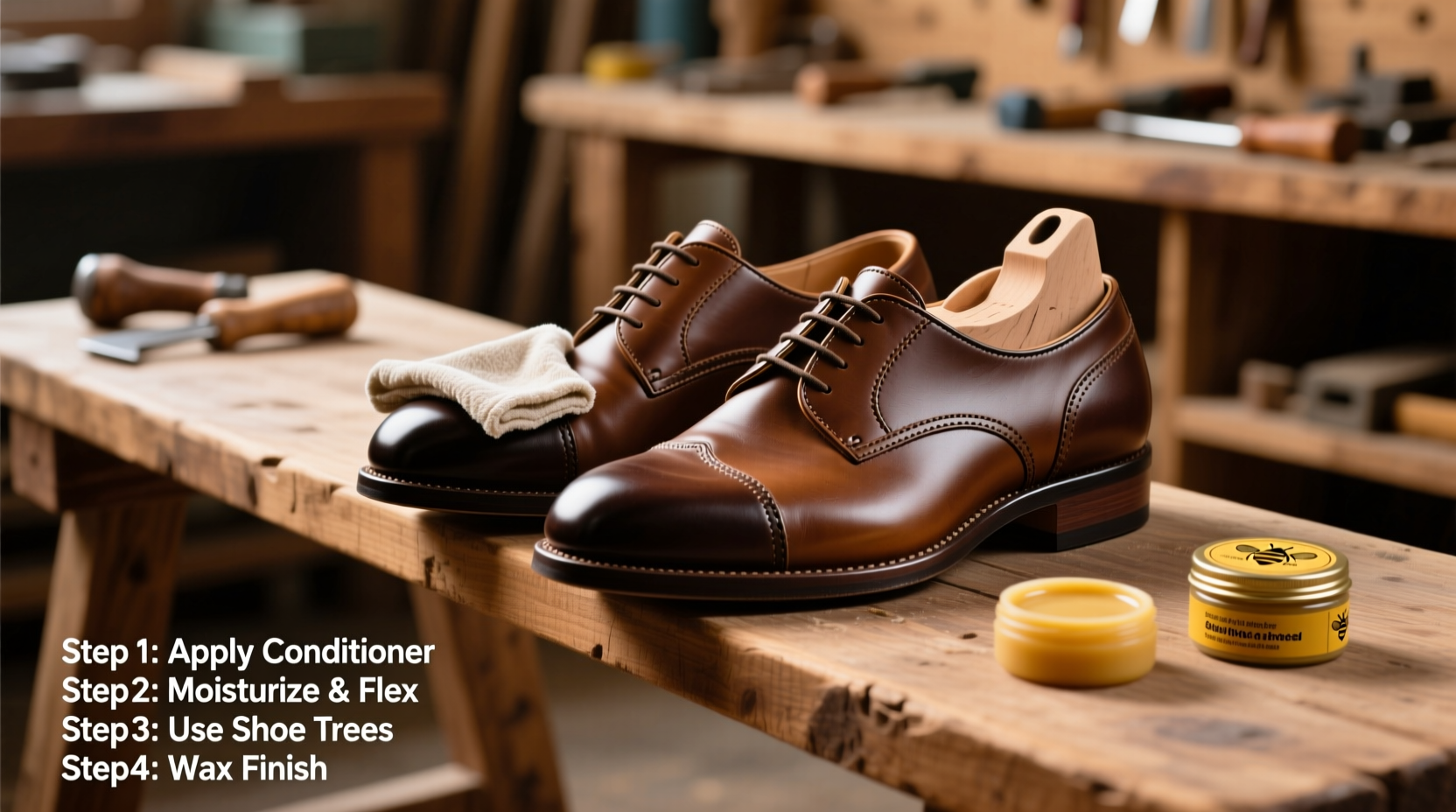
Leather is made from tanned animal hide, most commonly cowhide, calfskin, or goatskin. During manufacturing, it undergoes stretching, shaping, and drying—processes that tighten its fibers. New shoes retain this tension, especially in high-flex zones like the vamp (toe box) and heel counter. Softening involves reintroducing moisture and oils to relax the fibers, allowing them to move more freely.
Different types of leather respond differently:
- Full-grain leather – Durable and breathable; softens gradually with consistent wear and proper care.
- Top-grain leather – Slightly thinner and more processed; responds faster to conditioners but requires moderation.
- Suede and nubuck – Have a brushed surface; require specialized products to avoid staining or matting.
Regardless of type, all leather benefits from gradual conditioning. Aggressive methods like soaking or using hair dryers can cause irreversible damage—warping, cracking, or shrinking.
“Leather remembers how it’s treated. Gentle, consistent softening builds long-term suppleness. Forceful methods create weak spots.” — Daniel Reyes, Master Shoemaker & Restoration Specialist
Step-by-Step Guide to Safely Soften New Leather Shoes
Follow this seven-step process to break in your shoes effectively and safely over 5–10 days, depending on initial stiffness.
- Clean the surface: Wipe shoes with a dry microfiber cloth to remove dust. For polished leathers, use a damp cloth followed by immediate drying.
- Apply leather conditioner: Use a small amount of pH-balanced conditioner (like Lexol or Bick 4). Massage into crease-prone areas: toe box, heel collar, and sides.
- Stuff with shoe trees or rolled towels: Insert cedar shoe trees or clean cotton towels to maintain shape while fibers loosen.
- Wear indoors with thick socks: Put on wool or athletic socks and walk around for 30–60 minutes. Focus on bending the shoe at natural flex points.
- Repeat conditioning every 2–3 days: Reapply conditioner only after the previous layer has absorbed (usually 12–24 hours).
- Avoid wet environments: Keep shoes away from rain or excessive humidity during the break-in phase.
- Polish after softening: Once comfortable, apply cream polish to restore color and add a protective layer.
Effective Home Methods and What to Avoid
Many home remedies circulate online, but not all are safe. Below is a comparison of popular techniques based on efficacy and risk level.
| Method | Effectiveness | Risk Level | Notes |
|---|---|---|---|
| Leather conditioner + wear | High | Low | Best for gradual, even softening. Ideal for daily wear shoes. |
| Shoe stretch sprays | Moderate | Medium | Contains alcohol; use sparingly. Good for tight heel collars. |
| Wearing with wet socks | Moderate | High | Moisture helps mold leather, but over-wetting risks glue separation. |
| Hair dryer + wear | Low | High | Heat can dry out leather and weaken stitching. Not recommended. |
| Freezing water bag method | Low-Moderate | Medium | Place sealed bag of water in shoe, freeze. Ice expands, gently stretches. Works best for localized tightness. |
Among these, the safest and most reliable combination remains regular conditioning paired with controlled indoor wear. Heat-based tricks may offer quick relief but compromise long-term durability.
Real-World Example: Breaking in Work Boots
Carlos, a landscape supervisor, purchased a new pair of full-grain leather work boots for job site use. On day one, he experienced heel rub and midfoot tightness. Instead of wearing them straight into a 10-hour shift, he followed a structured softening plan:
- Days 1–2: Applied mink oil to high-pressure zones, stuffed with cedar trees overnight.
- Days 3–4: Wore indoors with thick hiking socks for 45 minutes daily, focusing on stair climbing and squatting to flex the soles.
- Day 5: Took a short walk outside (under 2 miles), then reapplied conditioner.
- Day 7: Wore for half a workday with gel insoles for added cushioning.
By day 10, the boots had conformed to his foot shape, eliminating hot spots. After three months, they remained crack-free and required only monthly conditioning. His patience saved him from injury and premature wear.
Essential Softening Checklist
Use this checklist to ensure you’re softening your leather shoes correctly and safely:
- ☐ Clean shoes before applying any product
- ☐ Use a leather-specific conditioner (not coconut oil or Vaseline)
- ☐ Condition every 2–3 days during break-in phase
- ☐ Wear indoors with thick socks for short sessions (30–60 mins)
- ☐ Use shoe trees or stuffing to maintain shape
- ☐ Avoid exposure to rain or extreme heat
- ☐ Monitor for signs of over-softening (wrinkling, sagging)
- ☐ Polish after break-in to protect and enhance appearance
Frequently Asked Questions
How long does it take to soften new leather shoes?
Most shoes become comfortable within 5 to 10 days of consistent indoor wear and conditioning. Full-grain leather may take up to two weeks. Heavy-duty boots can require several weeks of regular use to fully conform.
Can I speed up the process without damaging the leather?
You can slightly accelerate softening using a shoe stretch spray in targeted areas or the frozen water bag trick for tight spots. However, there is no truly “fast” safe method. Patience yields better results and longer shoe life.
Is it okay to wear new leather shoes on a long walk right away?
No. Doing so risks blisters, joint strain, and structural damage to the shoe. Always break in new leather footwear gradually, starting with short indoor walks before progressing to extended outdoor use.
Conclusion: Invest Time Now, Gain Comfort for Years
Softening new leather shoes isn’t about shortcuts—it’s about smart care. Each application of conditioner, each mindful step taken during break-in, contributes to a shoe that doesn’t just fit your foot, but supports it. Proper softening preserves the material’s resilience, prevents premature aging, and transforms stiff footwear into trusted companions for years to come.
Whether you’re investing in handcrafted oxfords or rugged service boots, treat the break-in period as part of the ownership experience. Your feet—and your shoes—will thank you.
💬 Have a favorite leather-softening trick that worked for you? Share your experience in the comments and help others find comfort without compromise.








