Printed leather adds a distinctive flair to any chest bag, combining the durability of genuine leather with artistic patterns or logos. However, this decorative finish is more delicate than plain leather and requires specialized attention. Exposure to sunlight, moisture, friction, and improper cleaning can cause fading, cracking, or peeling of the print. Without proper maintenance, even high-end bags lose their appeal within months. Understanding how to care for printed leather ensures your accessory remains both functional and stylish for years.
Understanding Printed Leather: What Makes It Different?
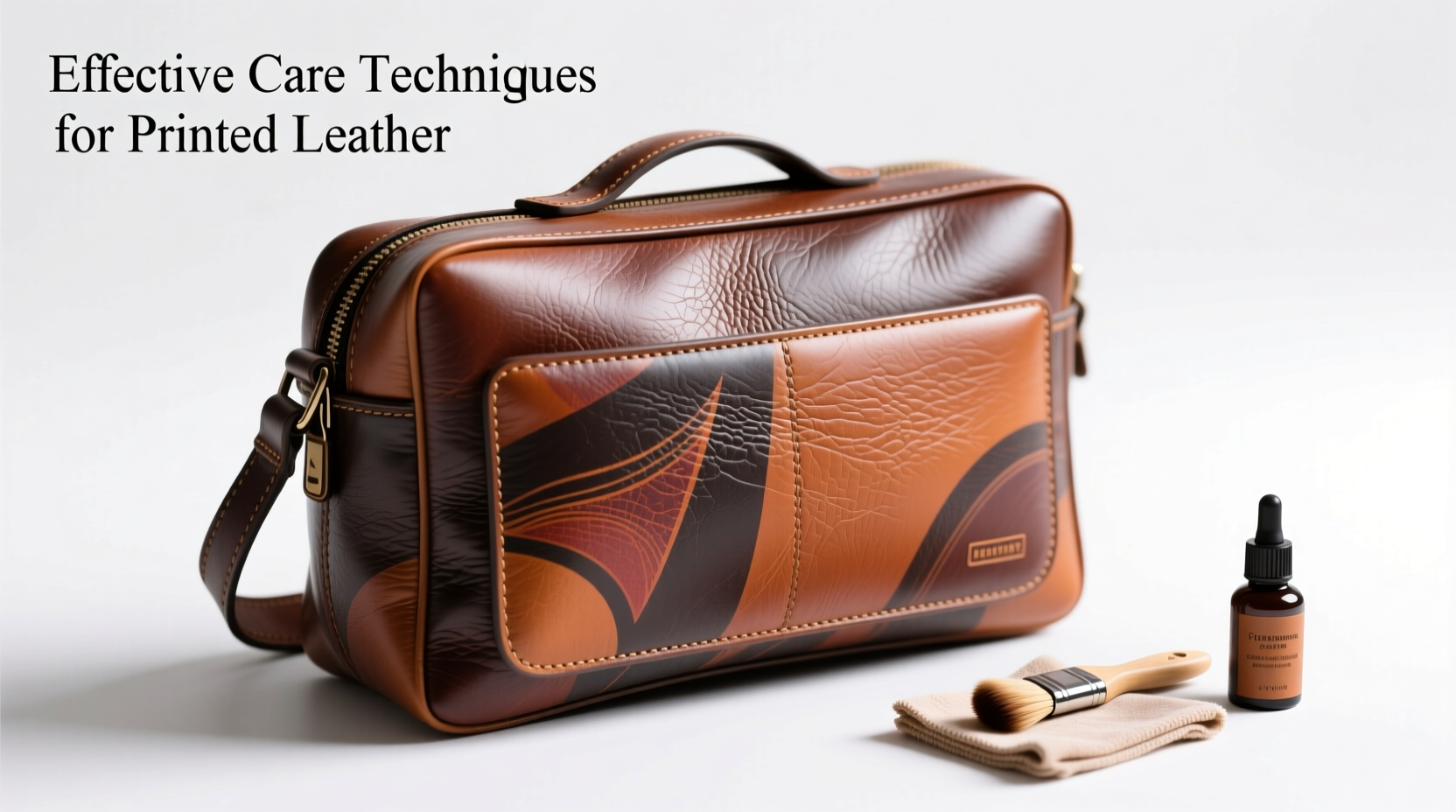
Printed leather undergoes a process where designs, textures, or finishes are applied to the surface using heat transfer, screen printing, or embossing techniques. Unlike full-grain or corrected-grain leather, which derive their appearance from natural or refined hide characteristics, printed leather relies on an outer layer that may be more vulnerable to wear. This topcoat often contains pigments, polymers, or dyes bonded to the leather’s surface, making it susceptible to chemical damage and abrasion.
The structural integrity of the underlying leather remains strong, but the visual element—the print—is what sets these bags apart. Once compromised, restoration is difficult and often costly. Therefore, preventive care is far more effective than attempting repairs after damage occurs.
“Printed leather combines fashion with function, but its beauty depends on consistent, gentle maintenance.” — Marcus Lin, Luxury Accessory Conservator at The Hide Studio
Daily Maintenance: Simple Habits That Make a Difference
Preserving printed leather begins with everyday habits. How you handle, store, and interact with your chest bag directly influences the lifespan of the print. Incorporating small routines into your lifestyle prevents cumulative damage.
- Avoid overloading: Excessive weight stretches the leather, creating micro-tears in the printed layer, especially along seams and corners.
- Keep hands clean: Oils, lotions, and dirt from your skin transfer onto the bag with frequent handling, dulling the print over time.
- Rotate usage: Using the same bag daily accelerates wear. Rotating between two or more bags allows each time to rest and recover shape and tension.
- Shield from rain: Even water-resistant coatings aren’t foolproof. Prolonged exposure to moisture causes swelling beneath the print, leading to bubbling or delamination.
Step-by-Step Cleaning Process for Printed Leather
Cleaning printed leather demands precision. Harsh scrubbing or inappropriate products strip the finish and fade colors. Follow this six-step method monthly or whenever visible soiling appears.
- Empty the bag completely and shake out debris. Use a soft brush or lint roller inside compartments to remove loose particles.
- Dampen a microfiber cloth with distilled water only—never spray directly onto the bag.
- Gently wipe the surface in one direction, avoiding circular motions that may abrade the print.
- For stubborn marks, apply a drop of pH-balanced leather cleaner (specifically labeled safe for printed or finished leathers) to the cloth, not the bag.
- Allow to air-dry naturally away from heaters, vents, or direct sunlight. Do not use hairdryers or fans.
- Once dry, lightly buff with a clean, dry microfiber cloth to restore sheen.
Never use alcohol-based wipes, acetone, vinegar, or household cleaners. These dissolve binders in the print and permanently damage the design.
Do’s and Don’ts: A Quick Reference Table
| Do’s | Don’ts |
|---|---|
| Use a soft microfiber cloth for cleaning | Use paper towels or rough fabrics that scratch the surface |
| Store in a breathable cotton dust bag | Store in plastic bags that trap moisture |
| Clean spills immediately with a dry cloth | Rub aggressively at stains |
| Condition every 3–4 months with a product designed for finished leather | Apply heavy oils or silicone-based polishes |
| Keep away from direct sunlight and heat sources | Leave in car interiors or near radiators |
Real-World Example: How Neglect Damaged a Designer Chest Bag
James, a graphic designer based in Portland, purchased a limited-edition printed leather chest bag featuring a hand-painted mountain motif. He used it daily for commuting and stored it on a shelf near his apartment window. Within eight months, the vibrant blues and greens began to fade, particularly on the side exposed to morning sun. One corner developed a small crack after he wiped it with a disinfectant wipe during travel season. By the one-year mark, the print had lifted slightly at the base, revealing the tan underlayer of leather.
He consulted a leather restoration specialist who confirmed that UV exposure and chemical contact were the primary culprits. While minor touch-ups were possible, full restoration would cost nearly half the original price. James now rotates his bags, uses a UV-protective spray formulated for leather, and stores them in lined fabric pouches—habits he wishes he’d adopted earlier.
Long-Term Preservation Strategies
To maximize the life of your printed leather chest bag, integrate long-term strategies beyond routine cleaning.
Climate control matters. Ideal storage conditions include temperatures between 60–75°F (15–24°C) and humidity levels around 40–50%. Extremely dry air causes leather to stiffen; excessive moisture encourages mold growth beneath the print.
Use stuffing to maintain shape. When not in use, fill the bag with acid-free tissue paper or a soft cloth to prevent creasing. Avoid newspaper, as ink can transfer onto light-colored interiors or edges.
Apply protective sprays sparingly. Select a silicone-free, UV-blocking protector designed for finished leathers. Test on an inconspicuous area first. Reapply every 2–3 months, especially if used outdoors frequently.
Tip: Never condition printed leather with standard leather oils—they can seep under the print and cause blurring or lifting.Frequently Asked Questions
Can I repair a peeled print at home?
Minor edge lifting might be stabilized with a tiny amount of pH-neutral adhesive applied by a professional. DIY attempts often worsen the damage. For significant peeling, consult a leather conservator. Complete reprinting is possible but expensive and may alter the original texture.
How often should I deep clean my printed leather bag?
Deep cleaning is recommended every 3–4 months for regular users. Occasional users can extend this to twice a year. Always follow up with conditioning to prevent drying.
Is it safe to use a magic eraser on scuff marks?
No. Magic erasers contain melamine foam, which acts like fine sandpaper. While effective on some surfaces, they remove layers of finish and are too abrasive for printed leather.
Essential Care Checklist
Stay proactive with this printable-style checklist to keep your chest bag in peak condition:
- ✅ Wipe down after each use with a dry microfiber cloth
- ✅ Store in a breathable dust bag when not in use
- ✅ Keep away from direct sunlight and heat sources
- ✅ Clean spills immediately with a dry or slightly damp cloth
- ✅ Condition with a printed-leather-safe product every 3–4 months
- ✅ Apply UV-protective spray every 2–3 months
- ✅ Rotate bag usage to reduce strain and wear
- ✅ Inspect monthly for early signs of cracking or lifting
Final Thoughts: Protect Your Investment with Intentional Care
Your printed leather chest bag is more than an accessory—it reflects personal style and often represents a meaningful investment. With thoughtful handling and disciplined maintenance, the intricate designs that drew you to it can remain vivid and intact for years. The key lies in consistency: small actions performed regularly outweigh dramatic interventions done too late. Whether you own one statement piece or a curated collection, treating each item with respect extends not only its life but also your enjoyment of it.
💬 Have a tip or experience with caring for printed leather? Share your story in the comments and help others preserve their favorite bags with confidence.








