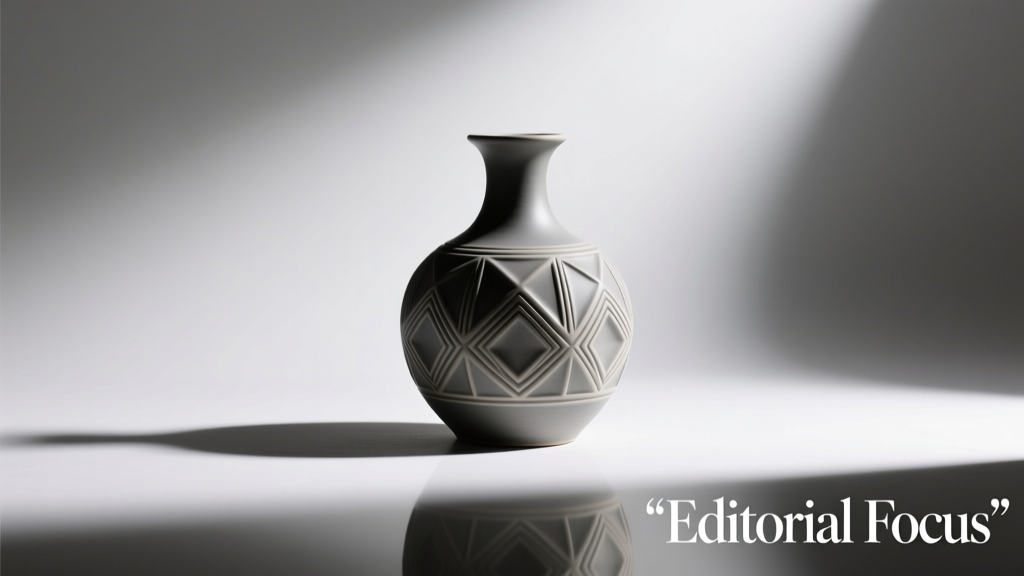
Types of Darkness Bronze Sculptures
Bronze sculptures have been a cornerstone of artistic expression for centuries, revered for their durability, elegance, and rich visual depth. Darkness bronze sculptures, in particular, are distinguished by their deep, oxidized patina that enhances shadows and contours, creating a dramatic, timeless aesthetic. These works vary widely in form and function, shaped by artistic intent, technique, and context. Below is a comprehensive overview of the main types of darkness bronze sculptures, each offering unique visual and emotional impact.
Figurative Sculptures
These sculptures depict recognizable subjects such as humans, animals, or mythological beings, often rendered with expressive detail. Artists frequently use a combination of dark patina and selective polishing to accentuate facial features, musculature, or dynamic poses, bringing the subject to life with depth and emotion.
Advantages
- Highly expressive and emotionally engaging
- Accessible to a broad audience due to recognizable forms
- Excellent for storytelling and narrative art
- Can be customized for commemorative or portrait purposes
Limitations
- Requires high skill in anatomy and proportion
- More time-consuming to create
- Limited abstraction may restrict artistic experimentation
Best for: Public monuments, garden art, commemorative pieces, and classical or narrative installations
Abstract Sculptures
Abstract darkness bronze sculptures prioritize emotion, movement, and conceptual ideas over literal representation. Through fluid lines, geometric forms, or fragmented shapes, these works invite viewers to interpret meaning based on personal experience and perception.
Advantages
- Encourages viewer interpretation and engagement
- Offers creative freedom and innovation
- Ideal for modern and minimalist interiors
- Can symbolize complex ideas like transformation or balance
Limitations
- May be less accessible to viewers unfamiliar with abstract art
- Can be misinterpreted or seen as ambiguous
- Requires careful placement to maximize impact
Best for: Contemporary galleries, corporate lobbies, modern homes, and public art installations
Relief Sculptures
These are partially three-dimensional works attached to a flat background, commonly found on walls, plaques, or architectural facades. Low relief (bas-relief) features subtle projections, while high relief (haut-relief) extends significantly from the surface—sometimes nearly fully detached.
Advantages
- Space-efficient and ideal for wall display
- Can incorporate intricate detail and text
- Perfect for commemorative or historical storytelling
- Blends art with architecture seamlessly
Limitations
- Viewing angle affects perception of depth
- Less immersive than freestanding sculptures
- Requires a stable mounting surface
Best for: Building exteriors, memorials, museum displays, and interior accent walls
Functional Sculptures
These pieces merge artistic beauty with practical utility. Examples include bronze candle holders, vases, bookends, clocks, and furniture accents. The dark bronze finish adds sophistication while maintaining everyday usability.
Advantages
- Combines artistry with daily function
- Enhances interior decor with tactile elegance
- Durable and long-lasting due to bronze’s resilience
- Unique alternative to mass-produced decor
Limitations
- May be more expensive than standard functional items
- Limited scalability for mass production
- Requires care to maintain patina and finish
Best for: Luxury interiors, gift items, boutique design, and artisan collections
Portrait Busts
Traditionally crafted to honor individuals, these sculptures depict the head and upper shoulders, capturing likeness and personality. Modern interpretations often incorporate stylization or abstraction, using the dark bronze patina to emphasize light and shadow on facial features.
Advantages
- Powerful way to commemorate individuals
- Focuses on facial expression and character
- Historically significant and timeless
- Can be personalized with inscriptions or bases
Limitations
- Requires a skilled sculptor for accurate likeness
- Less dynamic than full-body sculptures
- May require reference materials (photos, live models)
Best for: Memorials, academic institutions, family heirlooms, and historical exhibitions
Outdoor Installations
Large-scale darkness bronze sculptures designed for exterior environments are built to withstand weather while making a bold visual statement. The dark patina not only enhances aesthetic depth but also offers natural corrosion resistance, making it ideal for parks, plazas, and memorials.
Advantages
- Highly durable and weather-resistant
- Creates strong focal points in public spaces
- Develops a unique aging character over time
- Can be illuminated for dramatic nighttime effects
Limitations
- Expensive to produce and install
- Requires secure anchoring and maintenance
- May attract vandalism in public areas
Best for: Public parks, city squares, university campuses, and memorial sites
| Type | Primary Focus | Best Setting | Durability | Artistic Freedom |
|---|---|---|---|---|
| Figurative | Realistic representation | Indoor & outdoor | High | Moderate |
| Abstract | Emotion & concept | Modern interiors, galleries | High | Very High |
| Relief | Wall-based storytelling | Architectural spaces | High | Moderate |
| Functional | Utility + beauty | Home & office interiors | Medium-High | Moderate |
| Portrait Busts | Individual likeness | Memorials, institutions | High | Low-Moderate |
| Outdoor Installations | Public impact | Open public spaces | Very High | High |
Expert Tip: When selecting a darkness bronze sculpture for outdoor use, ensure it has been treated with a protective wax or lacquer coating to preserve the patina and prevent excessive oxidation, especially in humid or coastal environments.
Designs in Darkness: The Art of Bronze Sculpture
Bronze, particularly in its darker patina, has long been revered as a timeless medium for sculptural expression. Its rich, deep tones and enduring strength offer artists a powerful canvas to explore form, emotion, and narrative. The interplay of shadow and texture in dark bronze enhances depth and drama, making it ideal for conveying both subtlety and intensity. Below is a comprehensive exploration of the primary design categories found in dark bronze sculptures, classified by shape, style, and thematic intent.
Geometric Shapes
Geometric bronze sculptures emphasize precision, symmetry, and the elegance of mathematical form. These designs rely on clean lines, sharp angles, and balanced proportions to create a sense of order and modernity. Artists often manipulate rigid shapes—such as cubes, spheres, pyramids, and interlocking polygons—to challenge perceptions of space and structure.
In dark bronze, geometric forms gain a striking visual weight, with shadows accentuating edges and planes. This contrast enhances the three-dimensionality of the piece, transforming abstract concepts into tangible, contemplative art. These sculptures are especially favored in architectural spaces, corporate lobbies, and contemporary galleries, where they symbolize innovation, logic, and structural harmony.
Organic Forms
Organic designs draw profound inspiration from the natural world, capturing the fluidity and unpredictability of living forms. Artists sculpt undulating curves, asymmetrical silhouettes, and biomorphic shapes that echo the growth patterns of plants, the movement of animals, or the contours of the human body.
Dark bronze enhances the organic aesthetic by mimicking the earthy textures of bark, stone, or weathered skin. The material’s ability to hold fine detail allows for realistic rendering of feathers, leaves, or musculature, while its weight gives a sense of permanence to transient natural themes. These pieces often evoke serenity, vitality, or the cyclical nature of life, making them ideal for gardens, healing spaces, and nature-inspired interiors.
Representational Designs
Representational bronze sculptures aim to depict recognizable subjects with a high degree of realism. These include lifelike portrayals of human figures, animals, mythological beings, or historical scenes. Mastery in anatomy, proportion, and gesture is essential, as even minor inaccuracies can disrupt the illusion of life.
Dark bronze lends a dignified, almost timeless quality to representational works. The deep patina can suggest age, gravitas, or mystery, enhancing the emotional resonance of the subject. Whether capturing a warrior in motion, a serene deity, or a grazing deer, these sculptures serve as enduring tributes to beauty, strength, and storytelling. They are particularly cherished in public monuments, museums, and private collections with a focus on classical or narrative art.
Functional Art
Functional bronze art seamlessly blends aesthetic excellence with practical utility. These sculptures are not merely decorative—they serve a purpose. Examples include intricately cast candleholders, sculptural vases, ornate furniture fittings, door knockers, and lighting fixtures.
Despite their utility, these pieces are crafted with the same artistic rigor as standalone sculptures. The dark bronze finish adds a touch of sophistication and warmth, transforming everyday objects into heirloom-quality art. This genre appeals to those who value craftsmanship and seek to integrate beauty into daily life, blurring the line between art and function.
Textured Surfaces
Surface texture plays a pivotal role in defining the character and emotional impact of a bronze sculpture. Artists employ a variety of techniques—hammering, chasing, sanding, or chemical treatments—to create surfaces that are rough, smooth, pitted, or intricately patterned.
In dark bronze, texture becomes even more pronounced. Light interacts dynamically with the surface, casting micro-shadows that shift with the viewer’s perspective. A rough, matte finish may convey rawness or antiquity, while a polished texture can suggest refinement or fluidity. These tactile qualities invite closer inspection and physical engagement, enriching the sensory experience of the artwork.
Symbolic and Narrative Elements
Many dark bronze sculptures incorporate symbolic motifs or tell complex stories drawn from cultural, spiritual, or personal realms. These works may feature allegorical figures, mythological scenes, religious iconography, or abstract representations of concepts like time, transformation, or duality.
The enduring nature of bronze makes it an ideal medium for conveying timeless themes. The dark patina often enhances the symbolic weight—evoking mystery, introspection, or the passage of time. Artists use composition, gesture, and detail to guide the viewer through a narrative journey, making these pieces deeply meaningful and open to interpretation. They are frequently found in memorials, spiritual spaces, and collections focused on philosophical or cultural expression.
| Design Type | Key Characteristics | Common Applications |
|---|---|---|
| Geometric Shapes | Symmetry, clean lines, abstract forms, modern aesthetic | Corporate spaces, contemporary galleries, architectural installations |
| Organic Forms | Curvilinear shapes, natural inspiration, fluid movement | Gardens, wellness centers, residential interiors |
| Representational Designs | Realism, anatomical accuracy, narrative focus | Monuments, museums, private collections |
| Functional Art | Artistic utility, craftsmanship, dual purpose | Home decor, luxury furnishings, ceremonial objects |
| Textured Surfaces | Tactile variation, light interaction, surface detail | Interactive art, exhibitions, sensory installations |
| Symbolic & Narrative | Allegory, cultural themes, storytelling elements | Memorials, spiritual spaces, public art |
Note: The dark patina of bronze is not merely a finish—it is an integral part of the artistic expression. Over time, bronze may develop a natural oxidation layer (verdigris), which some artists preserve intentionally. Proper care, including periodic waxing and protection from harsh environments, helps maintain the intended appearance and longevity of the sculpture.
How to DIY a Dark Bronze Sculpture
Creating your own dark bronze sculpture through DIY methods is a rewarding and accessible art form for both beginners and experienced artists. While bronze sculpture may seem like a craft reserved for professionals, with the right materials, tools, and step-by-step process, you can produce stunning, museum-quality pieces from your home studio. This comprehensive guide walks you through every stage of the process, from initial concept to final patina, ensuring a successful and satisfying sculpting experience.
Pro Tip: Start with small-scale projects to master techniques before attempting larger, more complex sculptures. Practice makes perfect in bronze casting.
Select a Design
The foundation of any great sculpture begins with a clear, well-thought-out design. Whether you're drawn to abstract forms, nature-inspired motifs, human figures, or functional art like bookends or door knockers, your concept will guide every subsequent decision.
- Begin with detailed sketches from multiple angles to visualize the final piece
- Gather reference photos or 3D models if sculpting realistic subjects like animals or people
- Consider the sculpture’s intended environment—indoor display, outdoor garden, or commercial space
- Sketch out the silhouette and negative space to ensure visual balance
Creative insight: Many artists find inspiration in mythology, nature, or personal experiences—keep a sketchbook for spontaneous ideas.
Create a Maquette
A maquette is a small-scale preliminary model of your sculpture, typically crafted at 1/5 to 1/10 the intended size. This crucial step allows you to experiment with proportions, posture, and composition without committing expensive materials.
- Use oil-based clay or polymer wax, which remain workable and don’t dry out
- Build an armature (wire frame) to support the structure and maintain balance
- Refine details like facial features, textures, or folds in fabric at this stage
- Photograph the maquette from all angles for reference during full-scale sculpting
Key benefit: Maquettes help identify design flaws early, saving time and materials in the long run.
Select the Materials
True dark bronze is an alloy primarily composed of copper (88%) and tin (12%), with optional additions of lead, zinc, or nickel to modify color, hardness, and casting behavior. The specific blend affects both the final appearance and workability.
- For lost-wax casting: Use investment-grade wax to create the original model
- For direct sculpting: Oil-based modeling clay works best for detailed work
- Bronze ingots: Choose high-quality, clean bronze from reputable suppliers
- Patinas: Liver of sulfur, ferric nitrate, and cupric nitrate create rich dark finishes
Safety note: Always handle metal casting materials in a well-ventilated area with proper PPE (gloves, goggles, respirator).
Sculpt the Original Piece
This is where your artistic vision takes physical form. Whether working in clay for a mold or shaping wax for direct casting, precision and patience are essential.
- Start with broad forms and gradually add fine details using sculpting tools
- Smooth surfaces with water, alcohol, or specialized clay softeners
- For wax models, use heated tools to blend seams and refine textures
- Ensure all undercuts are manageable for mold release
Expert tip: Rotate your work frequently to maintain symmetry and proportion from all viewing angles.
Create a Mold
The mold captures every detail of your original sculpture and is critical for successful casting. Two primary methods are used in DIY bronze work: silicone rubber molds for reusable setups, and investment (plaster-ceramic) molds for lost-wax casting.
- Silicone molds: Ideal for multiple castings; flexible and captures fine detail
- Investment molds: Made in layers—first a detailed inner coating, then a sturdy outer shell
- Always include sprues and vents in the mold design to allow air escape during pouring
- Let molds cure completely to prevent cracking under high heat
Technical insight: The "dewaxing" process involves heating the mold to melt out the wax, leaving a perfect cavity for molten bronze.
Pour the Bronze
Casting molten bronze is the most dramatic and technically demanding phase. It requires careful preparation, safety precautions, and precise timing.
- Use a crucible furnace to heat bronze to approximately 1,900°F (1,038°C)
- Pre-heat the mold to around 600–800°F to prevent thermal shock
- Pour steadily and continuously to avoid air pockets and incomplete fills
- Allow the bronze to cool slowly to minimize internal stress and cracking
Safety first: Never pour alone—have a helper present in case of emergency. Wear full protective gear including face shield and fire-resistant clothing.
Finishing Touches
After casting, your sculpture will need extensive finishing to achieve a professional appearance. This stage transforms a raw casting into a refined artwork.
- Remove the investment material or mold carefully with gentle pressure and brushing
- Cut off sprues and gates using a rotary tool or jeweler’s saw
- File, sand, and polish surfaces to eliminate imperfections and create smooth transitions
- Apply a chemical patina to achieve the signature dark bronze finish—common options include black, brown, or deep green tones
- Seal the sculpture with a microcrystalline wax or lacquer to protect the patina and enhance luster
Artistic enhancement: Some artists use heat and layered patinas to create depth and contrast in the metal surface.
Optional Upgrades & Display
Elevate your sculpture with thoughtful finishing and presentation choices.
- Add a custom base or plinth made of wood, stone, or metal
- Engrave a signature or date on the underside for authenticity
- Consider cold-working techniques like chasing or engraving for added detail
- For outdoor pieces, use marine-grade sealants to resist weathering
Display tip: Use LED spotlights to highlight texture and depth, especially in low-light environments.
Essential Tools & Materials Checklist
| Category | Item | Recommended Use |
|---|---|---|
| Sculpting | Oil-based clay or sculpting wax | Creating original model or maquette |
| Wire armature | Structural support for sculpture | |
| Clay modeling tools | Detailing and texturing | |
| Calipers and rulers | Measuring proportions accurately | |
| Molding | Silicone rubber or investment plaster | Mold creation for casting |
| Flask or mold box | Holding mold material during curing | |
| Release agent | Preventing mold adhesion | |
| Casting & Finishing | Bronze ingots | Raw material for melting |
| Crucible furnace | Melting metal safely | |
| Rotary tool with polishing bits | Sanding and finishing surfaces | |
| Patina chemicals and wax | Coloring and protecting finished piece |
Professional Recommendation: For first-time casters, consider using a pre-made wax model or partnering with a local foundry to handle the pouring process. This reduces risk while allowing you to focus on design and finishing. Remember, the beauty of bronze lies not only in its durability but in the depth of expression it allows—embrace imperfections as part of the handmade character.
How to Choose the Perfect Dark Bronze Sculpture
Selecting the ideal dark bronze sculpture involves more than just aesthetic appeal—it's about understanding craftsmanship, context, and long-term value. Whether you're enhancing a home, office, or outdoor space, a well-chosen bronze piece can serve as a timeless centerpiece that conveys elegance, history, and artistic expression. This comprehensive guide walks you through the key considerations to help you make an informed and meaningful purchase.
Important Note: Dark bronze sculptures are significant investments. Take time to research artists, verify authenticity, and consider long-term maintenance, especially for outdoor installations exposed to weather elements.
1. Quality of Craftsmanship
The hallmark of a superior dark bronze sculpture lies in the precision and skill of its creation. Unlike mass-produced decor, handcrafted bronze pieces reflect the artist’s mastery and attention to detail. Given the dense, reflective nature of dark bronze, imperfections are easily visible, making craftsmanship paramount.
- Detailing: Examine intricate features such as facial expressions, textures, and dynamic forms. Fine lines and subtle contours indicate a high level of artistry.
- Surface Finish: A smooth, consistent finish with no visible seams or casting flaws is essential. Look for evenness in the patina and absence of pitting or rough patches.
- Construction Method: Authentic bronze sculptures are typically created using the lost-wax casting process, which allows for greater detail and durability compared to resin or plated imitations.
- Weight and Balance: A quality bronze piece will feel substantial and well-balanced, indicating solid casting rather than hollow or thin-walled construction.
2. Style and Size
The visual impact of a sculpture is deeply influenced by its style and dimensions. These factors determine how well the piece integrates into its intended environment—whether it's a quiet corner of a living room or a grand outdoor plaza.
- Style Options: Choose from traditional figurative works, modern abstract forms, or contemporary minimalist designs. Ensure the style complements the surrounding décor or architectural elements.
- Proportional Scaling: A small sculpture may get lost in a large room, while an oversized piece can overwhelm a modest space. Measure your area and visualize the sculpture in place before purchasing.
- Placement Considerations: Floor sculptures, tabletop pieces, wall-mounted bronzes, and garden installations each require different sizing and mounting solutions.
- Viewing Angles: Consider how the sculpture looks from multiple perspectives. A truly dynamic piece invites engagement from all sides.
3. Theme and Subject Matter
Dark bronze sculptures often carry symbolic or narrative weight, making them more than just decorative objects. The subject can reflect cultural heritage, personal values, historical events, or emotional themes.
- Emotional Resonance: Choose a theme that evokes a personal connection—such as nature, mythology, human form, or abstract emotion.
- Cultural Significance: In public or institutional settings, select pieces that honor local history, traditions, or community values.
- Narrative Depth: Some sculptures tell stories through posture, gesture, or interaction between figures. These can spark conversation and contemplation.
- Timelessness: Opt for subjects that transcend trends, ensuring the artwork remains relevant and impactful for years to come.
4. Budget and Value
While art is often described as priceless, practical budgeting is essential when acquiring bronze sculptures. Prices vary widely based on multiple factors, and understanding these helps you make a smart investment.
- Artist Reputation: Works by established or award-winning sculptors command higher prices due to proven skill and collectible value.
- Size and Complexity: Larger, more intricate pieces require more materials and labor, increasing cost.
- Original vs. Edition: Limited edition bronzes (often signed and numbered) hold greater value than open editions or reproductions.
- Long-Term Appreciation: High-quality bronze art often appreciates over time, especially if created by recognized artists.
- Hidden Costs: Factor in shipping, installation, insurance, and potential maintenance when setting your budget.
Expert Tip: Always request a certificate of authenticity and provenance when purchasing a bronze sculpture, especially for valuable or limited-edition pieces. This documentation protects your investment and verifies the artwork’s origin.
5. Functionality and Placement
While most bronze sculptures are primarily decorative, some serve functional or commemorative roles. Placement—indoor or outdoor—also affects material durability and design choice.
- Indoor vs. Outdoor Use: Outdoor sculptures must withstand moisture, UV exposure, and temperature changes. Ensure the patina and sealant are weather-resistant.
- Functional Art: Some dark bronze pieces double as bookends, doorstops, handles, or fountains, blending utility with beauty.
- Lighting and Visibility: Position sculptures where natural or accent lighting enhances their form and texture.
- Environmental Harmony: In gardens or public spaces, choose themes and finishes that complement the landscape or architecture.
6. Material and Patina
True dark bronze is an alloy primarily composed of copper and tin, sometimes with traces of zinc, lead, or other metals. Its enduring appeal comes not only from durability but also from the rich, evolving surface finish known as patina.
- Natural vs. Artificial Patina: Over time, bronze develops a natural greenish or brownish patina. However, artists often apply chemical treatments to achieve specific dark, black, or brown finishes for aesthetic control.
- Sealing and Protection: A high-quality wax or lacquer coating protects the surface and preserves the intended color, especially for indoor pieces.
- Aging Process: Understand that bronze will continue to change subtly over decades. Some collectors appreciate this evolution as part of the artwork’s character.
- Authenticity Check: Be cautious of "bronze-finished" resin or spelter pieces. True bronze is heavier and produces a distinct ring when tapped gently.
| Selection Factor | Key Questions to Ask | Red Flags | Recommended Actions |
|---|---|---|---|
| Craftsmanship | Are details crisp? Is the surface smooth and consistent? | Visible seams, rough texture, uneven finish | Inspect under bright light; ask about casting method |
| Style & Size | Does it fit the space and décor? | Overly large/small, clashing with surroundings | Use tape to outline footprint; take photos for review |
| Theme & Meaning | Does it resonate emotionally or culturally? | Vague, generic, or confusing subject | Discuss inspiration with artist or dealer |
| Budget & Value | Is it priced fairly for size and artist? | Too cheap (possible fake), no documentation | Compare similar works; request authenticity proof |
| Material & Patina | Is it solid bronze with proper finish? | Lightweight, peeling coating, plastic base | Tap to test sound; check weight and base material |
Final Recommendation: Visit galleries, art fairs, or studios in person whenever possible. Seeing and touching a bronze sculpture provides insights no photograph can match. Engage with artists or curators to deepen your understanding and appreciation of the work.
Choosing a dark bronze sculpture is a rewarding journey that blends aesthetic sensibility with informed decision-making. By focusing on craftsmanship, context, and authenticity, you can select a piece that not only enhances your space but also becomes a cherished heirloom for generations. Remember, the best sculpture doesn’t just occupy space—it transforms it.
Frequently Asked Questions About Bronze Sculptures
Q1: What materials are these sculptures made of?A1: Bronze sculptures are typically crafted from a specialized alloy primarily composed of copper and tin, often enhanced with small amounts of other elements such as phosphorus, aluminum, or silicon. This combination creates a metal that is both highly durable and remarkably malleable, making it ideal for intricate sculpting. Phosphorus, in particular, improves the fluidity of the molten metal during casting and enhances wear resistance in the final piece. The specific composition can vary depending on the desired finish, strength, and application—whether for indoor display or outdoor installation.
Q2: How should one properly maintain bronze sculptures?A2: Proper maintenance is essential to preserve the beauty and longevity of bronze sculptures. The most effective method involves regular dusting with a soft, dry cloth and periodic application of a high-quality microcrystalline wax, such as Renaissance Wax, which forms a protective barrier against moisture and environmental pollutants. Cleaning should be gentle—use lukewarm water and mild soap only when necessary, and always avoid harsh chemicals, abrasive cleaners, or scrubbing pads, as these can damage the patina and underlying metal. For outdoor pieces, additional sealants may be recommended to combat oxidation and weathering.
Q3: How are bronze sculptures created?A3: Most bronze sculptures, especially those with fine detail, are produced using the ancient lost-wax casting method (also known as *cire perdue*). The process begins with the artist crafting a detailed model in wax, which is then encased in a heat-resistant ceramic mold. Once the mold hardens, it is heated to melt and drain out the wax, leaving a hollow cavity. Molten bronze—typically heated to around 1,100–1,200°C (2,000–2,200°F)—is then poured into the cavity. After cooling, the ceramic shell is broken away, revealing the raw bronze form. The piece is then chased (refined by hand), welded if assembled from multiple parts, and treated to develop its final patina through chemical application and sealing.
Q4: Do bronze sculptures serve any functional purpose?A4: While many bronze sculptures are designed primarily for aesthetic and decorative purposes, enhancing spaces with artistic expression, a significant number also serve practical functions. Examples include elegantly designed bookends that combine weight and style to hold volumes securely, candle holders that double as sculptural centerpieces, doorstops, or even fountain elements. These functional artworks exemplify the seamless integration of form and utility, allowing collectors to enjoy both visual beauty and everyday usefulness in a single, handcrafted piece.
Q5: Can bronze sculptures withstand outdoor conditions?A5: Yes, bronze is exceptionally well-suited for outdoor environments due to its natural resistance to corrosion and ability to develop a stable patina over time. Artists and foundries often use weather-resistant bronze alloys—such as silicon bronze or architectural bronze—for exterior installations. These alloys are engineered to endure exposure to rain, humidity, temperature fluctuations, and UV radiation without compromising structural integrity. Over time, a protective layer called a patina forms on the surface, which not only adds character but also shields the metal beneath. With proper initial sealing and occasional maintenance, outdoor bronze sculptures can last for decades or even centuries, making them a popular choice for public art, garden installations, and architectural accents.









