
For artists, fabricators, hobbyists, and small-scale builders, sourcing quality metal affordably is often one of the biggest hurdles. Whether you're welding sculpture, building furniture, or prototyping mechanical parts, finding the right material at the right price requires more than just visiting a hardware store. With rising costs and fluctuating supply chains, traditional procurement methods may no longer be viable. This guide explores unconventional yet reliable ways to access metal—from reclaimed sources to community networks—and turns scarcity into opportunity.
1. Tap Into Local Scrap Yards and Metal Recyclers
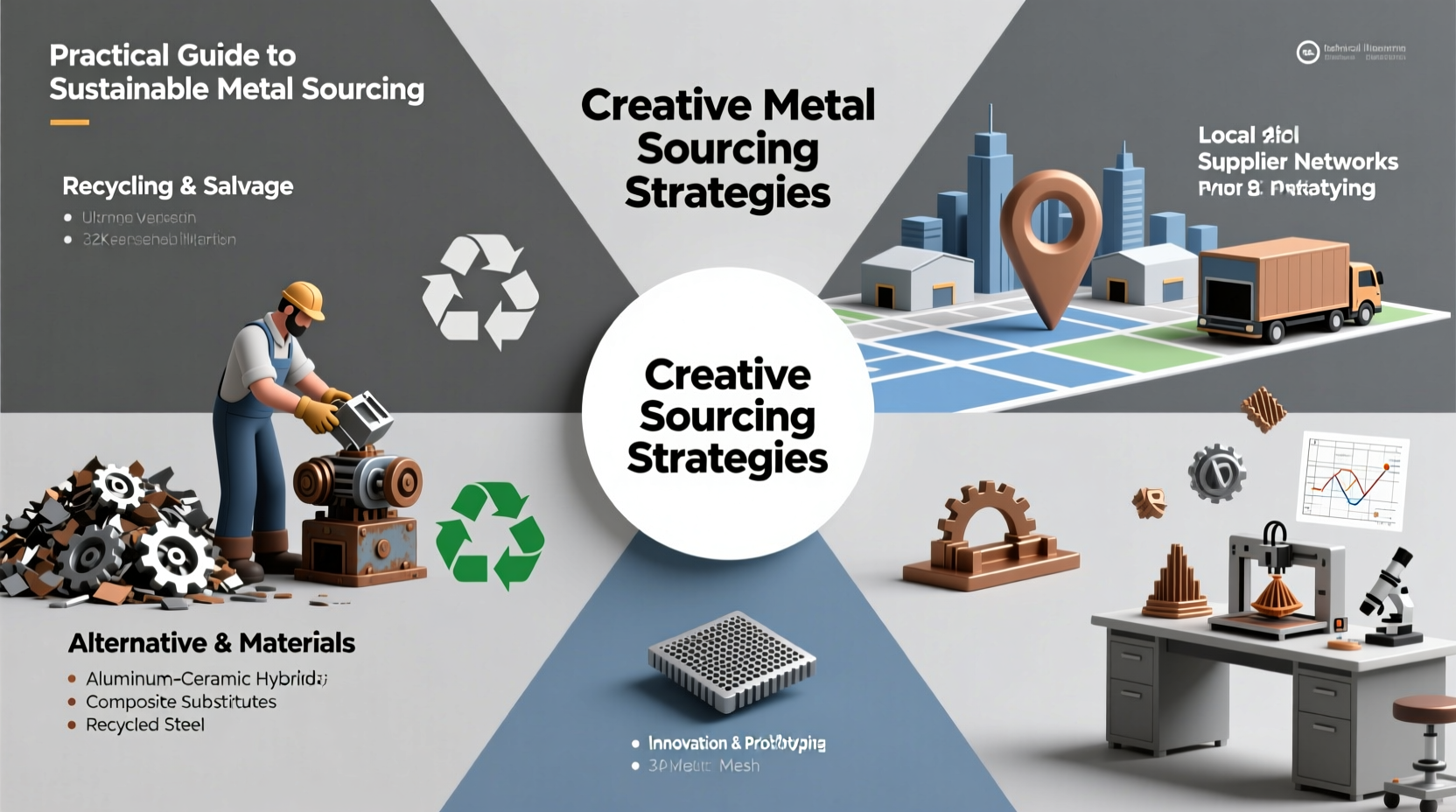
Scrap yards are among the most underutilized resources for project-based metal sourcing. These facilities accept industrial offcuts, decommissioned machinery, and structural demolition materials—often sorted by type and grade. Instead of paying retail prices, you can purchase surplus steel, aluminum, copper, and even specialty alloys at a fraction of the cost.
Many yards allow walk-in customers and offer self-service sections where you can cut, sort, and select pieces yourself. Others specialize in specific industries—automotive, marine, aerospace—which means you might find high-grade stainless or heat-treated components ideal for precision work.
Tip: Visit scrap yards early in the week when new loads arrive—this increases your chances of finding clean, usable material before it’s buried under fresh deliveries.“Most people think scrap is junk, but I’ve built two full-scale kinetic sculptures from recycled conveyor rails and old generator housings.” — Rafael Torres, Industrial Sculptor
What to Look For
- Mild Steel: Ideal for welding, bending, and general fabrication. Often found in beams, plates, and pipe sections.
- Aluminum Extrusions: Lightweight and corrosion-resistant; perfect for frames or moving parts.
- Copper Tubing/Wire: Useful for electrical or thermal applications, and easily resold if not needed.
- Stainless Components: Check for stamped identifiers (e.g., “304” or “316”) to confirm grade.
2. Repurpose Discarded Equipment and Appliances
Every year, millions of appliances, vehicles, and machines are discarded—many containing valuable metals. Refrigerators have copper coils, washing machines contain stainless drums, and older cars use galvanized steel and aluminum castings. Salvaging these items not only reduces waste but also provides free or low-cost raw materials.
Start by monitoring curbside disposal days in your neighborhood. Many cities allow bulk item pickup, and residents often leave broken equipment on sidewalks days in advance. Alternatively, check online marketplaces like Craigslist, Facebook Marketplace, or Freecycle for listings with phrases like “free to remove” or “for parts.”
Mini Case Study: The Studio Shed Build
When ceramicist Lena Cho needed corrugated steel for her backyard studio, she avoided $400 in material costs by dismantling an abandoned shipping container near a local rail yard (with permission). She cut panels using a portable angle grinder, treated them against rust, and installed them as exterior cladding. The result was both cost-effective and visually distinctive—industrial texture with zero environmental markup.
3. Leverage Community Networks and Trade Skills
One of the most effective yet overlooked strategies is bartering. If you have skills in carpentry, design, coding, or repair, offer services in exchange for leftover metal stock. Small manufacturers, machine shops, and metalworkers frequently accumulate offcuts too large to recycle but too small for production runs—perfect for individual projects.
Join local maker spaces, attend trade school workshops, or participate in industry forums. Many vocational programs welcome public collaboration and will let you take unused classroom scraps. Some even maintain “giveaway bins” for excess material.
| Sourcing Method | Avg. Cost | Best For | Potential Drawbacks |
|---|---|---|---|
| Scrap Yards | $0.50–$2.00/lb | Bulk structural needs | Inconsistent sizing, surface oxidation |
| Appliance Salvage | Free–$20/item | Sheet metal, tubing, wiring | Labor-intensive disassembly |
| Industrial Donations | Free | Precision offcuts, rare alloys | Requires networking and timing |
| Online Marketplaces | $10–$50 | Specific profiles (angle iron, channels) | Shipping costs, variable quality |
4. Step-by-Step Guide: How to Source Metal Ethically and Safely
- Identify Your Material Needs: Determine required thickness, alloy type, and dimensions. Know whether you need weldable, malleable, or load-bearing metal.
- Research Local Sources: Search for “scrap metal recycling near me,” “metal salvage yard,” or “industrial surplus.” Call ahead to ask about public access and pricing tiers.
- Inspect Before Removing: Check for contamination (paint, oil, coatings), structural integrity, and signs of stress fractures—especially in reclaimed beams or axles.
- Use Proper Tools and PPE: Wear gloves, eye protection, and respiratory gear when cutting or handling sharp edges. Use magnetic testers or acid kits to verify metal types if unsure.
- Document and Store Smartly: Label materials by type and size. Keep a small inventory log (even a notebook works) to avoid repurchasing duplicates.
5. Avoid Common Sourcing Mistakes
Even experienced makers fall into traps when sourcing metal. Recognizing these pitfalls can save time, money, and safety risks.
- Assuming all shiny metal is aluminum: Galvanized steel looks similar but behaves differently under heat and stress.
- Overlooking transportation logistics: Heavy steel plates require proper vehicle support—don’t commit until you know how you’ll move it.
- Ignoring legal boundaries: Taking metal from construction sites, railways, or private property without consent constitutes theft—even if it appears abandoned.
- Buying oversized stock “just in case”: This leads to clutter and wasted funds. Stick to project-specific quantities unless reselling.
Checklist: Smart Metal Sourcing Practices
- ☑ Define exact specifications before searching
- ☑ Verify ownership and legality of salvaged items
- ☑ Test metal type with simple tools (magnet, spark test)
- ☑ Negotiate bulk discounts at recyclers
- ☑ Clean and treat metal promptly to prevent rust
- ☑ Build relationships with regular suppliers for future access
Frequently Asked Questions
Can I use rebar from demolition sites for artistic welding?
Yes, but inspect carefully. Rebar exposed to long-term moisture may be cracked or weakened. Clean thoroughly with a wire brush and preheat before welding to reduce risk of splintering.
Is it safe to cut refrigerant lines from old AC units?
No—unless professionally evacuated. Pressurized refrigerants are hazardous and regulated. Leave sealed systems intact and focus on external metal casings instead.
How do I know if scrap metal has been treated or coated?
Look for flaking surfaces, unusual textures, or chemical odors. When in doubt, perform a small grind test in a ventilated area. Coatings like lead paint or cadmium plating release toxic fumes when heated.
Conclusion: Turn Constraints Into Creative Fuel
Access to metal shouldn't depend solely on budget. By embracing adaptive sourcing—whether through recycling, repurposing, or community exchange—you gain not only material but insight. Each piece tells a story: a beam that once held up a factory floor, a copper coil that cooled a home for decades, an aluminum panel that flew in a retired aircraft. These histories enrich your work, adding depth beyond function.
The next time you face a blank workshop and an ambitious idea, remember: the metal is already out there. It's not about buying what’s available—it’s about seeing potential where others see waste. Start small. Visit a yard. Talk to a machinist. Post an offer to trade skills. You might walk away with more than steel—you might walk away with inspiration.
🚀 Ready to start sourcing smarter? Share your best metal-finding tip in the comments—or tell us about the most unexpected place you’ve discovered usable material. Let’s build a resourceful community together.








