When it comes to dressing newborns and infants, parents face more than just choosing cute prints or trendy styles. The fabric matters—deeply. Among the most debated materials in baby clothing are cotton and polyester. While both are widely used, many parents show a clear preference, often favoring cotton over synthetic alternatives. But why? Is cotton truly superior, or is the obsession rooted in myth, marketing, or genuine health and comfort benefits? This article breaks down the science, practicality, and emotional factors behind the cotton versus polyester debate in baby wear.
The Skin Sensitivity Factor
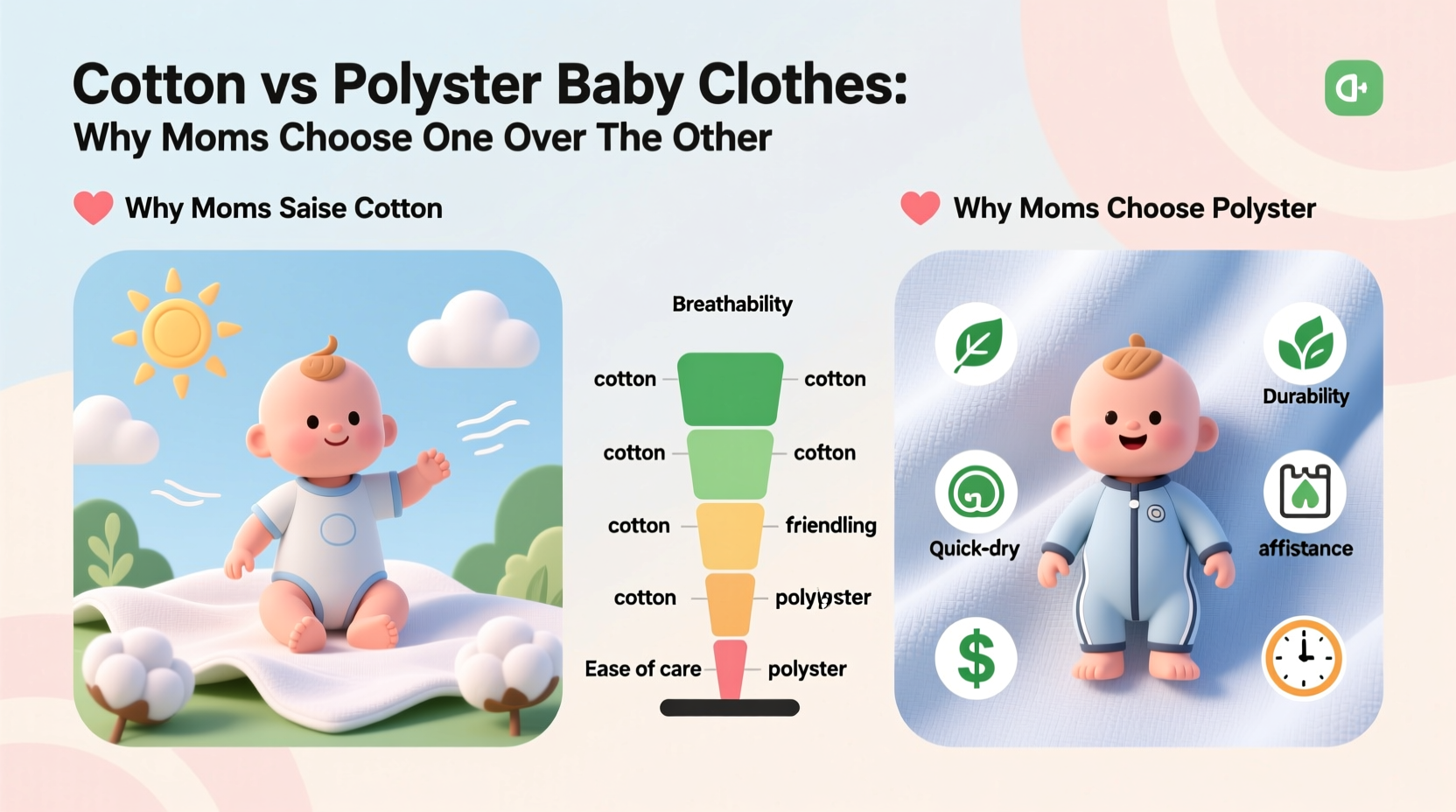
Baby skin is dramatically different from adult skin. It’s thinner, more permeable, and still developing its protective barrier. According to pediatric dermatologists, infant skin can absorb substances up to five times more efficiently than adults'. This makes fabric choice not just a matter of comfort, but of safety.
Cotton, being a natural fiber, is inherently breathable and hypoallergenic. It allows air circulation, reducing moisture buildup that can lead to rashes or irritation. In contrast, polyester is a petroleum-based synthetic material known for trapping heat and sweat. While modern blends have improved moisture-wicking properties, they still fall short in breathability compared to pure cotton.
“For babies with sensitive skin or conditions like eczema, natural fibers like cotton are the gold standard. They minimize irritation and reduce the risk of flare-ups.” — Dr. Lena Torres, Pediatric DermatologistTip: Always pre-wash new baby clothes, especially cotton ones, to remove residual chemicals and soften the fabric.
Comfort and Temperature Regulation
Infants cannot regulate their body temperature as effectively as older children or adults. Overheating is a known risk factor for Sudden Infant Death Syndrome (SIDS), making breathable clothing essential.
Cotton excels in temperature regulation. Its porous structure absorbs moisture and allows heat to escape, helping babies stay cool in warm weather and comfortable under layers in colder months. Polyester, while lightweight, tends to retain heat and can contribute to overheating—especially during sleep or active play.
Many parents report that babies dressed in cotton seem calmer, sleep better, and develop fewer heat rashes. These anecdotal observations align with clinical findings on thermoregulation in infants.
Daily Wear Comparison: Cotton vs Polyester
| Feature | Cotton | Polyester |
|---|---|---|
| Breathability | High – excellent air circulation | Moderate to low – traps heat |
| Moisture Absorption | Absorbs up to 27% of its weight in water | Hydrophobic – repels water, wicks poorly |
| Softness | Naturally soft; softer with each wash | Can feel slick or plastic-like; may stiffen |
| Durability | Good, but may shrink or wear with frequent washing | High – resists shrinking and abrasion |
| Environmental Impact | Biodegradable; high water/pesticide use in conventional farming | Non-biodegradable; derived from fossil fuels |
Washing and Longevity: The Practical Side
While cotton wins in comfort, polyester has undeniable advantages in durability and ease of care. Polyester garments resist wrinkling, dry quickly, and maintain shape after repeated washing—qualities that appeal to busy parents.
However, cotton has evolved. Organic cotton, Pima cotton, and combed cotton varieties offer enhanced softness and strength. When properly cared for, high-quality cotton baby clothes can last through multiple children. Pre-shrunk options also reduce post-wash deformation.
The trade-off often comes down to priorities: long-term comfort versus low-maintenance convenience.
Tip: Use gentle, fragrance-free detergents for both fabrics, but especially for cotton worn by babies with sensitive skin.Real Parent Experience: A Mini Case Study
Sarah M., a first-time mom from Portland, initially bought a mix of cotton and polyester outfits for her newborn. Within weeks, she noticed her baby developed red patches around the neck and arms after wearing polyester-heavy sleepers. After switching entirely to 100% organic cotton onesies and swaddles, the irritation disappeared.
“I didn’t think the fabric made that big a difference,” Sarah said. “But once we switched, my daughter seemed more relaxed, slept longer, and never had another rash. Now I only buy cotton—even if it costs more.”
Her experience mirrors countless online forum discussions, where parents consistently report similar outcomes. While not every baby reacts negatively to polyester, the pattern suggests a meaningful sensitivity in a significant subset of infants.
Environmental and Ethical Considerations
Modern parenting increasingly values sustainability. Cotton, when organically grown, is biodegradable and renewable. However, conventional cotton farming uses heavy irrigation and pesticides, raising ecological concerns.
Polyester, on the other hand, is derived from non-renewable petroleum and sheds microplastics during washing—polluting waterways and entering the food chain. One study estimates that a single load of laundry can release over 700,000 microfibers.
Eco-conscious parents often choose organic cotton despite the higher price, viewing it as a long-term investment in both their child’s health and planetary well-being.
- Organic cotton uses 91% less water than conventional cotton (by some lifecycle assessments).
- Polyester takes up to 200 years to decompose in landfills.
- GOTS (Global Organic Textile Standard) certification ensures ethical labor practices and chemical restrictions.
Step-by-Step Guide: Choosing the Right Fabric for Your Baby
- Assess your baby’s skin sensitivity. If prone to rashes or eczema, prioritize 100% cotton.
- Check garment labels. Look for “100% cotton” or “organic cotton.” Avoid blends with more than 20% polyester for sensitive skin.
- Consider the season. Cotton is ideal year-round; polyester may be acceptable in cooler, dry climates where overheating is less likely.
- Evaluate care needs. If you need quick-drying, wrinkle-resistant clothes for daycare, limited polyester use may be practical.
- Research brands. Choose those with third-party certifications like GOTS, OEKO-TEX, or Fair Trade.
- Test before committing. Try one cotton and one polyester outfit, observe your baby’s reaction over 2–3 days.
- Wash before wearing. Removes sizing agents, dyes, and potential irritants.
Frequently Asked Questions
Is polyester safe for babies?
Yes, in moderation. Most pediatricians agree that occasional use of polyester-blend clothing is not harmful. However, for everyday wear—especially for newborns and infants with sensitive skin—natural fibers like cotton are preferred due to better breathability and reduced irritation risk.
Does cotton shrink more than polyester?
Yes, untreated cotton can shrink significantly after washing, especially in hot water. To avoid this, look for pre-shrunk or ring-spun cotton garments, and always wash in cold water using a gentle cycle.
Can I mix cotton and polyester clothes in my baby’s wardrobe?
Absolutely. Many parents use cotton for sleepwear and base layers, and polyester blends for outerwear or travel outfits where durability and quick drying are priorities. Just monitor your baby’s comfort and skin response.
Tip: Layering cotton underneath polyester outerwear can combine comfort with practicality without direct skin contact with synthetics.Why the Obsession? Understanding the Mom Mindset
The strong preference many mothers express for cotton isn’t just about fabric properties—it’s tied to identity, care ethics, and trust. In an era of overwhelming choices and conflicting advice, cotton represents simplicity, purity, and tradition. It’s tangible, natural, and feels “safe” in a world full of invisible chemicals and synthetic unknowns.
Marketing plays a role too. Brands promoting “chemical-free,” “organic,” and “dermatologist-tested” cotton lines tap into parental instincts to protect. While not all claims are equally valid, the consistent message reinforces cotton as the default choice for conscientious caregiving.
Still, dismissing polyester entirely overlooks its functional strengths. The smart approach isn’t dogma—it’s balance. Informed parents don’t need to choose sides; they need clarity, context, and confidence in their decisions.
Final Thoughts: Make the Choice That Works for You
The cotton versus polyester debate isn’t about declaring a universal winner. It’s about understanding trade-offs and making informed choices based on your baby’s needs, your lifestyle, and your values. Cotton offers unmatched comfort and breathability, making it ideal for daily wear and sensitive skin. Polyester brings durability and ease, useful in specific situations.
Instead of following trends or succumbing to social pressure, equip yourself with facts. Read labels, observe your baby’s reactions, and prioritize what truly matters: your child’s comfort, health, and happiness.
💬 Have a favorite baby clothing brand or fabric tip? Share your experience in the comments—your insight could help another parent make a confident choice.