Choosing the right dress for your dog goes beyond aesthetics. While a floral print or frilly collar might catch your eye, the fabric determines how your pet truly feels in their outfit. Cotton and gauze are two of the most popular materials used in pet apparel, especially for dresses. Both offer breathability and softness, but they differ significantly in structure, durability, and suitability for different climates and activities. Understanding these differences helps ensure your dog stays comfortable, happy, and stylish—without compromising their well-being.
Understanding Cotton: Softness Meets Durability
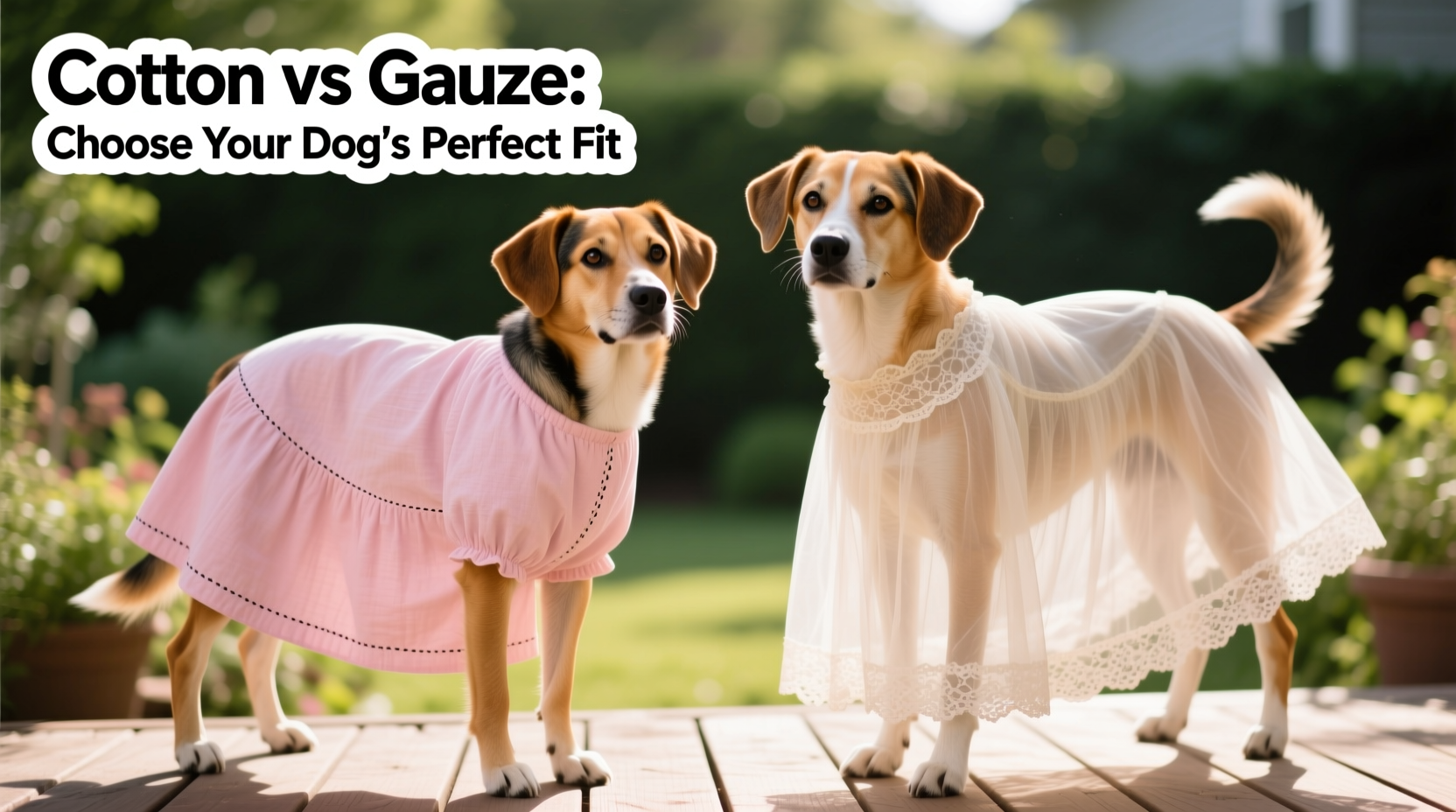
Cotton is a natural fiber derived from the cotton plant and has long been a staple in both human and pet clothing. It’s known for its soft texture, hypoallergenic properties, and ability to absorb moisture—making it ideal for dogs with sensitive skin. Cotton dog dresses are typically tightly woven, providing moderate structure while remaining lightweight.
One of the biggest advantages of cotton is its ease of care. Most cotton garments can be machine washed on a gentle cycle and air-dried without losing shape or softness. This makes them practical for everyday wear, especially for active dogs who may get dirty during walks or playtime.
Tip: Pre-wash cotton dresses before first use to minimize shrinkage and remove any residual dyes that could irritate your dog’s skin.Cotton is also highly versatile. It comes in various weights—from light poplin to heavier canvas—and can be dyed in vibrant colors or printed with fun patterns. However, heavier cottons may not be suitable for very small breeds or senior dogs who prefer minimal coverage.
Gauze Fabric: Lightweight and Airy, But Delicate
Gauze is a loosely woven fabric, often made from cotton or a cotton blend, characterized by its open, mesh-like texture. This structure allows maximum airflow, making gauze an excellent choice for hot weather or dogs prone to overheating. Gauze dog dresses tend to have a delicate, ethereal look—popular for photo shoots, special occasions, or summer outings.
Because of its loose weave, gauze feels incredibly light against the skin. Dogs often don’t even notice they’re wearing it, which is a major plus for pets resistant to clothing. However, this same feature makes gauze less durable than standard cotton. It can snag easily on claws, furniture, or outdoor foliage, and repeated washing may cause fraying or thinning over time.
Gauze is best suited for short-term wear rather than daily use. If you plan to dress your dog for a birthday party or a beachside stroll, gauze offers unmatched breathability and elegance. Just be mindful of rough surfaces and excessive movement.
“Gauze is like the linen of pet fashion—beautiful and breathable, but not built for rugged use. Choose it when comfort and airflow are top priorities.” — Dr. Lena Torres, Veterinary Dermatologist
Comparing Cotton and Gauze: A Practical Breakdown
| Feature | Cotton | Gauze |
|---|---|---|
| Breathability | High (tight weave still allows airflow) | Very High (open weave maximizes ventilation) |
| Durability | High (resists tearing and frequent washing) | Moderate to Low (prone to snags and fraying) |
| Comfort Level | Soft and stable; conforms to body | Ultra-light; barely noticeable |
| Best For | Daily wear, cooler months, active dogs | Hot weather, special events, sensitive skin |
| Care Requirements | Machine washable, low maintenance | Hand wash recommended; air dry only |
| Style Range | Broad—casual to formal | Ethereal, romantic, bohemian |
How to Choose Based on Your Dog’s Needs
Selecting between cotton and gauze isn’t just about preference—it should align with your dog’s lifestyle, breed characteristics, and health considerations. Consider the following factors when making your decision:
- Climate: In humid or hot regions, gauze provides superior cooling. In temperate or cooler zones, cotton offers better coverage and warmth retention.
- Activity Level: Active dogs who run and explore benefit from sturdier cotton dresses. Gauze is better reserved for calm settings like garden parties or indoor events.
- Skin Sensitivity: Both fabrics are gentle, but gauze minimizes contact due to its airy weave, reducing friction for dogs with dermatitis or allergies.
- Size and Breed: Small breeds like Chihuahuas or Pomeranians may feel overwhelmed by heavy fabrics. Lightweight gauze suits them well, while larger breeds like Beagles or Cocker Spaniels can comfortably wear structured cotton.
A Real-Life Example: Bella the Bichon Frise
Bella, a 7-year-old Bichon Frise from Austin, Texas, suffers from seasonal allergies and overheats easily in summer. Her owner, Maria, initially dressed her in cute cotton sundresses, but noticed Bella scratching more and refusing to walk past midday. After consulting her vet, Maria switched to gauze dresses for outdoor events during peak heat. The change was immediate—Bella stopped scratching, walked farther, and even seemed to enjoy posing for photos again. For cooler evenings or rainy days, Maria returns to lightweight cotton with short sleeves. This hybrid approach ensures Bella stays stylish without sacrificing comfort.
Your Step-by-Step Guide to Selecting the Right Dress
- Assess the season and weather forecast. Choose gauze for temperatures above 75°F (24°C) and cotton for cooler or variable conditions.
- Observe your dog’s behavior around clothing. If they resist wearing anything, start with gauze for its minimal feel.
- Check the fit and range of motion. Ensure the neck and chest aren’t tight, and that leg holes allow natural movement.
- Inspect the seams and stitching. Reinforced stitching is essential for cotton; gauze should have rolled hems to prevent unraveling.
- Test washability. If you need frequent laundering, prioritize machine-washable cotton over delicate gauze.
- Monitor your dog’s reaction. Watch for signs of discomfort, itching, or overheating during the first few wears.
Frequently Asked Questions
Can I put a gauze dress on my puppy?
Yes, but supervise closely. Puppies are curious and may chew or tear the delicate fabric. Use gauze for brief, supervised outings and switch to cotton for play sessions.
Do cotton dresses shrink after washing?
Some 100% cotton garments may shrink slightly, especially if dried in high heat. Always follow care instructions—air drying preserves size and softness.
Is gauze safe for dogs with thick coats?
Yes, and it’s often recommended. Double-coated breeds like Huskies or Samoyeds benefit from gauze’s breathability during warm months, as it prevents trapped heat under clothing.
Final Checklist Before Buying
- ☑ Measure your dog’s chest, neck, and length from base of neck to tail
- ☑ Confirm fabric composition (100% cotton preferred for both types)
- ☑ Check return policy in case of fit issues
- ☑ Prioritize flat seams to avoid chafing
- ☑ Avoid dresses with small embellishments that could be chewed off
- ☑ Decide on primary use: daily wear (cotton) or occasional (gauze)
Make Comfort the Foundation of Style
The best dog dress isn’t the one that wins admiration at the park—it’s the one your dog doesn’t try to rub off on the carpet. Cotton and gauze each have distinct strengths: cotton for resilience and versatility, gauze for breathability and elegance. By matching the fabric to your dog’s environment, activity level, and physical needs, you create a balance where comfort and style coexist.
Remember, dressing your dog should enhance their experience, not complicate it. Whether you choose a crisp cotton day dress or a flowing gauze ensemble for a sunset picnic, your thoughtful selection shows love in action. Observe how your pet responds, adjust as needed, and never underestimate the power of a well-chosen fabric.
💬 Have a favorite cotton or gauze dress that your dog loves? Share your story or tips in the comments—your experience could help another pet parent make the perfect choice!








