Stepping out of a warm shower, wrapped in a robe, is one of life’s small luxuries. But the comfort and functionality of that experience depend heavily on what the robe is made of. Two of the most common materials—cotton and terry cloth—are often used interchangeably, but they are not the same. Understanding their differences, especially in moisture absorption, can make a real difference in how dry, warm, and comfortable you feel post-shower.
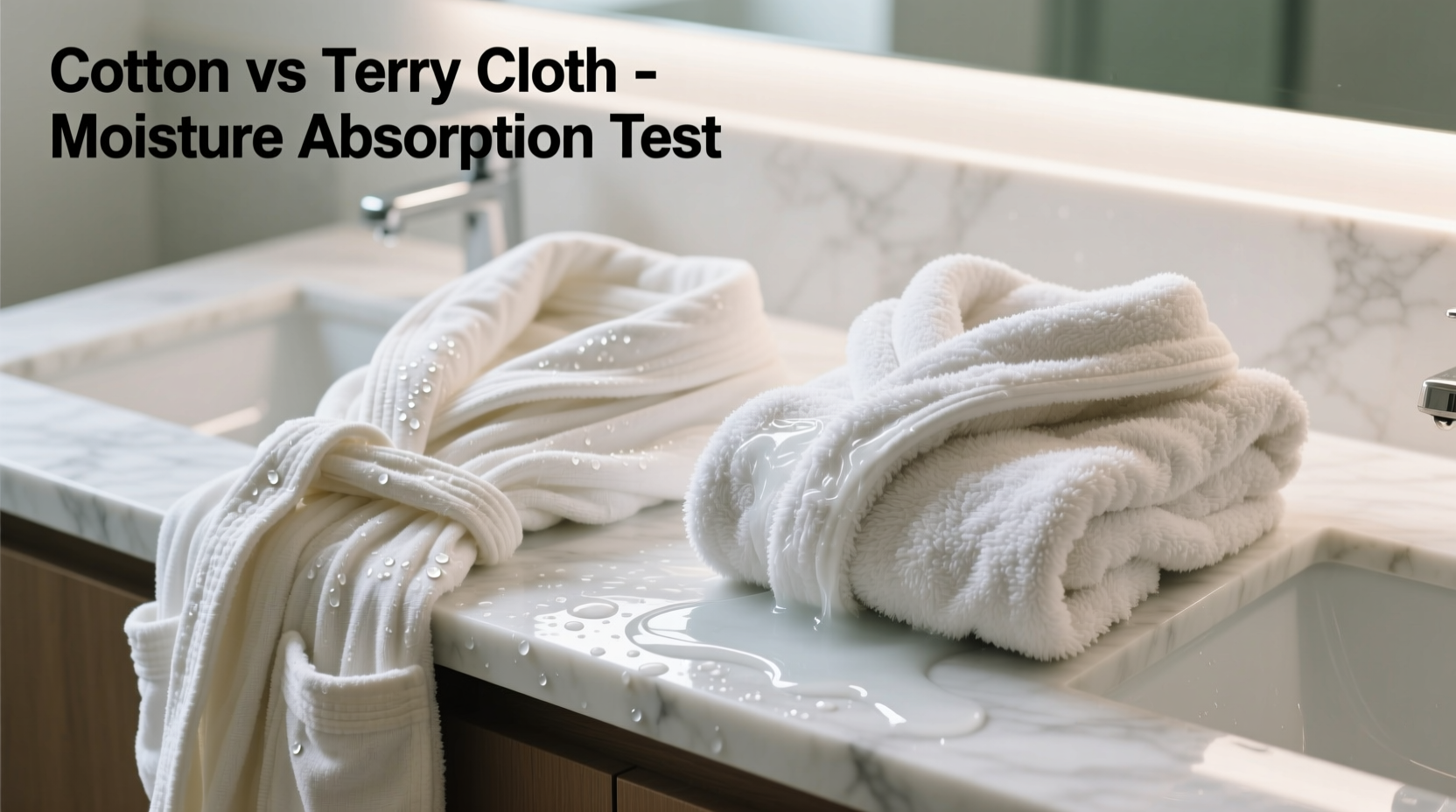
Cotton robes are typically lightweight and breathable, prized for their softness and elegant drape. Terry cloth, on the other hand, is a specific type of fabric weave—usually made from cotton or cotton blends—that features loops designed to trap water. While both come from cotton, their structure and performance diverge significantly when it comes to drying off.
This article dives deep into the science and practical use of cotton versus terry cloth robes, focusing on moisture absorption, drying efficiency, durability, and comfort. By the end, you’ll know exactly which material suits your post-shower routine best.
The Science of Moisture Absorption in Fabrics
Absorption refers to a fabric’s ability to take in and retain moisture from the skin. This process depends on fiber composition, weave structure, surface area, and fabric weight. Natural fibers like cotton are hydrophilic, meaning they attract and hold water molecules due to the presence of hydroxyl groups in their cellulose structure.
However, not all cotton fabrics absorb equally. The way cotton is woven or knitted plays a crucial role. For example, flat-woven cotton (like poplin or voile) has less surface area and fewer spaces to trap water, making it less absorbent than looped weaves such as terry cloth.
Terry cloth is engineered specifically for high absorption. Its signature looped pile increases surface area dramatically, allowing more water to be pulled away from the skin through capillary action. Each loop acts like a tiny sponge, drawing moisture into the fabric and holding it until released during laundering.
“Terry cloth’s looped construction gives it superior wicking and retention properties compared to plain cotton weaves.” — Dr. Lena Patel, Textile Scientist at the Institute of Fabric Innovation
In laboratory settings, terry cloth consistently outperforms flat cotton in absorption speed and total capacity. Studies show that terry cloth can absorb up to 6–7 times its weight in water, while standard cotton robes absorb closer to 3–4 times their weight. This makes terry cloth ideal for quick-drying applications like bathrobes, towels, and gym wear.
Material Breakdown: Cotton Robes vs Terry Cloth Robes
To understand the real-world implications, let’s compare the two materials across key categories:
| Feature | Cotton Robe (Flat Weave) | Terry Cloth Robe |
|---|---|---|
| Fiber Type | 100% cotton or cotton blend | Primarily cotton; sometimes blended with polyester |
| Weave Structure | Plain, sateen, or twill weave | Looped pile (terry loops) |
| Absorption Speed | Moderate – slower initial uptake | Fast – immediate water pull from skin |
| Total Moisture Capacity | Lower – holds less water overall | Higher – retains significantly more moisture |
| Drying Time (on body) | Longer – may feel damp | Shorter – feels dry faster |
| Weight & Thickness | Light to medium | Medium to heavy |
| Softness & Feel | Smooth, silky, elegant | Plush, textured, cozy |
| Durability | Good – prone to wrinkling | Excellent – withstands frequent washing |
| Best Use Case | Over a towel, lounging, light coverage | Drying off, spa use, cold climates |
While cotton robes offer a sleek, minimalist aesthetic and are excellent for light draping or wearing over a towel, they are not optimized for active drying. Terry cloth, by contrast, is built for performance. Its loops increase contact points with wet skin, accelerating moisture transfer and providing a more effective drying experience.
Real-World Performance: A Mini Case Study
Sarah, a physical therapist in Portland, Oregon, uses her robe daily after morning showers. She previously owned a lightweight cotton waffle robe she loved for its breathability and style. However, she noticed she was still damp 10 minutes after putting it on, especially on her back and legs.
She switched to a mid-weight terry cloth robe with dense loops and double-stitched seams. On her first use, she felt an immediate difference. “It wasn’t just that I felt warmer—it actually pulled the water off my skin,” she said. “I was dry enough to start getting dressed within five minutes, whereas before I’d have to towel off again.”
After six months of daily use and weekly washing, the terry robe showed minimal pilling and retained its thickness. The cotton robe, meanwhile, had begun to thin in high-friction areas like the shoulders and underarms. Sarah now keeps the cotton robe for travel and lounging, reserving terry for post-shower use.
This case illustrates a broader trend: cotton robes excel in form and light function, while terry cloth wins in utility and drying power.
Tip: If you prefer the look of a cotton robe but want better drying, consider layering: dry off with a towel first, then wear the cotton robe for comfort.How to Choose Based on Your Needs
Your ideal robe depends on lifestyle, climate, and personal preferences. Here’s a step-by-step guide to help you decide:
- Evaluate your primary use: Are you using the robe mainly to dry off, or to wear afterward? If drying is the goal, terry cloth is superior.
- Consider your climate: In humid environments, terry cloth may take longer to dry between uses. Cotton breathes better and resists mildew if aired properly.
- Assess maintenance habits: Terry cloth requires more thorough drying after washing to prevent mustiness. Cotton is easier to care for but may shrink if not washed in cool water.
- Test for comfort: Some people find terry cloth too bulky or textured. If you prefer a smooth, lightweight feel, cotton is more suitable.
- Check for quality markers: Look for tightly looped terry, high GSM (grams per square meter), and reinforced stitching. For cotton robes, opt for combed or long-staple cotton for softness and durability.
GSM (Grams per Square Meter) is a critical metric. Robes with a GSM of 350–500 are considered mid-weight; 500+ is heavy-duty and highly absorbent. Most terry cloth robes range from 400–700 GSM, while cotton robes are often 200–350 GSM—explaining their lower absorption capacity.
Expert Tips for Maximizing Absorbency
No matter which material you choose, proper care ensures peak performance. Over time, detergents, fabric softeners, and improper drying can reduce a fabric’s ability to absorb water.
- Avoid fabric softeners: They coat fibers with a waxy residue that blocks moisture absorption. Use vinegar rinses instead to keep fibers clean and open.
- Wash in warm, not hot water: High heat can damage cotton fibers and cause shrinkage. Warm water cleans effectively without degrading the fabric.
- Tumble dry on low or air dry: High heat flattens terry loops and reduces fluffiness. Air drying preserves texture and extends lifespan.
- Wash separately: Lint from terry cloth can cling to smoother cotton fabrics. Keep them in separate laundry loads.
- Replace when worn: If your robe feels slick or no longer pulls moisture, the fibers may be compacted or coated. It’s time to replace it.
“Reviving an old terry robe is simple: wash it with half a cup of white vinegar and no detergent. This removes buildup and restores absorbency.” — Marcus Reed, Home Care Specialist at LinenWell
Frequently Asked Questions
Is 100% cotton always better than terry cloth?
Not necessarily. While 100% cotton is natural and breathable, terry cloth—often made from cotton—outperforms flat cotton weaves in absorption due to its looped structure. A cotton terry robe offers the benefits of both material and design.
Can terry cloth be too absorbent?
In rare cases, very thick terry robes can feel heavy when wet, especially in warm climates. However, this is usually a sign of high quality rather than a drawback. Lightweight terry options are available for those who want balance.
Do cotton robes dry faster than terry cloth?
On the body, no. Cotton may feel lighter, but it doesn’t remove moisture as quickly. However, terry cloth takes longer to dry *between uses* because it holds more water. Always hang it in a well-ventilated area after use.
Action Checklist: Choosing and Caring for Your Post-Shower Robe
Use this checklist to ensure you get the most out of your robe:
- ☐ Determine your main use: drying vs. lounging
- ☐ Check the GSM—aim for 400+ for terry, 300+ for cotton
- ☐ Feel the texture: dense loops for terry, smooth drape for cotton
- ☐ Avoid fabric softeners in every wash
- ☐ Wash with vinegar monthly to maintain absorbency
- ☐ Hang to dry completely after each use
- ☐ Replace if the fabric feels slick or fails to dry you
Conclusion: Which One Wins for Post-Shower Drying?
When it comes to absorbing moisture right after a shower, terry cloth is the clear winner. Its engineered looped structure provides unmatched surface area for pulling water from the skin, offering a faster, more effective drying experience than any flat cotton weave. While cotton robes have their place—especially for elegance, breathability, and lightweight comfort—they simply don’t match terry cloth’s functional superiority in moisture management.
If your priority is feeling truly dry and warm within minutes of stepping out of the shower, a high-quality terry cloth robe is worth the investment. For those who value aesthetics and versatility, a cotton robe remains a stylish option—best used after toweling off.
Ultimately, the best choice combines personal preference with practical performance. Now that you understand the science behind absorption, you can make an informed decision that enhances your daily routine.
🚀 Ready to upgrade your post-shower experience? Evaluate your current robe using the checklist above, and consider switching to terry cloth for superior drying. Share your robe tips or favorite brands in the comments!








