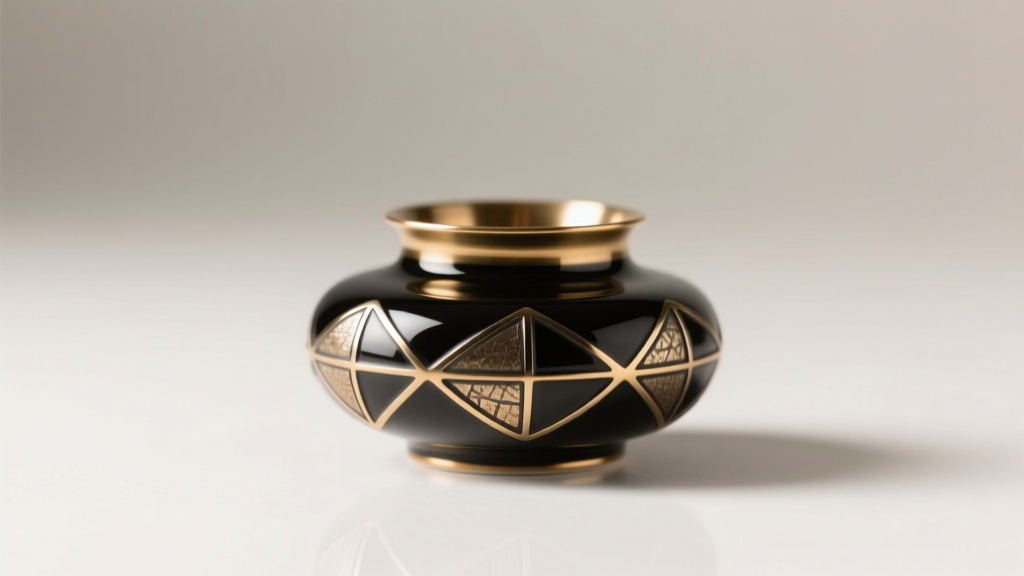
Materials Used for Chrome Zinc Castings
Chrome zinc castings are widely used in automotive, industrial, and decorative applications due to their excellent combination of strength, corrosion resistance, and aesthetic appeal. These components are typically created through a multi-step process where a base metal is die-cast into shape and then plated with a thin layer of chromium to enhance durability and visual finish. The choice of base material plays a critical role in determining the casting’s mechanical performance, weight, longevity, and suitability for specific environments.
Zinc Alloys
The most common base material for chrome-plated castings, zinc alloys offer superior castability and structural integrity.
Advantages
- Excellent fluidity during die-casting for intricate designs
- High dimensional stability and precision
- Natural corrosion resistance enhanced by chrome plating
- Good hardness and wear resistance
- Relatively lightweight despite high density
Limitations
- Less suitable for high-temperature applications
- Can degrade in highly acidic or alkaline environments
- Limited tensile strength compared to steel
Best for: Automotive trim, door handles, decorative fixtures, and interior components
Aluminum
A lightweight alternative increasingly used in performance and aerospace applications.
Advantages
- Extremely lightweight with favorable strength-to-weight ratio
- Excellent thermal conductivity
- Good corrosion resistance, especially when anodized or passivated
- Easily formed into complex geometries
- Non-magnetic and electrically conductive
Limitations
- Lower hardness than zinc alloys
- More expensive tooling for die-casting
- Requires special surface preparation for reliable chrome adhesion
Best for: Aerospace components, high-performance automotive parts, and heat-sensitive applications
Copper Alloys (Brass & Bronze)
Used in specialized applications requiring superior conductivity and durability.
Advantages
- Exceptional electrical and thermal conductivity
- High wear and abrasion resistance
- Natural antimicrobial properties (especially brass)
- Excellent machinability and polishability
- Superior performance in marine and humid environments
Limitations
- Significantly heavier than zinc or aluminum
- Higher material and machining costs
- Prone to tarnishing without protective plating
Best for: Electrical connectors, plumbing fixtures, marine hardware, and architectural elements
Steel
Chosen when maximum strength and load-bearing capacity are required.
Advantages
- Exceptional tensile and yield strength
- High resistance to deformation under heavy loads
- Durable in high-stress mechanical environments
- Widely available and cost-effective for structural parts
Limitations
- High density increases overall weight
- Prone to rust without proper plating or coating
- More challenging to cast with fine details
Best for: Industrial machinery parts, heavy-duty brackets, and structural components
Other Alloys
Innovative or niche materials used for unique performance requirements.
Advantages
- Magnesium Alloys: Ultra-lightweight with good strength
- Die-Cast Brass: Combines castability with copper’s benefits
- Bronze: Excellent for bearing and bushing applications
- Tailored for specialized thermal, electrical, or mechanical needs
Limitations
- Limited availability and higher cost
- Specialized processing and plating requirements
- May require custom tooling and expertise
Best for: Aerospace, defense, medical devices, and custom engineering solutions
| Material | Durability | Weight | Corrosion Resistance | Typical Applications |
|---|---|---|---|---|
| Zinc Alloys | High | Medium | Very Good (with plating) | Automotive trim, consumer hardware |
| Aluminum | Good | Low | Good (with treatment) | Aerospace, lightweight components |
| Copper Alloys | Very High | High | Excellent | Marine, electrical, plumbing |
| Steel | Excellent | Very High | Fair (requires plating) | Industrial, structural parts |
| Other Alloys | Variable | Variable | Variable | Specialized engineering uses |
Expert Tip: For optimal chrome adhesion and long-term performance, ensure proper surface cleaning and activation before plating—especially for aluminum and steel substrates, which require additional pre-treatment steps like zincating or nickel undercoating.
Uses for Chrome Zinc Castings: Applications Across Industries
Chrome zinc castings are widely utilized across numerous industries due to their exceptional combination of mechanical properties, aesthetic appeal, and cost-effective production. These components are created through precision die-casting processes using zinc alloys, which are then plated with a bright chrome finish to enhance durability and visual quality. Key advantages include high dimensional accuracy, excellent corrosion and wear resistance, a smooth and reflective surface, and the ability to produce complex, intricate geometries. This makes chrome zinc castings ideal for both functional and decorative applications in demanding environments.
Key Benefits of Chrome Zinc Castings
Precision & Detail
Zinc die-casting allows for extremely tight tolerances and fine surface details, making it ideal for parts requiring intricate designs—such as logos, emblems, or textured surfaces—without the need for secondary machining.
Corrosion Resistance
The combination of zinc’s natural resistance to oxidation and the protective chrome plating ensures long-term durability, even in humid or chemically aggressive environments.
Lightweight & Strong
Zinc alloys offer a high strength-to-weight ratio, enabling lighter components without sacrificing structural integrity—critical in automotive and portable equipment applications.
Aesthetic Appeal
The mirror-like chrome finish provides a premium, polished appearance that enhances product value and is often used in visible or customer-facing components.
Major Industry Applications
| Industry | Common Components | Key Advantages |
|---|---|---|
| Automotive | Emblems, trim, handles, grilles | Corrosion resistance, aesthetic finish, durability |
| Consumer Goods | Kitchenware, fixtures, decorative items | Lightweight, attractive finish, easy to clean |
| Industrial | Housings, brackets, knobs | Strength, chemical resistance, dimensional stability |
| Electrical | Connectors, enclosures, terminals | Non-magnetic, insulating, smooth surface |
| Medical | Instrument parts, equipment housings | Sterilization resistance, precision, hygiene |
| Toys & Recreation | Model parts, bicycle accessories | Detail reproduction, shine, lightweight |
Note: While chrome zinc castings offer many benefits, proper design and manufacturing practices are essential. Avoid exposure to highly acidic or alkaline environments over prolonged periods, as this can compromise the chrome layer and lead to zinc corrosion. Always specify appropriate plating thickness and alloy composition (e.g., Zamak 3 or Zamak 5) based on the intended application and environmental conditions.
Customizing Options for Chrome Zinc Castings
Chrome zinc castings offer a wide range of customization options that allow manufacturers and designers to achieve both functional performance and aesthetic excellence. These customizations are tailored to meet specific client requirements, industry standards, and application environments—ensuring optimal durability, appearance, and integration into end products.
From material engineering to surface enhancements, every aspect of a chrome zinc casting can be fine-tuned. Below is a detailed breakdown of the key customization areas, each contributing to the versatility and value of zinc die-cast components in industries ranging from automotive and electronics to architectural hardware and consumer goods.
Material Composition
Zinc alloys are highly adaptable, with compositions that can be precisely adjusted to deliver desired mechanical and casting properties. The primary alloy used in chrome-plated castings is Zamak (zinc-aluminum-magnesium-copper), but modifications to its elemental makeup allow for targeted improvements.
- Copper addition (1-3%) enhances tensile strength and hardness, ideal for load-bearing components
- Aluminum (3.5-4.5%) improves fluidity during casting, enabling intricate designs and thin-walled structures
- Magnesium helps control intergranular corrosion and stabilizes dimensional integrity
- Specialized high-strength alloys like ZA-8, ZA-12, or ZA-27 are available for demanding industrial applications
Technical insight: Alloy selection impacts not only performance but also plating adhesion and long-term corrosion resistance under environmental stress.
Surface Finish Options
Surface treatment plays a crucial role in both the visual appeal and functional performance of chrome zinc castings. Chrome plating remains the most popular finish due to its brilliant luster and excellent wear resistance.
- Electroplated chrome provides a mirror-like finish with superior corrosion and abrasion resistance
- Polishing and buffing create smooth, reflective surfaces before plating for enhanced visual quality
- Texturing techniques (e.g., sandblasting, EDM texturing) add grip or design elements for ergonomic or decorative purposes
- Anti-slip coatings or bead blasting improve safety and tactile feedback in hand-held devices or fixtures
- Clear protective topcoats extend life in humid or chemically aggressive environments
Pro tip: Multi-layer plating (e.g., copper-nickel-chrome) significantly boosts durability and minimizes porosity-related failures.
Tolerances and Precision Specifications
Zinc die casting is renowned for its dimensional accuracy and repeatability, making it ideal for complex parts requiring tight tolerances without extensive post-processing.
- Typical tolerances range from ±0.003" to ±0.005" per inch, depending on part geometry and wall thickness
- Flatness and angular precision can be maintained within 0.1° for critical alignment components
- Surface roughness (Ra) values as low as 8–16 microinches achievable with fine mold finishes
- Automotive and medical applications often require ISO 2768 or ASTM B769 compliance
- Draft angles optimized for ejection while preserving design intent
Key consideration: Tighter tolerances may require stress-relief annealing or precision machining after casting.
Incorporation of Inlays and Inserts
Integrating inlays or inserts during or after the casting process adds functionality, structural reinforcement, or electrical capabilities to zinc components.
- Threaded inserts (brass, stainless steel) provide durable screw threads in high-cycle assembly applications
- Electrical contacts or grounding points made from copper or phosphor bronze enhance conductivity
- Overmolded inserts allow hybrid assemblies with plastic or rubber elements
- Hardened steel inserts reinforce wear zones such as pivot points or bushings
- Inserts can be press-fit, ultrasonically welded, or cast-in-place for maximum retention
Design advantage: Combining dissimilar materials in one component reduces part count and improves reliability.
Color and Finishing Customizations
While chrome plating delivers a classic bright silver finish, modern finishing technologies enable a broad spectrum of colors and textures to match brand identities or design themes.
- Powder coating offers over 200 standard colors (RAL, Pantone) with excellent UV and chemical resistance
- Black chrome, brushed nickel, or gold-toned finishes provide luxurious alternatives for decorative hardware
- Matte, satin, or glossy textures alter light reflection and user perception—ideal for consumer electronics and fixtures
- Dual-tone finishes (e.g., chrome body with colored accents) add visual contrast and branding opportunities
- Eco-friendly coatings reduce VOC emissions and meet RoHS/REACH compliance standards
Creative option: Combine laser engraving or pad printing with colored finishes for logos, labels, or serial numbers.
Application-Specific Customization Examples
Different industries demand unique combinations of the above features. Understanding end-use context ensures optimal customization.
- Automotive trim: High-gloss chrome with multi-layer plating for weather resistance
- Plumbing fixtures: Low-lead alloys with antimicrobial coatings and ergonomic textures
- Electronics enclosures: EMI-shielded zinc with matte black powder coat and integrated grounding inserts
- Luxury hardware: Custom textures (e.g., diamond cut, fluted) with PVD-coated finishes for premium appeal
- Industrial components: Hard chrome plating with threaded brass inserts for rugged service conditions
Best practice: Collaborate early with casting engineers to optimize design for manufacturability and plating success.
Expert Recommendation: When specifying chrome zinc castings, prioritize a balanced approach—combine performance-driven material choices with aesthetically pleasing finishes. For high-volume production, invest in prototype sampling and plating adhesion testing to avoid costly rework. Always request material certifications (e.g., ASTM B86, ISO 3522) and plating thickness reports (typically 0.00025–0.0005" chrome layer) to ensure quality consistency.
| Customization Type | Available Options | Primary Benefits | Common Applications |
|---|---|---|---|
| Material Composition | Zamak 3, Zamak 5, ZA-8, ZA-12, Custom Alloys | Strength, fluidity, corrosion resistance | Automotive, electronics, hardware |
| Surface Finish | Chrome plating, polishing, texturing, anti-slip | Aesthetics, wear resistance, grip | Decorative trim, hand tools, fixtures |
| Tolerances | ±0.003"–±0.005"/inch, Ra 8–16 μin | Precision fit, reduced post-machining | Medical devices, connectors, sensors |
| Inlays & Inserts | Brass, stainless steel, copper, overmolded | Strength, conductivity, functionality | Electrical components, fasteners, hinges |
| Color & Texture | Powder coating, PVD, matte/satin/gloss | Brand identity, visual appeal, durability | Consumer products, architecture, appliances |
Additional Considerations for Optimal Results
- Environmental Compliance: Ensure alloy and plating processes meet RoHS, REACH, and ELV directives, especially for export markets
- Plating Adhesion: Proper surface preparation (cleaning, activation) is critical to prevent peeling or blistering
- Thermal Stability: Zinc alloys have lower melting points; avoid exposure above 100°C for prolonged periods
- Secondary Operations: Drilling, tapping, or CNC finishing can be integrated into the manufacturing workflow
- Prototyping & Sampling: Use rapid tooling for design validation before full-scale production
Benefits of Chrome Zinc Castings: A Comprehensive Overview
Chrome zinc castings represent a powerful combination of engineering performance and aesthetic appeal, making them a preferred choice across numerous industries. By leveraging the inherent advantages of zinc die casting and enhancing them with a durable chrome plating layer, manufacturers achieve components that are not only dimensionally accurate and mechanically robust but also visually striking and long-lasting. This guide explores the key benefits of chrome zinc castings in detail, highlighting their role in modern manufacturing for applications ranging from automotive systems to consumer electronics and architectural fixtures.
Core Advantages at a Glance: Chrome zinc castings offer exceptional dimensional accuracy, superior corrosion and wear resistance, an attractive mirror-like finish, excellent cost-efficiency in high-volume production, and reliable dimensional stability under varying environmental conditions.
1. Precise, Complex Designs for High-Tolerance Applications
One of the most significant advantages of chrome zinc castings is their ability to produce components with extremely tight tolerances and intricate geometries. The zinc die casting process allows for excellent flow into detailed molds, capturing fine surface textures and complex internal features that would be difficult or costly to achieve with other metals or processes.
This precision is vital in industries such as aerospace, automotive, and medical devices, where even micrometer-level deviations can impact system performance, safety, or compatibility. Components like connectors, housings, gears, and sensor mounts benefit from the repeatable accuracy of zinc casting, ensuring consistent fit and function across thousands of units.
The addition of chrome plating does not compromise this precision—it enhances it by providing a smooth, uniform surface finish that can meet strict cosmetic and functional requirements.
2. Superior Corrosion and Wear Resistance
Chrome plating serves as a protective barrier, significantly enhancing the corrosion resistance of zinc alloy substrates. This makes chrome zinc castings ideal for use in environments exposed to moisture, humidity, salt spray, and various chemicals—common challenges in outdoor equipment, marine hardware, and industrial machinery.
Zinc itself offers natural sacrificial protection to underlying metals (in multi-layer systems), while the hard chrome surface resists oxidation, staining, and pitting. Together, they create a dual-defense system that extends the service life of components.
In addition to corrosion resistance, chrome provides excellent wear resistance. The hardness of the chrome layer reduces friction and abrasion in moving parts such as hinges, sliders, and locking mechanisms. This durability ensures long-term reliability in high-cycle applications, reducing maintenance needs and replacement costs.
3. Exceptional Aesthetic Appeal and Surface Finish
The bright, reflective finish of chrome plating gives zinc castings a premium, polished appearance that is difficult to replicate with other coatings. This mirror-like luster enhances product aesthetics and contributes to a perception of quality and sophistication.
As a result, chrome zinc castings are widely used in visible components such as automotive trim, door handles, bathroom fixtures, appliance accents, and decorative hardware. The finish is not only visually appealing but also easy to clean and maintain, resisting fingerprints and minor scratches better than many alternative finishes.
Manufacturers can further customize the look with satin, brushed, or colored chrome finishes, allowing for design flexibility without sacrificing performance.
4. Cost-Effective Manufacturing for High-Volume Production
While the initial tooling investment for zinc die casting can be relatively high, the per-unit cost drops dramatically with volume. Zinc’s low melting point (compared to aluminum or steel) reduces energy consumption and extends mold life, contributing to lower operational costs.
Chrome zinc castings are ideal for mass production in industries such as automotive, consumer electronics, and home appliances, where large quantities of identical, high-quality parts are required. The process is highly automated, minimizing labor costs and ensuring consistency.
Additionally, the near-net-shape nature of die casting reduces the need for secondary machining, further lowering production time and material waste. When combined with the longevity provided by chrome plating, the total cost of ownership becomes highly favorable over the product lifecycle.
5. Excellent Dimensional Stability Under Real-World Conditions
Chrome zinc castings maintain their shape, size, and structural integrity across a wide range of temperatures and mechanical stresses. Zinc alloys exhibit low shrinkage during solidification and minimal warpage after cooling, ensuring that parts remain dimensionally stable from production through end-use.
This stability is crucial in precision assemblies where thermal expansion or mechanical loading could otherwise lead to misalignment, leakage, or failure. For example, electronic enclosures must maintain tight seals, and engine components must retain clearances to function properly.
The synergy between zinc’s inherent stability and chrome��s surface reinforcement ensures that chrome zinc castings perform reliably in demanding environments—from freezing outdoor conditions to high-heat industrial settings.
| Benefit | Key Applications | Performance Advantage | Industries Served |
|---|---|---|---|
| Precise, Complex Designs | Connectors, gears, sensor housings | Tolerances within ±0.025 mm | Aerospace, Automotive, Electronics |
| Corrosion & Wear Resistance | Marine hardware, outdoor fixtures | Withstands 500+ hours salt spray testing | Industrial, Marine, Construction |
| Aesthetic Appeal | Trim, handles, decorative parts | Mirror finish, scratch-resistant surface | Consumer Goods, Automotive, Architecture |
| Cost-Effectiveness | High-volume components | Low per-unit cost at scale | Appliances, Electronics, Automotive |
| Dimensional Stability | Precision enclosures, engine parts | Minimal thermal expansion, no warping | Medical, Defense, Industrial Equipment |
Expert Tip: To maximize the lifespan of chrome zinc castings, ensure proper surface preparation before plating—including cleaning, polishing, and micro-etching. This enhances chrome adhesion and minimizes the risk of peeling or blistering, especially in harsh environments.
Conclusion: A Smart Choice for Modern Manufacturing
Chrome zinc castings combine the best attributes of zinc die casting and electroplated chrome to deliver a high-performance, visually appealing, and economically viable solution for a wide range of applications. Their ability to maintain precision, resist environmental degradation, and provide a premium finish makes them indispensable in today’s competitive manufacturing landscape.
Whether you're designing durable automotive components, sleek consumer products, or rugged industrial equipment, chrome zinc castings offer a balanced blend of functionality, durability, and aesthetics that few other materials can match. By understanding and leveraging these benefits, engineers and product designers can create more reliable, attractive, and cost-efficient products.
Frequently Asked Questions About Chrome Zinc Castings
Q1: What are chrome zinc castings, and how are they made?Chrome zinc castings are precision-engineered metal components made from zinc alloys using a manufacturing process known as die casting. In this process, molten zinc is injected under high pressure into a steel mold, or "die," which is designed to produce complex and detailed shapes with tight dimensional tolerances.
After the casting solidifies and is removed from the die, it undergoes a surface finishing process called chrome plating. This involves electroplating a thin but durable layer of chromium onto the surface of the zinc casting. The result is a component with a bright, mirror-like finish that enhances both its visual appeal and functional performance.
Key benefits of chrome plating include:
- Enhanced corrosion resistance: Protects against rust and environmental degradation.
- Improved surface hardness: Increases wear resistance and durability.
- Aesthetic appeal: Provides a clean, reflective, and professional appearance ideal for visible components.
This combination of die-cast zinc and chrome plating makes these parts highly suitable for applications where both strength and appearance are important.
Q2: What properties of zinc make it ideal for chrome zinc castings in die casting?Zinc alloys possess several unique physical and metallurgical properties that make them exceptionally well-suited for the die casting process, especially when followed by chrome plating:
- Excellent fluidity: Molten zinc flows easily into intricate mold cavities, allowing for the production of complex geometries, fine details, and thin walls that would be difficult or impossible with other metals.
- Low melting point (approximately 387–399°C): This reduces energy consumption during casting and minimizes thermal stress on the dies, extending tool life and lowering production costs.
- Precise dimensional stability: Zinc contracts predictably during cooling, ensuring consistent part dimensions and tight tolerances without extensive post-processing.
- Natural mold release: Zinc alloys expand slightly when heated and contract uniformly upon cooling, facilitating easy ejection from the die without distortion.
- Good mechanical properties: High tensile and impact strength, combined with ductility, make zinc castings durable and reliable in service.
These characteristics not only streamline manufacturing but also ensure that the final chrome-plated product maintains structural integrity and surface quality.
Q3: Why do manufacturers prefer zinc alloys over other materials for chrome zinc castings?Manufacturers widely favor zinc alloys—particularly Zamak 3, Zamak 5, and ZA-8—for chrome zinc castings due to a powerful combination of technical, economic, and aesthetic advantages:
- Superior castability: Zinc fills molds completely even at low wall thicknesses (as thin as 0.5 mm), enabling lightweight yet strong components.
- Cost-effective production: High production speeds, long die life, and minimal need for secondary machining reduce overall manufacturing costs.
- Excellent surface finish: As-cast surfaces are smooth and uniform, providing an ideal base for chrome plating without requiring extensive polishing.
- Corrosion resistance: Especially when paired with chrome plating, zinc offers long-term protection against moisture, oxidation, and chemical exposure.
- Strength-to-weight ratio: Stronger than many plastics and lighter than steel or aluminum, making zinc ideal for durable yet lightweight applications.
- Recyclability: Zinc is 100% recyclable with no loss of properties, supporting sustainable manufacturing practices.
These benefits make zinc alloys the preferred choice for high-volume production of precision parts that require both performance and visual quality.
Q4: How can chrome zinc castings be customized for specific applications?Chrome zinc castings offer a high degree of customization to meet diverse functional, aesthetic, and engineering requirements. Customization occurs at multiple stages of the manufacturing process:
- Alloy selection: Different zinc alloys (e.g., Zamak 3 for general use, Zamak 5 for higher strength, or ZA-8 for improved creep resistance) can be chosen based on desired mechanical properties such as strength, hardness, and temperature resistance.
- Dimensional precision: Die casting allows for tight tolerances (±0.1 mm or better), enabling parts to fit seamlessly into assemblies without additional machining.
- Surface treatments: Beyond standard chrome plating, options include:
- Polishing: For a high-gloss, mirror finish.
- Texturing: To create matte, brushed, or patterned surfaces.
- Powder coating: For colored or protective finishes over plating.
- Passivation or sealants: To enhance corrosion resistance in harsh environments.
- Design flexibility: Complex internal features, threads, and mounting points can be cast directly into the part, reducing assembly time and cost.
- Post-processing: CNC machining, drilling, or tapping can be applied for additional precision where needed.
This versatility allows manufacturers to tailor chrome zinc castings for everything from decorative hardware to critical industrial components.
Q5: What are the typical applications and industries that use chrome zinc castings?Thanks to their durability, precision, and attractive appearance, chrome zinc castings are used across a wide range of industries and applications. Their combination of affordability, strength, and aesthetic quality makes them ideal for both functional and visible components.
| Industry | Common Applications | Key Benefits |
|---|---|---|
| Automotive | Door handles, trim pieces, interior knobs, sensor housings | Corrosion resistance, long service life, premium appearance |
| Consumer Electronics | Camera housings, connectors, speaker grilles, laptop hinges | EMI shielding, durability, sleek finish |
| Medical Devices | Surgical instrument housings, diagnostic equipment components | Precision, sterilizability, non-toxic when plated |
| Industrial Machinery | Valve bodies, pump components, control knobs, gears | Wear resistance, dimensional stability, low maintenance |
| Home & Hardware | Locks, faucets, lighting fixtures, cabinet pulls | Aesthetic appeal, rust resistance, cost-effective mass production |
Chrome zinc castings are especially valuable in applications where appearance, reliability, and precision are critical. Their ability to combine structural integrity with a polished, professional look ensures continued demand across both consumer and industrial markets.