The debate between cheek tint and bronzer isn’t just about color—it’s about finish, texture, longevity, and the kind of glow you’re trying to achieve. Both products enhance facial dimension, but they do so in fundamentally different ways. One mimics the flush of real blood circulation; the other replicates the sun-kissed warmth of natural tan. Understanding their core differences helps determine which delivers a more natural appearance—and when one might be better than the other.
Understanding the Basics: What Are Cheek Tints and Bronzers?
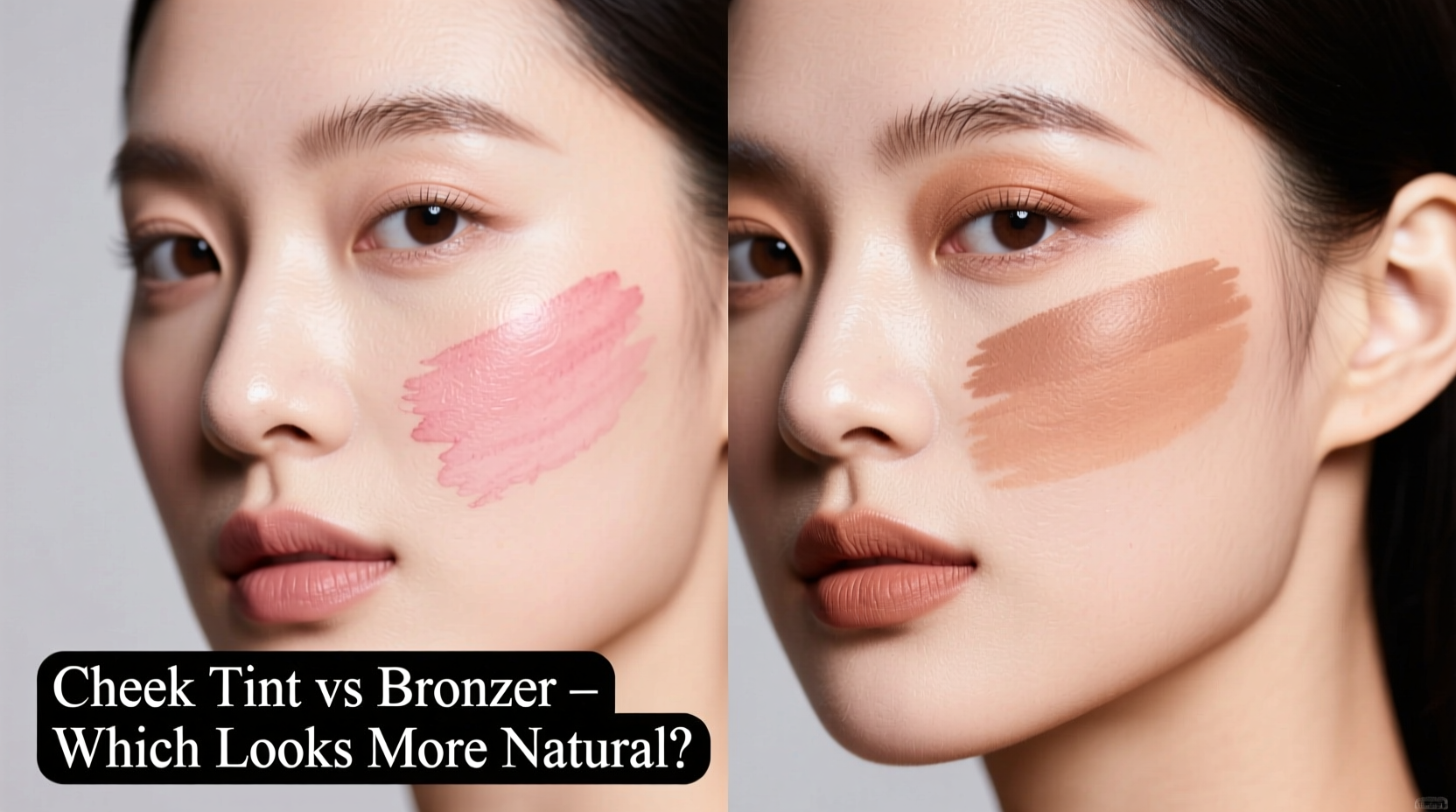
Cheek tints are water-based or gel-cream formulas designed to blend seamlessly into the skin, creating a flushed, dewy effect that looks like it comes from within. They often contain hydrating ingredients and are buildable, allowing for subtle to bold color payoff. Their lightweight texture absorbs into the skin rather than sitting on top, which contributes to their realistic finish.
Bronzers, on the other hand, are typically powder, cream, or liquid formulations with pigments meant to mimic the look of sun exposure. They add warmth and contour, usually applied along the hairline, jawline, and cheekbones. While some bronzers offer a soft, diffused finish, others can appear muddy or overly shimmery if not blended well.
The key distinction lies in purpose: cheek tints add color, while bronzers add warmth and dimension. This difference shapes how naturally they integrate into your complexion.
Tip: For a truly skin-like finish, apply cheek tint before moisturizer to let it sink deeper into the skin.Texture and Finish: Why Tint Often Looks More Natural
Cheek tints excel in delivering a natural look because they behave like second-skin makeup. When applied correctly, they blur the line between makeup and bare skin. Their translucent or semi-sheer quality allows your natural skin tone to show through, creating a “I just came back from a walk” flush.
Many modern tints are formulated with polymers that react to skin pH, adapting slightly to your unique undertones. This chameleon-like behavior enhances realism. In contrast, bronzers—especially powders—can emphasize texture, pores, or dry patches, especially under flash photography or harsh lighting.
Liquid and cream bronzers have improved in recent years, offering more skin-friendly finishes. However, even the best still aim to add visible warmth, which inherently draws attention. Tints, by design, avoid detection.
“Tinted products work with the skin, not over it. That’s why they’re the go-to for editorial shoots when directors want ‘no-makeup makeup’.” — Lena Torres, Celebrity Makeup Artist
Application Techniques That Make All the Difference
How you apply either product dramatically affects its naturalness. Here’s a step-by-step guide to maximizing realism:
- Prep skin thoroughly: Hydrated skin accepts both tints and bronzers more evenly. Use a light moisturizer and allow it to absorb for 5 minutes.
- Use fingers for tints: The warmth of your fingertips helps blend the tint into the skin, encouraging it to meld rather than sit.
- Apply bronzer with a fluffy brush: A large, tapered brush ensures soft diffusion, preventing harsh lines.
- Build gradually: Start with a small amount and layer only if needed. Over-application is the fastest route to an unnatural look.
- Blend outward: Always move from the center of the face toward the hairline to maintain harmony with natural light patterns.
For tints, dab onto the apples of the cheeks and blend upward toward the temples. For bronzer, focus on the perimeter of the face—the sides of the forehead, below the cheekbones, and along the jaw—to simulate where the sun naturally hits.
Comparing Performance: Tint vs Bronzer at a Glance
| Feature | Cheek Tint | Bronzer |
|---|---|---|
| Natural Finish | High – blends into skin, appears as natural flush | Medium – can look artificial if too dark or shimmery |
| Longevity | Moderate – may fade with sweating or oiliness | High – especially powders, which set well |
| Skin Texture Emphasis | Low – sinks in, doesn’t highlight imperfections | Medium to High – shimmer or powder can accentuate pores |
| Best Skin Type | All, especially dry or mature skin | Oily to combination (matte bronzers), avoid on very dry skin |
| Time of Day Suitability | Daytime, fresh-faced looks | Day or night, especially for definition |
When Bronzer Is Actually Better Than Tint
Despite the superior naturalness of tints, bronzers serve essential functions that tints cannot replace. If your goal is facial sculpting or adding warmth to a pale complexion in winter, bronzer is unmatched. It creates shadow and depth, making it ideal for enhancing bone structure.
Fair-skinned individuals who rarely tan can use a matte bronzer two shades deeper than their skin tone to simulate sun exposure without looking orange. On medium to deep skin tones, bronzers help restore radiance lost under indoor lighting or during colder months.
In professional settings or events requiring longer wear, bronzer often outperforms tint due to its staying power. A pressed powder bronzer sets makeup and reduces shine, functioning both as a cosmetic and practical tool.
Tip: Use bronzer to lightly contour the sides of your nose for subtle definition—just keep the shade matte and cool-toned to avoid looking muddy.Real-Life Example: Morning Routine vs Evening Glam
Sophia, a 32-year-old marketing executive, uses both products depending on her schedule. On mornings with back-to-back Zoom calls, she applies a rosewater cheek tint with her fingertips after moisturizer. She finds it gives her a healthy, awake appearance without looking made-up on camera.
For date nights, she switches to a cream bronzer, applying it along her hairline and beneath her cheekbones with a damp sponge. She then layers a peachy cream blush over the tinted areas for dimension. The combination gives her face shape and glow—something she says “makes me feel put together without going full glam.”
Checklist: Choosing Between Tint and Bronzer
- ☐ Am I aiming for a flushed, youthful look? → Choose cheek tint
- ☐ Do I want to add warmth or simulate a tan? → Choose bronzer
- ☐ Is my skin dry or mature? → Tint is safer and more flattering
- ☐ Do I need long-lasting wear or oil control? → Opt for matte bronzer
- ☐ Am I using it for daytime minimal makeup? → Tint wins for subtlety
- ☐ Do I want to contour or define my face shape? → Bronzer is essential
FAQ
Can I use cheek tint as a bronzer?
Not effectively. Cheek tints lack the depth and warmth needed to mimic sun-kissed skin. Using a warm-toned tint on the perimeter of your face may add subtle color, but it won’t create contour or dimension like a true bronzer.
Is it okay to use both cheek tint and bronzer together?
Absolutely. This is a popular technique for achieving both color and definition. Apply the tint first for a natural flush, then layer bronzer on the outer edges of the face. Just ensure both products are blendable and match your skin’s undertones.
Why does my bronzer look dirty on my skin?
This usually happens when the bronzer is too orange, too shimmery, or applied too heavily. Choose a neutral, matte formula close to your natural tan level, and use a light hand. Cream formulas are often easier to blend cleanly than powders.
Final Thoughts: It’s Not About Which Is Better—It’s About Purpose
Cheek tint generally provides a more natural look because it imitates biological processes—like increased blood flow—rather than external effects like sun exposure. Its seamless integration with the skin makes it ideal for low-makeup days, sensitive skin, or anyone chasing a fresh, hydrated appearance.
But bronzer has irreplaceable value. It adds warmth, depth, and structure—elements tints simply don’t address. Calling one “better” misses the point. The most polished makeup routines often include both: tint for life, bronzer for shape.
Mastering both means understanding your skin, your goals, and the story you want your face to tell. Whether you're going for “just woke up like this” or “spent the day in Santorini,” the right tool makes all the difference.
💬 Have a go-to combo of tint and bronzer? Share your favorite products and techniques in the comments—your tip could inspire someone’s next flawless look.








