Tea enthusiasts know that freshness is everything. A vibrant green matcha, a floral oolong, or a robust Assam black tea—all lose their character when exposed to air, light, moisture, or heat. That’s where tea canisters come in. But with so many options on the market—ceramic, plastic, stainless steel—the choice can feel overwhelming. Is a hand-glazed ceramic jar truly better than a sleek, BPA-free plastic container? Or is the premium price tag more about aesthetics than function? Let’s examine the facts behind material performance, environmental impact, and long-term preservation to determine whether ceramic outperforms plastic—or if the difference is mostly in perception.
The Science of Tea Preservation
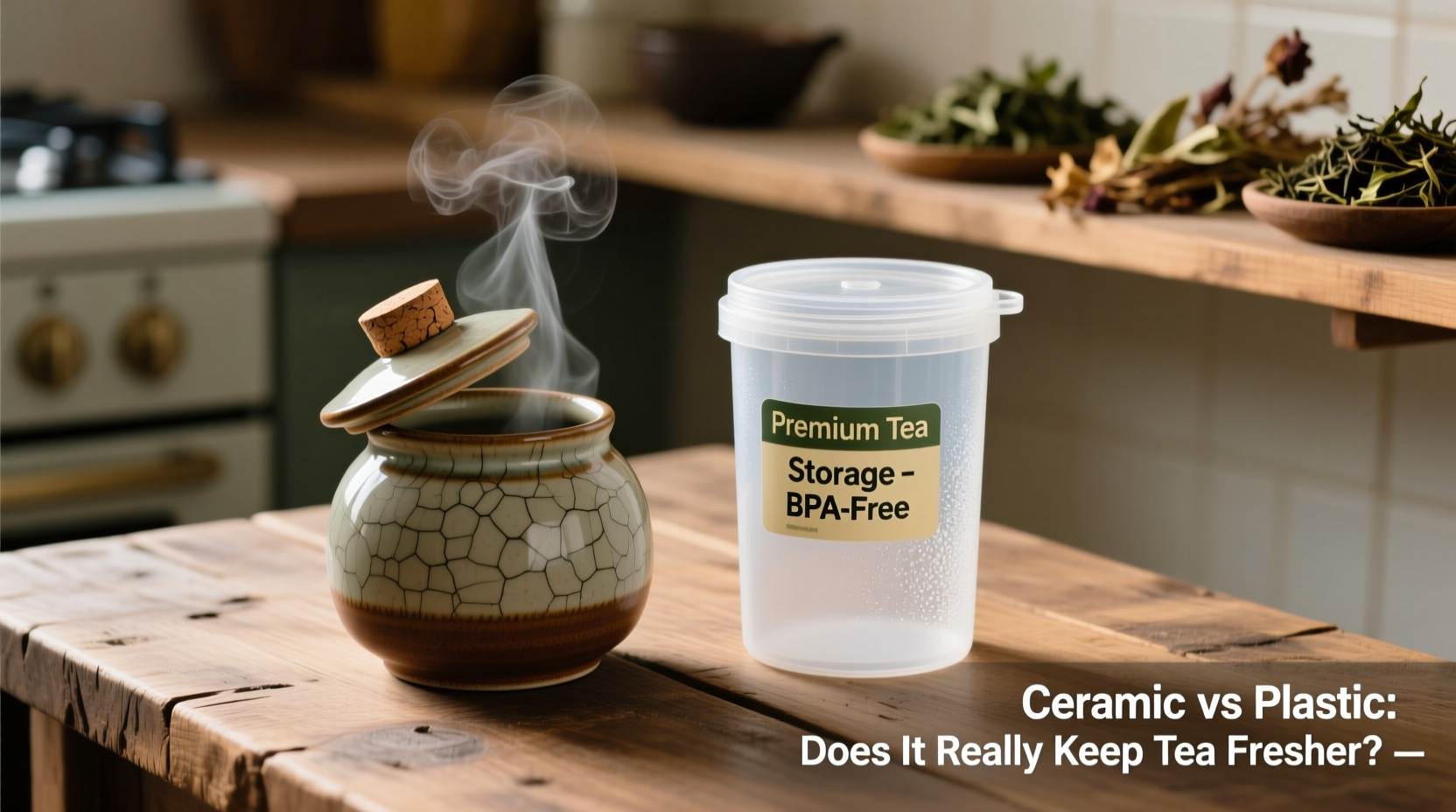
Tea leaves are delicate. Once harvested and processed, they begin to degrade due to four main factors: oxygen, light, moisture, and temperature fluctuations. Oxidation dulls flavor, UV exposure degrades chlorophyll and essential oils, humidity encourages mold, and heat accelerates chemical breakdown. The ideal storage solution must block these elements as completely as possible.
Airtightness is the most critical feature. Even small gaps allow oxygen to seep in, leading to stale flavors over time. Light-blocking properties matter especially for green and white teas, which are minimally oxidized and highly sensitive. Moisture resistance ensures clumping doesn’t occur, while thermal stability prevents internal condensation during temperature shifts.
Tip: Regardless of material, always check the seal. A poorly sealed ceramic jar performs worse than a well-designed plastic one.Ceramic Canisters: Tradition Meets Functionality
Ceramic tea canisters have long been associated with elegance and tradition. Often glazed, hand-painted, or crafted from stoneware, they’re popular in Japanese, Chinese, and European tea cultures. But beyond aesthetics, ceramics offer tangible benefits.
Dense, high-fired ceramics are naturally non-porous when properly glazed, making them excellent barriers against moisture and air. They also provide near-total protection from light, preserving volatile compounds in delicate teas. Because ceramic is an inert material, it doesn’t leach chemicals into the contents—a concern sometimes raised with lower-grade plastics.
However, not all ceramic canisters are created equal. The quality of the glaze, the fit of the lid, and the presence of a rubber or silicone gasket determine actual performance. A loosely fitting wooden lid, while beautiful, may compromise airtightness. On the flip side, modern ceramic jars often include locking mechanisms or vacuum seals, closing the gap between form and function.
“Ceramic has been used for centuries to store tea in China and Japan because it stabilizes temperature and blocks light effectively. When paired with a proper seal, it’s among the best natural materials available.” — Dr. Lin Mei, Food Preservation Researcher at Kyoto University
Plastic Canisters: Practicality and Innovation
Plastic tea containers are often dismissed as cheap or inferior, but modern food-grade plastics—especially those labeled BPA-free and made from polypropylene or PET—can be highly effective. Many are engineered specifically for dry goods storage, featuring airtight silicone gaskets, UV-blocking tints, and even one-way valves to release internal pressure without letting air in.
Their lightweight nature makes them convenient for travel or daily use. Some brands design stackable, modular systems that maximize kitchen space. Transparent models allow visual inspection of tea levels without opening the container, reducing unnecessary exposure.
Yet drawbacks remain. Thin or low-density plastics may absorb odors over time, especially with strongly scented teas like Earl Grey. Scratches from cleaning can harbor bacteria or compromise structural integrity. And despite recycling efforts, most plastic tea tins end up in landfills, raising sustainability concerns.
Direct Comparison: Ceramic vs Plastic
| Feature | Ceramic | Plastic |
|---|---|---|
| Airtightness | High (with proper seal) | Variable (depends on design) |
| Light Protection | Excellent (opaque) | Fair to Good (if tinted/covered) |
| Moisture Resistance | Very High | High (in quality models) |
| Thermal Stability | High (slow heat transfer) | Moderate (can sweat in humidity) |
| Durability | Fragile (breaks if dropped) | Durable (impact-resistant) |
| Eco-Friendliness | High (long lifespan, recyclable) | Low (microplastics, slow decomposition) |
| Cost | Higher ($25–$60+) | Lower ($10–$30) |
Real-World Performance: A Mini Case Study
Sophie, a tea sommelier in Portland, conducted a six-month test comparing two batches of sencha green tea. One was stored in a glazed ceramic canister with a silicone-sealed bamboo lid; the other in a BPA-free, opaque plastic container with a click-lock lid. Both were kept in a dark pantry away from the stove.
After three months, the plastic-stored tea showed slight oxidation at the edges of the leaves and a flatter aroma. By month six, the flavor had mellowed significantly, losing its signature grassy brightness. The ceramic-stored tea remained vibrant, with minimal color change and a crisp, fresh scent upon opening.
Sophie concluded that while both containers offered decent protection, the ceramic’s superior thermal mass and consistent seal made a measurable difference—especially for sensitive green teas. “It’s not magic,” she noted, “but it’s physics. Ceramic buffers temperature swings better, and my model has a tighter closure.”
What Experts Recommend: A Balanced Approach
Many tea professionals advocate a tiered storage system. Buy tea in bulk and store it in a large, airtight ceramic or metal container in a cool cupboard. Then portion out a week or two’s supply into a smaller, easy-access container—plastic or ceramic—for daily use. This limits how often the primary stash is exposed to air.
For aged teas like pu-erh, which benefit from slow oxidation, neither extreme sealing nor plastic is ideal. Instead, breathable ceramic or clay jars stored in stable conditions allow gentle maturation.
Tip: Label your canisters with purchase dates. Even the best storage won’t stop gradual degradation. Use older tea first.Checklist: Choosing the Right Tea Canister
- ✅ Ensure the container has an airtight seal (rubber or silicone gasket preferred)
- ✅ Choose opaque materials to block light, especially for green, white, or herbal teas
- ✅ Avoid transparent plastic unless it’s UV-protected
- ✅ Check that the interior is odor-free and non-reactive
- ✅ Prioritize wide mouths for easy access and cleaning
- ✅ Consider weight and durability if you travel with tea
- ✅ Look for certifications: BPA-free, food-safe glaze, lead-free ceramic
Frequently Asked Questions
Can plastic canisters affect the taste of tea?
Low-quality plastics, especially those exposed to heat or sunlight, can leach chemicals or absorb odors, potentially altering tea flavor. High-grade, BPA-free plastics designed for food storage minimize this risk, but inert materials like ceramic or glass are safer for long-term use.
Is ceramic really better than plastic for keeping tea fresh?
In controlled conditions, yes—ceramic generally offers better insulation, light blocking, and longevity. However, a high-end plastic container with a perfect seal can outperform a poorly made ceramic one. The key is construction quality, not just material.
How long does tea stay fresh in each type of canister?
Green and white teas last 6–8 months in ceramic, 4–6 months in plastic under ideal conditions. Black teas can last 12–18 months in either, though ceramic helps preserve peak flavor longer. Herbal blends vary but typically hold quality for 6–12 months.
Final Verdict: Beyond the Hype
The idea that ceramic tea canisters keep tea fresher isn’t hype—it’s supported by material science and centuries of tradition. Their density, thermal stability, and impermeability give them a functional edge, especially for delicate teas. But that doesn’t mean plastic is useless. Well-designed, high-quality plastic containers offer convenience, affordability, and surprisingly good protection for everyday use.
The truth lies in intentionality. No container can fully stop degradation, but the right one slows it meaningfully. Whether you choose ceramic or plastic, focus on airtightness, darkness, and consistency. Store your tea away from windows, stoves, and sinks. Rotate stock. And remember: no matter how beautiful the jar, freshness begins the moment the tea is harvested.
💬 What’s in your tea cabinet? Share your favorite canister brand or storage hack in the comments—let’s build a community guide to fresher, better-tasting tea!








