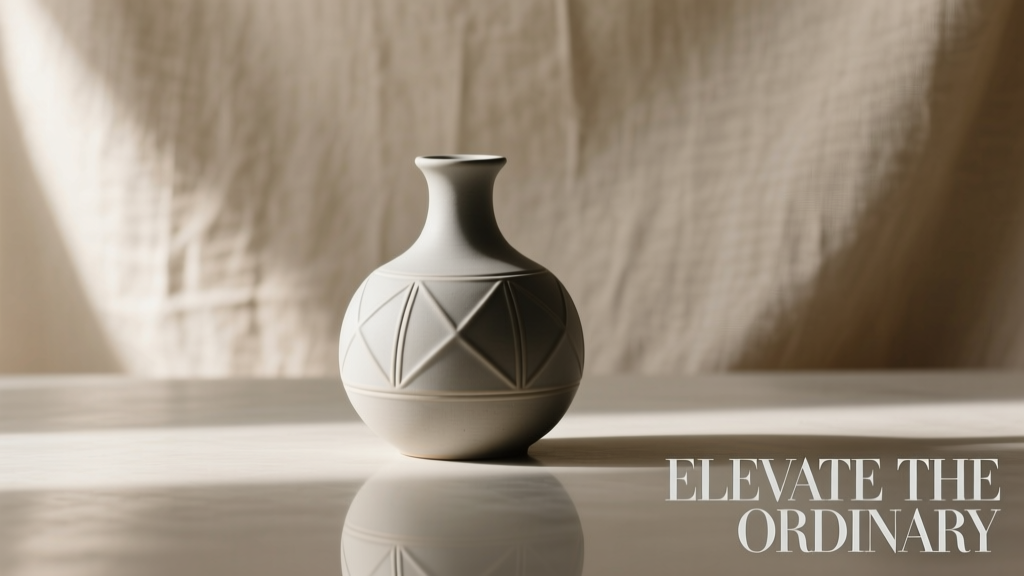
Types of Ceramic Stew Bowls
A ceramic stew bowl is more than just a serving dish—it's a functional piece of tableware designed to enhance both cooking and dining experiences. Whether you're a restaurant owner, retailer, or home chef, choosing the right type of stew bowl impacts food presentation, heat retention, and overall usability. Buyers can find a wide variety of these high-quality ceramic stew bowls in wholesale offers on platforms like Alibaba, making them ideal for bulk purchases and commercial use.
Traditional Japanese Stew Bowl
Rooted in centuries-old culinary traditions, these bowls are crafted for authenticity and elegance. Designed primarily for sashimi, miso soup, and other Japanese delicacies, they feature wide mouths and deep, spacious interiors that accommodate generous portions of soup, rice, or hearty stews.
Advantages
- Perfect for traditional Japanese cuisine
- Wide opening allows easy access to food
- Made from premium ceramics for long-term use
- Eye-catching designs enhance table aesthetics
Considerations
- May be more delicate than modern variants
- Hand-washing often recommended to preserve finish
- Limited compatibility with very high-heat cooking
Best for: Sushi bars, Japanese restaurants, home chefs seeking authentic presentation
Antique Ceramic Stew Bowl
These vintage-inspired bowls blend artistry and function, featuring intricate hand-painted patterns, earthy glazes, and timeless craftsmanship. Often modeled after historical designs, they bring a sense of heritage and sophistication to any dining setting.
Advantages
- Unique, artistic appearance ideal for upscale dining
- Adds elegance and character to table settings
- Versatile for soups, chilies, stews, and casseroles
- Each piece often has individual charm and history
Limitations
- May not be microwave or dishwasher safe
- Higher cost due to artisanal production
- More fragile than standard ceramic options
Best for: Fine dining establishments, gift shops, collectors, and special occasion meals
Double Handle Stew Bowl
Engineered for practicality and safety, double handle stew bowls are perfect for serving hot dishes. Their dual handles provide a secure grip, reducing the risk of spills when transporting soup or stew from kitchen to table—especially important in busy restaurant environments.
Advantages
- Ergonomic design with heat-resistant handles
- Ideal for family-style or buffet service
- Sturdy construction supports heavy, liquid-filled meals
- Excellent for communal dining and sharing
Considerations
- Slightly bulkier than standard bowls
- May require more storage space
- Handles can chip if mishandled
Best for: Family dinners, catering services, restaurants, and outdoor events
Large Capacity Ceramic Stew Bowl
Designed for gatherings and meal prep, these spacious bowls offer generous volume—perfect for serving large portions or mixing ingredients. Their robust ceramic construction ensures durability, while their microwave-safe properties make them ideal for reheating or cooking.
Advantages
- Holds large portions for groups or meal prep
- Great for mixing, serving, and storing food
- Heat-resistant for microwave and oven use
- Reduces the need for multiple dishes during service
Limitations
- Heavier when full, requiring careful handling
- May not fit in smaller cabinets or dishwashers
- Can be awkward for individual servings
Best for: Family kitchens, catering, holiday meals, and batch cooking
Microwave Durable Ceramic Stew Bowl
Engineered for modern convenience, these bowls are built to withstand repeated microwave and oven use without cracking or warping. Made from high-grade, thermal-shock-resistant ceramics, they’re perfect for reheating leftovers, baking small casseroles, or preparing quick meals.
Advantages
- Safe for microwave, oven, and freezer use
- Resists cracking under rapid temperature changes
- Sleek, minimalist designs suit casual to formal settings
- Easy to clean and maintain
Considerations
- Premium pricing compared to basic ceramics
- May lack decorative flair of artisanal bowls
- Glaze quality varies by manufacturer
Best for: Everyday use, office lunches, quick meals, and households prioritizing convenience
| Type | Heat Resistance | Capacity | Best Use Case | Dishwasher Safe |
|---|---|---|---|---|
| Traditional Japanese | Medium | Medium to Large | Authentic Japanese cuisine | Varies (often hand-wash recommended) |
| Antique Ceramic | Low to Medium | Medium | Elegant dining, special occasions | Rarely (delicate finish) |
| Double Handle | High | Large | Family meals, restaurants | Mostly Yes |
| Large Capacity | High | X-Large | Meal prep, gatherings | Typically Yes |
| Microwave Durable | Very High | Medium to Large | Daily cooking, reheating | Almost Always |
Buying Tip: When purchasing ceramic stew bowls in bulk from suppliers like Alibaba, request samples first to assess glaze quality, weight, and heat resistance. Look for lead-free, food-grade ceramics that meet international safety standards (e.g., FDA or LFGB) for commercial use.
Designs of Ceramic Stew Bowls: Aesthetic and Functional Variety
Ceramic stew bowls are more than just functional kitchenware—they are a blend of artistry, craftsmanship, and practicality. Manufacturers carefully consider design elements to meet diverse consumer preferences, from everyday usability to decorative elegance. Below is an in-depth exploration of the most popular ceramic stew bowl designs, each offering unique visual appeal and suitability for different dining environments and interior themes.
Minimalist Design
Minimalist ceramic stew bowls embrace the philosophy of "less is more," focusing on clean lines, smooth surfaces, and understated elegance. These bowls typically feature simple, rounded or angular silhouettes with neutral color palettes such as white, gray, beige, or soft black. The absence of intricate patterns allows the natural texture and quality of the ceramic to shine through.
Ideal for modern kitchens and Scandinavian-inspired interiors, minimalist bowls offer timeless versatility. They seamlessly transition from weekday family meals to formal dinner parties, complementing a wide range of table settings. Their durability and ease of cleaning also make them a favorite for daily use, combining practicality with refined aesthetics.
Ocean Wave Pattern Design
Evoking the serene motion of the sea, ocean wave pattern ceramic bowls showcase flowing blue-green glazes that mimic the natural ripples and depths of water. The hand-applied glazing technique ensures that no two bowls are exactly alike—each features unique swirls, gradients, and depth variations, making them true artisan pieces.
These bowls bring a calming, coastal ambiance to any dining space, making them perfect for beach houses, seaside restaurants, or homes with nautical decor. Despite their artistic flair, they remain fully functional for serving stews, soups, and chowders. Their soothing visual effect enhances the dining experience, promoting relaxation and connection with nature.
Embossed Floral Design
Embossed floral ceramic bowls celebrate the beauty of nature through raised or intricately painted floral motifs. These designs often feature roses, daisies, cherry blossoms, or wildflowers, rendered in soft pastels or earthy tones like blush pink, sage green, and cream. The embossing adds tactile dimension, allowing light to play across the petals and leaves for a dynamic visual effect.
Perfect for springtime gatherings, brunches, or romantic dinners, these bowls infuse warmth and charm into the table setting. They are especially popular in cottage-style, shabby chic, or vintage-themed interiors. Beyond aesthetics, the raised patterns can help insulate heat, keeping stews warm longer while adding an heirloom-quality feel to everyday dining.
Artistic Color Splash Design
For those who embrace bold self-expression, artistic color splash ceramic bowls are a vibrant choice. These pieces feature dynamic, abstract splatters of glaze in contrasting hues—such as cobalt blue, fiery red, sunflower yellow, and emerald green—applied with expressive brushwork or drip techniques. Each bowl is a one-of-a-kind creation, reflecting the spontaneity of modern art.
These bowls serve not only as tableware but also as conversation starters and decorative centerpieces. They are ideal for creative households, art studios, or eclectic dining rooms where individuality is celebrated. While best suited for casual meals, their striking appearance can elevate even simple dishes into a visually engaging experience.
Geometric Motif Design
Geometric motif ceramic bowls combine precision and modernity through structured patterns such as triangles, hexagons, chevrons, or concentric circles. These designs rely on symmetry, sharp lines, and high-contrast color combinations—like black-and-white, navy-and-gold, or terracotta-and-cream—to create a bold graphical impact.
Favored in contemporary, industrial, and mid-century modern interiors, geometric bowls add a sense of order and sophistication to the dining table. Their architectural appeal makes them stand out in curated tablescapes, while their sturdy construction ensures they remain practical for everyday use. Whether used for serving hearty stews or displayed as art objects, these bowls bridge function and modern design.
| Design Style | Best For | Key Features |
|---|---|---|
| Minimalist | Modern homes, daily use, formal settings | Neutral colors, clean shapes, timeless elegance |
| Ocean Wave Pattern | Coastal themes, relaxation-focused spaces | Unique glaze swirls, soothing blue-green tones |
| Embossed Floral | Spring decor, vintage styles, warm interiors | 3D floral patterns, soft natural colors |
| Artistic Color Splash | Casual dining, creative spaces, decor accents | Vibrant, unpredictable color patterns |
| Geometric Motif | Contemporary design, styled tablescapes | Sharp lines, symmetry, high contrast |
Tip: When selecting ceramic stew bowls, consider both aesthetic harmony with your kitchen or dining decor and practical factors such as microwave, oven, and dishwasher safety. Handcrafted or glazed pieces may have specific care requirements to preserve their finish and longevity. Always check manufacturer guidelines to ensure your beautiful bowls remain functional and stunning for years to come.
How to Choose Ceramic Stew Bowls
Selecting the perfect ceramic stew bowl goes beyond aesthetics—it involves understanding material properties, functionality, durability, and care requirements. Whether for everyday meals or special occasions, choosing the right bowl enhances both the dining experience and kitchen efficiency. Below are key considerations to guide buyers in making informed decisions.
Material Type and Quality
The type of ceramic used significantly impacts the bowl’s durability, heat retention, and overall performance. While all ceramic bowls share a handcrafted charm, their composition varies, affecting suitability for different uses.
- Porcelain: Known for its smooth, non-porous surface and elegant appearance, porcelain retains heat exceptionally well and is ideal for serving hot soups and stews. It’s more refined but can be fragile if dropped.
- Stoneware: Denser and more durable than porcelain, stoneware is excellent for daily use. Its superior thermal retention keeps food warm longer and withstands frequent handling.
- Earthenware: Offers a rustic, artisanal look with a more porous structure. Often glazed for protection, it’s best suited for decorative or light-use settings rather than heavy-duty cooking.
Expert insight: High-fired ceramics generally offer better strength and longevity, especially for oven-to-table use.
Chip and Crack Resistance
Daily use exposes bowls to knocks, drops, and temperature fluctuations. Choosing chip-resistant designs ensures long-term value and safety.
- Look for bowls with reinforced rims or thicker walls, which resist chipping from utensils or accidental impacts.
- High-quality glazes not only enhance appearance but also create a protective layer that reduces surface wear and micro-cracking.
- Avoid bowls with thin edges or intricate detailing in high-traffic areas, as these are more prone to damage.
- Thermal shock resistance is crucial—bowls that can handle sudden temperature changes (e.g., from fridge to oven) are less likely to crack.
Pro tip: Test for durability by checking manufacturer claims about thermal stability and impact resistance.
Size, Shape, and Functionality
The design of a stew bowl should match both culinary needs and aesthetic preferences. The right shape enhances serving ease and portion control.
- Deep, rounded bowls (3–4 inches deep) are ideal for soups, stews, and pasta, minimizing spills and retaining heat.
- Wide, shallow bowls work well for salads, grain bowls, or dishes where easy access with a fork or spoon is important.
- Consider capacity: Standard soup portions range from 12–20 oz; ensure the bowl size aligns with typical servings.
- Handles or rolled rims improve grip and comfort, especially when serving hot dishes.
Design note: Matching the bowl style to your existing dinnerware creates a cohesive, inviting table setting.
Oven, Microwave, and Dishwasher Safety
Versatility is a major advantage of quality ceramic bowls. Multi-functional bowls save time and space in the kitchen.
- Ensure the bowl is labeled oven-safe (typically up to 500°F/260°C) for reheating or baking dishes like French onion soup.
- Microwave-safe certification means the ceramic won’t absorb radiation or overheat during quick reheat cycles.
- Many modern stoneware and porcelain bowls are dishwasher-safe, making cleanup convenient—check manufacturer guidelines to avoid glaze degradation over time.
- Avoid bowls with metallic trims or paints in microwaves or ovens, as they can spark or crack.
Key benefit: Oven-to-table bowls eliminate the need for transferring food, preserving heat and presentation.
Care and Maintenance
Proper care extends the life of ceramic bowls and maintains their appearance. Understanding cleaning requirements helps prevent premature wear.
- Bowls labeled dishwasher-safe can be cleaned effortlessly, though handwashing is gentler on delicate glazes.
- Avoid extreme temperature changes—don’t place a hot bowl directly into cold water, as this may cause thermal shock and cracking.
- Use non-abrasive sponges and mild detergents to preserve the glaze and prevent scratching.
- Store bowls with protective padding or use stackable designs with rim guards to prevent chipping.
Maintenance tip: Handwashing extends the life of decorative or handcrafted pieces, especially those with matte or textured finishes.
Style and Aesthetic Integration
Ceramic bowls contribute to the visual appeal of your kitchen and dining space. Thoughtful selection enhances both utility and ambiance.
- Neutral tones (white, gray, cream) offer timeless versatility and pair well with any décor.
- Vibrant or hand-painted designs add character and work well for casual or themed meals.
- Matte finishes provide a modern, minimalist look, while glossy glazes reflect light and add elegance.
- Consider matching sets or mix-and-match styles depending on your serving preferences.
Interior design tip: Cohesive tableware creates a polished, intentional dining experience.
Professional Recommendation: For most households, high-quality stoneware bowls offer the best balance of durability, heat retention, and ease of care. They are suitable for everyday use, oven-safe, and often dishwasher-friendly. Porcelain is excellent for formal dining, while earthenware suits rustic or decorative displays. Always verify safety labels and prioritize reinforced, thick-rimmed designs for families or high-traffic kitchens.
| Material Type | Heat Retention | Durability | Care Level | Best Use Case |
|---|---|---|---|---|
| Porcelain | Excellent | Moderate (delicate if dropped) | Low to Moderate (avoid thermal shock) | Formal dining, tea service, elegant presentations |
| Stoneware | Very Good | High (chip-resistant, sturdy) | Low (often dishwasher & oven safe) | Everyday meals, family dinners, oven-to-table serving |
| Earthenware | Fair | Moderate (more porous, less dense) | Moderate to High (handwashing recommended) | Decorative use, light meals, rustic settings |
Additional Considerations
- Glaze Safety: Ensure the glaze is lead-free and food-safe, especially for brightly colored or handcrafted pieces.
- Weight: Heavier bowls often indicate thicker walls and better durability, but may be less comfortable for children or elderly users.
- Stackability: Look for bowls designed to stack neatly, saving cabinet space and reducing edge contact that leads to chipping.
- Eco-Friendliness: Locally made or sustainably fired ceramics reduce environmental impact and support artisan craftsmanship.
- Brand Reputation: Trusted brands often provide detailed usage instructions and warranties, reflecting confidence in product quality.
Scenario-Based Guide: How to Use Ceramic Stew Bowls in Everyday Life
Ceramic stew bowls are more than just functional kitchenware—they enhance the dining experience across a variety of settings. From intimate family meals to festive gatherings, their durability, aesthetic appeal, and versatility make them a staple in modern households. This guide explores five real-life scenarios where ceramic bowls elevate both practicality and presentation, helping buyers envision how these pieces can seamlessly integrate into their lifestyles.
Design Insight: High-quality ceramic bowls combine thermal retention, microwave safety, and chip-resistant construction, making them ideal for both cooking and serving. Their timeless appearance complements a wide range of table settings, from rustic to contemporary.
1. Cozy Family Dinner – Warmth and Togetherness at the Table
There’s something inherently comforting about gathering around the dinner table with a warm meal in hand—and ceramic stew bowls are perfectly suited for this moment. Designed for everyday use, they retain heat exceptionally well, keeping soups, stews, chili, and pasta dishes warm throughout the meal.
- Durability: Resistant to scratches and chipping, ceramic bowls withstand frequent use by children and adults alike.
- Comfort: Ergonomic shapes with gently curved rims provide a comfortable grip and enhance the sensory experience.
- Aesthetic Appeal: Available in a variety of glazes and finishes, they add a touch of elegance to casual weeknight dinners, encouraging mindful eating and family conversation.
Whether it’s a hearty beef stew on a rainy evening or creamy mac and cheese on movie night, ceramic bowls turn routine meals into cherished rituals.
2. Elegant Formal Dining – Sophistication on Display
When hosting a dinner party or celebrating a special occasion, presentation matters. Ceramic bowls offer an elevated look that complements fine tableware and linen. Handcrafted or artisan-designed pieces with intricate patterns or glossy finishes serve as both dishware and décor.
- Gourmet Pairing: Ideal for serving upscale dishes like lobster bisque, risotto, or French onion soup with melted Gruyère.
- Table Styling: Coordinates beautifully with charger plates, cloth napkins, and candlelight for a refined tablescape.
- Host’s Touch: Thoughtfully chosen bowls reflect attention to detail, showcasing your taste and hospitality.
Unlike disposable or plastic alternatives, ceramic bowls convey permanence and care—qualities that resonate with guests during formal gatherings.
3. Casual Outdoor Gathering – Style Meets Practicality
From backyard barbecues to garden picnics, ceramic bowls bring a polished touch to outdoor dining. While lightweight enough to carry, they remain sturdy for serving salads, fruit medleys, cold pasta dishes, or dips.
- Portability: Easy to transport and stackable for efficient storage and setup.
- Weather Resistance: Unlike melamine or plastic, high-fired ceramic resists staining and odor absorption, even after repeated use.
- Visual Harmony: Earthy tones and natural glazes blend beautifully with outdoor settings, enhancing the ambiance of al fresco dining.
Tip: Use trivets or fabric liners to protect surfaces and prevent slipping on picnic tables. Their elegant appearance ensures your outdoor setup feels intentional and inviting.
4. Comforting Meal for Oneself – Mindful Solo Dining
In today’s fast-paced world, taking time for oneself is essential—and ceramic bowls encourage slower, more intentional eating. Whether reheating leftovers or preparing a simple meal, using a well-designed bowl transforms solo dining from a chore into a self-care ritual.
- Microwave-Safe: Safely reheat rice bowls, curries, oatmeal, or ramen without transferring dishes.
- Portion Control: The ideal size helps manage serving amounts, promoting healthier eating habits.
- Emotional Comfort: A beautiful bowl makes even a quick meal feel special, inviting you to sit down, relax, and savor each bite.
For remote workers, students, or anyone living alone, ceramic bowls provide a sense of warmth and normalcy in daily routines.
5. Festive Buffet Style Serving – Celebration in Every Dish
During holidays or festive events, buffet-style serving allows guests to help themselves while maintaining an attractive display. Ceramic bowls are perfect for presenting a variety of side dishes in an organized, visually appealing way.
- Versatile Serving: Showcase mashed potatoes, roasted vegetables, stuffing, casseroles, or desserts like fruit compote and pudding.
- Heat Retention: Keeps warm dishes at an ideal temperature longer than metal or glass alternatives.
- Themed Coordination: Mix and match colors or patterns to match seasonal décor—think deep reds for Christmas or pastels for spring brunches.
Grouping multiple ceramic bowls on a serving table creates a cohesive, restaurant-quality presentation that enhances the celebratory mood.
| Usage Scenario | Ideal Dishes | Key Benefits | Styling Tips |
|---|---|---|---|
| Cozy Family Dinner | Stews, soups, pasta, chili | Durable, heat-retaining, family-friendly | Pair with wooden spoons and woven placemats |
| Elegant Formal Dining | Risotto, bisque, gourmet entrées | Artistic design, premium feel | Match with fine cutlery and wine glasses |
| Casual Outdoor Gathering | Salads, fruit, dips, cold sides | Stylish yet practical, stain-resistant | Use with patterned napkins and mason jars |
| Comforting Meal for Oneself | Rice bowls, curry, oatmeal, leftovers | Microwave-safe, promotes mindful eating | Add a cozy blanket and soft lighting |
| Festive Buffet Serving | Mashed potatoes, casseroles, veggies, desserts | Heat retention, aesthetic consistency | Arrange in height tiers with greenery accents |
Pro Tip: Invest in a matching set of ceramic bowls for maximum versatility. Having uniform pieces simplifies serving, enhances visual appeal, and ensures you're prepared for any occasion—from quiet nights in to large celebrations.
Final Thoughts: More Than Just a Bowl
Ceramic stew bowls are a smart, stylish investment for any kitchen. Their ability to transition seamlessly between casual and formal settings, combined with functional benefits like microwave safety and durability, makes them indispensable. Whether you're cooking for one or hosting a holiday feast, these bowls enrich the experience—turning every meal into a moment worth savoring.
When shopping for ceramic bowls, consider size, weight, glaze finish, and ease of cleaning to find the perfect fit for your lifestyle. With the right set, you’re not just buying dishware—you’re curating the atmosphere of your home.
Frequently Asked Questions About Ceramic Stew Bowls
Q1: How do buyers store ceramic stew bowls to prevent them from breaking?Proper storage is essential to extend the lifespan of ceramic stew bowls and protect their integrity. To minimize the risk of chipping, cracking, or shattering, follow these best practices:
- Choose a dry, stable environment: Store bowls in a cool, dry place away from humidity and temperature fluctuations, which can cause expansion and contraction leading to cracks.
- Avoid stacking when possible: If stacking is necessary, place a soft cloth, felt liner, or padded shelf liner between each bowl to prevent direct contact and reduce friction.
- Keep away from heavy objects: Ensure that no heavy kitchenware or appliances are placed on or near the bowls, which could cause accidental damage if knocked over.
- Use cabinet dividers or organizers: Consider using drawer or cabinet dividers to keep bowls upright and separated, especially if storing multiple pieces.
By taking these precautions, users can preserve both the functionality and aesthetic appeal of their ceramic stew bowls for years to come.
Q2: Do ceramic soup bowls work well in retail shops?Yes, ceramic soup bowls are highly effective and popular in retail environments due to their versatility, visual appeal, and functional benefits. Retailers benefit from offering these bowls for several reasons:
- Strong customer appeal: The natural, handcrafted look of ceramic bowls attracts customers seeking both utility and style in their kitchenware.
- Versatile product offerings: Available in a wide range of colors, glazes, and designs, ceramic bowls can be sold individually or as curated sets, increasing average transaction value.
- Wholesale scalability: Many suppliers offer bulk purchasing options, enabling retailers to stock diverse collections at competitive prices while maintaining healthy profit margins.
- Cross-merchandising potential: These bowls pair well with other dining and home decor items such as placemats, mugs, and serving trays, encouraging bundled sales.
- Gift market suitability: Their elegant appearance makes them ideal for gifting, especially during holidays or special occasions.
For maximum impact, retailers should display ceramic bowls in lifestyle settings—arranged with food or in tablescapes—to highlight their practical and decorative uses.
Q3: What kind of ceramic material are bowls suitable for putting in a kiln made from?Ceramic bowls intended for kiln firing must be made from materials that can withstand high temperatures and thermal stress. The most suitable clays include:
| Clay Type | Firing Temperature Range | Key Properties | Common Uses |
|---|---|---|---|
| Stoneware | 1,200°C – 1,300°C (2,192°F – 2,372°F) | Durable, non-porous, and resistant to thermal shock after glazing | Ideal for functional dinnerware, including stew and soup bowls |
| Porcelain | 1,250°C – 1,450°C (2,282°F – 2,642°F) | Smooth, translucent, and extremely strong when fired properly | Used for high-end tableware and artistic ceramics |
| Earthenware | 1,000°C – 1,150°C (1,832°F – 2,102°F) | Porous and less durable unless glazed; easier to shape and fire | Popular for decorative pieces and beginner kiln projects |
While stoneware and porcelain are preferred for durable, food-safe bowls, earthenware is commonly used in educational settings and home kiln experiments due to its lower firing requirements. Always ensure proper glazing for food contact safety and thermal resilience.
Q4: How does one take care of bowls made of ceramics?Proper care ensures longevity and maintains the beauty of ceramic bowls. Care routines vary depending on the type of ceramic and glaze, but general guidelines include:
- Check manufacturer instructions: Some ceramics are dishwasher-safe, while others require hand washing to preserve delicate finishes or hand-painted details.
- Hand wash when in doubt: Use warm water, mild detergent, and a soft sponge. Avoid steel wool or abrasive cleaners that can scratch the glaze.
- Avoid prolonged soaking: Extended exposure to water, especially in unglazed areas, may lead to moisture absorption and weakening over time.
- Prevent thermal shock: Do not transfer bowls directly from the freezer to a hot oven or microwave. Sudden temperature changes can cause cracking.
- Microwave and oven use: Only use ceramics labeled as microwave- or oven-safe. Even then, avoid extreme heat settings and monitor for signs of wear.
- Storage tips: As mentioned earlier, store carefully to avoid chipping or breakage.
Regular inspection for cracks, crazing (fine glaze cracks), or chips helps identify when a bowl should be retired from food use for safety reasons.
Q5: What are the most common uses of ceramic stew bowls among buyers?Ceramic stew bowls are valued not only for their functionality but also for their aesthetic versatility. Buyers use them in a variety of ways across different settings:
- Serving hot meals: Ideal for soups, stews, ramen, oatmeal, and curries due to their heat retention and deep design.
- Dining and table presentation: Their warm, artisanal appearance enhances table settings and complements modern, rustic, or traditional interiors.
- Decorative displays: Used as centerpieces or styled with faux food, candles, or seasonal items (e.g., pinecones in winter) for home decor.
- Kitchen organization: Repurposed for holding utensils, fruit, snacks, or dry ingredients on countertops.
- Gifting and collections: Often purchased as part of matched sets or as thoughtful gifts for housewarmings, weddings, or holidays.
- Artistic expression: Handmade or custom-painted bowls serve as unique expressions of personal style or cultural heritage.
Their dual role as both functional dishware and decorative objects makes ceramic stew bowls a favorite among homeowners, chefs, and interior designers alike.









