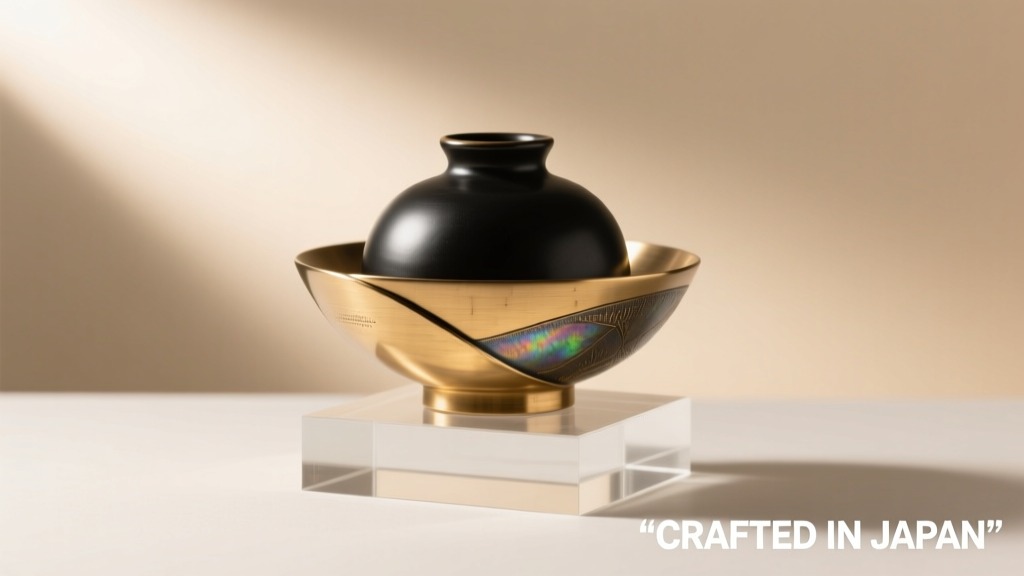
Types of Ceramic Liquid Paint
Ceramic liquid paint is an advanced coating technology that combines the durability of ceramic materials with the versatility of liquid-based application. These paints are engineered for a wide range of environments and performance needs, offering enhanced resistance to heat, UV radiation, chemicals, and wear. Available in multiple formulations, each type of ceramic paint is tailored for specific applications—from automotive finishes to industrial insulation.
Durable Acrylic-Based Ceramic Paint
A high-performance hybrid that blends acrylic enamel with ceramic microspheres for superior adhesion and longevity.
Advantages
- Excellent adhesion to previously painted surfaces
- Fast-drying formula suitable for multiple substrates
- Lightweight finish due to ceramic microspheres
- Versatile use across automotive, industrial, and artistic projects
- Enhanced durability and scratch resistance
Limitations
- May require surface priming for optimal results
- Less heat-resistant than epoxy or thermal variants
- Limited chemical resistance in harsh environments
Best for: Automotive touch-ups, artistic finishes, general-purpose industrial coating
High-Temperature Epoxy Ceramic Coating
Engineered for extreme environments, this coating withstands intense heat and corrosive substances.
Advantages
- Withstands temperatures up to 1200°F (650°C)
- Exceptional resistance to chemical corrosion
- Long-term protection for high-stress components
- Ideal for metal surfaces exposed to constant thermal cycling
Limitations
- Requires precise application and curing conditions
- Higher cost compared to standard paints
- Not suitable for flexible or non-metal substrates
Best for: Exhaust systems, engines, turbines, aerospace components
Water-Based Ceramic Liquid Paint
An eco-friendly alternative with low volatile organic compounds (VOCs), making it safer for indoor and residential use.
Advantages
- Environmentally friendly with minimal odor
- Easy water-based cleanup—no harsh solvents required
- Safer for DIY users and home environments
- Quick drying and low toxicity
- Good adhesion on a variety of surfaces
Limitations
- Slightly lower durability than solvent-based options
- May require multiple coats for full coverage
- Less resistant to high moisture or UV exposure
Best for: Home decor, crafts, interior walls, furniture, and child-safe projects
Thermal-Insulating Ceramic Coating
Specialized formulation designed to reflect and block heat transfer, significantly improving energy efficiency.
Advantages
- Reduces heat transfer by up to 90%
- Can lower energy costs by up to 30%
- Protects equipment from heat damage and thermal stress
- Applied to pipes, boilers, roofs, and industrial machinery
- Non-toxic and non-flammable when cured
Limitations
- Requires professional application for best results
- Higher upfront cost
- May need periodic inspection and reapplication
Best for: Industrial pipelines, HVAC systems, roofing, energy-efficient buildings
High-Gloss Ceramic Paint
Delivers a mirror-like, reflective finish with long-lasting shine and protection.
Advantages
- Premium glossy finish enhances visual appeal
- Highly resistant to fading, UV rays, and oxidation
- Easy to clean—resists dirt, grime, and water spots
- Maintains luster for years with minimal maintenance
- Scratch and chemical resistant
Limitations
- Shows surface imperfections more clearly
- May require professional polishing for flawless results
- Higher cost than matte or satin finishes
Best for: Automotive exteriors, luxury architecture, showrooms, decorative surfaces
| Type | Heat Resistance | Eco-Friendliness | Finish Quality | Primary Use |
|---|---|---|---|---|
| Acrylic-Based Ceramic | Medium | Good | High | General-purpose, automotive, art |
| High-Temp Epoxy Ceramic | Excellent | Fair | Medium | Engines, exhausts, aerospace |
| Water-Based Ceramic | Low | Excellent | Medium | DIY, home decor, crafts |
| Thermal-Insulating Coating | Exceptional | Good | Low | Energy efficiency, industrial |
| High-Gloss Ceramic Paint | Good | Good | Excellent | Automotive, architectural aesthetics |
Expert Tip: For optimal performance, always prepare the surface thoroughly before applying any ceramic paint—clean, sand, and prime as needed. Applying in thin, even coats ensures better adhesion and reduces the risk of cracking or peeling, especially in high-temperature or high-moisture environments.
Features of Ceramic Liquid Paint: Advanced Protection for Modern Surfaces
Ceramic liquid paint represents a breakthrough in protective coating technology, engineered to deliver superior performance across a wide range of applications. Formulated with nano-ceramic particles, this innovative paint goes beyond traditional finishes by offering exceptional resistance to environmental stressors, physical damage, and chemical exposure. Whether used on vehicles, industrial equipment, or architectural surfaces, ceramic liquid paint provides long-lasting protection and enhanced aesthetics.
Core Features and Benefits of Ceramic Liquid Paint
Durability and Hardness
Ceramic liquid paint is renowned for its extraordinary durability, making it highly resistant to scratches, chips, dents, and general wear and tear. Once cured, the coating forms a rigid, glass-like shield on the surface. This hardness is often measured using the Mohs scale of mineral hardness, with many ceramic coatings achieving a rating of up to 9—just one point below diamond, which scores a 10.
This level of hardness makes ceramic paint ideal for high-impact environments, such as automotive exteriors, industrial machinery, and outdoor structures exposed to abrasive conditions. It significantly reduces the need for frequent repainting or surface restoration.
Heat Resistance
One of the standout properties of ceramic liquid paint is its exceptional ability to withstand extreme temperatures. While conventional paints begin to degrade, blister, or discolor at temperatures above 200°C, many ceramic formulations can endure continuous exposure to heat exceeding 800°C (1,472°F).
This makes ceramic paint a preferred choice for high-heat applications, including exhaust systems, engine components, industrial furnaces, aerospace parts, and power generation equipment. Its thermal stability ensures long-term performance without cracking or peeling under thermal cycling.
Chemical Resistance
Incorporating advanced ceramic compounds, this paint exhibits superior resistance to a broad spectrum of chemicals, including strong acids, alkalis, solvents, and corrosive industrial fluids. This protective barrier prevents chemical penetration and surface degradation, making it invaluable in harsh environments.
Industries such as petrochemical processing, pharmaceuticals, wastewater treatment, and manufacturing rely on ceramic coatings to protect tanks, pipelines, and structural components from chemical attack and corrosion, significantly extending service life and reducing maintenance costs.
UV Stabilization
Ceramic car coatings and architectural paints are specifically engineered to block and reflect harmful ultraviolet (UV) radiation. Prolonged UV exposure can cause fading, oxidation, chalking, and deterioration of both paint and underlying substrates—especially in outdoor applications.
By incorporating UV-stable ceramic particles, this paint prevents photodegradation, preserving color vibrancy and structural integrity over time. This feature is particularly beneficial for vehicles, outdoor equipment, building facades, and marine vessels exposed to direct sunlight.
Electrical Insulation
Many ceramic liquid paints possess excellent dielectric properties, meaning they act as effective electrical insulators. They can resist high voltages and prevent electrical conductivity across coated surfaces.
This makes them ideal for protecting sensitive electronic components, circuit boards, transformers, motors, and electrical enclosures. In high-voltage or high-temperature environments, ceramic insulation coatings enhance safety, prevent short circuits, and improve the reliability of electrical systems.
Water Repellency (Hydrophobicity)
Ceramic liquid paint creates a hydrophobic surface that actively repels water and moisture. This self-cleaning effect causes water to bead up and roll off, carrying dirt, grime, and contaminants with it—a phenomenon often referred to as the "lotus effect."
Beyond improving cleanliness, this water resistance prevents moisture absorption, which helps inhibit rust, corrosion, mold, and mildew formation. It is especially advantageous for automotive finishes, marine coatings, exterior walls, and infrastructure in humid or rainy climates.
| Feature | Performance Level | Key Applications |
|---|---|---|
| Durability & Scratch Resistance | Exceptional (Mohs 8–9) | Automotive, heavy machinery, architectural cladding |
| Heat Resistance | Up to 800°C+ | Exhaust systems, industrial ovens, aerospace components |
| Chemical Resistance | High (acids, alkalis, solvents) | Chemical plants, refineries, storage tanks |
| UV & Weather Resistance | Excellent (no fading or chalking) | Vehicles, outdoor structures, marine vessels |
| Water Repellency | High (hydrophobic surface) | Car coatings, building exteriors, roofing |
| Electrical Insulation | Very Good (high dielectric strength) | Electronics, transformers, electrical enclosures |
Why Choose Ceramic Liquid Paint?
Important: For optimal results, proper surface preparation and application techniques are essential. Always follow manufacturer guidelines for priming, curing, and layering. Inadequate preparation or incorrect application can compromise the coating’s performance and longevity. Consult technical data sheets before use, especially in specialized industrial environments.
Uses of Ceramic Liquid Paint
Ceramic liquid paint is a high-performance coating technology that combines inorganic ceramic materials with liquid resin systems to deliver exceptional durability, thermal resistance, and chemical stability. Its unique properties make it indispensable across a wide range of industrial, commercial, and technological applications. From protecting high-value assets to enhancing functional performance, ceramic liquid paint offers long-term value and operational efficiency.
Protective Coating in Automotive Industry
Ceramic liquid paint is widely used in the automotive sector as a premium protective coating for vehicle exteriors, underbodies, and engine components. It forms a hard, transparent barrier that resists scratches, UV degradation, road salt, and chemical exposure.
- Enhances gloss retention and color vibrancy, keeping vehicles looking newer for longer
- Repels water and contaminants, reducing dirt buildup and simplifying cleaning
- Protects against minor stone chips and swirl marks during daily driving
- Reduces oxidation and paint fading caused by prolonged sun exposure
Key benefit: Extends time between detailing and paint correction services, lowering long-term maintenance costs.
Aerospace Applications
In aerospace engineering, ceramic coatings are critical for safeguarding components exposed to extreme temperatures, pressure fluctuations, and corrosive atmospheres. These coatings are applied to turbine blades, exhaust systems, and fuselage sections using precision spraying techniques.
- Withstands temperatures exceeding 1,200°C (2,200°F) in jet engines
- Prevents oxidation and thermal fatigue in high-stress metal components
- Reduces heat transfer to sensitive internal systems, improving fuel efficiency
- Extends service intervals and enhances flight safety through material protection
Pro tip: Thermal barrier coatings (TBCs) made from yttria-stabilized zirconia are standard in modern aircraft engines.
Electronics Insulation
Ceramic liquid paint serves as an advanced dielectric coating in electronics manufacturing due to its excellent electrical insulation properties and thermal conductivity. It is applied to circuit boards, sensors, and semiconductor housings to ensure reliable operation in demanding environments.
- Prevents electrical arcing and short circuits in high-voltage applications
- Protects sensitive components from moisture, dust, and chemical ingress
- Dissipates heat efficiently, reducing hotspots in densely packed circuits
- Maintains performance stability across wide temperature ranges (-50°C to 300°C)
Critical advantage: Enables miniaturization of electronic devices without compromising safety or durability.
Industrial Equipment Protection
Heavy-duty industrial machinery such as pumps, valves, reactors, and pipelines benefit significantly from ceramic liquid paint coatings. These systems often operate in corrosive or abrasive environments where traditional paints fail prematurely.
- Resists acids, alkalis, solvents, and other aggressive chemicals in chemical processing plants
- Minimizes wear from particulate flow in slurry and fluid-handling equipment
- Extends equipment lifespan by preventing rust and pitting corrosion
- Reduces downtime and lowers the frequency of ceramic coating repair or replacement
Cost-saving insight: A one-time application can delay major overhauls by 2–5 years, depending on operating conditions.
Heat Shielding
Ceramic liquid paint acts as an effective thermal insulator in both industrial and residential settings. By reflecting and absorbing heat, it helps maintain safe operating temperatures and improves energy efficiency.
- Applied to boilers, furnaces, and exhaust ducts to reduce surface temperatures
- Used in building insulation to minimize heat gain in hot climates
- Protects adjacent materials from radiant heat in high-temperature processes
- Lowers cooling loads and improves worker safety near hot surfaces
Energy impact: Can reduce heat transfer by up to 40%, contributing to measurable energy savings.
Antireflective Coatings
In optical and photonic applications, specially formulated ceramic paints are used to create antireflective (AR) coatings on lenses, solar panels, and display surfaces. These thin-film coatings manipulate light interference to minimize reflection losses.
- Increases light transmission through glass and transparent substrates by up to 99%
- Reduces glare on camera lenses, microscopes, and eyewear for clearer imaging
- Improves efficiency of solar panels by capturing more sunlight
- Enhances contrast and visibility in digital displays and instrument panels
Technical note: Multi-layer ceramic AR coatings are tuned to specific wavelengths for optimal performance.
Professional Insight: When specifying ceramic liquid paint, always consider the substrate material, environmental exposure, and desired functional properties (e.g., thermal resistance, electrical insulation, or optical clarity). Partnering with manufacturers who offer technical support and application training ensures optimal results and long-term performance.
| Application Sector | Primary Function | Key Performance Benefit | Typical Service Life |
|---|---|---|---|
| Automotive | Surface Protection | Scratch & UV Resistance | 3–5 years |
| Aerospace | Thermal Barrier | High-Temperature Stability | 5–8 years (engine parts) |
| Electronics | Electrical Insulation | Dielectric Strength & Heat Dissipation | 10+ years |
| Industrial | Corrosion Resistance | Chemical & Abrasion Protection | 4–7 years |
| Construction/Insulation | Thermal Control | Heat Reflection & Energy Efficiency | 8–12 years |
| Optical Devices | Light Management | Glare Reduction & Clarity Enhancement | 5–10 years |
Additional Considerations
- Application Methods: Can be sprayed, dipped, brushed, or electrostatically applied depending on the substrate and finish requirements
- Curing Process: Requires proper temperature and humidity control during curing to achieve full cross-linking and performance
- Environmental Compliance: Many modern ceramic paints are VOC-compliant and free from heavy metals
- Repairability: Damaged areas can often be spot-repaired without recoating the entire surface
- Cost vs. ROI: Higher initial cost is offset by extended service life and reduced maintenance expenses
How To Choose Ceramic Liquid Paint: A Comprehensive Buyer’s Guide
Selecting the right ceramic liquid paint is essential for achieving long-lasting protection, superior durability, and a professional finish. Whether you're coating automotive parts, industrial machinery, or household appliances, understanding the key selection criteria ensures optimal performance under specific environmental conditions. This guide outlines the most important factors to consider when choosing ceramic liquid paint, helping you make an informed decision based on application needs, surface compatibility, and safety standards.
Important Note: Ceramic coatings are not one-size-fits-all. Misapplication or selecting the wrong type can lead to premature failure, peeling, or inadequate heat resistance. Always verify product specifications and compatibility with your intended use before purchase.
Key Factors in Choosing the Right Ceramic Liquid Paint
- Type & Application Compatibility
Ceramic liquid paints are formulated for specific applications and substrates. It's crucial to match the paint type with the surface material and usage environment.
- Automotive: Designed for exhaust systems, headers, calipers, and engine components. Offers resistance to heat, vibration, and road debris.
- Industrial: Used on boilers, furnaces, turbines, and piping systems. Built for extreme thermal cycling and chemical exposure.
- Architectural & Home Use: Applied on stoves, grills, radiators, and metal furniture. Balances aesthetics with moderate heat resistance.
- Substrate Compatibility: Confirm whether the paint is suitable for steel, aluminum, cast iron, or other metals. Some formulations may not adhere properly to certain materials without proper priming.
- Color and Finish Options
Ceramic paints offer a wide range of colors and finishes, allowing for both functional and aesthetic customization.
- Color Selection: Choose a color that complements the overall design or branding of the object. Common options include black, silver, gray, red, and custom tints.
- Finish Types:
- Matte: Low sheen, hides surface imperfections, ideal for industrial or stealth finishes.
- Satin: Subtle luster, balances durability and appearance.
- High Gloss: Reflective and show-quality finish, often used in performance automotive applications.
- Durability Consideration: Glossier finishes may show scratches more easily, while matte finishes are better at masking wear over time.
- Temperature Resistance
One of the standout features of ceramic paint is its ability to withstand extreme heat—some formulations can endure temperatures up to 800°C (1472°F).
- For exhaust manifolds or turbochargers, select paints rated for at least 600–800°C.
- For grills, wood stoves, or radiators, a 300–600°C rating is typically sufficient.
- Always check the manufacturer’s maximum continuous and peak temperature ratings.
- Be aware that exceeding the thermal limit can cause discoloration, cracking, or flaking.
- Application Method
The method of application significantly affects the final appearance and performance of the coating.
- Brush-On: Ideal for small, detailed areas or DIY projects. Easier for beginners but may leave brush marks if not applied carefully.
- Spray Can: Provides a smoother, more even coat. Great for medium-sized surfaces with moderate complexity.
- Professional Spray Equipment (HVLP or Airless): Recommended for large-scale or high-performance applications. Delivers the most uniform finish and best film thickness control.
- Consider your skill level, tools available, and desired finish quality when selecting the application method.
- Surface Preparation and Primer Requirements
Proper surface prep is critical for adhesion and long-term durability. Skipping this step is the most common cause of coating failure.
- Cleaning: Remove oil, grease, rust, and old paint using degreasers, sandblasting, or wire brushing.
- Roughening: Lightly sand or bead-blast the surface to create a profile for better mechanical bonding.
- Primer Use: Some ceramic paints require a high-temperature metal primer for optimal adhesion, especially on bare metal or dissimilar substrates.
- Always follow the manufacturer’s recommended surface prep guidelines to ensure maximum performance.
- Environmental and Health Considerations
With growing awareness of sustainability and indoor air quality, eco-friendly options are increasingly important.
- Look for ceramic paints labeled as low-VOC (Volatile Organic Compounds) or zero-VOC to reduce harmful emissions.
- Choose water-based ceramic coatings when possible—they are safer to apply and have less odor than solvent-based alternatives.
- Ensure proper ventilation during application and wear appropriate PPE (respirator, gloves, goggles) to protect against fumes and skin contact.
- Dispose of empty containers and rags according to local environmental regulations.
| Selection Factor | Key Questions to Ask | Recommended For | Potential Risks of Poor Choice |
|---|---|---|---|
| Type & Use Case | Is this for automotive, industrial, or home use? | Matching paint to environment and substrate | Coating failure, corrosion, safety hazards |
| Color & Finish | Do I need aesthetic appeal or just protection? | Show vehicles, visible fixtures, branding | Unsatisfactory appearance, mismatched design |
| Heat Resistance | What’s the max operating temperature? | Exhaust systems, industrial equipment | Peeling, oxidation, structural damage |
| Application Method | Do I have the tools and skill to apply it well? | DIY vs. professional projects | Uneven coverage, runs, poor adhesion |
| Surface Prep | Is the surface clean and properly prepped? | All applications, especially high-stress areas | Blistering, delamination, premature wear |
| Eco-Friendliness | Is it low-VOC and safe for indoor use? | Indoor appliances, residential projects | Health risks, environmental harm |
Expert Tip: Before full application, test the ceramic paint on a small, inconspicuous area or scrap metal piece. This allows you to evaluate adhesion, color accuracy, finish quality, and curing behavior under real conditions.
Additional Recommendations for Optimal Results
- Always read the manufacturer’s technical data sheet (TDS) and safety data sheet (SDS) before purchasing or applying the paint.
- Store unused paint in a cool, dry place away from direct sunlight and extreme temperatures.
- Allow adequate curing time—many ceramic paints require heat curing (baking) for full performance.
- Consider multi-coat systems (primer + base + topcoat) for maximum protection in harsh environments.
- Keep records of the paint brand, model, batch number, and application date for future maintenance or warranty claims.
Choosing the right ceramic liquid paint involves more than just picking a color—it requires careful evaluation of technical specifications, environmental conditions, and application methods. By considering all the factors outlined in this guide, buyers can ensure long-lasting protection, improved performance, and a professional-quality finish. When in doubt, consult with a coating specialist or manufacturer representative to confirm compatibility and best practices for your specific project.
Frequently Asked Questions About Ceramic Liquid Paint
Q1: What is ceramic liquid paint used for?Ceramic liquid paint is primarily used to create a high-performance protective coating on a wide range of surfaces. Its core function is to form a durable, transparent or pigmented shield that defends against multiple environmental stressors.
- Environmental Protection: It effectively resists moisture, ultraviolet (UV) radiation, oxidation, and exposure to industrial chemicals, preventing surface degradation and discoloration.
- Automotive Applications: Widely used on car exteriors, wheels, and trim to enhance gloss, repel water, and reduce dirt adhesion, making vehicles easier to clean and maintain.
- Industrial Use: Applied on machinery, metal structures, and equipment exposed to extreme temperatures or corrosive environments due to its thermal stability and chemical resistance.
- Marine & Aerospace: Ideal for boats and aircraft components where long-term protection from saltwater, humidity, and temperature fluctuations is critical.
Thanks to its advanced formulation, ceramic liquid paint not only protects but also enhances the aesthetic appeal and longevity of treated surfaces across both consumer and commercial sectors.
Q2: How does ceramic liquid paint differ from regular paint?The key difference lies in the composition and performance capabilities. While traditional paints rely on organic resins and pigments, ceramic liquid paint integrates nano-sized or micro-ceramic particles—typically based on silica (SiO₂) or titanium dioxide (TiO₂)—into the coating matrix.
| Feature | Regular Paint | Ceramic Liquid Paint |
|---|---|---|
| Composition | Organic polymers, solvents, pigments | Inorganic ceramic nanoparticles in a liquid resin base |
| Durability | 3–5 years with proper care; prone to fading and chipping | 5–10+ years; highly resistant to scratching and weathering |
| Heat Resistance | Limited (degrades above 150°F/65°C) | Can withstand temperatures up to 600°F (315°C) or higher |
| Chemical Resistance | Moderate; vulnerable to acids, cleaners, and fuels | High; resists most solvents, detergents, and environmental contaminants |
| Hydrophobic Properties | Minimal; water beads poorly | Strong; creates a self-cleaning effect through water repellency |
This advanced technology allows ceramic coatings to bond at a molecular level with the substrate, forming a semi-permanent, glass-like layer that outperforms conventional paint in virtually every category.
Q3: Can users apply ceramic liquid paint on their vehicle?Yes, DIY application of ceramic liquid paint is possible and increasingly popular among car enthusiasts. However, success depends heavily on proper preparation and technique.
- Surface Preparation: The vehicle must be thoroughly washed, clay-barred, and decontaminated. Any wax, grease, or residue will prevent proper bonding.
- Paint Correction: For best results, minor scratches and swirl marks should be polished out before application to ensure a flawless finish.
- Primer Use: While not always required, using a dedicated bonding agent or primer can improve adhesion, especially on older or refinished paint.
- Application Tools: Microfiber applicator pads, high-quality gloves, and lint-free towels are essential. Some kits include precision nozzles for even distribution.
- Environmental Conditions: Apply in a shaded, dust-free area with moderate temperature (60–80°F / 15–27°C) and low humidity for optimal curing.
While professional installation ensures maximum durability and uniformity, many consumer-grade ceramic coatings are designed for at-home use with clear instructions and manageable timelines (typically 1–2 days for full application and curing).
Q4: What are the key benefits of using ceramic paint?Ceramic liquid paint offers a comprehensive set of advantages that make it a superior choice for surface protection:
- Exceptional Durability: Resists scratches, swirl marks, and everyday wear far better than standard clear coats, maintaining a pristine appearance for years.
- UV and Oxidation Resistance: Prevents paint fading and hazing caused by prolonged sun exposure, preserving color depth and shine.
- Corrosion Inhibition: Forms a barrier against moisture, road salts, and pollutants that can lead to rust and pitting on metal surfaces.
- Thermal Stability: Withstands extreme heat from engines, exhaust systems, or direct sunlight without cracking or peeling.
- Easy Maintenance: Its hydrophobic nature causes water and dirt to bead up and roll off, reducing washing frequency and effort.
- Enhanced Aesthetics: Delivers a deep, glossy finish with a reflective clarity that enhances the visual appeal of painted surfaces.
- Long-Term Cost Efficiency: Though initially more expensive, its extended lifespan reduces the need for frequent reapplications or detailing services.
These benefits collectively contribute to improved vehicle resale value, reduced maintenance costs, and greater owner satisfaction.
Q5: How do buyers maintain the painted surface?Proper maintenance is crucial to preserving the performance and appearance of a ceramic-coated surface. While the coating is highly resilient, incorrect care can degrade its effectiveness over time.
- Gentle Washing: Use pH-neutral car shampoos and soft microfiber wash mitts. Avoid automatic car washes with harsh brushes or strong detergents.
- Drying Technique: Dry with a clean, plush microfiber towel or a blower to prevent water spots and surface contact.
- Avoid Harsh Chemicals: Steer clear of abrasive cleaners, degreasers, or solvent-based products that can strip or damage the ceramic layer.
- Regular Inspections: Periodically check for contamination or reduced hydrophobic behavior. If beading diminishes, a light decontamination may be needed.
- Top-Up Treatments: Some manufacturers offer booster sprays or maintenance coatings to rejuvenate the hydrophobic properties between full applications.
- Garage Storage: Whenever possible, park in a covered or indoor area to minimize exposure to bird droppings, tree sap, and acid rain.
With consistent, gentle care, a high-quality ceramic coating can remain effective and visually impressive for several years, providing lasting protection and ease of use.









