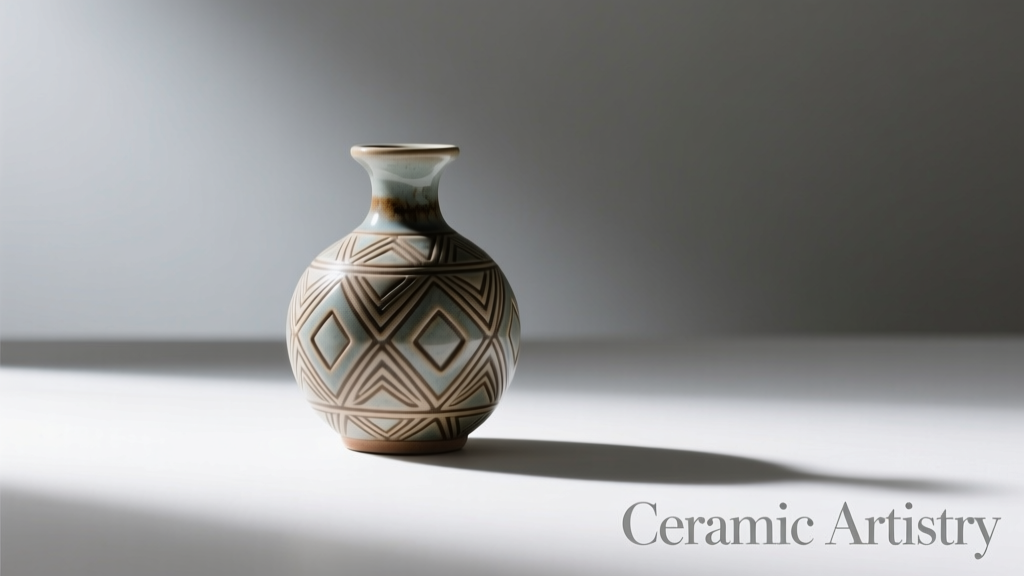
When it comes to high-heat cooking—whether searing steaks, stir-frying vegetables, or reducing sauces—the type of cookware you use plays a crucial role in both performance and safety. Two popular options dominate modern kitchens: ceramic-coated pans and stainless steel pots and skillets. While both promise non-toxic cooking surfaces and aesthetic appeal, their behavior under intense heat differs significantly. Understanding these differences helps home cooks make informed decisions that protect both food quality and long-term health.
The debate isn’t just about which pan lasts longer or heats more evenly—it’s about chemical stability at high temperatures, potential leaching into food, and overall safety when exposed to prolonged heat stress. This article dives deep into the science and real-world use cases of ceramic versus stainless steel cookware, helping you determine which option truly earns its place on your stovetop for high-heat applications.
Understanding Ceramic Cookware: Composition and Limitations
Ceramic cookware typically refers to metal (usually aluminum) pans coated with a ceramic-based non-stick layer made from inorganic materials like silicon and oxygen compounds. These coatings are often marketed as “PFOA-free,” “PTFE-free,” and “eco-friendly,” appealing to health-conscious consumers wary of traditional Teflon.
While ceramic coatings avoid many of the synthetic chemicals found in older non-stick technologies, they come with notable limitations—especially under high heat. The ceramic layer begins to degrade around 400–450°C (750–850°F), a threshold easily reached during searing, broiling, or extended frying. Once this point is passed, the coating can crack, flake, or release microscopic particles into food.
Moreover, while pure ceramic itself is inert, the underlying aluminum base poses concerns if the surface becomes damaged. Aluminum is a known neurotoxin when ingested in excess, and although minimal amounts leach through intact coatings, scratches or chips increase exposure risk.
Tip: Avoid using metal utensils or abrasive scrubbers on ceramic-coated pans to prevent surface damage and potential metal leaching.How Heat Affects Ceramic Coatings
High-heat cooking accelerates wear on ceramic coatings. Repeated exposure to open flames, electric coils, or induction burners causes thermal expansion and contraction, leading to microfractures over time. Even oven-safe ceramic pans may lose integrity after repeated cycles above 400°F.
A study published in the Journal of Environmental Monitoring found that chipped ceramic coatings allowed measurable levels of aluminum migration into acidic foods such as tomato sauce or vinegar-based marinades—especially after prolonged heating.
“Ceramic coatings offer short-term safety benefits but lack the durability required for consistent high-temperature use.” — Dr. Lena Park, Materials Toxicologist, University of Colorado School of Public Health
Stainless Steel: Structure, Performance, and Safety
Stainless steel is an alloy composed primarily of iron, chromium, nickel, and sometimes molybdenum. Its resistance to corrosion, rust, and staining makes it a staple in commercial and residential kitchens alike. Unlike ceramic-coated alternatives, stainless steel does not rely on a fragile outer layer to remain non-reactive.
One of stainless steel’s greatest strengths is its ability to withstand extreme temperatures without degrading. Most grades are rated for continuous use up to 870°C (1600°F), far exceeding typical stovetop or oven conditions. This thermal resilience means no off-gassing, flaking, or structural breakdown—even during aggressive searing or broiling.
Additionally, stainless steel is non-porous and chemically stable. It doesn’t react with acidic or alkaline ingredients, preserving flavor integrity and minimizing leaching risks. Trace amounts of nickel or chromium may transfer to food during cooking, particularly with prolonged contact or low-pH dishes, but these levels generally fall well below established safety thresholds set by the World Health Organization (WHO).
Why Stainless Steel Excels in High-Heat Scenarios
Professional chefs overwhelmingly prefer stainless steel for high-heat applications due to its even heat distribution, especially in multi-ply constructions (e.g., tri-clad or five-ply). These layered designs incorporate aluminum or copper cores sandwiched between stainless layers, combining superior conductivity with unmatched durability.
Unlike ceramic, stainless steel improves with proper seasoning. Over time, polymerized oils build a natural semi-nonstick surface, enhancing performance without compromising safety. Furthermore, stainless steel is fully recyclable and has a lifespan measured in decades, making it environmentally sustainable compared to shorter-lived ceramic alternatives.
| Property | Ceramic-Coated Cookware | Stainless Steel Cookware |
|---|---|---|
| Max Safe Temperature | ~450°F (230°C) | Up to 1600°F (870°C) |
| Chemical Leaching Risk | Moderate (aluminum, coating breakdown) | Low (trace nickel/chromium only) |
| Durability | 1–3 years with regular use | 10+ years with care |
| Oven Compatibility | Limited (check manufacturer specs) | Generally full compatibility |
| Induction Ready | Sometimes (depends on base) | Yes (if magnetic grade) |
| Non-Stick Performance | Excellent when new | Fair to good (improves with seasoning) |
Real-World Example: Searing Salmon in Both Types
Consider a common kitchen task: searing salmon fillets skin-side down at high heat to achieve a crisp exterior. A chef preheats two identical-sized skillets—one ceramic-coated, one stainless steel—over medium-high flame for four minutes.
In the ceramic pan, the surface quickly reaches optimal temperature, allowing initial browning. However, because the coating insulates slightly and cannot dissipate heat efficiently, hotspots develop. After two minutes, the fish begins to stick despite oil use, and visible scuffing appears where the spatula contacts the surface. By the end of cooking, small flakes of coating adhere to the fish—a red flag for contamination.
The stainless steel skillet, meanwhile, requires careful preheating (the \"water droplet test\" confirms readiness), but once hot, delivers uniform browning with minimal sticking. With proper oil temperature and technique, the salmon releases cleanly. No degradation occurs, and cleanup reveals no surface damage.
This scenario illustrates how material properties directly impact both safety and usability. While ceramic offers convenience upfront, its vulnerability under sustained heat undermines long-term reliability.
Safety Comparison: What Science Says About Chemical Exposure
The core concern in high-heat cooking is whether toxic substances migrate from cookware into food. For ceramic, the primary risks stem from:
- Aluminum leaching through cracks in the coating
- Potential presence of nano-silica or other proprietary additives in some brands
- Lack of standardized testing across manufacturers
For stainless steel, concerns focus on nickel sensitivity and chromium VI formation—a carcinogenic compound that forms only under extremely high heat (typically industrial settings, not home kitchens).
According to the U.S. Food and Drug Administration (FDA), neither material presents a significant health hazard under normal cooking conditions. However, the agency notes that damaged non-stick surfaces—including ceramic—should be replaced immediately to avoid ingestion of foreign particles.
A 2021 review in Food Additives & Contaminants concluded that while ceramic coatings reduce reliance on fluoropolymers, their longevity issues limit their advantage over traditional materials like stainless steel, especially for users who frequently cook above 400°F.
Tip: Replace any ceramic-coated pan showing signs of flaking, discoloration, or sticking—these indicate coating failure and increased leaching risk.Expert Insight on Long-Term Use
“From a toxicological standpoint, intact stainless steel is one of the safest materials available. It doesn't degrade, it's easy to inspect, and it performs consistently across all cooking methods.” — Dr. Rajiv Mehta, Senior Researcher at the Institute for Kitchen Safety and Material Science
Step-by-Step Guide: Choosing the Right Cookware for High-Heat Cooking
Selecting safe, durable cookware involves more than reading labels. Follow this practical process to ensure you're investing wisely:
- Assess Your Cooking Habits: Do you regularly sear meats, stir-fry, or broil? If yes, prioritize materials rated for sustained high heat.
- Check Manufacturer Specifications: Look for maximum temperature ratings. Avoid any pan not explicitly labeled oven-safe beyond 500°F unless intended for low-heat use.
- Inspect Construction Quality: Opt for heavy-bottomed, multi-ply stainless steel (e.g., 3-ply or 5-ply) for better heat retention and reduced warping.
- Test Heat Responsiveness: Perform the water droplet test—sprinkle water on a heated pan. If droplets dance and evaporate slowly, the pan is properly preheated. If they instantly vaporize, it’s too hot; if they sit and bubble, it’s not ready.
- Evaluate Maintenance Needs: Stainless steel requires more attention to cleaning and occasional polishing. Ceramic demands gentler handling but fails silently via micro-damage.
- Monitor for Wear: Regularly inspect pans for warping, pitting, or coating separation. Replace immediately if structural flaws appear.
Checklist: Is Your Cookware Safe for High-Heat Use?
- ✅ Rated for temperatures above 500°F (260°C)
- ✅ Made from solid or multi-layer construction (no thin bases)
- ✅ Free of peeling, bubbling, or discolored surfaces
- ✅ Compatible with your stove type (gas, induction, etc.)
- ✅ Oven-safe to at least 500°F
- ✅ Labeled as PFOA/PTFE-free (for non-stick variants)
- ✅ Easy to clean without scouring pads or harsh abrasives
Frequently Asked Questions
Can I use ceramic cookware on induction stoves?
Yes, but only if the base contains a magnetic layer (usually indicated on packaging). Many ceramic pans are compatible, but always verify before purchase. Note that rapid heating from induction can accelerate coating wear if overheated.
Does stainless steel leach metals into food?
Minimal amounts of chromium and nickel can transfer, especially with acidic foods like tomatoes or citrus. However, studies show these levels are well below WHO safety limits. Individuals with nickel allergies should consider using lower-nickel alloys like 18/0 stainless steel.
Is ceramic cookware dishwasher safe?
Most manufacturers claim it is, but frequent dishwashing accelerates coating degradation due to high-pressure jets and harsh detergents. Hand washing with mild soap and soft sponges extends the life and safety of ceramic-coated pans.
Final Verdict: Which Is Safer for High-Heat Cooking?
When safety, durability, and performance under high heat are prioritized, stainless steel emerges as the superior choice. Its ability to endure extreme temperatures without releasing harmful substances, combined with long-term reliability, makes it ideal for searing, frying, roasting, and broiling.
Ceramic cookware has merits—particularly for low-to-medium heat cooking and those seeking non-toxic non-stick surfaces—but its vulnerabilities under sustained high heat limit its suitability for serious high-temperature tasks. The risk of coating degradation, coupled with potential aluminum exposure, introduces uncertainties that stainless steel avoids entirely.
Ultimately, choosing cookware isn’t just about immediate results—it’s about consistency, transparency, and protecting your health over years of daily use. In that context, stainless steel stands unchallenged as the gold standard for high-heat safety.
🚀 Ready to upgrade your kitchen? Start by replacing worn non-stick pans with high-quality stainless steel skillets. Invest in one tri-ply frying pan this week and experience the difference in control, safety, and performance.








