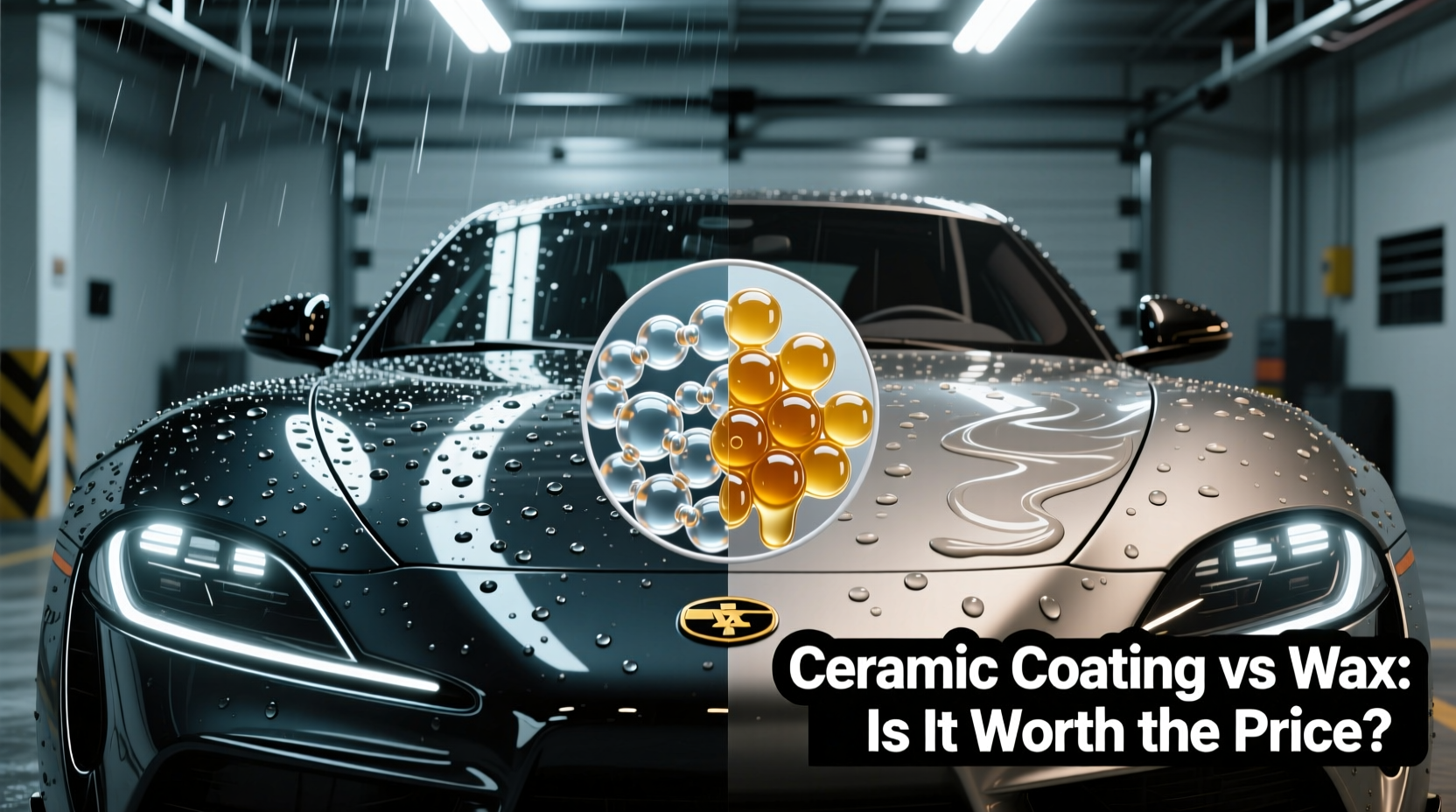
Every car owner wants their vehicle to shine like it just rolled off the showroom floor. But maintaining that fresh look requires more than weekly washes. For years, carnauba wax has been the go-to solution for paint protection. Now, ceramic coatings are being marketed as the superior, long-lasting alternative—often at ten times the price. So, is ceramic coating truly worth the investment, or is it just an overhyped scam targeting enthusiasts with deep pockets?
The answer isn’t binary. Both products have strengths and limitations. The real issue lies in understanding what each offers, how they perform under real-world conditions, and whether the premium cost of ceramic coating translates into measurable benefits.
How Wax Works: The Classic Protection Method
Carnauba wax, derived from the leaves of the Brazilian palm tree, has been used on cars since the early 20th century. It forms a thin, sacrificial layer over the clear coat, filling minor swirls and enhancing gloss. When applied correctly, wax delivers a warm, deep shine that many purists still prefer.
Wax doesn’t chemically bond with the paint—it sits on top, shielding against UV rays, water spots, and light contaminants. However, its hydrophobic properties fade within 3 to 6 months, depending on climate, washing frequency, and exposure to pollutants.
Most waxes contain natural oils and esters that degrade over time. Regular reapplication is necessary to maintain protection. While affordable (typically $20–$50 per bottle), wax demands consistent maintenance. Miss a few seasons, and your paint becomes vulnerable.
Tip: Apply wax in shade and use a microfiber applicator pad for even coverage. Buff off residue before it fully dries to avoid streaking.What Is Ceramic Coating? Science Behind the Shine
Ceramic coating is a liquid polymer applied by hand to a car’s exterior. Once cured, it chemically bonds with the factory clear coat, forming a durable, transparent layer. Most formulations are based on silicon dioxide (SiO₂), derived from quartz or sand, which hardens into a glass-like shield.
Unlike wax, ceramic coating integrates with the surface rather than sitting atop it. This covalent bond increases resistance to heat, UV radiation, chemical etching, and physical abrasion. High-quality coatings can last 2 to 5 years—or longer with proper upkeep.
The most noticeable benefit is extreme hydrophobicity. Water beads up aggressively and rolls off, carrying dirt with it. This “self-cleaning” effect reduces the frequency of washes and makes maintenance easier. Additionally, ceramic-coated surfaces resist water spotting, bird droppings, and tree sap better than waxed ones.
“Ceramic coatings aren’t magic, but they’re a significant technological leap over traditional wax. They offer measurable improvements in scratch resistance and environmental protection.” — Daniel Reeves, Automotive Detailing Specialist with 18 years of experience
Head-to-Head Comparison: Wax vs Ceramic Coating
| Feature | Wax | Ceramic Coating |
|---|---|---|
| Protection Duration | 3–6 months | 2–5+ years |
| Application Time | 30–60 minutes | 6–12 hours (including prep) |
| Cost (DIY) | $20–$50 | $100–$300+ |
| Professional Cost | $50–$100 | $500–$2,500 |
| Hydrophobic Effect | Moderate, short-lived | Strong, long-lasting |
| Scratch Resistance | Minimal | High (up to 9H pencil hardness) |
| Maintenance Needs | High (reapply every season) | Low (annual inspections) |
Is Ceramic Coating a Scam? Separating Hype from Reality
The term “scam” implies intentional deception. In most cases, ceramic coatings deliver what they promise—long-term protection and enhanced appearance—if applied correctly. However, misleading marketing and consumer misconceptions fuel skepticism.
Some companies claim their coatings make cars “scratch-proof” or “wash-free forever.” These statements are false. No coating prevents rock chips or deep scratches from keys. And while ceramic coatings reduce grime buildup, cars still require cleaning.
The biggest risk lies in improper application. A ceramic coating needs flawless surface preparation: decontamination, clay barring, and sometimes paint correction. If applied over dirty or oxidized paint, the coating may fail prematurely or peel. That’s why professional installation is often recommended—but also why prices soar.
Moreover, not all ceramic coatings are equal. Entry-level DIY kits (e.g., $50 sprays) may last only 6–12 months—barely outperforming high-end sealants. Meanwhile, true professional-grade SiO₂ coatings involve multiple layers and curing processes, justifying higher costs.
Tip: Research brands thoroughly. Look for third-party lab testing, customer reviews, and clarity about SiO₂ concentration. Avoid products making exaggerated claims.Real-World Example: Two Identical Cars, Two Different Paths
Consider two owners of identical 2021 Toyota Supras living in Phoenix, Arizona—a harsh environment with intense sun, dust storms, and frequent monsoon rains.
Owner A applies high-quality carnauba wax every spring and fall. The car looks excellent after each application, but by month four, water spotting becomes visible. After two years, despite regular waxing, the paint shows fine swirls from repeated washing and slight hazing from UV exposure.
Owner B invests $1,200 in a professional ceramic coating. The process takes a full day: paint correction, decontamination, and three layers of coating. For the next 18 months, the car needs only bi-monthly rinses and occasional pH-neutral washes. After two years, the finish remains glossy, with minimal signs of aging. Bird droppings wipe off easily without etching.
Both cars are well-maintained, but Owner B enjoys significantly lower maintenance effort and better protection. The upfront cost was steep, but spread over five years, it averages $240 annually—comparable to frequent detailing visits.
Step-by-Step Guide: Applying Ceramic Coating at Home
While professionals yield the best results, experienced DIYers can apply ceramic coatings successfully. Follow this timeline:
- Day 1 – Wash & Decontaminate: Use a clay bar and iron fallout remover to strip contaminants. Dry thoroughly.
- Day 2 – Paint Correction (Optional): Polish out swirls and oxidation using machine polishers. Essential for older vehicles.
- Day 3 – Final Prep: Wipe panels with 90%+ isopropyl alcohol to remove oils. Work in a shaded, dust-free area.
- Day 4 – Application: Apply coating in small sections (2x2 ft) using a microfiber applicator. Spread evenly; avoid overlap.
- Day 4 (Continued) – Flash-Off & Buff: Wait 2–5 minutes for the coating to haze, then buff gently with a clean microfiber towel.
- Days 5–7 – Curing: Keep the car dry and indoors. Do not wash for at least 7 days to allow full chemical bonding.
Post-cure, apply a ceramic booster spray every 3–6 months to maintain hydrophobicity.
Checklist: Choosing Between Wax and Ceramic Coating
- ✅ I want low-cost, temporary protection → Choose wax
- ✅ I’m okay with reapplying every few months → Choose wax
- ✅ I drive infrequently and store my car indoors → Wax may suffice
- ✅ I live in a harsh climate (UV, salt, pollution) → Lean toward ceramic
- ✅ I want reduced maintenance and long-term value → Invest in ceramic
- ✅ I plan to sell my car soon → Wax enhances resale appeal affordably
- ✅ I can budget $500+ for lasting protection → Ceramic is cost-effective over time
Frequently Asked Questions
Can I apply wax over ceramic coating?
No, it’s not recommended. Wax will sit on top of the coating and degrade unevenly, potentially creating hazing. Instead, use a ceramic-compatible booster spray to refresh hydrophobic properties.
Does ceramic coating prevent rock chips?
No. Ceramic coatings add hardness to the surface but do not protect against impact damage. For stone chip protection, consider paint protection film (PPF), especially on the hood and bumper.
Is DIY ceramic coating worth it?
For skilled detailers, yes. But if you’re inexperienced, a mistake could lead to streaking, high spots, or permanent binding issues. Many opt for hybrid solutions: professional prep with DIY topcoat application.
Conclusion: Value Over Hype
Ceramic coating isn’t a scam—it’s a legitimate advancement in automotive protection. But it’s not universally necessary. For weekend drivers with garaged classics, wax remains a practical, beautiful option. For daily drivers in tough environments, ceramic coating pays for itself in time saved, improved appearance, and enhanced resale value.
The key is managing expectations. Ceramic coatings require proper prep, realistic claims, and ongoing care. They don’t make your car invincible, but they do elevate protection to a new level.
If you’re considering the upgrade, start with a reputable brand and honest installer. Ask for before-and-after photos, warranties, and maintenance guidelines. Or, try a DIY kit on a less critical vehicle first.
💬 Have you tried ceramic coating or stuck with wax? Share your experience below—your insights could help others make a smarter choice.








