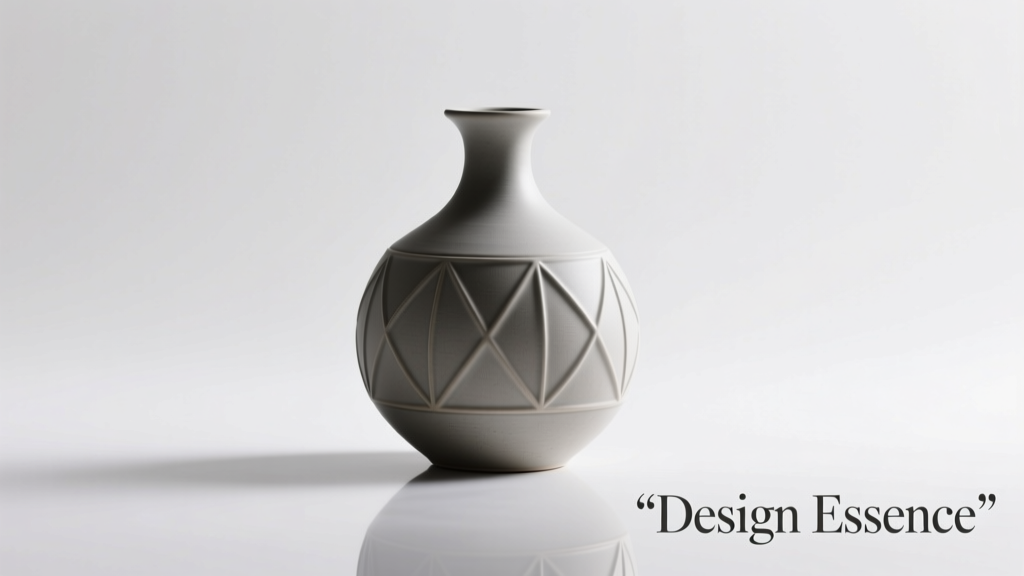
Types of Ceramic Ball Lights
A ceramic ball light is a stylish and durable lighting solution that combines the natural elegance of ceramic with functional illumination. These lights are prized for their heat resistance, longevity, and ability to diffuse light softly, creating a warm and inviting atmosphere. Available in various designs and mounting styles, ceramic ball lights cater to both aesthetic preferences and practical lighting needs across residential and commercial spaces.
Pendant Ceramic Ball Lights
Suspended from the ceiling, these luminaires make a bold design statement while delivering focused or ambient lighting.
Advantages
- Strong visual impact and modern aesthetic
- Versatile placement (single, linear, or clustered)
- Ideal for task and accent lighting (e.g., over dining tables or kitchen islands)
- Durable ceramic construction resists heat and wear
Considerations
- Requires sufficient ceiling height
- May need professional installation for multiple units
- Limited in very low-ceiling environments
Best for: Dining rooms, kitchens, entryways, lofts, and modern living spaces
Wall-mounted Ceramic Ball Lights
These sleek fixtures are mounted directly on walls, offering directional lighting and architectural enhancement.
Advantages
- Space-saving and minimalist design
- Perfect for highlighting artwork or textures
- Provides soft ambient or up/down lighting
- Complements both contemporary and vintage interiors
Considerations
- Light distribution is directional, not omnidirectional
- May require strategic placement for optimal effect
- Limited brightness for large areas
Best for: Hallways, bathrooms, bedrooms, accent lighting, and gallery-style walls
Flush-mounted Ceramic Ball Lights
Installed directly against the ceiling, these lights offer a clean, low-profile look ideal for compact spaces.
Advantages
- Perfect for rooms with low ceilings
- Provides even, diffused ambient lighting
- Minimalist and unobtrusive appearance
- Easy to integrate into various decor styles
Considerations
- Less decorative impact compared to pendants
- Limited vertical light spread
- May not provide sufficient task lighting alone
Best for: Bedrooms, hallways, closets, utility rooms, and apartments with low ceilings
Smart Ceramic Ball Lights
Equipped with smart technology, these lights offer remote control over brightness, color temperature, and scheduling.
Advantages
- Customizable lighting scenes via app or voice control
- Energy-efficient LED integration
- Schedule lighting for security or convenience
- Adaptable to mood, time of day, or activity
Considerations
- Higher initial cost
- Requires stable Wi-Fi or smart home ecosystem
- Potential compatibility issues with older systems
Best for: Smart homes, modern living rooms, tech-savvy users, and energy-conscious households
| Type | Installation | Lighting Style | Best Room Types | Key Benefit |
|---|---|---|---|---|
| Pendant | Suspended from ceiling | Task & Ambient | Dining rooms, kitchens, lofts | Design focal point with strong visual appeal |
| Wall-mounted | Fixed to walls | Accent & Ambient | Hallways, bathrooms, living rooms | Space-saving with architectural enhancement |
| Flush-mounted | Direct ceiling mount | Ambient | Bedrooms, closets, low-ceiling areas | Discreet and functional in tight spaces |
| Smart | Variety of mounts with tech integration | Adaptive & Customizable | Living rooms, smart homes, modern interiors | Full control over lighting experience |
Expert Tip: When selecting ceramic ball lights, consider the finish and color of the ceramic—glazed finishes offer a sleek, reflective look, while matte finishes provide a softer, more diffused glow that reduces glare and enhances coziness.
Various Features of Ceramic Ball Lights
Ceramic ball lights combine functional performance with elegant design, making them a preferred choice for both residential and commercial lighting. Crafted from high-quality ceramic materials, these fixtures offer superior durability, heat resistance, and aesthetic versatility. Whether used as ceiling pendants, wall sconces, or decorative accents, ceramic ball lights enhance ambiance while ensuring long-term reliability.
Key Features and Benefits
Material Durability
Ceramic is renowned for its exceptional strength and resilience, outperforming materials like glass in impact resistance and structural integrity. Forged ceramic ball lights are engineered to endure daily wear and environmental stress without cracking or chipping. This makes them ideal for high-traffic areas, outdoor overhangs, or elevated installations where safety and longevity are critical.
Unlike fragile glass alternatives, ceramic maintains its form and function even under mechanical stress, reducing maintenance costs and replacement frequency. Its robust nature also makes it suitable for industrial or rustic settings where durability is a top priority.
Heat Resistance
One of the standout properties of ceramic ball lights is their superior heat tolerance. When paired with incandescent or halogen bulbs—known for generating substantial heat—the ceramic housing effectively dissipates thermal energy without warping, discoloring, or degrading over time.
This heat-resistant quality enhances both safety and performance, especially in enclosed luminaires or poorly ventilated spaces such as bathrooms, hallways, or recessed ceilings. By minimizing the risk of overheating, ceramic fixtures contribute to longer bulb life and reduced fire hazards, offering peace of mind for homeowners and facility managers alike.
Sophisticated Finishing
Ceramic ball lights feature a smooth, polished surface that exudes elegance and refinement. The craftsmanship involved in shaping and glazing ceramic allows for a wide range of finishes—from matte earth tones to glossy whites and hand-painted patterns—making them adaptable to diverse interior styles.
Whether enhancing a modern minimalist space, a classic farmhouse kitchen, or a traditional dining room, these lights blend seamlessly into the décor. Additionally, the non-porous nature of glazed ceramic resists staining and fading, preserving the fixture’s original color and luster for years, even under prolonged exposure to light and humidity.
Executive Glow & Light Quality
Thanks to the translucent properties of fine ceramic, these lights diffuse illumination evenly, producing a soft, glare-free glow that creates a warm and inviting atmosphere. This makes them excellent for ambient lighting in living rooms, bedrooms, or hospitality environments where comfort is key.
The diffused light output also works well for accent lighting—highlighting architectural features or artwork—or task lighting in reading nooks and kitchen islands when appropriately positioned. The gentle dispersion reduces eye strain and enhances visual comfort, contributing to healthier indoor lighting environments.
Eco-Friendly & Sustainable Design
Ceramic is a naturally sustainable material derived from abundant clay and minerals. The manufacturing process for ceramic ball lights typically avoids toxic chemicals, and the final product is fully recyclable at the end of its lifecycle, aligning with green building standards and eco-conscious consumer values.
Additionally, the long service life of ceramic reduces waste and resource consumption over time. When combined with energy-efficient LED bulbs, ceramic ball lights become a truly sustainable lighting solution—minimizing environmental impact while delivering lasting beauty and performance.
Versatile Application & Design Flexibility
Beyond their core features, ceramic ball lights offer unmatched versatility in application. Available in various sizes, colors, and mounting options (pendant, flush mount, semi-flush), they can be customized to suit different room dimensions and design themes.
From single statement pieces in foyers to clusters in dining areas or linear arrangements in corridors, ceramic ball lights provide creative freedom for interior designers and homeowners. Their timeless appeal ensures they remain stylish through changing trends, making them a smart investment in enduring design.
| Feature | Benefit | Best Use Cases |
|---|---|---|
| High Durability | Resists breakage, ideal for high-use areas | Hallways, stairwells, outdoor covered areas |
| Heat Resistance | Safe with high-temperature bulbs | Enclosed fixtures, bathrooms, utility rooms |
| Soft Light Diffusion | Reduces glare, enhances visual comfort | Living rooms, bedrooms, restaurants |
| Eco-Friendly Material | Sustainable, recyclable, non-toxic | Green homes, eco-lodges, LEED-certified buildings |
| Aesthetic Versatility | Matches multiple décor styles | Dining rooms, kitchens, lobbies, offices |
Why Choose Ceramic Ball Lights?
Important: While ceramic ball lights are highly durable and heat-resistant, always ensure compatibility with your chosen bulb type (especially wattage and heat output). Use LED bulbs whenever possible to maximize energy efficiency and further reduce heat generation. Regular dusting with a soft cloth will preserve the finish and maintain optimal light output.
Uses of Ceramic Ball Lights
Ceramic ball lights are versatile, durable, and aesthetically pleasing lighting solutions that blend functionality with design. Their unique construction—using high-quality ceramic materials—provides excellent heat resistance, longevity, and a soft, diffused glow that enhances any environment. From homes to public art installations, these lights serve a wide range of practical and decorative purposes across multiple settings.
Residential Lighting
Ceramic ball lights are a popular choice in residential interiors, where they contribute to both ambient and accent lighting. Their ability to emit a warm, even glow makes them ideal for creating inviting atmospheres in living rooms, dining areas, and bedrooms.
- Perfect as pendant lights over kitchen islands or dining tables, providing focused illumination while enhancing room aesthetics
- Used in bedrooms and lounges to offer soft, relaxing light that supports winding down or intimate gatherings
- Available in various finishes and colors, allowing homeowners to match fixtures with interior design themes—from minimalist modern to rustic or bohemian styles
- Energy-efficient when paired with LED bulbs, reducing electricity costs and environmental impact
Design tip: Cluster multiple ceramic ball pendants at varying heights for a dynamic, sculptural lighting feature.
Commercial Applications
In commercial environments, ceramic ball lights elevate the visual appeal of spaces while delivering reliable, high-quality illumination. Their elegant forms and consistent light output make them a favorite among designers for retail, hospitality, and office lobbies.
- In boutique stores and showrooms, they highlight product displays and guide customer attention with focused, glare-free lighting
- Restaurants and cafes use them to create intimate dining zones, often suspending them above tables or counters to enhance mood and ambiance
- Lobbies and reception areas benefit from their modern yet timeless appearance, contributing to a professional and welcoming first impression
- Customizable sizes and finishes allow brands to align lighting with corporate identity or interior branding strategies
Pro insight: Use dimmable ceramic ball fixtures to adapt lighting for different times of day or events.
Outdoor & Landscape Lighting
Thanks to their durability and weather-resistant properties, ceramic ball lights are increasingly used in outdoor settings. Glazed ceramic finishes protect against moisture, UV exposure, and temperature fluctuations, making them suitable for long-term exterior use.
- Mounted along garden pathways or patios to provide safe, low-level illumination for evening navigation
- Integrated into pergolas, gazebos, or outdoor seating areas to extend usability into nighttime hours
- Buried or surface-mounted ground lights with ceramic domes add subtle elegance to landscaping designs
- Used in coastal or humid climates where corrosion-resistant materials are essential
Safety note: Ensure outdoor-rated wiring and proper IP (Ingress Protection) ratings when installing in wet locations.
Artistic & Creative Installations
Ceramic ball lights transcend traditional lighting roles by becoming integral elements of artistic expression. Artists and designers leverage their sculptural form, tactile texture, and customizable surfaces to create immersive visual experiences.
- Used in large-scale public art pieces where clusters of ceramic orbs form kinetic or illuminated sculptures
- Hand-painted or glazed with unique patterns to reflect cultural themes, making each piece a one-of-a-kind artwork
- Incorporated into stage sets, galleries, or exhibitions to manipulate light, shadow, and spatial perception
- Programmable with color-changing LEDs to create dynamic lighting effects in interactive installations
Creative idea: Combine ceramic ball lights with mirrors or reflective surfaces to amplify light diffusion and create illusionary depth.
Expert Recommendation: When selecting ceramic ball lights, consider both aesthetic harmony and technical performance. For residential use, prioritize soft color temperatures (2700K–3000K) for comfort. In commercial or artistic applications, explore custom shapes, sizes, and smart lighting integrations to maximize impact. Always verify compatibility with energy-efficient bulbs and dimming systems for optimal control and sustainability.
| Application | Ideal Placement | Lighting Effect | Recommended Features |
|---|---|---|---|
| Residential | Dining rooms, bedrooms, entryways | Warm ambient or accent lighting | Dimmable, soft white LED, multiple finishes |
| Commercial | Restaurants, retail stores, lobbies | Atmospheric, brand-enhancing illumination | Custom sizing, commercial-grade fixtures, directional options |
| Outdoor | Gardens, patios, walkways | Functional and decorative low-level lighting | Weatherproof (IP65+), corrosion-resistant glaze, ground-safe design |
| Artistic | Galleries, public spaces, installations | Dynamic, sculptural, or interactive lighting | Custom paint, RGB LEDs, modular mounting systems |
Additional Considerations
- Material Benefits: Ceramic is non-conductive, heat-resistant, and eco-friendly—ideal for sustainable design practices
- Maintenance: Smooth glazed surfaces are easy to clean and resistant to dust and grime buildup
- Customization: Available in handcrafted variants for bespoke interior or artistic projects
- Light Diffusion: Ceramic naturally softens light, reducing harsh glare and creating a comfortable visual environment
- Versatility: Can be used as pendants, wall sconces, floor lamps, or standalone sculptural elements
How to Choose the Perfect Ceramic Ball Light for Your Space
Selecting the ideal ceramic ball light goes beyond mere functionality—it's about enhancing your space with a blend of artistry, ambiance, and practicality. Ceramic ball lights are prized for their timeless elegance, durability, and ability to diffuse soft, warm lighting. Whether you're illuminating a cozy bedroom, a modern living room, or an inviting outdoor patio, making the right choice requires careful consideration of design, size, lighting technology, installation, and budget. This comprehensive guide walks you through the essential factors to help you choose a ceramic ball light that perfectly complements your space and meets your lighting needs.
Important Note: Always ensure that the ceramic ball light you choose is rated for its intended environment—indoor, outdoor, or damp locations. Using an indoor-rated fixture in a bathroom or exterior setting can lead to premature damage or safety hazards.
1. Design and Aesthetics: Matching Style with Space
The visual appeal of a ceramic ball light plays a pivotal role in defining the mood and character of a room. Ceramic is a versatile material that allows for a wide range of artistic expression, from handcrafted textures to smooth, minimalist finishes.
- Style Compatibility: Choose a design that aligns with your interior theme. Minimalist white ceramic spheres work beautifully in modern or Scandinavian spaces, while hand-glazed, earth-toned finishes suit bohemian, coastal, or rustic interiors.
- Surface Finish: Options include matte, glossy, textured, or hand-painted finishes. Textured or embossed ceramics add depth and visual interest, especially when lit.
- Color Selection: Neutral tones like white, cream, or gray blend seamlessly into most decors. Bold colors such as cobalt blue, terracotta, or emerald green can serve as statement pieces, drawing attention and adding vibrancy.
- Light Diffusion: Ceramic naturally diffuses light softly, reducing glare and creating a warm, inviting atmosphere—ideal for living rooms, bedrooms, and dining areas.
2. Size and Scale: Achieving Visual Balance
The dimensions of your ceramic ball light should be proportionate to the room and surrounding elements to avoid overpowering or underwhelming the space.
- Room Size & Ceiling Height: Larger rooms with high ceilings (9 feet or more) can accommodate oversized ceramic pendants (12–20 inches in diameter). Smaller spaces benefit from compact fixtures (6–10 inches) to maintain balance.
- Fixture Placement: Over dining tables, the ball light should be about one-half to two-thirds the width of the table. In hallways or foyers, consider vertical clearance and sightlines.
- Multiple Fixtures: For larger areas, consider clustering multiple smaller ceramic ball lights at varying heights for a dynamic, sculptural effect.
3. Type of Bulb: Balancing Light Quality and Efficiency
The bulb type significantly influences brightness, color temperature, energy consumption, and longevity.
- LED Bulbs: Highly recommended for ceramic fixtures. LEDs are energy-efficient, generate minimal heat (protecting the ceramic), last up to 25,000 hours, and come in various color temperatures (warm white, cool white, daylight).
- Incandescent Bulbs: Provide a warm, cozy glow but are less efficient and have a shorter lifespan. Best used in low-usage areas where ambiance is prioritized over efficiency.
- Dimmable Options: Choose dimmable bulbs and compatible fixtures to adjust lighting levels for different moods or times of day.
- Bulb Shape & Base: Ensure the bulb shape (A19, globe, candle) and base (E26, E12) match the fixture’s socket and internal space.
Expert Tip: Opt for LED filament bulbs in clear or amber glass—they mimic the look of vintage Edison bulbs while offering modern efficiency and a warm glow that enhances the ceramic’s natural texture.
4. Installation and Mounting Options: Suitability for Your Space
The mounting style determines both functionality and aesthetic impact.
- Pendant Lights: Suspended from the ceiling via a cord or rod. Ideal for kitchens (over islands), dining rooms, or entryways. Ensure adequate clearance—typically 30–36 inches above a table.
- Flush Mount or Semi-Flush Mount: Attached directly or slightly away from the ceiling. Perfect for rooms with low ceilings (under 8 feet), hallways, or bathrooms.
- Outdoor Use: If installing outdoors, confirm the fixture is UL-listed for wet or damp locations. Look for weather-resistant finishes and sealed ceramic to prevent moisture damage.
- Professional Installation: For hardwired fixtures, especially in older homes, consult a licensed electrician to ensure safe and code-compliant installation.
5. Budget and Value: Investing in Quality
Ceramic ball lights vary widely in price, influenced by craftsmanship, materials, brand, and design complexity.
- Price Range: Basic ceramic globes may cost $30–$80, while artisanal or designer pieces can range from $100–$300+.
- Long-Term Savings: Higher initial investment in LED-compatible fixtures pays off through reduced energy bills and fewer replacements.
- Durability: High-fired ceramic is resistant to chipping, fading, and heat, ensuring longevity with minimal maintenance.
- Warranty & Brand Reputation: Reputable brands often offer warranties and better quality control, reducing the risk of defects.
| Selection Factor | Key Considerations | Recommended For | Avoid In |
|---|---|---|---|
| Design & Color | Matches room style; enhances decor | Living rooms, bedrooms, accent lighting | Spaces requiring bright task lighting |
| Size & Scale | Proportional to room and furniture | Dining areas, foyers, open-concept spaces | Cramped rooms with low ceilings |
| Bulb Type | Energy efficiency, heat output, dimmability | LED for most applications | Enclosed fixtures with non-LED bulbs |
| Mounting Style | Ceiling height, room function | Pendants for high ceilings; flush mounts for low | Outdoor use without proper rating |
| Budget & Quality | Balances cost with durability and design | Long-term investment in key spaces | Cheap, poorly made ceramics prone to cracking |
Final Tips for Choosing Your Ceramic Ball Light
- Always measure your space before purchasing to ensure proper scale and clearance.
- Consider the light’s direction—downward for task lighting, omnidirectional for ambient glow.
- Check customer reviews for insights on durability, ease of installation, and real-world performance.
- Pair with a quality switch or smart dimmer for enhanced control and ambiance.
- Look for eco-friendly, handcrafted options that support sustainable design and artisanal craftsmanship.
Choosing the right ceramic ball light is a blend of art and function. By considering design harmony, proper sizing, energy-efficient lighting, suitable installation, and long-term value, you can select a fixture that not only illuminates your space but also elevates its aesthetic. Whether you prefer a subtle accent or a bold centerpiece, a well-chosen ceramic ball light brings warmth, character, and enduring style to any environment.
Frequently Asked Questions About Ceramic Ball Lights
Q1: What are ceramic ball lights and what are their key advantages?Ceramic ball lights are elegant lighting fixtures crafted from high-quality ceramic materials shaped into a spherical form. These lights combine functional illumination with artistic design, making them popular choices for both modern and traditional interiors.
Beyond aesthetics, ceramic ball lights offer several practical benefits:
- Durability: Ceramic is a robust material resistant to cracks, chips, and wear, ensuring long-term use even in high-traffic areas.
- Heat Resistance: Unlike plastic or lower-grade materials, ceramic can withstand high temperatures generated by bulbs, reducing the risk of warping or discoloration.
- Artistic Appeal: Each ceramic light can feature handcrafted details, unique glazes, and custom finishes, adding a touch of artisanal elegance to any room.
- Eco-Friendliness: Ceramic is a natural, non-toxic, and recyclable material, making these lights a sustainable choice for environmentally conscious consumers.
- Versatility: Available in various colors, textures, and sizes, ceramic ball lights complement diverse decor styles—from minimalist to bohemian.
Due to these qualities, ceramic ball lights are ideal for use in living rooms, bedrooms, dining areas, entryways, and even commercial spaces like boutique hotels and cafes.
Q2: Are ceramic ball lights suitable for outdoor use?Yes, many ceramic ball lights are specifically designed for outdoor applications, provided they are rated for exterior use and properly installed.
These lights are engineered to endure various environmental conditions:
- Weather Resistance: High-fired ceramics are naturally water-resistant and can withstand rain, snow, and humidity without degrading.
- UV Stability: Quality glazes prevent fading or discoloration when exposed to prolonged sunlight, maintaining their appearance over time.
- Temperature Tolerance: Ceramic handles temperature fluctuations well, making it suitable for climates with seasonal extremes.
Common outdoor uses include:
- Garden pathways and walkways
- Patio and deck lighting
- Landscape accent lighting around trees or flower beds
- Entryway or driveway illumination
For optimal performance, ensure the fixture has an appropriate IP (Ingress Protection) rating—such as IP44 or higher—to protect against moisture and dust. Additionally, use weatherproof bulbs and housings, and consider professional installation for hardwired models.
Q3: What type of bulb is most commonly used in these light fixtures?The majority of modern ceramic ball light fixtures are designed to accommodate LED bulbs, and for good reason. LED technology aligns perfectly with the functional and aesthetic goals of ceramic lighting.
Key advantages of using LED bulbs in ceramic ball lights include:
- Energy Efficiency: LEDs consume up to 80% less energy than traditional incandescent bulbs, reducing electricity costs and environmental impact.
- Long Lifespan: With an average lifespan of 15,000 to 50,000 hours, LEDs require far fewer replacements, minimizing maintenance.
- Low Heat Emission: LEDs generate minimal heat, which is especially beneficial when enclosed within a ceramic housing that may retain warmth.
- Design Flexibility: Available in various color temperatures (warm white, cool white, daylight), dimmable options, and smart-enabled variants, LEDs allow customization to suit mood and function.
Most ceramic ball lights use standard socket types like E26 (in the U.S.) or E27 (internationally), making bulb replacement simple and accessible. Always check the manufacturer’s specifications for maximum wattage and recommended bulb types to ensure safety and optimal light diffusion through the ceramic shade.
Q4: How should one choose the right ceramic ball light for their space?Selecting the perfect ceramic ball light involves balancing aesthetics, functionality, and practical considerations. Here’s a comprehensive guide to help you make an informed decision:
- Design & Finish: Choose a style that complements your interior or exterior decor. Matte, glossy, hand-painted, or textured finishes can dramatically influence the ambiance of a space.
- Size & Proportion: Larger rooms or high ceilings benefit from bigger fixtures (e.g., 12–20 inches in diameter), while smaller spaces work best with compact designs (6–10 inches). Consider visual balance—especially when hanging over tables or in entryways.
- Bulb Type & Brightness: Opt for LED bulbs with appropriate lumens (e.g., 400–800 lm for ambient lighting) and color temperature (2700K–3000K for warm, cozy light).
- Mounting Options: Decide between hanging (pendant), wall-mounted, or freestanding designs based on ceiling height, room layout, and desired focal point.
- Indoor vs. Outdoor Rating: Verify whether the fixture is rated for damp, wet, or dry locations depending on where it will be installed.
- Budget & Quality: While ceramic lights vary in price, investing in well-made, kiln-fired ceramics ensures durability and superior finish compared to mass-produced alternatives.
Taking these factors into account ensures that your ceramic ball light enhances both the functionality and visual harmony of your environment.
Q5: Can ceramic ball lights be integrated into smart home systems?Yes, an increasing number of ceramic ball lights are now compatible with smart home technology, blending artisan craftsmanship with modern convenience.
Smart ceramic ball lights typically feature:
- Wi-Fi or Bluetooth Connectivity: Allows control via smartphone apps (e.g., Philips Hue, LIFX, or Google Home-compatible platforms).
- Voice Control: Integration with assistants like Amazon Alexa, Google Assistant, or Apple HomeKit for hands-free operation.
- Adjustable Settings: Users can modify brightness levels, change color temperatures (from warm to cool white), or even select millions of colors (with RGB models).
- Scheduling & Automation: Set timers for lights to turn on/off at specific times, simulate occupancy while away, or sync with sunrise/sunset.
- Scene Modes: Create custom lighting scenes for relaxation, reading, entertaining, or energy-saving modes.
To enjoy smart functionality, ensure the fixture is explicitly labeled as "smart" or uses a smart bulb (like Philips Hue A19) if the socket supports it. Some models come with built-in smart drivers, while others rely on external smart bulbs.
With smart integration, ceramic ball lights become more than just decorative pieces—they evolve into dynamic elements of a responsive, personalized lighting ecosystem.









