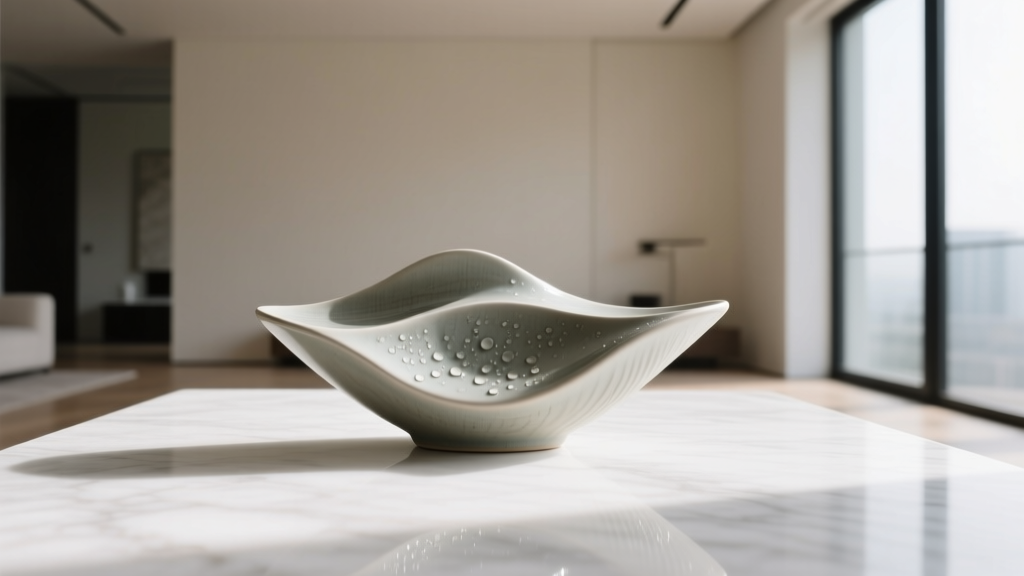
Types of Boat-Shaped Ceramic Planters
Boat-shaped ceramics have become a favorite among interior designers and plant enthusiasts for their whimsical charm and artistic flair. These unique planters are crafted in the form of boats, ships, or canoes, transforming ordinary greenery into a storytelling centerpiece. Whether placed indoors or outdoors, they add a nautical theme, evoke coastal vibes, or bring a touch of adventure to your space. Made from durable ceramic, these planters offer both aesthetic appeal and functional design, ideal for showcasing a variety of indoor and outdoor plants.
Traditional Sailboat Planter
Designed to resemble classic sailing vessels, this planter features elegant curves, a deep hull, and often a mast-like accent. Typically painted in crisp whites and oceanic blues, it brings a coastal or seaside ambiance to any room or patio.
Advantages
- Striking visual centerpiece
- Deep soil capacity for larger plants
- Perfect for coastal or beach-themed decor
- Durable ceramic construction
Limitations
- Bulky and less portable
- May require larger plants to balance proportions
- Limited color variety beyond classic schemes
Best for: Living rooms, patios, entryways, coastal-themed homes
Canoe Planter
Modeled after traditional canoes, this planter features a smooth, elongated shape with rounded edges. Crafted in earthy browns, terracotta, or weathered finishes, it blends naturally with rustic, woodland, or Scandinavian interiors.
Advantages
- Perfect for multiple small plants in a row
- Versatile for indoor and outdoor use
- Complements natural and organic decor styles
- Excellent drainage and root space
Limitations
- Longer shape may not fit narrow spaces
- Requires even surface to prevent tipping
- May need additional support for heavy plants
Best for: Sunrooms, kitchens, dining tables, decks, and garden pathways
Row Boat Planter
This charming planter replicates the simple, sturdy design of a wooden rowboat. Often finished with a rustic glaze or matte texture, it adds a farmhouse, cottage, or vintage feel to your decor. Compact and lightweight, it’s easy to move and style.
Advantages
- Lightweight and portable
- Charming rustic aesthetic
- Ideal for small spaces and tabletops
- Weather-resistant for outdoor use
Limitations
- Limited soil depth for shallow-rooted plants only
- Smaller capacity restricts plant size
- Fewer decorative details compared to themed planters
Best for: Window sills, porches, balconies, and cozy indoor corners
Fishing Boat Planter
Inspired by working fishing vessels, this planter often includes playful details like miniature fishing nets, oars, or molded fish. Available in both compact and oversized versions, it’s a delightful choice for themed gardens or coastal homes.
Advantages
- Highly decorative and conversation-starting
- Available in various sizes for flexibility
- Great for creating miniature marine-themed gardens
- Durable ceramic withstands outdoor conditions
Limitations
- Ornate details may collect dirt or debris
- Higher price point due to intricate design
- May clash with minimalist or modern decor
Best for: Coastal homes, children’s rooms, garden centers, themed patios
Modern Boat Planter
Featuring clean lines, geometric shapes, and minimalist silhouettes, this planter brings a contemporary twist to the nautical theme. Available in matte, glossy, or textured finishes, and in a wide palette including neutrals, pastels, and bold hues, it fits seamlessly into modern and urban interiors.
Advantages
- Sleek, stylish design for modern spaces
- Wide range of colors and finishes
- Easy to maintain and clean
- Acts as a unique focal point in any room
Limitations
- Less thematic than traditional designs
- May lack the charm of handcrafted styles
- Smaller models may need frequent watering
Best for: Apartments, offices, contemporary homes, minimalist interiors
| Planter Type | Style Theme | Size Range | Best Plants | Ideal Location |
|---|---|---|---|---|
| Traditional Sailboat | Coastal, Nautical | Large | Fiddle-leaf fig, Bird of Paradise, Palms | Patio, Entryway, Living Room |
| Canoe | Natural, Rustic, Scandinavian | Medium to Large (elongated) | Succulents, Herbs, Snake Plants | Kitchen, Sunroom, Deck |
| Row Boat | Farmhouse, Cottage, Vintage | Small to Medium | Pothos, Philodendron, Small Ferns | Window Sill, Balcony, Tabletop |
| Fishing Boat | Themed, Playful, Coastal | Small to Extra Large | Miniature gardens, Air Plants, Herbs | Garden, Porch, Kids' Room |
| Modern Boat | Contemporary, Minimalist, Urban | Small to Medium | ZZ Plant, Monstera, Cacti | Office, Apartment, Modern Living Space |
Pro Tip: When using ceramic boat planters outdoors, ensure they have proper drainage holes or use a liner to prevent waterlogging and cracking during freeze-thaw cycles. For indoor use, place a saucer underneath to protect surfaces from moisture.
Design Idea: Group different boat-shaped planters together to create a "fleet" of greenery—perfect for a gallery wall shelf, garden path, or coffee table centerpiece. Mix and match styles for a curated, storytelling effect.
Design of Boat-Shaped Ceramic Planters
Boat-shaped ceramic planters are a unique fusion of functional horticulture and artistic design, inspired by maritime vessels such as canoes, sailboats, and fishing boats. Their charming nautical aesthetic makes them ideal for enhancing both indoor and outdoor spaces—from patios and gardens to living rooms and office lobbies. These planters not only serve as practical containers for plants but also act as decorative centerpieces that evoke a sense of adventure, relaxation, and coastal charm.
Beyond their visual appeal, boat-shaped ceramics are engineered for plant health and durability. Thoughtful design elements ensure proper drainage, root development, and resistance to environmental conditions. Below is a comprehensive overview of the key design features that make these planters both beautiful and functional.
Core Design Features
Materials & Durability
Most boat-shaped ceramic planters are crafted from high-fired, premium-grade ceramic, known for its strength, thermal stability, and moisture retention properties. This material creates a balanced microclimate for plant roots, preventing rapid drying while still allowing breathability.
Terracotta variants offer a rustic, earthy appearance that complements traditional or Mediterranean-style décor, while glazed ceramics provide enhanced weather resistance—ideal for outdoor use. Finishes range from glossy and reflective to matte and textured, offering diverse stylistic options. Some advanced planters even incorporate frost-resistant ceramics for year-round outdoor placement in colder climates.
Color & Aesthetic Appeal
These planters come in a wide spectrum of colors, carefully curated to enhance their marine-inspired identity. Classic nautical palettes include crisp whites, deep navy blues, and sandy beiges—evoking images of sails, ocean waves, and sun-bleached docks.
Modern interpretations feature softer pastels like seafoam green or coral pink, as well as bold metallic finishes such as copper, silver, or gold, which add a contemporary or luxurious flair. The strategic use of color allows these planters to blend seamlessly into coastal themes or stand out as artistic accents in minimalist, bohemian, or eclectic interiors.
Patterns & Artistic Detailing
Many boat-shaped planters are adorned with thematic patterns that reinforce their maritime character. Classic designs often include hand-painted or stamped stripes reminiscent of sailor uniforms, rope motifs, wave imprints, or anchor symbols.
More elaborate versions may feature coastal scenes, lighthouses, or floral patterns that blend nautical and garden themes. The craftsmanship involved—especially in hand-painted models—adds a bespoke quality, making each planter a unique art piece. Customization options are increasingly available, allowing homeowners, designers, or brands to commission personalized patterns, logos, or color schemes for special projects or retail lines.
Styling & Realism
The design of these planters closely mimics real watercraft, with attention to authentic details such as curved hulls, pointed prows, and deck-like ridges. Canoe-shaped planters typically have smooth, elongated forms, while sailboat-inspired models may include miniature masts or rigging elements.
Some feature sculpted embellishments like tiny oars, life rings, or even miniature sailor figures to enhance storytelling and whimsy. Planters are available in both open-top configurations for planting and closed-top versions used purely as decorative sculptures. This versatility allows them to function as planters, centerpiece bowls, or standalone art objects.
Size & Functional Flexibility
Boat-shaped planters are available in a broad range of sizes, catering to various spatial and horticultural needs. Compact versions (6–12 inches) work beautifully as desk or shelf planters for succulents, herbs, or small houseplants.
Larger models (24+ inches) make bold statements as floor planters, garden focal points, or patio centerpieces. When selecting size, consider both the mature dimensions of the plant and the space available. Larger planters support deeper root systems and require less frequent watering, making them ideal for tropical or fast-growing species.
Drainage & Plant Health
Proper drainage is essential for preventing root rot and maintaining healthy plants. Most functional boat-shaped ceramic planters include one or more drainage holes at the base, allowing excess water to escape freely.
To protect indoor surfaces, many manufacturers offer matching ceramic or plastic saucers that catch runoff without compromising aesthetics. For planters without pre-drilled holes (often decorative models), users can carefully drill holes or use them as cache pots—placing a smaller, functional pot inside to maintain plant health while preserving the design.
| Design Feature | Functional Benefit | Design Tip |
|---|---|---|
| High-Fire Ceramic | Resists cracking from temperature changes and UV exposure | Choose glazed ceramic for outdoor use; terracotta for indoor rustic themes |
| Nautical Colors | Enhances thematic consistency in coastal or beach-style décor | Pair navy and white planters with blue-and-white textiles for a cohesive look |
| Hand-Painted Details | Adds artistic value and uniqueness | Display in well-lit areas to highlight craftsmanship |
| Integrated Drainage | Prevents waterlogging and root disease | Always use a saucer indoors; elevate outdoor planters slightly for airflow |
| Variety of Sizes | Adaptable to different plants and spaces | Use long planters for trailing vines; deep ones for root vegetables or shrubs |
Styling Tips for Maximum Impact
Important: While ceramic is durable, it can be susceptible to chipping or cracking if dropped or exposed to freezing temperatures with wet soil. Always empty planters before winter if left outdoors, or opt for frost-proof ceramics. Avoid placing heavy plants in thin-walled models to prevent structural stress. Proper care ensures your boat-shaped planter remains a lasting and functional work of art.
Scenarios of Boat-Shaped Ceramic Planters
Boat-shaped ceramic planters combine functionality with whimsical design, making them a versatile decorative element across various environments. Crafted from durable ceramic and shaped like sailboats, canoes, or fishing vessels, these planters bring a touch of nautical charm to any space. Whether used indoors or outdoors, they enhance aesthetics while promoting well-being through greenery. Below is a detailed exploration of how boat-shaped ceramic planters can be effectively incorporated into different settings.
Home Decor
Integrating boat-shaped ceramic planters into home interiors adds character and warmth. Their unique silhouette stands out against minimalist or neutral backgrounds, turning empty corners into focal points.
- Use a fishing boat planter as a living room centerpiece, filled with lush ferns or trailing pothos to create visual interest.
- Place on open shelving units or mantels where the intricate details of the ceramic can be admired from multiple angles.
- Arrange a series of small boat planters along a dining table as a thematic centerpiece, especially effective in coastal or beach-themed homes.
- Pair with textured rugs or wooden floors to enhance contrast and highlight the planter’s craftsmanship.
Design tip: Choose planters with hand-painted details or oceanic colors (navy, aqua, white) to complement seaside décor.
Office Environment
Introducing nature into professional spaces improves air quality, reduces stress, and boosts employee morale. Boat-shaped planters offer a creative alternative to standard office greenery.
- Place compact canoe-style planters on desks with low-maintenance plants like succulents or snake plants.
- Use larger boat planters in reception areas to welcome guests with a refreshing, natural aesthetic.
- Select muted tones for corporate offices or vibrant designs for creative agencies to match brand personality.
- Group multiple planters to form a “fleet” that symbolizes teamwork and movement toward goals.
Wellness benefit: Studies show indoor plants can reduce mental fatigue and increase focus by up to 15%.
Events and Celebrations
These planters are ideal for themed events, particularly summer parties, beach weddings, or nautical birthdays. They serve as both décor and potential keepsakes for guests.
- Use as table centerpieces filled with seasonal blooms like hydrangeas, daisies, or lavender for a fresh, coastal vibe.
- Fill with aromatic herbs such as rosemary or mint for a sensory experience at outdoor buffets or dessert tables.
- Incorporate artificial plants for long-lasting arrangements at multi-day events or photo shoots.
- Personalize with name tags or small flags to double as guest favors or place markers.
Event pro tip: Rent or borrow planters for large gatherings to reduce waste and cost.
Retail and Commercial Spaces
Strategically placed boat-shaped planters can elevate visual merchandising and attract customer attention in stores, lobbies, or showrooms.
- Position near entrances to create an inviting first impression and guide foot traffic.
- Use to display seasonal products—e.g., seashells in summer or mini lights during holidays.
- Customize planters with brand colors, logos, or slogans for promotional campaigns or pop-up shops.
- Pair with signage or QR codes to educate customers about sustainability efforts or product origins.
Marketing advantage: Unique décor increases social media sharing, boosting brand visibility.
Child's Room or Playroom
Boat-shaped planters spark imagination and introduce children to plant care in a fun, engaging way. Their playful form fits perfectly in imaginative play environments.
- Fill with colorful, non-toxic plants like marigolds or petunias to teach kids about growth and nature.
- Use as storage for small toys, crayons, or LEGO pieces—doubling as functional décor.
- Incorporate into a pirate or underwater adventure theme with maps, stuffed animals, and treasure chests.
- Encourage responsibility by assigning a child to water their “boat garden” weekly.
Educational value: Plant care fosters patience, responsibility, and scientific curiosity in young learners.
Restaurants and Cafés
These planters enhance ambiance and reinforce thematic branding in dining establishments, especially those with coastal, tropical, or rustic vibes.
- Line patios or balconies with boat planters containing herbs like basil, thyme, or cilantro—used in menu items for a farm-to-table appeal.
- Place on windowsills or between tables to soften hard surfaces and reduce noise with natural textures.
- Customize planters to reflect the restaurant’s name or cuisine—e.g., a “sushi boat” planter in a Japanese café.
- Use seasonal flowers to keep the décor fresh and aligned with changing menus or holidays.
Customer experience: Greenery increases perceived comfort and can extend dining time, potentially boosting sales.
Pro Styling Recommendation: For maximum impact, group boat-shaped planters in odd numbers (3 or 5) at varying heights using stands or stools. This creates a dynamic, curated look that draws the eye. Always ensure proper drainage or use liner pots to protect surfaces, especially indoors. When selecting plants, match species to light conditions—low-light areas suit pothos or ZZ plants, while sunny spots allow for flowering varieties.
| Setting | Recommended Planter Size | Suggested Plants | Styling Tips |
|---|---|---|---|
| Home Living Room | Medium to Large (10–16") | Pothos, Ferns, Fiddle Leaf Fig | Use as a centerpiece with textured ceramics and ambient lighting |
| Office Desk | Small (4–8") | Succulents, Snake Plant, Air Plants | Opt for self-watering designs to minimize maintenance |
| Wedding or Party | Small to Medium (6–12") | Roses, Baby's Breath, Herbs | Add ribbon or LED string lights for evening events |
| Children's Room | Small to Medium (6–10") | Marigolds, Spider Plant, Lucky Bamboo | Paint or decorate with non-toxic paints for personalization |
| Café or Restaurant | Medium (8–14") | Basil, Mint, Lavender, Petunias | Cluster planters for visual impact and easy access |
Additional Considerations
- Durability: High-fired ceramic resists cracking and fading, making it suitable for both indoor and covered outdoor use.
- Drainage: Choose planters with drainage holes or use removable inner pots to prevent root rot.
- Weather Resistance: In colder climates, bring outdoor planters inside during winter to avoid freeze-thaw damage.
- Eco-Friendliness: Ceramic is recyclable and long-lasting, reducing environmental impact compared to plastic alternatives.
- Customization: Many suppliers offer engraving, color matching, or logo imprinting for commercial or gift applications.
Specification & Maintenance of Boat-Shaped Ceramic Planters
Boat-shaped ceramic planters combine elegant design with durable functionality, making them a popular choice for both indoor and outdoor decor. Crafted from high-fired ceramic, these planters offer excellent strength and resistance to weather fluctuations. Their unique boat-like silhouette adds a nautical or artistic flair to gardens, patios, balconies, and living spaces. Available in a wide range of sizes—from compact tabletop versions to large statement pieces—they accommodate various plant types, including real foliage, artificial greenery, and succulents.
These planters come in diverse color palettes, from classic whites, deep cobalt blues, and Mediterranean terracottas to contemporary pastels and earthy neutrals, allowing seamless integration into any aesthetic theme. Many models feature pre-drilled drainage holes at the base to prevent waterlogging and root rot, while others are sealed for use with artificial plants or in spaces where moisture control is essential. Understanding proper care and maintenance ensures longevity and enhances visual appeal.
Important Note: Always confirm whether your ceramic planter has drainage holes before planting. If it lacks holes and you're using live plants, consider using a liner pot or adding a layer of gravel at the bottom to manage excess moisture and protect surfaces.
Comprehensive Maintenance Guide for Boat-Shaped Ceramic Planters
- Watering Best Practices
- Water plants according to their specific needs—tropical species may require frequent watering, while succulents and cacti thrive on less.
- When watering, do so slowly and evenly to ensure deep soil saturation without overflow.
- If the planter has drainage holes, place a waterproof saucer or tray underneath to catch runoff and protect floors, decks, or furniture.
- Empty collected water from saucers after 15–30 minutes to prevent root immersion and fungal growth.
- For non-draining planters, be especially cautious not to overwater; use moisture meters or finger testing to check soil dampness.
- Cleaning Techniques for Indoor & Outdoor Use
- For indoor planters, wipe surfaces weekly with a soft, damp microfiber cloth to remove dust and fingerprints.
- Outdoor planters should be cleaned seasonally or as needed using a soft-bristle brush, mild dish soap, and lukewarm water.
- Avoid harsh chemical cleaners, abrasive scrubbers, or pressure washers, which can damage glazes or etch the ceramic surface.
- To remove mineral deposits or algae buildup, gently scrub with a vinegar-water solution (1:3 ratio), then rinse thoroughly.
- Dry the planter completely after cleaning to prevent water spots or mold development in shaded areas.
- Regular Condition Inspection
- Inspect the ceramic body periodically for cracks, chips, or hairline fractures, especially after winter or extreme temperature changes.
- Check the structural integrity of the base and rim, as these areas are prone to impact damage.
- Monitor plant health—look for yellowing leaves, stunted growth, or pests, which may indicate poor drainage or overcrowding.
- Prune dead or withered foliage regularly to maintain aesthetics and encourage new growth.
- Repot plants every 1–2 years or when roots begin to emerge from drainage holes to refresh soil and support healthy development.
- Seasonal Care and Environmental Protection
- During colder months, reduce watering frequency as plant growth slows and evaporation decreases.
- For outdoor planters in frost-prone climates, move them indoors or to a sheltered area (like a garage or greenhouse) during freezing temperatures to prevent cracking due to water expansion.
- If relocation isn't possible, wrap the planter with insulating material such as bubble wrap or burlap and elevate it off cold surfaces using pot feet or tiles.
- In summer, avoid placing ceramic planters in direct, intense sunlight for prolonged periods, especially dark-colored ones that absorb heat and may stress plant roots.
- Indoor humidity levels fluctuate with heating and cooling systems—consider using a humidifier or pebble tray during dry winter months for tropical plants.
- Preserving Structural Integrity
- Never place heavy objects or sit on boat-shaped planters, even if they appear sturdy—ceramic can crack under concentrated weight.
- Avoid sudden temperature changes, such as placing a cold planter near a heater or exposing it to direct flame or hot surfaces.
- Do not use ceramic planters for purposes other than planting (e.g., storage, seating, or decoration with heat sources like candles).
- When moving planters, lift them carefully by the base rather than the rim to prevent chipping or breakage.
- Use felt pads or rubber coasters under the planter to protect delicate flooring and reduce abrasion.
| Maintenance Task | Recommended Frequency | Tools & Supplies Needed | Pro Tips |
|---|---|---|---|
| Watering | Varies by plant (daily to monthly) | Watering can, saucer, moisture meter | Water early morning or late evening to reduce evaporation |
| Cleaning | Monthly (indoor), Seasonally (outdoor) | Soft cloth, mild soap, soft brush, vinegar solution | Test cleaning solutions on a small area first |
| Condition Check | Every 4–6 weeks | Flashlight, magnifier (optional) | Photograph the planter annually to track wear over time |
| Repotting | Every 1–2 years | New soil, liner pot (if needed), gloves | Choose a potting mix suited to your plant type (e.g., cactus mix, peat-based) |
| Frost Protection | Before first freeze | Insulating wrap, pot feet, tarp | Elevate planters to prevent freezing to wet surfaces |
Expert Tip: To enhance drainage and reduce weight in large boat-shaped planters, fill the bottom third with lightweight materials like perlite, crushed clay pots, or foam peanuts before adding soil. This improves aeration and makes the planter easier to move.
Additional Care Recommendations
- Label your planters with plant names and care instructions for easy maintenance tracking.
- Rotate indoor planters occasionally to ensure even light exposure and balanced growth.
- Use slow-release fertilizer pellets during the growing season to nourish plants without overfeeding.
- Store unused ceramic planters in a dry, temperature-controlled space when not in use.
- Consider sealing unglazed ceramic surfaces with a clear, non-toxic sealant to resist staining and moisture absorption.
With proper care, boat-shaped ceramic planters can last for many years while enhancing the beauty of your space. Their timeless design and functional durability make them a worthwhile investment for plant lovers and decorators alike. By following these detailed maintenance practices, you’ll preserve both the structural integrity of the ceramic and the vitality of your plants, ensuring a harmonious blend of form and function in any environment.
Frequently Asked Questions About Boat-Shaped Ceramic Planters
Q1: Can boat planters be used outdoors?Yes, many boat-shaped ceramic planters are specifically designed for outdoor use. Crafted from high-fired, durable ceramic materials, these planters can withstand various weather conditions including rain, sunlight, and temperature fluctuations—making them ideal for patios, decks, balconies, and garden spaces.
Their nautical design adds a charming, seaside-inspired aesthetic to any outdoor environment. However, while they are weather-resistant, extreme conditions such as prolonged exposure to freezing temperatures can pose risks (see Q5 for more details).
Q2: Do boat planters have drainage holes?Yes, most boat-shaped ceramic planters come equipped with built-in drainage holes at the base. These holes are essential for preventing waterlogging and root rot by allowing excess water to escape after watering—especially important for outdoor setups where rainfall can increase moisture levels.
Additionally, many models include matching ceramic or plastic saucers. These are particularly useful when using the planter indoors, as they catch runoff and protect floors, furniture, and carpets from water damage. For outdoor use, it's often best to leave the saucer off to ensure full drainage.
Q3: How do you clean a boat-shaped ceramic planter?Maintaining the beauty and longevity of your boat planter is simple with proper cleaning techniques tailored to its environment:
- Indoor Planters: Wipe the surface with a soft, damp cloth to remove dust and light stains. For tougher spots, use a mild soap solution and a non-abrasive sponge. Rinse thoroughly and dry to prevent water spots.
- Outdoor Planters: Use a soft-bristle brush and a gentle detergent to scrub away dirt, algae, or mineral deposits. Avoid pressure washers or harsh chemicals like bleach, which can erode glazing or discolor the ceramic.
- Deep Cleaning: If the planter is empty, soak it in a mixture of water and mild dish soap for 15–20 minutes before scrubbing. Always rinse well and allow it to air dry completely before replanting.
Regular cleaning helps preserve the planter’s finish and prevents the buildup of mold or salt residues, especially in coastal or humid climates.
Q4: Which plants work best in boat-shaped ceramic planters?The unique shape and size of boat planters make them versatile for a wide range of plants, but selection should be based on both planter dimensions and environmental conditions:
- Small Planters: Ideal for compact, low-maintenance plants such as succulents (e.g., echeveria, sedum), air plants (tillandsia), or culinary herbs like thyme, oregano, and rosemary. These thrive in well-drained soil and require minimal watering.
- Medium to Large Planters: Perfect for foliage-rich plants such as ferns, pothos, spider plants, or dracaenas. These add lush greenery and can create a striking visual centerpiece on porches or entryways.
- Outdoor Use: Consider hardy perennials or seasonal flowers like petunias, marigolds, or ornamental grasses for vibrant color and texture.
Ensure the plant’s light, water, and root space needs align with the planter’s size and location. Always use well-draining potting mix to complement the drainage holes and promote healthy root development.
Q5: Do boat-shaped ceramic planters protect plants from freezing outdoor temperatures?No, ceramic boat planters do not insulate plants from freezing temperatures. In fact, ceramic is porous and can absorb moisture, which expands when frozen—leading to cracks or structural damage during cold weather.
To protect both your plants and the planter during winter:
- Bring Indoors: Move smaller planters inside to a bright, cool room or sunroom during frost-prone months.
- Use Protective Covers: For larger, immovable planters, wrap them in insulating materials like bubble wrap or burlap and cover the top with a breathable tarp to shield against ice and snow.
- Elevate from Ground: Place the planter on feet or a stand to prevent it from freezing to wet surfaces.
- Stop Watering Before Freeze: Allow soil to dry slightly before cold snaps to reduce internal moisture and the risk of cracking.
Taking preventive steps ensures your boat planter remains intact and your plants survive the colder season with minimal stress.









