
In today’s cashless society, carrying multiple credit cards has become standard practice. Whether you're managing rewards programs, separating personal from business expenses, or simply ensuring backup options, having several cards on hand is practical. However, one often overlooked risk is damage to the magnetic strip—the black or brown stripe on the back of your card that stores critical account data. When scratched, demagnetized, or exposed to interference, this strip can fail, rendering your card unusable at swipe terminals. Protecting these strips isn’t just about convenience; it’s about maintaining access to your financial tools when you need them most.
The key lies not just in what you carry your cards in, but how you organize and handle them daily. From material choices to placement within your wallet, every decision impacts the longevity of your cards. This guide explores proven strategies to safely transport multiple credit cards while preserving their functionality and security.
Understanding Magnetic Strip Vulnerability
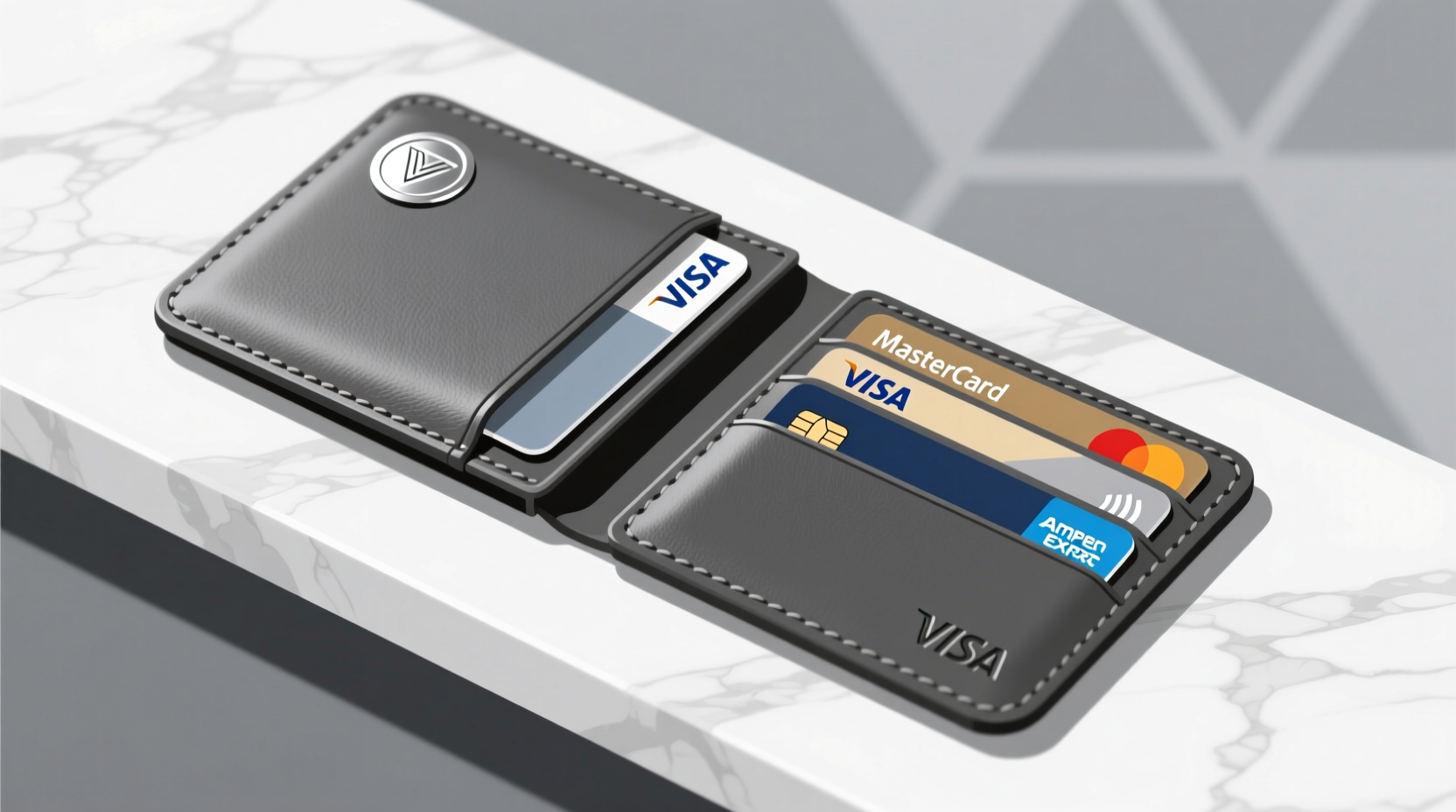
Magnetic strips store data using tiny iron-based magnetic particles embedded in a resin coating. These particles align in specific patterns to encode your card number, expiration date, and other information. While durable under normal conditions, they are surprisingly sensitive to physical abrasion and electromagnetic fields.
Common causes of magnetic strip damage include:
- Direct friction against keys, coins, or rough surfaces
- Contact with strong magnets (e.g., phone cases, speakers, fridge doors)
- Stacking multiple cards back-to-back, causing mutual demagnetization
- Exposure to extreme heat or moisture, which degrades adhesive layers
A damaged strip may still work intermittently, leading to frustrating declines at point-of-sale systems—especially in regions where EMV chip technology hasn't fully replaced swipe readers. According to the American Bankers Association, nearly 15% of card transaction failures at non-chip terminals are due to compromised magnetic stripes, many preventable with proper handling.
“Even minor scratches or repeated rubbing can misalign the magnetic domains on a stripe. Once corrupted, the data becomes unreadable.” — Dr. Lena Patel, Senior Engineer at SecureCard Technologies
Choosing the Right Wallet or Cardholder
Your choice of carrier plays a decisive role in protecting magnetic strips. Not all wallets are created equal, and some popular designs actually accelerate wear.
Fabric and Material Considerations:
Leather and microfiber interiors offer smoother surfaces than nylon or canvas, reducing micro-abrasions over time. Avoid wallets with coarse stitching or rigid edges inside card slots, as these create pressure points that degrade the strip edge.
Design Features That Matter:
- Individual card slots: Prevent cards from sliding against each other.
- RFID-blocking lining: Shields against electromagnetic interference that could erase data.
- Front-loading vs. side-loading: Front-loading slots reduce drag on the magnetic strip during insertion/removal.
- Minimalist profile: Thinner wallets discourage overloading, which increases internal friction.
Best Practices for Storing Multiple Cards
How you arrange your cards within a wallet determines their exposure to risk. Follow these guidelines to maximize protection:
- Isolate the magnetic strip: Always place cards so the magnetic strip faces inward toward the center of the wallet, away from external contact.
- Avoid back-to-back contact: Never stack two cards with their magnetic strips touching. This creates a high-risk scenario for cross-demagnetization.
- Use protective sleeves: Thin PVC or polycarbonate card protectors act as shields against scratches and bending.
- Leverage divider pockets: If your wallet has separate compartments for IDs, transit cards, or cash, use them to minimize card-to-card interaction.
- Limit total card count: Carrying more than six cards significantly increases internal pressure and movement, raising the chance of damage.
For those who travel frequently or require access to numerous accounts, consider adopting a tiered approach: keep only essential cards in your daily wallet and store backups securely at home or in a secondary travel case.
Step-by-Step Guide: Organizing Your Wallet Safely
Follow this sequence to optimize your card arrangement:
- Empty your wallet completely. Lay out all cards and inspect each magnetic strip for visible scratches or lifting.
- Remove rarely used cards. Keep only those needed for daily transactions or emergencies.
- Clean interior pockets with a dry microfiber cloth to eliminate grit that could scratch strips.
- Insert cards one by one, ensuring each magnetic strip faces the spine of the wallet.
- Leave space between high-use cards if possible—use blank placeholder cards or receipt paper to cushion them.
- Test accessibility: Slide each card in and out smoothly without catching or dragging the strip.
| Practice | Do | Don't |
|---|---|---|
| Card Orientation | Magnetic strip facing inward | Magnetic strip exposed to outer edge |
| Card Placement | Single layer, no overlapping strips | Stacked back-to-back |
| Wallet Type | Front-load slots, RFID blocking | Overstuffed bifold with loose cards |
| Environment | Dry, room-temperature storage | Near phones, tablets, or magnetic clasps |
Alternative Carrying Solutions
Traditional wallets aren't the only—or even the best—option for protecting multiple cards. Modern alternatives combine security, durability, and intelligent design.
1. Rigid Card Protectors:
Hard-shell plastic or aluminum cases hold 4–8 cards in individual slots. Brands like Secrid and Ridge Wallet use spring-loaded mechanisms to eject cards without full removal, minimizing handling wear.
2. Stackable Mini-Holders:
Compact, credit-card-sized containers that fit into pockets or bags. Ideal for travelers who want to separate categories (e.g., one for airline cards, another for hotel rewards).
3. Smart Wallets with Tracking:
Devices like the Bellroy Note Sleeve or TrackR-enabled wallets offer GPS location tracking and anti-loss alerts. Many include built-in RFID shielding and low-profile designs that reduce pocket bulk.
4. Digital Wallet Integration:
While not a replacement for physical cards, pairing Apple Pay, Google Wallet, or Samsung Pay reduces reliance on swiping. Fewer swipes mean less wear on magnetic strips over time.
Mini Case Study: The Frequent Traveler’s Fix
Sarah K., a regional sales manager based in Chicago, regularly travels across the U.S. for client meetings. She carried seven credit cards in a leather bi-fold wallet—one for flights, two for hotels, one for gas, and others for dining and emergencies. Within eight months, three cards failed at airport kiosks or rental car desks due to unreadable magnetic strips.
After consulting her bank’s fraud prevention advisor, she switched to a minimalist titanium cardholder with six isolated slots. She reorganized her cards so that only two were kept daily; the rest were stored in labeled protective sleeves at home. She also began using her phone’s digital wallet for routine purchases.
Result: Over the next year, Sarah reported zero magnetic strip failures. Her remaining cards showed minimal wear, and she saved time by avoiding repeated card replacements and customer service calls.
FAQ: Common Questions About Credit Card Strip Protection
Can I repair a damaged magnetic strip?
No. Unlike EMV chips, magnetic strips cannot be repaired or rewritten by consumers. Once damaged, the card must be replaced by the issuing bank. Some banks offer instant reissuance at branches, but international travelers may face delays.
Do RFID blockers prevent magnetic strip damage?
Indirectly, yes. While RFID shielding primarily protects against wireless skimming, the same metallic layers can act as a buffer against electromagnetic fields that might demagnetize the stripe. However, they do not protect against physical abrasion.
Is it safe to carry my phone and credit cards together?
Not ideal. Smartphones contain small magnets in speakers, vibration motors, and accessories like MagSafe chargers. Prolonged direct contact—such as storing a phone and wallet in the same front pants pocket—can gradually weaken magnetic strips. Keep at least an inch of separation when possible.
Final Checklist: Protecting Your Cards Daily
Use this actionable checklist to maintain card integrity:
- ✅ Inspect magnetic strips monthly for visible wear
- ✅ Store cards with strips facing inward in the wallet
- ✅ Avoid stacking cards strip-to-strip
- ✅ Choose wallets with smooth interiors and defined slots
- ✅ Limit carried cards to 4–6 essentials
- ✅ Keep cards away from phones, tablets, and magnetic surfaces
- ✅ Use digital wallets to reduce physical card usage
- ✅ Replace worn wallets before seams or corners degrade further
“The average credit card lasts 36 months. With proper care, you can avoid premature replacement and reduce identity theft risks associated with lost or damaged cards.” — Financial Consumer Protection Bureau, 2023 Annual Report
Conclusion
Carrying multiple credit cards doesn’t have to come at the cost of reliability. By understanding how magnetic strips fail and implementing smart storage habits, you can preserve your cards’ functionality for years. The right wallet, correct orientation, and mindful daily practices form a simple yet powerful defense against avoidable damage. As payment technology evolves, physical cards remain a vital backup—and deserve the same attention as any valuable tool.
🚀 Start today: Reorganize your wallet using the steps above and share your preferred card-carrying method in the comments. Help others build smarter, safer financial habits.








