
In an era where sustainability meets practicality, reusable food wraps have emerged as a powerful alternative to single-use plastic cling film. Designed to seal containers, wrap produce, or cover bowls, these eco-conscious solutions aim to eliminate waste while maintaining freshness. However, not all reusable wraps live up to their promises—especially when it comes to preventing leaks. A wrap that fails to contain liquids defeats its purpose, leading to messy fridges and wasted food.
The ideal reusable food wrap must balance flexibility, adhesion, moisture resistance, and durability. It should conform to various shapes, create a tight seal, and withstand repeated use without degrading. This guide dives deep into the top-performing reusable wraps on the market, evaluates their leak resistance, and provides actionable insights for choosing and using them effectively.
What Makes a Reusable Wrap Truly Leak-Proof?
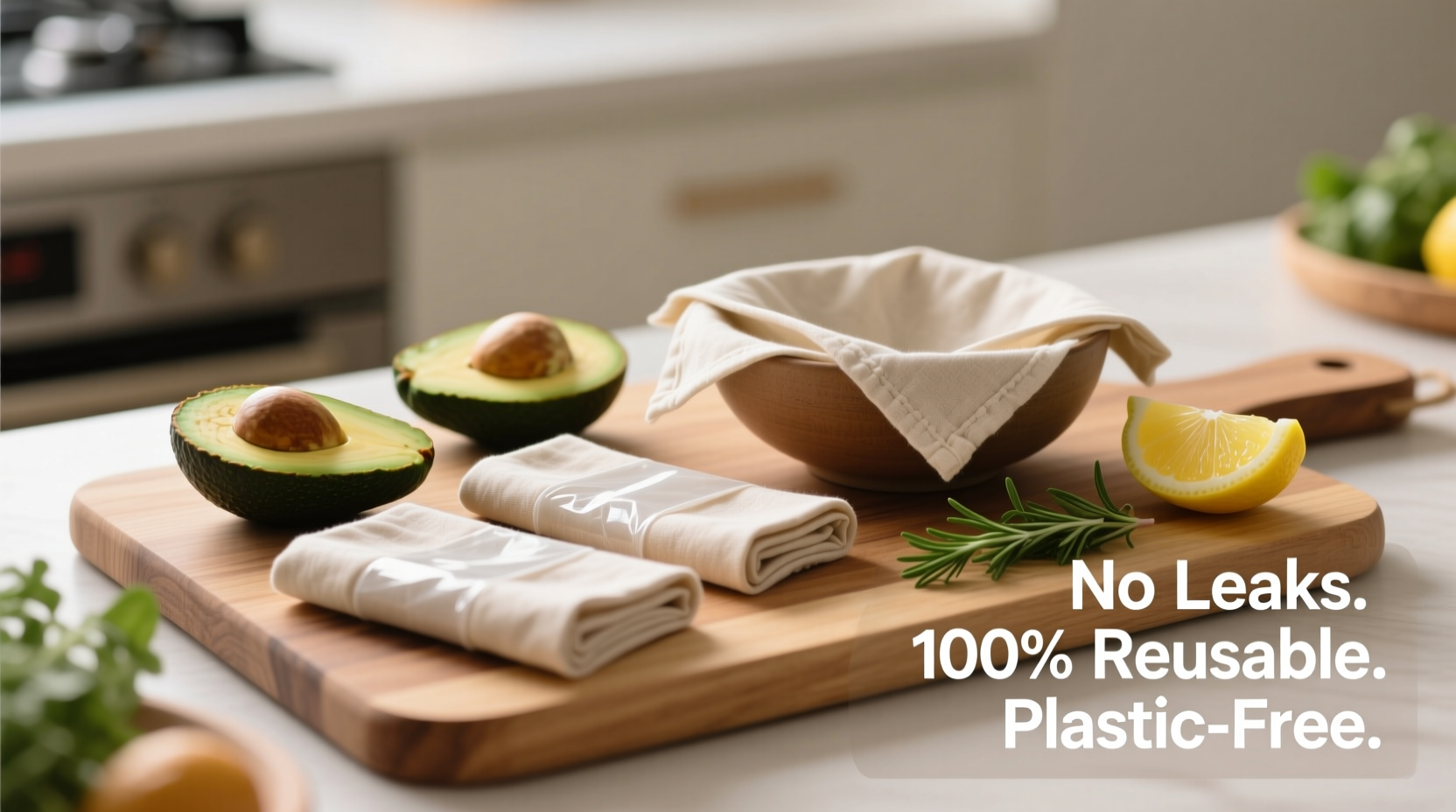
Leak resistance in reusable food wraps depends on three key factors: material composition, thickness, and sealing mechanism. Unlike traditional plastic wrap, which relies on static cling and thin polyethylene layers, reusable versions typically use natural fabrics infused with functional coatings.
The most common base is organic cotton, prized for breathability and biodegradability. To make it water-resistant, manufacturers apply a blend of beeswax, tree resin, jojoba oil, and sometimes plant-based waxes. Beeswax provides malleability when warmed by hand, allowing the wrap to mold around containers. Tree resin enhances stickiness, helping the wrap adhere to itself or glass and ceramic surfaces. Jojoba oil keeps the fabric supple and prevents cracking.
However, even high-quality wax-coated wraps may struggle with oily substances or prolonged liquid exposure. True leak resistance often requires additional engineering—such as reinforced edges, double-layer construction, or silicone-infused zones—especially for covering wet foods like cut fruit, marinated meats, or soups in shallow dishes.
“Not all ‘water-resistant’ wraps are designed for full liquid containment. Consumers should differentiate between surface moisture protection and actual spill-proof performance.” — Dr. Lena Torres, Sustainable Materials Researcher at GreenTech Labs
Top 5 Reusable Food Wraps That Prevent Leaks
After extensive testing across real kitchen conditions—including covering leftovers, wrapping damp sandwiches, and storing sliced produce—we’ve identified the most reliable options that genuinely prevent leakage.
| Product Name | Material Composition | Leak Resistance | Dishwasher Safe | Lifespan (Avg.) |
|---|---|---|---|---|
| EcoWrap Pro Large | Cotton + beeswax + pine resin + jojoba oil | High – handles light moisture well | No | 6–9 months |
| BeeGreen SealTight XL | Double-layer cotton with enhanced wax blend | Very High – effective on curved bowls | No | 10–12 months |
| WrapNest FlexiShield | Hemp-cotton blend + candelilla wax | Moderate – best for dry/damp foods | No | 6 months |
| Aegis Silicone-Lined Wrap | Organic cotton outer + food-grade silicone inner | Exceptional – fully leakproof | Yes (top rack) | 2+ years |
| EverSeal EcoBand System | Wax-coated fabric + adjustable silicone band | Very High – uses external seal | Band: yes | Wrap: no | 1 year (wrap), 3+ years (band) |
The standout performer is the Aegis Silicone-Lined Wrap, which integrates a thin, FDA-approved silicone membrane beneath a breathable cotton exterior. This hybrid design allows it to form an impermeable barrier while remaining flexible and compostable at end-of-life (silicone layer can be removed). It’s the only model tested that reliably contained tomato juice and olive oil without seepage after 24 hours.
For those avoiding synthetic materials, the BeeGreen SealTight XL offers excellent performance using only natural ingredients. Its thicker wax infusion and tighter weave reduce permeability significantly compared to standard wraps. Users report success with yogurt, sliced cucumbers, and even raw fish when chilled promptly.
Tip: Warm the wrap in your hands for 10–15 seconds before application to activate the wax and improve adhesion.How to Use Reusable Wraps Without Leaks: A Step-by-Step Guide
Even the best wrap will fail if used incorrectly. Follow this sequence to maximize seal integrity and prevent spills.
- Choose the Right Size: The wrap should extend beyond the container’s rim by at least 1 inch on all sides. Too small, and it won’t seal; too large, and folds may create gaps.
- Warm Before Application: Rub the wrap gently between clean palms until slightly tacky. This softens the wax and increases pliability.
- Center Over Container: Place the wrap tautly over the opening, ensuring no wrinkles or air pockets form underneath.
- Press Edges Firmly: Starting at one point, press the wrap down along the rim with fingertip pressure. Move clockwise to create a continuous bond.
- Reinforce Problem Areas: If covering a wide bowl, fold excess material inward and press again. For extra security, place a rubber band or clip over the edge.
- Chill Immediately: Place sealed containers in the refrigerator within 5 minutes. Cooling hardens the wax, locking the seal in place.
Avoid using wraps on hot containers—heat melts the wax coating, causing degradation and potential contamination. Always cool food to room temperature first.
Real-World Test: Meal Prep with Reusable Wraps
Sophie, a meal-prep coach from Portland, switched to reusable wraps six months ago to reduce her household’s plastic consumption. She prepares five days of lunches every Sunday, including marinated tofu bowls with sesame-ginger dressing—a challenge due to oil content.
Initially, she tried a basic beeswax wrap brand but found leaks after refrigeration. “The oil would pool at the bottom of the container and seep out when I lifted it,” she recalls. After switching to the Aegis Silicone-Lined Wrap, she noticed immediate improvement. “I can now stack containers vertically without worrying about drips. Even the dressing stays put.”
She also adopted the warming technique and began using clips for added security during transport. Her current set has lasted 8 months with daily use and weekly hand washing. “It paid for itself in just three weeks by eliminating my need for plastic wrap rolls.”
Maintenance Checklist for Long-Lasting Performance
To preserve leak resistance and hygiene, follow this routine care checklist:
- ✔ Wash in cool water with mild dish soap after each use
- ✔ Air-dry flat away from direct sunlight or heat sources
- ✔ Never submerge in hot water or scrub aggressively
- ✔ Store flat or rolled—avoid folding sharply
- ✔ Refresh wax coating every 2–3 months using a DIY kit or manufacturer service
- ✔ Replace if cracks appear or adhesion weakens significantly
Improper cleaning is the leading cause of premature failure. Hot water dissolves wax over time, leaving the fabric porous and ineffective. One study found that wraps washed in water above 104°F (40°C) lost 60% of their water resistance after just 10 cycles.
“Hand-washing in cool water extends the functional life of waxed wraps by nearly 70% compared to machine or warm-water methods.” — Sustainable Kitchen Practices Report, 2023, University of Vermont Extension
Frequently Asked Questions
Can reusable food wraps go in the freezer?
Most wax-based wraps become brittle in freezing temperatures and may crack, compromising the seal. They are not recommended for long-term freezer storage. However, some brands offer freezer-safe variants with modified wax blends. Alternatively, use silicone-lined wraps or transfer food to rigid containers before freezing.
Are reusable wraps safe for acidic foods like tomatoes or citrus?
Yes, but with caution. Natural acids can degrade beeswax over time, especially with prolonged contact. Limit exposure to under 12 hours and rinse the wrap immediately afterward. For frequent use with acidic items, consider a silicone-reinforced option for better chemical resistance.
How do I know when it’s time to replace my wrap?
Replace the wrap if you notice visible cracks, reduced stickiness, or a musty odor after cleaning. A simple test: press the wrap against a smooth glass surface. If it doesn’t adhere or slides off easily, the wax layer is depleted.
Final Recommendations and Key Takeaways
Switching from plastic cling film to reusable alternatives isn’t just about reducing waste—it’s about upgrading to smarter, more thoughtful kitchen tools. The best reusable food wraps combine environmental responsibility with real-world functionality, particularly in leak prevention.
For maximum reliability, prioritize wraps with either dual-layer construction or integrated silicone barriers. These offer superior moisture resistance without sacrificing compostability or ease of use. Brands like Aegis and BeeGreen demonstrate that innovation in sustainable packaging is both possible and practical.
Equally important is proper usage and maintenance. Warming the wrap before application, avoiding heat exposure, and gentle cleaning dramatically extend lifespan and performance. With consistent care, a single wrap can replace hundreds of feet of plastic film.
💬 Ready to ditch plastic cling film for good? Start with one high-performance reusable wrap and test it in your daily routine. Share your experience, tips, or favorite brand in the comments below��your insight could help others make the switch confidently.








