
Your front door is more than just an entry point—it’s a statement. It sets the tone for your home’s curb appeal and endures the brunt of sun, rain, wind, and temperature swings. Choosing the right paint isn’t just about aesthetics; it’s about protection. A poorly chosen finish can fade, peel, or crack within a season, leaving your door looking worn and requiring frequent touch-ups. The ideal paint must balance durability, resistance to the elements, and visual impact.
The key lies in selecting a formulation engineered for exterior use, with strong adhesion, UV resistance, and flexibility to handle expansion and contraction. Whether you have a classic wooden door, a modern fiberglass model, or a metal entry, the right paint can enhance longevity while elevating your home’s character.
Understanding Door Materials and Paint Compatibility
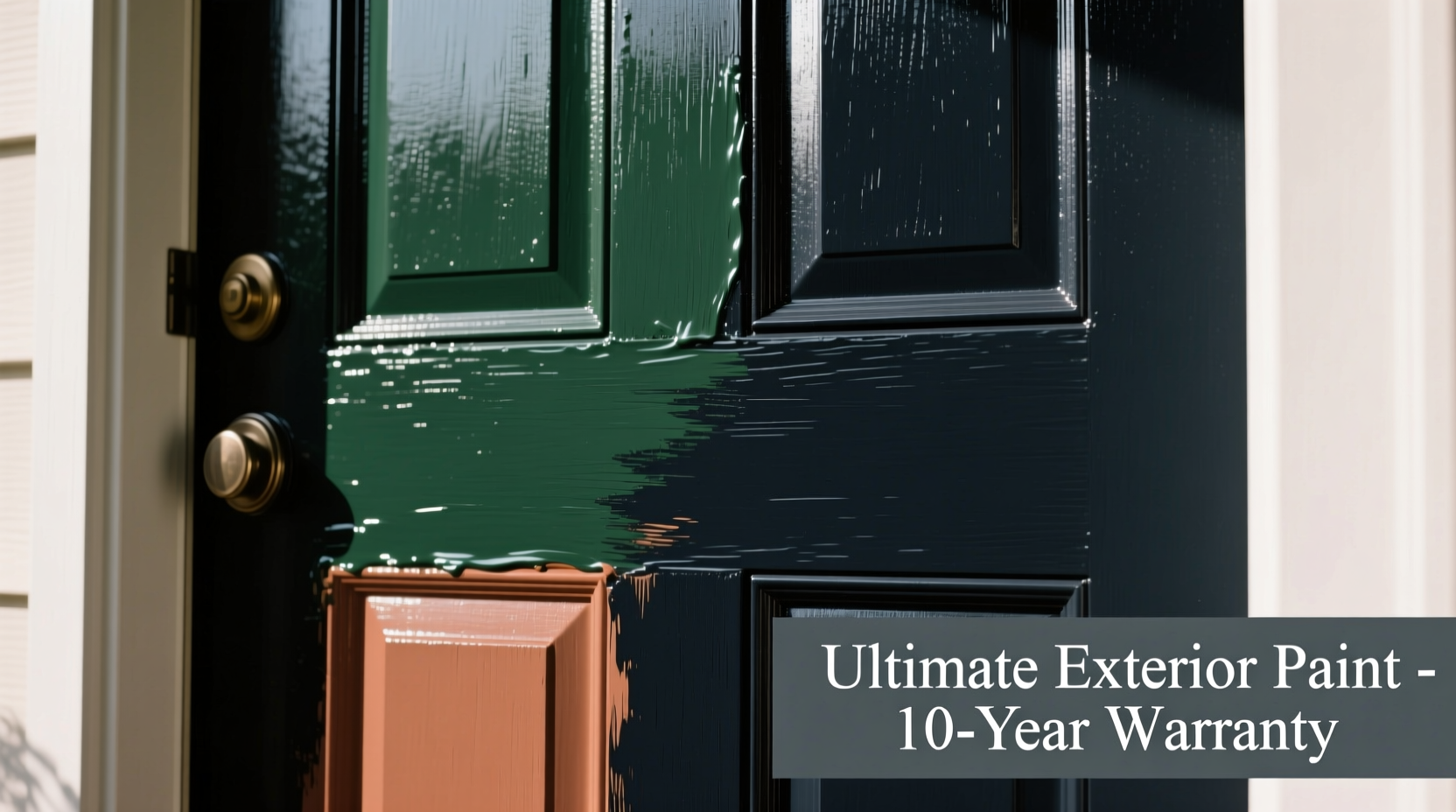
Not all doors are created equal, and the material dictates the type of paint that will adhere properly and last. Using the wrong paint can lead to premature failure, no matter how high-quality the product.
- Wood: Traditional and beautiful, but porous and prone to swelling and shrinking. Requires a primer and topcoat system that allows some breathability while sealing against moisture.
- Steel or Metal: Common in modern homes, these resist warping but are vulnerable to rust. Paint must include corrosion inhibitors and strong bonding agents.
- Fiberglass: Low maintenance and stable, but glossy surfaces can repel paint if not prepped correctly. Needs a bonding primer for optimal adhesion.
- PVC/Vinyl: Rare for front doors but sometimes used. Requires specialty adhesives and primers to bond effectively.
“Front doors face up to five times more UV exposure than side walls. A quality exterior paint with UV stabilizers is non-negotiable.” — James Langford, Architectural Finish Consultant
Top Durable Paint Types for Front Doors
While many paints claim to be “exterior grade,” only a few deliver true long-term performance. Here are the most reliable categories:
1. 100% Acrylic Latex Paint
This water-based option is widely regarded as the gold standard for exterior wood and metal doors. It forms a flexible film that expands and contracts with temperature changes, resists cracking, and holds color exceptionally well. Acrylic latex also resists fading from UV rays and repels water without trapping moisture underneath.
2. Oil-Based Alkyd Paint
Known for its hard, glossy finish and superior durability, oil-based paint adheres tightly to both wood and metal. However, it yellows over time and requires mineral spirits for cleanup. While extremely tough, it’s less environmentally friendly and being phased out in some regions due to VOC content.
3. Urethane-Modified Acrylics
A hybrid category gaining popularity, these paints combine the ease of water-based application with the toughness of urethane resins. They offer excellent abrasion resistance, making them ideal for high-traffic entries. Brands like Benjamin Moore Aura Grand Entrance and Sherwin-Williams Emerald Exterior are formulated specifically for doors and trim.
Tip: Avoid interior paints—even \"semi-gloss\" versions—as they lack the binders and additives needed to withstand outdoor conditions.Paint Finish and Sheen: Balancing Style and Function
The sheen of your paint affects both appearance and performance. For front doors, glossier finishes tend to perform better outdoors.
| Sheen Level | Durability | Appearance | Best For |
|---|---|---|---|
| Flat/Matte | Low – shows wear easily | Soft, non-reflective | Not recommended for doors |
| Satin | Moderate – slight sheen, easier to clean | Subtle luster | Shaded areas with low sun exposure |
| Semi-Gloss | High – resists moisture and scuffs | Bright, reflective | All door types (most popular) |
| Gloss/High-Gloss | Very High – easiest to clean, most durable | Polished, dramatic | Statement doors, traditional homes |
Semi-gloss remains the top choice for most homeowners: it highlights architectural details, wipes clean easily, and resists grime and fingerprints—especially important for frequently touched areas like knobs and panels.
Step-by-Step Guide to Painting Your Front Door for Maximum Longevity
Even the best paint will fail without proper preparation. Follow this timeline to ensure a professional, lasting result.
- Remove Hardware (Day 1): Take off knobs, knockers, and plates. Mask glass inserts with painter’s tape if not removing.
- Clean the Surface (Day 1): Wash with TSP (trisodium phosphate) or a mild detergent solution to remove dirt, grease, and chalky residue. Rinse thoroughly and let dry overnight.
- Sand & Repair (Day 2): Lightly sand with 120–220 grit paper to de-gloss and smooth imperfections. Fill dents or cracks with exterior-grade wood filler or metal putty. Sand again when dry.
- Prime (Day 2): Apply a high-adhesion primer suited to your door material—oil-based for bare wood or metal, bonding primer for fiberglass. Let cure per manufacturer instructions.
- Paint (Day 3): Use a high-quality synthetic brush (for smooth finish) or microfiber roller (for flat panels). Apply two thin coats, allowing full drying time between layers.
- Reinstall Hardware (Day 4): Once fully cured (typically 48–72 hours), reattach hardware and enjoy your refreshed entrance.
Color Considerations: Style Meets Performance
While bold hues like navy, red, or black make striking statements, darker colors absorb more heat, increasing thermal stress on the door surface. This can accelerate paint breakdown, especially on south-facing entries.
To mitigate this:
- Choose paints labeled “heat-reflective” or “fade-resistant” for dark shades.
- Consider using premium lines like Sherwin-Williams Duration or Benjamin Moore Regal Select, which include enhanced pigments and UV blockers.
- Repaint every 5–7 years, even with durable products, to maintain protection and appearance.
“I once had a client repaint their black steel door every two years until switching to a urethane-modified acrylic. After five years, it still looks factory-fresh.” — Dana Ruiz, Residential Painting Contractor
Checklist: Pre-Painting Preparation Essentials
- ☐ Remove door hardware or mask carefully
- ☐ Clean door with degreaser and rinse
- ☐ Inspect for rot, rust, or damage
- ☐ Sand surface lightly for adhesion
- ☐ Apply appropriate exterior primer
- ☐ Choose 100% acrylic or urethane-modified paint
- ☐ Use semi-gloss or gloss finish
- ☐ Allow full curing time before heavy use
Real Example: Reviving a Weathered Cedar Door
In Portland, Oregon, homeowner Lisa Chen faced peeling paint on her cedar front door after four harsh winters. Despite annual cleaning, the latex paint degraded due to constant moisture and shade. She consulted a local paint specialist who recommended stripping the old finish, applying an oil-based exterior primer (to seal tannins), and finishing with two coats of Benjamin Moore Aura Grand Entrance in deep emerald green (semi-gloss).
Three years later, the door shows no signs of fading or flaking. The high-performance formula handled the damp climate, and the rich color became a neighborhood standout. Lisa now inspects the door each spring but hasn’t needed a touch-up since.
Frequently Asked Questions
How often should I repaint my front door?
With quality materials and proper prep, expect 5 to 7 years of service. Harsh climates (desert sun or coastal salt air) may require repainting every 4–5 years. Inspect annually for chipping, fading, or cracking.
Can I paint over a stained wood door?
Yes, but only after thorough cleaning, sanding, and priming. Use a bonding primer designed for glossy surfaces to prevent peeling. Solid-color paint works best; transparent stains won’t cover existing grain patterns effectively.
Is it better to spray or brush paint a front door?
Brushing offers more control and avoids overspray, especially around glass and edges. Rolling is efficient for large flat areas. Spraying provides a smooth, even coat but requires masking and skill. For most DIYers, a combination of brush and mini-roller delivers the best results.
Final Thoughts: Invest in Protection and Presence
Your front door deserves more than a decorative coat—it needs armor. The best paint for front doors combines advanced resin technology, UV protection, and a finish that stands up to daily wear. Whether you prefer timeless white, bold crimson, or modern charcoal, choosing a high-performance exterior acrylic or urethane-modified formula ensures your door stays vibrant and protected for years.
💬 Ready to transform your entry? Pick a durable paint, prep thoroughly, and make your front door a lasting impression. Share your before-and-after story or favorite product pick in the comments!








