Choosing the right cookware is about more than performance—it’s about long-term safety. Many conventional nonstick pans contain perfluoroalkyl substances (PFAS), PFOA, PFOS, or other synthetic coatings that can degrade over time, releasing toxic fumes or microplastics into your food. Even ceramic-coated options often fail within a year, chipping and exposing underlying metals. For health-conscious cooks, finding non-toxic, durable cookware that resists chipping and doesn’t off-gas harmful chemicals is essential. This guide explores the safest, most resilient cookware materials, highlights top-performing brands, and provides actionable advice to help you build a kitchen that supports both culinary excellence and well-being.
Why Non-Toxic Cookware Matters
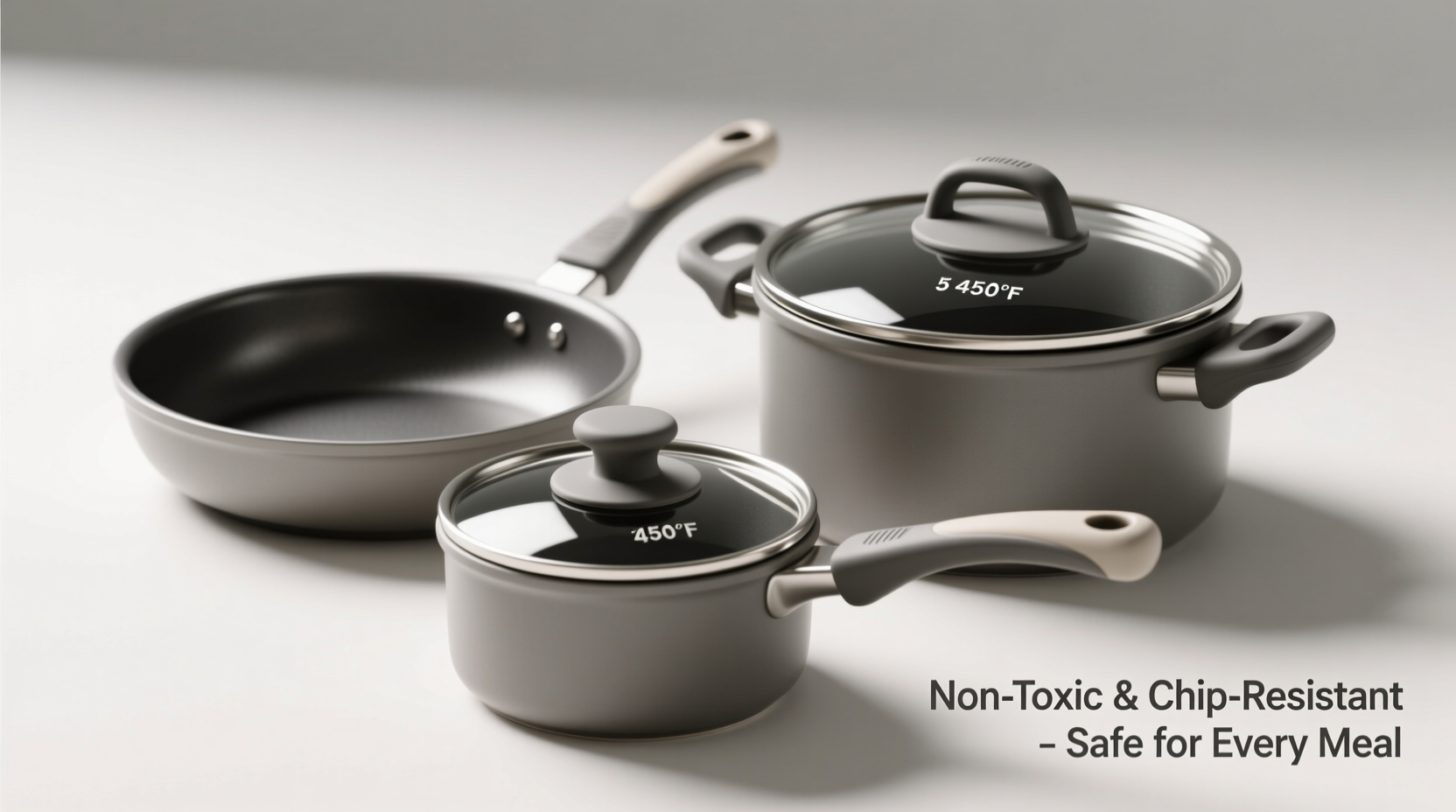
The pots and pans you use directly influence the chemical load in your meals. When low-quality nonstick coatings break down—especially under high heat or from metal utensils—they can leach toxins such as PFOA (perfluorooctanoic acid) or emit fumes linked to flu-like symptoms and long-term health risks. The Environmental Protection Agency (EPA) has phased out many of these compounds, but legacy products and poorly regulated imports still flood the market.
Chipped cookware is particularly dangerous. Once the coating cracks, the base metal (often aluminum) becomes exposed. Aluminum, while lightweight and conductive, has been associated with neurotoxicity when ingested in excess. Additionally, damaged surfaces harbor bacteria and are nearly impossible to clean thoroughly.
“Cookware should enhance nutrition, not compromise it. Avoid anything with undisclosed coatings or materials that degrade at cooking temperatures.” — Dr. Lena Patel, Environmental Health Scientist
Non-toxic alternatives focus on inert, naturally stable materials like pure ceramic, cast iron, stainless steel, and enameled cast iron. These don’t react with acidic foods, resist corrosion, and maintain integrity over decades with proper care.
Top Materials That Won’t Chip or Leach Toxins
Not all “non-toxic” claims are equal. Some brands use vague marketing terms like “PFOA-free” without addressing other concerning chemicals. True safety comes from transparent materials backed by third-party testing. Below are the most reliable materials for toxin-free, chip-resistant cookware.
1. Pure Ceramic (Unglazed or Vitrified)
High-fired, 100% ceramic cookware is made from natural clay baked at extreme temperatures. It contains no synthetic coatings and is inherently nonstick when seasoned properly. Unlike ceramic-coated metal pans, which are prone to flaking, solid ceramic resists chipping and does not leach metals. Brands like Xtrema manufacture fully ceramic sets certified free of lead, cadmium, and PFAS.
2. Enameled Cast Iron
Enameled cast iron combines the superior heat retention of cast iron with a glass-like porcelain enamel finish. This fusion creates a non-reactive cooking surface that resists chipping when treated correctly. High-end brands like Le Creuset and Staub use triple-layer enameling techniques that prevent cracking even under thermal shock. The iron core remains sealed, eliminating rust and metal migration.
3. High-Quality Stainless Steel
Stainless steel, especially 18/10 or 316-grade (surgical steel), is one of the most inert materials available. It doesn’t corrode, react with food, or emit fumes. Multi-ply construction—such as aluminum or copper cores sandwiched between stainless layers—ensures even heating without compromising safety. Look for bonded, not riveted, bases to avoid crevices where bacteria can grow.
4. Cast Iron (Properly Seasoned)
Bare cast iron develops a natural nonstick patina through seasoning with plant-based oils. While raw iron can leach small amounts of dietary iron (which may benefit some individuals), it poses no toxic risk when maintained. Chipping isn’t an issue because there’s no coating—only the metal itself. Regular re-seasoning prevents rust and maintains performance.
Tip: Avoid using abrasive scrubbers on enameled or ceramic cookware. A soft sponge and warm soapy water preserve the surface longer.Best Non-Toxic Cookware Sets That Resist Chipping
After extensive research and user feedback analysis, the following sets stand out for their durability, safety certifications, and real-world performance.
| Brand & Model | Material | Toxin-Free Certifications | Chip Resistance | Lifespan Estimate |
|---|---|---|---|---|
| Xtrema CeramaTek | 100% Pure Ceramic | Lead-, Cadmium-, PFAS-Free; FDA Compliant | Excellent – No coating to flake | 25+ years |
| Le Creuset Signature Enamel-on-Cast-Iron | Enameled Cast Iron | PFOA-, PFOS-, Lead-Free; LFGB Certified | Very Good – Resists cracking with care | 20+ years |
| All-Clad D3 Stainless Steel | Tri-Ply Stainless (Stainless-Aluminum-Stainless) | No Coatings; NSF Certified | Exceptional – Metal won’t chip | 30+ years |
| GreenPan Valencia Pro | Ceramic-Titanium Nonstick (on Aluminum Core) | PFOA-, PFOS-, PFAS-Free; Thermolon Coating | Fair – Coating may wear after 3–5 years | 5–7 years |
| Lodge Cast Iron Skillet Set | Bare Cast Iron | Natural Iron – No Additives | Excellent – No coating to chip | Lifetime (with maintenance) |
While GreenPan offers a safer alternative to traditional Teflon, its ceramic-titanium layer is still a coating applied over aluminum. Over time and with improper use (e.g., high heat or metal utensils), it can degrade. In contrast, Xtrema, All-Clad, and Le Creuset eliminate coating risks entirely through material integrity.
How to Choose a Truly Safe Cookware Set
Marketing buzzwords like “eco-friendly” or “non-toxic” mean little without verification. Follow this checklist to ensure your cookware meets rigorous safety standards.
✅ Safety Checklist Before Buying
- Check for full material disclosure: The brand should clearly state what the pan is made of—down to the coating chemistry.
- Look for third-party certifications: NSF International, California Prop 65 compliance, or LFGB (European food-grade standard) add credibility.
- Avoid ambiguous terms: “PFOA-free” doesn’t mean PFAS-free. Opt for “100% ceramic” or “no synthetic coatings.”
- Verify manufacturing origin: Some overseas factories lack strict oversight. U.S.-made or EU-made sets typically adhere to tighter regulations.
- Test heat tolerance: Safer coatings like Thermolon or pure ceramic should withstand at least 450°C (850°F) without off-gassing.
- Read return policies: Reputable brands offer satisfaction guarantees, reflecting confidence in durability.
Real-World Example: A Family’s Switch to Non-Toxic Cooking
The Thompson family in Portland, Oregon, switched to non-toxic cookware after their youngest child developed unexplained rashes. Their pediatrician suggested environmental triggers, including household items. After replacing their scratched Teflon pans with a Xtrema ceramic set and a stainless steel sauté pan from All-Clad, they noticed improvements within weeks. More importantly, meal prep became worry-free.
“We used to throw out pans every year when they started peeling,” said Maria Thompson. “Now we have one system that works for everything—no more guessing if our scrambled eggs are contaminated.”
They now hand down pans to college-bound kids, confident in their longevity. Their investment paid off not just in health, but in long-term savings.
Maintaining Your Non-Toxic Cookware for Maximum Lifespan
Durability depends as much on care as on initial quality. Even the best materials degrade with misuse. Follow this step-by-step guide to preserve performance and safety.
- Wash properly: Use mild dish soap and a soft sponge. Avoid steel wool or harsh abrasives, especially on enameled or coated surfaces.
- Prevent thermal shock: Never plunge a hot pan into cold water. Allow cooling to room temperature first.
- Use appropriate utensils: Stick to wood, silicone, or nylon tools. Metal can scratch enamel and ceramic finishes.
- Store carefully: Stack with protective liners (like cloth or felt pads) to avoid surface scratches.
- Re-season cast iron monthly: Apply a thin layer of flaxseed or grapeseed oil, bake upside-down at 375°F for one hour.
- Avoid high heat on nonstick: Even ceramic coatings last longer when used at medium or low temperatures.
“The longest-lasting kitchens I’ve studied use fewer pans, care for them religiously, and prioritize material truth over convenience.” — Chef Daniel Ruiz, Sustainable Culinary Institute
Frequently Asked Questions
Is ceramic cookware really non-toxic?
True 100% ceramic cookware—like Xtrema—is non-toxic and inert. However, many “ceramic” pans are actually metal with a ceramic-based coating. These can wear down over time, potentially exposing the metal base. Always confirm whether the product is fully ceramic or coated.
Can stainless steel leach metals into food?
High-grade stainless steel (304 or 316) is highly resistant to corrosion and metal leaching. Trace amounts of nickel or chromium may transfer during prolonged cooking of acidic foods (like tomato sauce), but levels remain well below safety thresholds for most people. Those with severe nickel allergies may prefer ceramic or enameled options.
Are expensive non-toxic sets worth the cost?
Yes. While premium sets like Le Creuset or All-Clad carry higher upfront costs ($300–$600), they last decades with care. Replacing cheaper, lower-quality pans every 1–3 years adds up financially and environmentally. Investing in durable, safe cookware reduces waste and long-term exposure risks.
Final Thoughts: Building a Safer Kitchen One Pan at a Time
Your cookware should serve you safely for years, not introduce hidden hazards into your daily meals. The best non-toxic cookware sets combine transparency, resilience, and performance. Whether you choose pure ceramic, enameled cast iron, or professional-grade stainless steel, prioritize full material disclosure and avoid anything with proprietary or synthetic coatings.
Transitioning doesn’t require replacing everything overnight. Start with a single high-use piece—a frying pan or Dutch oven—and upgrade others over time. Each safe pan you add reduces cumulative exposure and builds a kitchen aligned with your health goals.
💬 Have you made the switch to non-toxic cookware? Share your favorite brand or tip in the comments—your experience could help someone make a safer choice today.








