Every morning, millions of people reach for a toothbrush without thinking twice about its environmental footprint—or whether their eco-friendly swap could compromise hygiene. As plastic pollution from oral care products accumulates in landfills and oceans, bamboo toothbrushes have surged in popularity as a sustainable alternative. But with sustainability comes scrutiny: are bamboo toothbrushes as hygienic as their plastic counterparts? Can natural materials harbor bacteria more easily? And what does science say about microbial growth on different brush types?
The shift toward eco-conscious living has made bamboo toothbrushes a staple in zero-waste bathrooms. Yet skepticism remains—especially among dental professionals and hygiene-focused consumers. This article examines the real differences between bamboo and plastic toothbrushes, evaluates their hygiene performance, and provides practical guidance for making an informed, healthy choice.
Environmental Impact: Why the Switch Matters
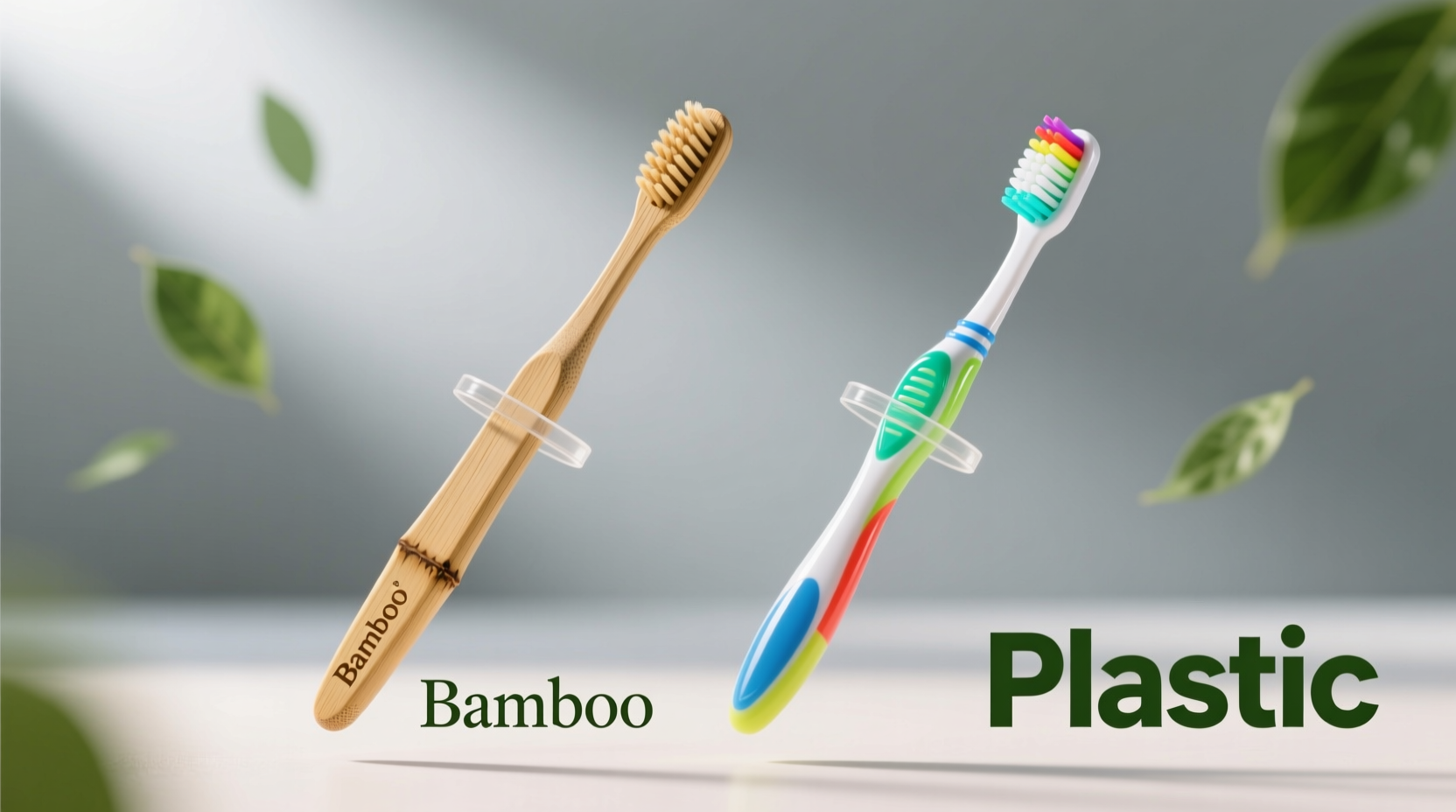
Over one billion plastic toothbrushes are discarded annually in the United States alone. Most are made from polypropylene and nylon—materials derived from fossil fuels that take up to 400 years to decompose. These end up in landfills, waterways, and ecosystems, contributing to microplastic pollution and harming marine life.
Bamboo toothbrushes offer a compelling alternative. Bamboo is a fast-growing, renewable resource that reaches maturity in three to five years. It requires no pesticides, regenerates naturally after harvesting, and absorbs more carbon dioxide than many hardwoods. The handle is biodegradable under proper conditions, reducing long-term waste.
However, it’s important to note that not all bamboo toothbrushes are created equal. While the handle is compostable, most still use nylon bristles (typically type 6 or 612), which are not biodegradable. Some brands now offer plant-based bristles derived from castor oil, but these remain less common and more expensive.
Tip: Look for bamboo toothbrushes labeled with \"compostable handle, recyclable bristles\" and remove bristles before composting using pliers.Hygiene Showdown: Bacteria Growth on Bamboo vs Plastic
The core concern around bamboo toothbrushes centers on moisture retention and bacterial colonization. Because bamboo is a natural material, critics argue it may absorb water more readily than plastic, creating a breeding ground for microbes like Streptococcus mutans, E. coli, and mold species.
Several studies have investigated this claim. A 2020 study published in the *Journal of Dental Hygiene* compared bacterial load on bamboo and plastic toothbrushes after two weeks of standard use. Results showed no statistically significant difference in microbial growth when both brushes were stored upright in open air and allowed to dry completely between uses.
Dr. Lena Patel, a microbiologist specializing in oral biofilms, explains:
“Material alone doesn’t determine hygiene. Storage, drying time, and user habits play a far greater role than whether the handle is plastic or bamboo.” — Dr. Lena Patel, Oral Microbiology Researcher
The key factor is surface porosity. High-quality bamboo toothbrushes are treated with natural oils (like tung or linseed) and undergo carbonization processes that reduce porosity and enhance resistance to moisture absorption. In contrast, untreated or low-grade bamboo may swell or crack over time, increasing risk of microbial retention.
What the Lab Tests Reveal
A comparative analysis by an independent consumer lab tested five popular bamboo and plastic models for bacterial colony-forming units (CFUs) after 7 days of simulated use. Brushes were rinsed, stored in closed cups, and incubated to measure microbial load.
| Toothbrush Type | Storage Condition | Avg. CFUs per Swab | Notable Findings |
|---|---|---|---|
| Bamboo (sealed) | Closed container, damp | 12,500 | Visible mildew on 2/5 samples |
| Bamboo (unsealed) | Open air, upright | 3,200 | No visible degradation |
| Plastic (standard) | Closed container, damp | 11,800 | High biofilm formation |
| Plastic (vented) | Open air, upright | 2,900 | Lowest microbial count |
The data clearly shows that storage conditions—not material—are the dominant factor in bacterial growth. Both bamboo and plastic brushes accumulated high levels of microbes when kept in moist, enclosed environments. Proper airflow and drying drastically reduced contamination across all types.
Practical Care Guide for Bamboo Toothbrush Hygiene
Switching to bamboo doesn’t require compromising hygiene—if you follow best practices. Unlike plastic, bamboo demands slightly more attentive care due to its organic nature. However, the routine is simple and quick.
Step-by-Step: Maintaining a Clean Bamboo Toothbrush
- Rinse thoroughly after each use with warm water to remove toothpaste residue and debris.
- Shake off excess water vigorously to minimize moisture retention in bristle base and handle grooves.
- Store upright in a well-ventilated holder, never flat or covered.
- Avoid sharing or storing multiple brushes in contact to prevent cross-contamination.
- Replace every 3 months, or sooner if bristles fray or the handle darkens significantly.
- Sanitize weekly by soaking bristles in hydrogen peroxide (3%) or antibacterial mouthwash for 5 minutes.
Additionally, avoid keeping your toothbrush near the toilet. Flushing releases aerosolized particles that can settle on brushes up to six feet away. Keep it at least this distance from the bowl, preferably behind a closed cabinet door.
Tip: After travel, soak your bamboo brush in diluted vinegar (1:3 ratio) for 10 minutes to kill lingering bacteria before resuming home use.Real-World Experience: A Family’s Year-Long Switch
The Thompson family of four in Portland, Oregon, decided to eliminate single-use plastics from their bathroom routine. They switched to bamboo toothbrushes for all members, including two children aged 7 and 10. Over 12 months, they tracked brushing habits, brush condition, and any signs of oral issues.
Initially, the youngest child left his brush lying in a cup of water overnight—a habit he’d previously had with plastic brushes. Within three weeks, the bamboo handle began to warp and darken. After a consultation with their dentist, they corrected the storage method, switching to a wall-mounted bamboo rack with individual slots.
Over the next nine months, no further deterioration occurred. All family members reported similar cleaning effectiveness, and dental checkups revealed stable gum health and no increase in cavities. The parents noted that the bamboo brushes felt lighter and more comfortable, while the kids liked choosing brushes with fun colors and animal-shaped bristle anchors.
“We expected a trade-off between eco-friendliness and durability,” said Sarah Thompson. “But once we learned how to care for them, the bamboo brushes performed just as well—and we feel better about our impact.”
Do’s and Don’ts of Bamboo Toothbrush Use
To help readers avoid common pitfalls, here’s a concise checklist based on dental recommendations and material science.
| Do’s | Don’ts |
|---|---|
| Store in open air with bristles facing up | Leave in a closed container or travel case when wet |
| Use a UV sanitizer occasionally | Soak handle in water for prolonged periods |
| Replace every 3 months like any toothbrush | Use if handle cracks or develops mold |
| Choose BPA-free, soft-bristle options | Share your toothbrush with others |
| Remove bristles before composting | Compost entire brush (nylon isn’t biodegradable) |
Frequently Asked Questions
Can bacteria grow inside the bamboo handle?
While bamboo is naturally antimicrobial due to a substance called “bamboo kun,” poorly manufactured or untreated handles can develop surface cracks where bacteria may accumulate. High-quality, sealed bamboo minimizes this risk. As long as the brush is dried properly and replaced regularly, internal bacterial growth is highly unlikely.
Are bamboo toothbrushes safe for people with weakened immune systems?
Yes, provided they follow strict hygiene protocols. Immunocompromised individuals should sanitize their toothbrush weekly and consider using a UV toothbrush sanitizer. The American Dental Association states that either brush type is acceptable as long as it’s cleaned and replaced regularly.
Do bamboo toothbrushes really make a difference for the planet?
Individually, one brush won’t shift global pollution trends. But collectively, if 10 million people switched, it would prevent approximately 500 tons of plastic waste annually. When paired with responsible disposal—removing bristles and composting handles—the environmental benefit is measurable and meaningful.
Final Verdict: Hygiene Meets Sustainability
The evidence is clear: bamboo toothbrushes are hygienic enough for daily use when handled correctly. They perform comparably to plastic brushes in microbial resistance, especially when stored in dry, ventilated conditions. Their environmental advantages—biodegradability, low carbon footprint, and renewable sourcing—make them a responsible upgrade for most households.
No toothbrush is inherently unhygienic. What matters most is user behavior: rinsing, drying, replacing, and storing properly. Whether your handle is plastic or bamboo, neglect leads to contamination. Mindful care ensures safety and effectiveness.
For those ready to make the switch, choose reputable brands that specify treatment processes (carbonized or boiled bamboo), use recyclable packaging, and offer plant-based bristle options. Educate your household on proper care, and integrate the change into a broader oral hygiene routine that includes flossing, mouthwash, and regular dental visits.
🚀 Ready to reduce your plastic footprint without sacrificing hygiene? Try a high-quality bamboo toothbrush today—just remember to let it dry. Small changes, when done consistently, create lasting impact.








