
Vegan leather jackets have surged in popularity as sustainable, cruelty-free alternatives to traditional animal leather. Their sleek designs and ethical appeal make them a favorite among urban commuters and fashion-conscious individuals. But when temperatures drop and icy winds cut through city streets, a critical question arises: are these jackets actually warm enough for cold-weather commutes?
The answer isn’t a simple yes or no. While vegan leather itself is not inherently insulating, the warmth of a jacket depends on its construction, lining, layering capability, and how it’s worn. Understanding the nuances of material science, design features, and real-world usage can help you decide whether a vegan leather jacket fits your winter wardrobe—or if it needs strategic upgrades to do so.
Understanding Vegan Leather and Thermal Performance
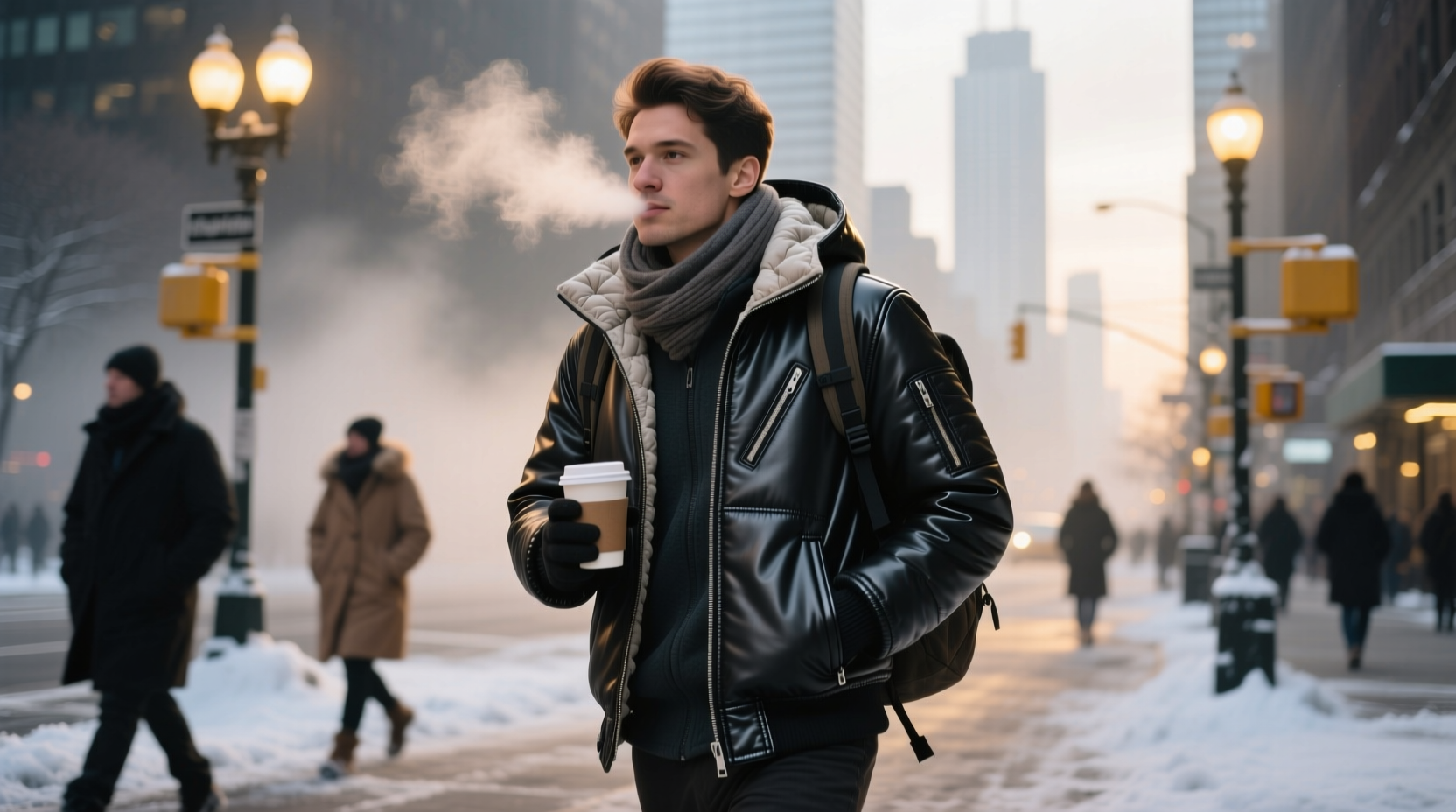
Vegan leather, also known as faux or synthetic leather, is typically made from polyurethane (PU) or polyvinyl chloride (PVC). These materials mimic the look and feel of genuine leather but lack its natural breathability and slight thermal regulation. Unlike animal hides, which have microscopic pores that allow minimal air exchange, PU and PVC are largely non-porous—meaning they can trap heat but also moisture, leading to discomfort during physical activity like walking or biking to work.
In terms of insulation, vegan leather offers minimal inherent warmth. It functions more like a wind-resistant shell than a thermal layer. The actual warmth comes from what lies beneath the outer material—the lining, padding, and fit of the garment. A vegan leather jacket with a thick fleece or quilted polyester lining will perform far better in cold climates than one with a thin satin or mesh interior.
Tip: Look for vegan leather jackets labeled as “lined” or “insulated”—these are specifically designed for colder conditions.Common Lining Materials and Their Insulating Value
The internal fabric plays a decisive role in comfort during winter commutes. Here's a breakdown of typical linings found in vegan leather jackets:
- Polyester fleece – Lightweight, soft, and highly effective at trapping body heat. Resists moisture and dries quickly.
- Thinsulate™ or synthetic down – Engineered for high warmth-to-weight ratio. Often used in technical outerwear.
- Cotton blend – Breathable but less insulating when damp. Best for mild cold, not freezing temps.
- Satin or rayon – Smooth and comfortable but offers almost no insulation. Common in fashion-first designs.
If warmth is a priority, avoid jackets with only decorative linings. Instead, prioritize functional insulation even if it means sacrificing some minimalist aesthetics.
Design Features That Enhance Cold-Weather Performance
Beyond materials, certain design elements significantly affect how well a vegan leather jacket performs in cold environments. These features improve heat retention and reduce exposure to wind and precipitation:
- High collar or stand-up neck – Reduces airflow around the neck and lower face.
- Zippered cuffs or elastic hems – Prevents cold air from entering at the wrists and waist.
- Double-layer front placket – Adds extra barrier against wind penetration over the zipper.
- Storm flap with snap buttons – Reinforces closure points where drafts commonly enter.
- Inner storm liner or draft tube – Some premium models include an additional inner layer to block wind.
Jackets with these features often blur the line between fashion and function, offering urban commuters both style and protection. However, many vegan leather styles focus heavily on appearance, omitting practical details. Always check product specifications carefully before purchasing for winter use.
Wind Resistance vs. Breathability Trade-Off
Vegan leather excels at blocking wind—a major factor in perceived temperature during commutes. Wind chill can make a 35°F (2°C) morning feel like 25°F (-4°C), especially when cycling or waiting for transit. A tightly woven PU outer shell reduces this effect dramatically.
However, the same property that blocks wind also limits breathability. During active commutes, sweat buildup inside the jacket can lead to clamminess and even cooling through evaporation. This paradox—staying warm while staying dry—is a key challenge in cold-weather apparel.
To mitigate this, consider wearing moisture-wicking base layers such as merino wool or technical synthetics. Avoid cotton, which retains moisture and loses insulating properties when wet.
Comparing Vegan Leather to Real Leather in Cold Conditions
Real leather has long been considered a durable and moderately insulating material for outerwear. Full-grain cowhide naturally resists wind and develops a patina over time. When properly cared for, it can last decades. But how does it stack up against vegan alternatives in winter?
| Feature | Real Leather | Vegan Leather |
|---|---|---|
| Natural insulation | Moderate (dense fibers trap air) | Low (synthetic film conducts cold) |
| Wind resistance | High | Very high (especially PU) |
| Breathability | Moderate (micro-pores allow airflow) | Low (non-porous surface) |
| Durability in wet cold | Good (if conditioned) | Fair (PVC cracks; PU more flexible) |
| Eco impact | High (livestock, tanning chemicals) | Lower (no animals, but plastic-based) |
While real leather provides slightly better natural insulation and aging characteristics, modern vegan leather—especially high-quality PU—can match or exceed it in wind resistance and maintenance ease. With proper lining and care, a well-designed vegan leather jacket can be just as effective in daily winter use.
“Modern vegan leathers are no longer just about ethics—they’re engineered for performance. When paired with smart insulation, they can outperform traditional materials in urban commuting scenarios.” — Dr. Lena Torres, Sustainable Textile Researcher, MIT Materials Lab
Maximizing Warmth: Layering Strategies for Vegan Leather Jackets
No single jacket, regardless of material, is sufficient for extreme cold without layering. The secret to staying warm during winter commutes lies in building a system of clothing that traps heat efficiently while managing moisture.
A successful layering strategy includes three components:
- Base Layer: Worn next to skin; manages moisture. Opt for merino wool or synthetic thermal shirts.
- Mid Layer: Provides primary insulation. Fleece pullovers, wool sweaters, or down vests work well.
- Outer Layer: Protects from wind and light precipitation. Your vegan leather jacket serves here.
Because most vegan leather jackets have a snug fit to maintain silhouette, choosing slim-profile mid-layers is essential. Bulky sweaters may strain zippers or restrict movement. Consider a lightweight down jacket or a thin quilted vest instead.
Tip: Try on your intended layers together before buying. Wear your base and mid-layer when test-fitting the jacket.Real Example: Commuting in Chicago Winters
Take Sarah, a graphic designer who bikes 3 miles to work in Chicago, where winter mornings regularly dip below 20°F (-7°C). She owns a black vegan leather motorcycle jacket with a removable thermal liner. On average days, she wears a merino long-sleeve shirt, a thin polar fleece, and gloves. The jacket’s zippered cuffs and belted waist keep wind out, and the inner liner adds crucial warmth.
During extreme cold snaps, she adds a down vest underneath and swaps to a balaclava. Her jacket isn’t the warmest piece she owns—but combined with smart layering, it keeps her comfortable, dry, and stylish. After two winters, the jacket shows no cracking or peeling, thanks to regular cleaning with a pH-balanced wipe.
Sarah’s experience shows that with planning, a vegan leather jacket can be part of a reliable cold-weather system—even in harsh climates.
Practical Checklist: Choosing a Warm Vegan Leather Jacket for Winter
Not all vegan leather jackets are created equal. Use this checklist to ensure your next purchase supports warmth and durability during cold commutes:
- ✅ Includes a thermal or fleece lining (not just satin)
- ✅ Made from polyurethane (PU), not PVC (more flexible in cold)
- ✅ Features adjustable cuffs and hem to seal out wind
- ✅ Has a high collar or compatible with scarves/neck gaiters
- ✅ Allows room for layering without tightness
- ✅ Water-resistant or treated with DWR (durable water repellent)
- ✅ Zipped or snap-button storm flap over the main closure
- ✅ Positive user reviews mentioning cold-weather use
Brands like Matt & Nat, Brave GentleMan, and Ashoka offer models designed with urban winters in mind. Look for terms like “all-season,” “thermal-lined,” or “commuter-ready” in product descriptions.
Frequently Asked Questions
Can I wear a vegan leather jacket in snow or rain?
Yes, but with caution. High-quality PU vegan leather is water-resistant and can handle light snow or drizzle. However, prolonged exposure to moisture may degrade adhesives or cause delamination over time. If caught in heavy rain, dry the jacket thoroughly at room temperature—never near direct heat. For wet climates, consider a dedicated waterproof shell over the jacket.
Do vegan leather jackets crack in the cold?
Lower-quality PVC-based jackets are prone to stiffening and cracking in freezing temperatures. Modern PU vegan leathers are much more flexible and resistant to cold damage. To prevent deterioration, avoid folding the jacket sharply when cold and store it in a temperate environment. Conditioning with a vegan-friendly protectant every few months helps maintain suppleness.
How do I clean and maintain a vegan leather jacket for winter use?
Wipe down the exterior with a damp cloth after exposure to salt, slush, or pollution. Use a specialized vegan leather cleaner for deeper stains. Never machine wash unless specified by the manufacturer. Store on a wide hanger in a cool, dry place away from direct sunlight. Remove any detachable liners and clean them separately according to care labels.
Final Thoughts: Style Meets Practicality in Cold Climates
Vegan leather jackets can indeed be warm enough for cold-weather commutes—if chosen and used wisely. They are not standalone solutions for subzero conditions, but rather effective outer shells within a broader layering system. Their advantages—ethical sourcing, low maintenance, and sharp aesthetics—make them compelling options for modern city dwellers.
The key is selecting a model built for function, not just fashion. Prioritize insulation, wind protection, and fit. Combine it with intelligent layering and care practices. In doing so, you don’t have to sacrifice style for warmth or values for performance.
💬 Have you tested a vegan leather jacket in winter? Share your experience, tips, or favorite brands in the comments—your insights could help others stay warm and stylish too.








