Teeth whitening has become one of the most popular cosmetic dental treatments worldwide. Among the many options available, whitening strips are widely used due to their convenience, affordability, and over-the-counter accessibility. But as more people turn to at-home solutions, a growing concern remains: Are these strips truly safe for tooth enamel? With new research emerging and evolving dental standards in 2025, it’s essential to understand how whitening strips interact with enamel and what dentists recommend for maintaining both brightness and long-term oral health.
How Teeth Whitening Strips Work
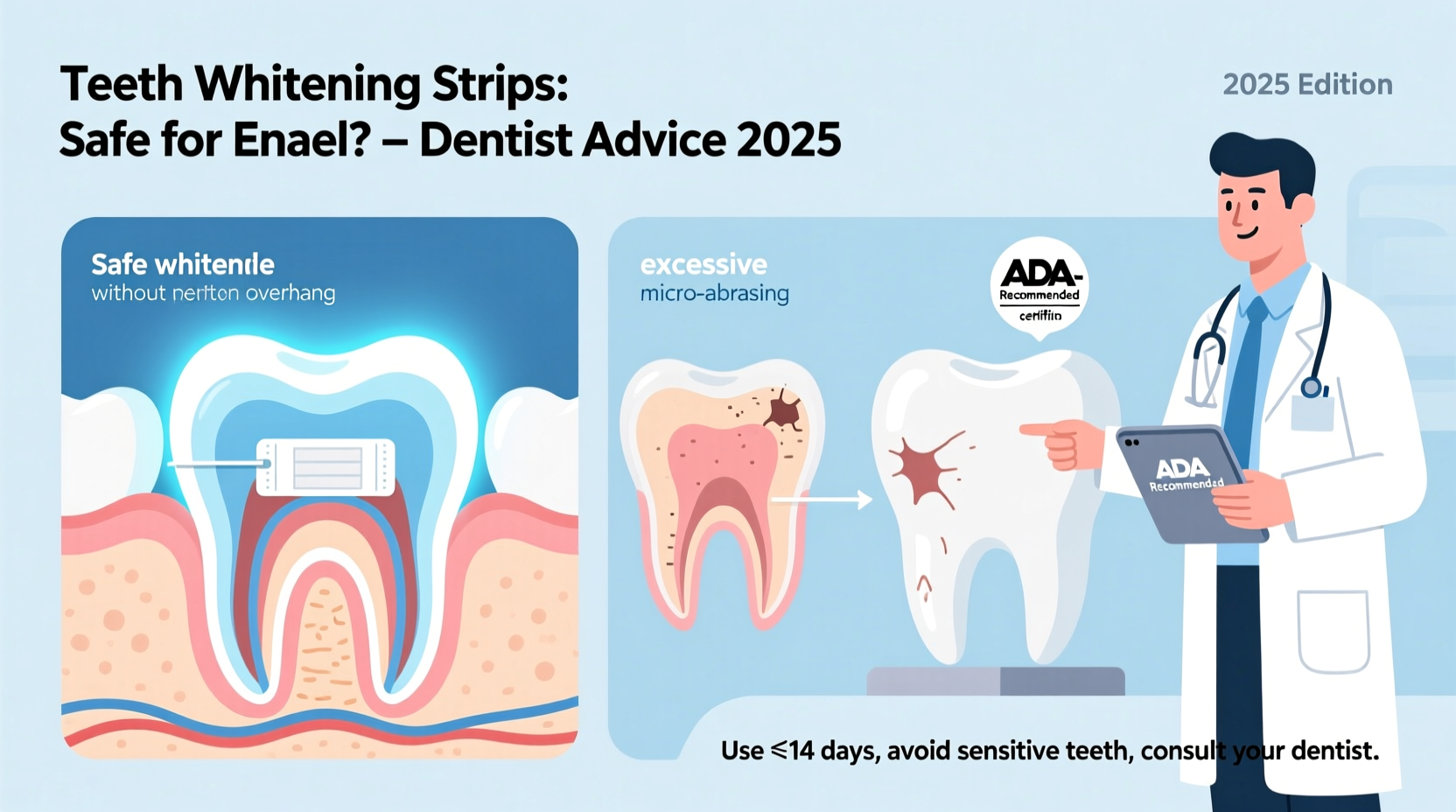
Whitening strips are thin, flexible plastic coated with a peroxide-based gel—typically hydrogen peroxide or carbamide peroxide. When applied to the teeth, the active ingredient penetrates the enamel to break down stain-causing molecules within the tooth structure. This oxidation process lifts discoloration from coffee, tea, wine, tobacco, and aging.
The treatment usually lasts between 7 and 30 days, depending on the product's strength and desired results. Most brands recommend daily use for 30 minutes or less. While effective for surface (extrinsic) stains, they have limited impact on deeper (intrinsic) discoloration caused by medications, trauma, or genetics.
Because the gel is in direct contact with enamel, concerns about erosion, sensitivity, and long-term structural integrity arise—especially when used incorrectly or too frequently.
Tip: Always follow the manufacturer’s instructions and never exceed the recommended duration or frequency of use.Dentist Perspectives on Enamel Safety in 2025
According to the American Dental Association (ADA), most OTC whitening products—including strips—are considered safe when used as directed. However, safety does not mean risk-free. The key factor dentists emphasize in 2025 is proper usage and patient-specific considerations.
Dr. Lena Torres, a cosmetic dentist based in San Diego, explains:
“Whitening strips can be enamel-safe, but only if patients understand their limitations. Overuse, extended wear times, or using them with pre-existing enamel defects can lead to irreversible micro-abrasions and increased sensitivity.”
Recent clinical studies published in the *Journal of Esthetic and Restorative Dentistry* (2024) found that while low-concentration peroxide strips (10% or less hydrogen peroxide) caused minimal enamel changes after two weeks of standard use, higher concentrations or prolonged application led to measurable surface roughness and mineral loss in some cases.
In response, leading dental associations now recommend that manufacturers clearly label maximum usage cycles and include pH-balanced gels to reduce acidity, which can soften enamel during treatment.
Common Risks and Side Effects
While many users experience successful whitening with no adverse effects, several risks are associated with improper or excessive use:
- Enamel demineralization: Peroxide can temporarily reduce surface hardness, especially if used too often.
- Tooth sensitivity: Affects up to 75% of users; typically temporary but may persist in those with thin enamel.
- Gum irritation: Caused by gel overflow onto soft tissues, leading to redness or burning.
- Uneven results: Due to inconsistent strip adhesion or overlapping restorations (e.g., crowns, fillings).
- Rebound staining: Teeth may re-stain faster post-treatment if dietary habits aren’t adjusted.
A 2024 survey by the National Institute of Dental Research revealed that nearly 40% of consumers who reported enamel discomfort after whitening had reused strips within three months of completing a cycle—well before the recommended waiting period.
“Your enamel doesn’t regenerate. Once it’s compromised, you’re relying on remineralizing agents and protective behaviors to prevent further damage.” — Dr. Marcus Bell, Preventive Dentistry Specialist
Best Practices for Safe Use in 2025
To maximize results while protecting enamel, follow evidence-based guidelines endorsed by dental professionals this year:
- Consult your dentist first: Especially if you have sensitive teeth, gum recession, or existing restorations.
- Choose ADA-accepted products: These undergo rigorous testing for safety and efficacy.
- Limits cycles to once every 6 months: Allows enamel time to recover and remineralize.
- Use fluoride toothpaste during and after treatment: Helps counteract sensitivity and supports enamel repair.
- Avoid acidic foods/drinks immediately after application: Acidic environments combined with peroxide increase erosion risk.
- Don’t sleep with strips: Extended exposure heightens sensitivity and potential tissue damage.
| Do’s | Don’ts |
|---|---|
| Brush gently with soft-bristle brush | Scrub aggressively to remove stains |
| Rinse with water after removing strips | Use mouthwash with alcohol right after |
| Store strips at room temperature | Leave them in hot cars or humid bathrooms |
| Pair with remineralizing toothpaste | Combine with charcoal-based products |
| Follow package timing exactly | Double up for faster results |
Real Example: Sarah’s Experience with Overuse
Sarah, a 32-year-old marketing executive, used whitening strips twice a week for six weeks straight to prepare for her wedding. She noticed dramatic brightening initially but soon developed sharp sensitivity to cold and visible translucency along her incisal edges.
Upon visiting her dentist, she learned that repeated exposure had worn down her already-thin enamel, particularly on her front teeth. Her dentist prescribed a high-fluoride regimen and advised against any further bleaching for at least a year. “I thought I was doing something good,” Sarah said. “But I didn’t realize I was pushing my teeth past their limit.”
This case highlights the importance of moderation—even with seemingly harmless OTC products.
Alternatives That Are Gentler on Enamel
For those concerned about enamel integrity, several safer or professionally supervised alternatives exist:
- In-office whitening: Uses higher-concentration gel under controlled conditions with protective barriers for gums and enamel.
- Custom-fit trays: Provided by dentists, these ensure even gel distribution and minimize excess contact with soft tissues.
- Whitening toothpastes with hydrated silica: Mild abrasives that polish surface stains without peroxide.
- LED-assisted kits with lower peroxide levels: Some newer devices use light activation to enhance effectiveness at lower chemical doses.
A 2025 comparative study in *Clinical Oral Investigations* showed that professional tray systems resulted in 30% less post-treatment sensitivity and significantly lower enamel surface alteration than OTC strips when used over four weeks.
Tip: If you're considering whitening, schedule a preventive cleaning and consultation first. Removing plaque buildup ensures even results and reduces irritation risk.Step-by-Step Guide to Using Whitening Strips Safely
Follow this timeline to achieve optimal results while safeguarding enamel:
- Day 1: Schedule a dental check-up. Confirm no cavities, exposed roots, or gum disease.
- Day 2: Purchase an ADA-accepted brand. Read all instructions carefully.
- Day 3: Begin brushing with fluoride toothpaste twice daily. Consider adding a remineralizing rinse.
- Day 4–13: Apply strips as directed (usually 30 minutes once or twice daily). Avoid eating or drinking during wear time.
- Throughout: Rinse gently after removal. Do not brush immediately—wait at least 30 minutes.
- Day 14: Evaluate results. Discontinue if sensitivity increases sharply.
- Day 15 onward: Maintain results with reduced intake of staining foods. Use whitening maintenance products sparingly.
- Month 3: Reassess enamel condition with your dentist before considering another round.
Frequently Asked Questions
Can whitening strips cause permanent enamel damage?
When used occasionally and as directed, most people do not experience permanent damage. However, chronic overuse—especially with high-concentration formulas—can lead to irreversible surface changes, including increased porosity and thinning. Regular dental monitoring helps catch early signs of wear.
Do all whitening strips affect enamel the same way?
No. Products vary widely in peroxide concentration, pH balance, and adhesive design. Strips labeled “sensitive” or “enamel-safe” often contain lower peroxide levels and added potassium nitrate or fluoride to protect teeth. Always compare ingredient lists and look for third-party certifications.
Are natural or DIY whitening methods safer?
Not necessarily. Home remedies like lemon juice, baking soda scrubs, or activated charcoal may seem gentle but are often highly abrasive or acidic. These can erode enamel faster than regulated peroxide products. Stick to clinically tested methods whenever possible.
Final Recommendations from Dental Experts
In 2025, the consensus among dental professionals is clear: teeth whitening strips can be safe for enamel—but only when used responsibly. The rise in self-treatment demands greater consumer awareness and proactive dental guidance.
As Dr. Elena Ruiz, spokesperson for the American Academy of Cosmetic Dentistry, puts it:
“Whitening isn’t just about aesthetics—it’s part of your overall oral health strategy. We encourage patients to treat their enamel with the same care they give to their skin or hair.”
The safest approach combines professional insight, science-backed products, and disciplined usage patterns. Whether you choose strips, trays, or in-office treatments, prioritize long-term tooth integrity over short-term brightness.
💬 Ready to whiten safely? Share your questions or experiences below—your journey could help others make smarter, enamel-friendly choices in 2025 and beyond.








