In an era where sustainability, health, and convenience shape our daily choices, the debate between stainless steel travel mugs and glass water bottles has gained traction. Both options promise chemical-free hydration and reusable benefits, but which one truly delivers in real-world use? Consumers, eco-conscious professionals, and outdoor enthusiasts weigh in with strong opinions—some swear by the sleek transparency of glass, while others won’t leave home without their insulated stainless steel companion. Let’s break down the facts, examine user sentiment, and determine whether stainless steel mugs are actually better than glass bottles.
Durability and Longevity: The Real-World Test
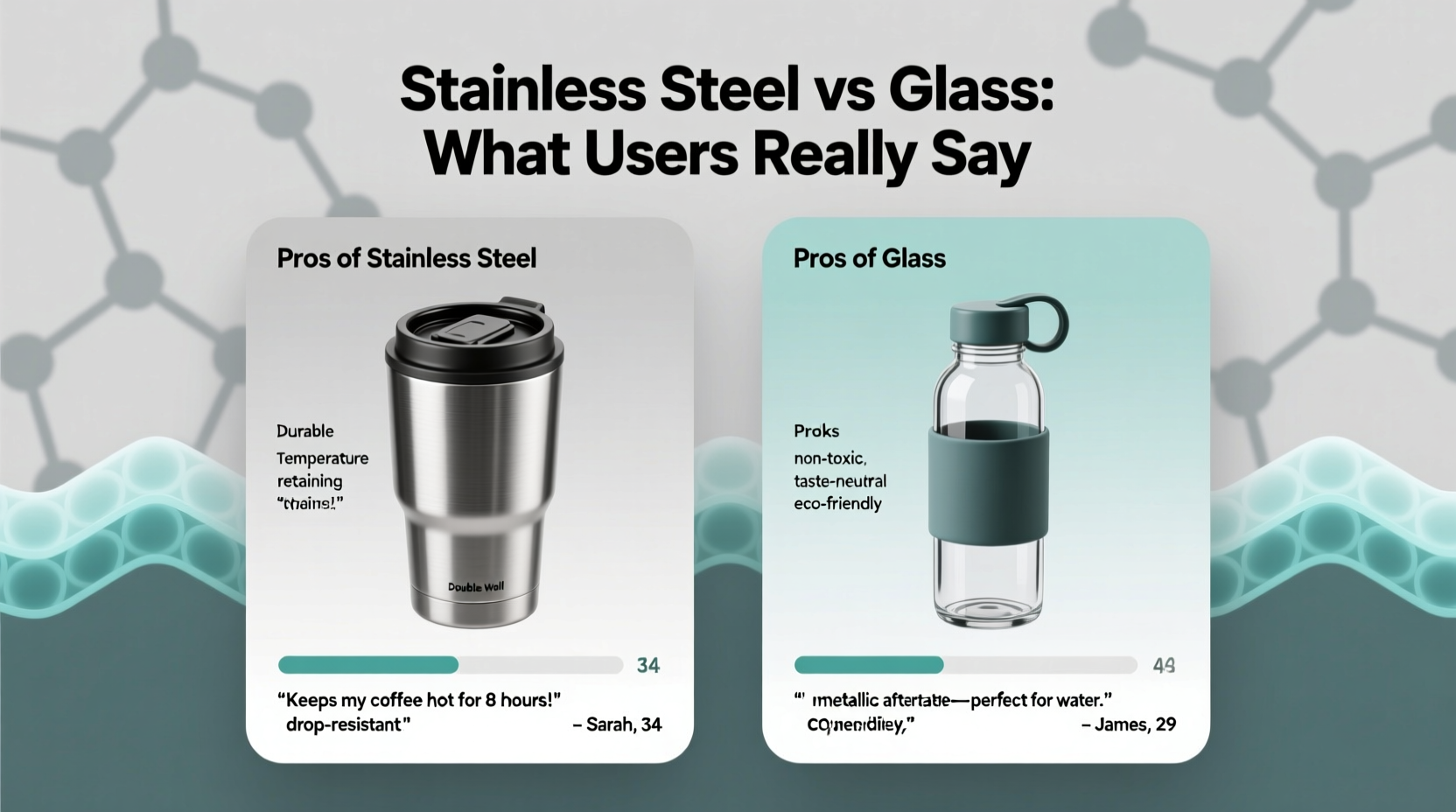
When comparing materials, durability is often the first factor consumers consider. Stainless steel travel mugs are built for impact resistance. Made from food-grade 18/8 or 304 stainless steel, they withstand drops, knocks, and daily wear far better than glass. Most feature double-walled construction, adding structural strength and thermal efficiency.
Glass water bottles, while made from tempered or borosilicate glass, remain inherently fragile. Even with silicone sleeves or protective bumpers, a fall onto concrete or tile can result in cracks or shattering. This makes them less ideal for active lifestyles, commuting, or outdoor adventures.
Tip: If you frequently carry your bottle in a backpack or gym bag, opt for stainless steel to reduce the risk of breakage.User reviews on platforms like Amazon and REI consistently highlight this difference. One hiker noted: “I loved my glass bottle at home, but after it cracked during a trail run, I switched to stainless. No regrets.” Another office worker shared, “My glass bottle survived six months until I knocked it off my desk. The stainless one I replaced it with has lasted two years.”
Thermal Performance: Keeping Drinks at the Right Temperature
This is where stainless steel decisively pulls ahead. Double-walled vacuum insulation in stainless mugs keeps beverages hot for up to 12 hours and cold for up to 24. Whether you're sipping coffee on a winter commute or iced tea at a summer picnic, temperature retention is unmatched.
Glass bottles typically lack insulation. Even those with outer sleeves offer minimal thermal protection. Your cold water may warm within an hour in direct sun, and hot drinks cool rapidly. Some premium glass models come with insulating wraps, but they don’t match the engineering of vacuum-sealed stainless steel.
“From a thermodynamics standpoint, air gaps and reflective barriers in stainless steel vessels create a near-perfect barrier to heat transfer. Glass simply can’t compete without bulky external layers.” — Dr. Alan Reeves, Materials Scientist, University of Colorado
For travelers, parents, and professionals who need reliable performance, this advantage is non-negotiable. A teacher using a stainless mug reported, “My coffee stays warm through three classes. With glass, it was lukewarm by second period.”
Safety and Health: What’s Leaching Into Your Drink?
One major reason people choose glass over plastic is to avoid chemical leaching. But when comparing glass to stainless steel, concerns shift slightly. High-quality stainless steel (18/8 or 304) is inert and does not leach chemicals under normal conditions. However, lower-grade steels or damaged linings can potentially release nickel or chromium—especially when exposed to acidic liquids like lemon water or vinegar-based drinks.
Glass, being non-porous and chemically inert, presents no such risk. It doesn’t interact with any beverage, making it the gold standard for purity. This is why many holistic health advocates and clean-eating communities prefer glass.
That said, reputable stainless steel brands use electropolished interiors and rigorous testing to ensure safety. Look for mugs labeled “lead-free,” “BPA-free,” and compliant with FDA or LFGB standards.
Checklist: Choosing a Safe Stainless Steel Mug
- ✔️ Confirm it's made from 18/8 or 304 stainless steel
- ✔️ Check for third-party certifications (e.g., FDA, LFGB)
- ✔️ Avoid products with unbranded coatings or unclear sourcing
- ✔️ Replace if interior shows pitting or corrosion
User Experience and Lifestyle Fit
The choice often comes down to lifestyle. Glass bottles excel in controlled environments—kitchens, offices, yoga studios—where aesthetics and purity matter most. Their transparency allows users to see cleanliness and drink levels at a glance. Many appreciate the smooth, clean taste of water from glass, free from any metallic aftertaste.
Stainless steel mugs, meanwhile, dominate in mobility and versatility. They’re lightweight relative to their durability, easy to clean, and available in formats with spill-proof lids, handles, and ergonomic designs. From road trips to camping, they’re engineered for life on the move.
Online forums reveal a clear divide. Reddit threads in r/ZeroWaste show passionate defenders of both sides. One user wrote, “Glass feels more honest—what you see is what you get.” Another countered, “Honesty won’t help you when your bottle explodes in your bag.”
Mini Case Study: The Commuter’s Dilemma
Sarah, a graphic designer in Portland, used a glass water bottle for two years at her studio desk. She loved its clarity and how it looked on her Instagram stories. But when she started working remotely from cafes and hiking trails, the bottle didn’t survive a week. After switching to a stainless steel tumbler, she noticed immediate improvements: her iced matcha stayed cold all afternoon, and she no longer worried about packing it next to her laptop. “I miss the look of glass,” she admitted, “but I’ll never go back. My lifestyle changed, and my bottle had to keep up.”
Comparison Table: Stainless Steel vs. Glass
| Feature | Stainless Steel Travel Mug | Glass Water Bottle |
|---|---|---|
| Durability | High – resistant to drops and impacts | Low – prone to cracking or shattering |
| Insulation | Excellent – retains heat/cold for hours | Poor – minimal to no insulation |
| Weight | Moderate – heavier than plastic, lighter than glass with sleeve | Heavy – especially with protective casing |
| Taste Neutrality | Very high (with quality steel) | Perfect – no interaction with liquids |
| Ease of Cleaning | Easy – wide mouth, dishwasher-safe | Moderate – narrow necks can be hard to scrub |
| Best For | Travel, outdoor use, hot/cold drinks | Home, office, aesthetic appeal, purity focus |
Frequently Asked Questions
Can stainless steel mugs affect the taste of my drink?
High-quality stainless steel mugs should not alter taste. However, low-grade metals or residual cleaning agents can cause a metallic aftertaste. Always rinse new mugs thoroughly and choose reputable brands.
Are glass bottles safe for children?
Not recommended for young children due to breakage risk. If used, ensure they have full silicone jackets and are supervised. For kids, stainless steel or BPA-free plastic is safer.
Do stainless steel mugs work with carbonated drinks?
Yes, but only if the lid is designed for pressure resistance. Standard travel mugs may leak or burst when used with sparkling water. Look for models labeled “carbonation-safe” or with tight-seal mechanisms.
Conclusion: Which One Wins?
So, are stainless steel travel mugs actually better than glass water bottles? For most people, in most situations—yes. Their superior durability, insulation, and versatility make them the practical winner. They align with modern, mobile lifestyles where reliability trumps aesthetics.
But glass still holds value—for those prioritizing absolute purity, visual clarity, and stationary use. It’s not obsolete; it’s specialized.
Ultimately, the best choice depends on your daily routine, environment, and priorities. You might even find that owning both—a stainless mug for travel and a glass bottle for home—gives you the best of both worlds.
🚀 Ready to upgrade your hydration game? Assess your daily routine, consider your non-negotiables, and choose the vessel that supports your life—not just your values. Share your experience in the comments below.








