Walk into any department store, boutique, or fast-fashion outlet, and you’ll find scarves in every fabric imaginable. Among them, silk stands out—lustrous, soft, and draped with effortless elegance. But at three to five times the price of a polyester version, the question lingers: are silk scarves actually worth it? Or can a well-made polyester dupe deliver the same polished look without draining your wallet?
The answer isn’t a simple yes or no. It depends on how you wear your scarves, how often you use them, and what you value most—luxury feel, longevity, sustainability, or budget flexibility. Let’s break down the real differences between silk and polyester scarves, beyond marketing claims and Instagram aesthetics.
Material Matters: Silk vs. Polyester at the Molecular Level
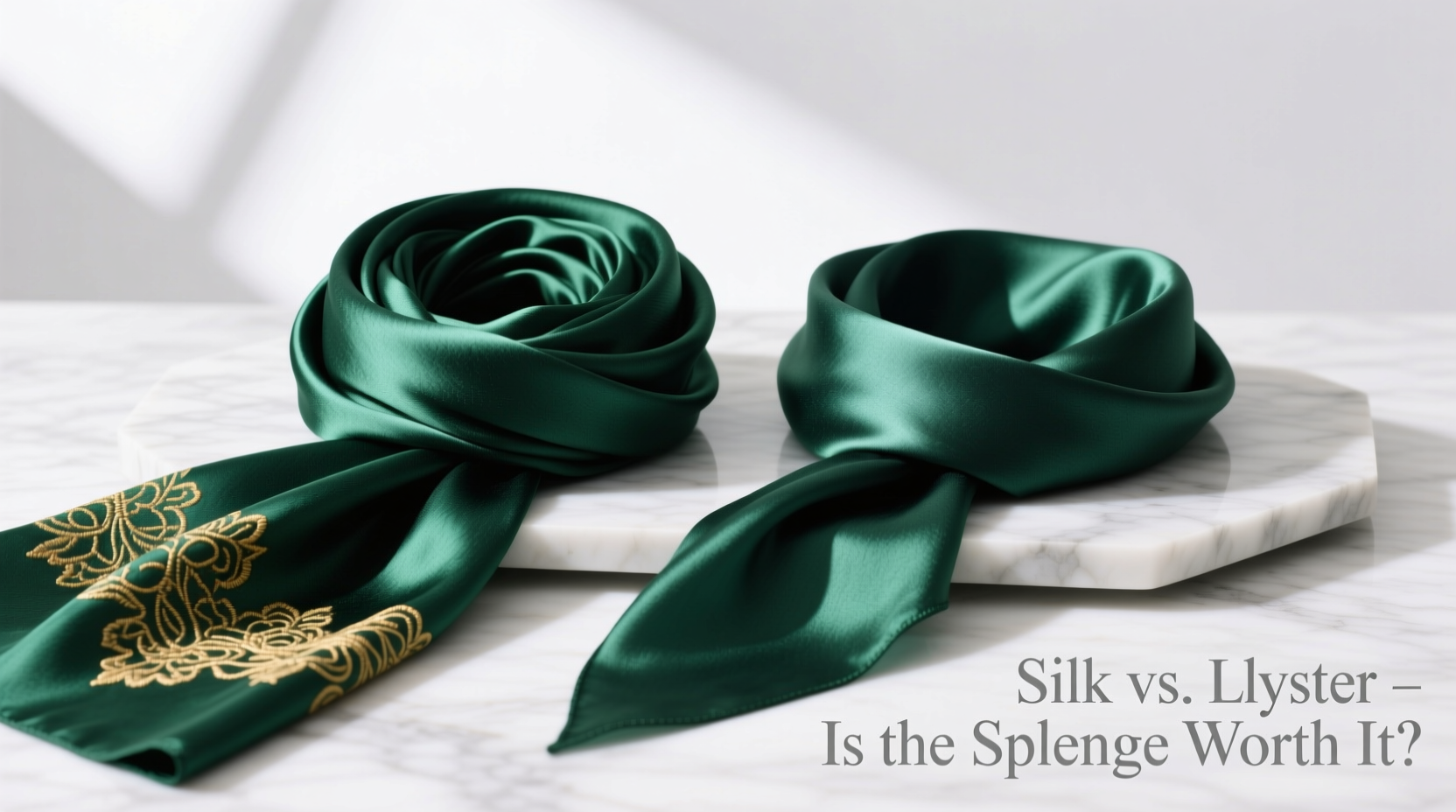
Silk is a natural protein fiber produced by silkworms during cocoon formation. The most common type used in fashion is mulberry silk, prized for its fine texture, strength, and natural sheen. When woven into scarves, silk offers a unique combination of lightness and warmth, making it suitable for both spring breezes and winter layering under coats.
Polyester, on the other hand, is a synthetic polymer derived from petroleum. Modern textile engineering has allowed manufacturers to mimic the appearance of silk through high-tenacity filament yarns and specialized weaves like satin. These “silk-like” polyester scarves can be incredibly convincing at first glance—especially under artificial lighting.
But appearances can be deceiving. Up close, the differences become apparent:
- Texture: Silk feels cool and smooth against the skin, with a subtle grip that helps knots stay in place. Polyester tends to feel slightly waxy or slippery, often sliding loose throughout the day.
- Breathability: As a natural fiber, silk wicks moisture and regulates temperature. Polyester traps heat and sweat, which can be uncomfortable in warm weather or when worn close to the face.
- Luster: Silk reflects light softly, creating a radiant glow. Polyester shines more harshly, sometimes appearing plastic-like under direct sunlight.
“Silk isn’t just about luxury—it’s functional. Its thermal regulation and hypoallergenic properties make it ideal for sensitive skin and variable climates.” — Dr. Lena Moreau, Textile Scientist, École des Arts Textiles
Performance Comparison: How They Hold Up Over Time
A scarf isn’t just an accessory; it’s a workhorse in your wardrobe. It ties together an outfit, protects your neck from wind, adds color to a neutral coat, or doubles as a headwrap. How each material performs over weeks, months, and years matters far more than initial appeal.
| Feature | Silk Scarf | Polyester Dupe |
|---|---|---|
| Drape | Fluid, elegant fall; molds naturally to the body | Stiffer; may crease unnaturally or resist folding |
| Wrinkle Resistance | Low—wrinkles easily but steams out quickly | High—resists creasing but develops permanent shine marks |
| Color Retention | Excellent if cared for; fades slowly and gracefully | May bleed or fade unevenly after repeated washes |
| Durability | Strong when dry, weak when wet; lasts 5+ years with care | Resistant to abrasion but prone to pilling and static |
| Care Requirements | Hand wash or dry clean; lay flat to dry | Machine washable; often tumble-dry safe |
| Environmental Impact | Natural, biodegradable (but water-intensive production) | Non-biodegradable; contributes to microplastic pollution |
The data shows a clear trade-off: silk wins in elegance and comfort but demands more maintenance. Polyester excels in convenience and affordability but lacks refinement and long-term resilience.
Tip: If you travel frequently or live an active lifestyle, keep a polyester scarf for casual wear and reserve silk for special occasions.Style & Styling: Do Dupes Pass the Fashion Test?
In controlled settings—a studio shoot, a curated Instagram post, or a mannequin in a shop window—polyester scarves can pass as silk. The drape might be slightly off, but filters and angles cover many sins. The real test comes in motion.
Watch how a silk scarf moves when tied loosely around the neck. It flows with your steps, catching light subtly, adjusting naturally. A polyester version often clings awkwardly or flips up at the edges, requiring constant readjustment. This difference becomes especially noticeable in windy conditions or when removing a jacket.
Moreover, silk accepts dye more evenly, resulting in richer, deeper colors. Many high-end designers use silk specifically because it enhances their color palettes. In contrast, polyester relies on surface-level pigment coating, which can crack or rub off over time.
That said, not all polyester scarves are created equal. Premium microfiber polyester, often labeled as “silk-look” or “satin-finish,” uses tighter weaves and better finishing techniques. Brands like Reformation and & Other Stories offer scarves in eco-conscious recycled polyester that balance aesthetics and ethics—though they still don’t replicate silk’s tactile sophistication.
Mini Case Study: The Office Commute Test
Claire, a marketing executive in Chicago, bought two nearly identical navy scarves: one 100% mulberry silk ($128), the other a high-quality polyester blend ($24). She wore each on alternating days during her winter commute—20 minutes walking to the train, often in sub-freezing temperatures.
After three weeks, the results were telling. The silk scarf retained its shape, warmed comfortably without itching, and looked polished even after being stuffed into her coat pocket. The polyester version developed shiny patches from friction, felt clammy when breathing near it, and lost its knot twice during gusty mornings.
“I thought the fake one would be fine,” Claire said. “But by week two, I was embarrassed to wear it. It just looked cheap next to my wool coat.”
When Silk Is Worth the Splurge
Silk isn’t automatically superior in every context. But there are specific scenarios where investing in a genuine silk scarf makes financial and aesthetic sense:
- You wear scarves daily. Frequent use amplifies the benefits of silk’s breathability, softness, and durability. Over time, a $100 silk scarf worn weekly costs less per wear than a $30 polyester one replaced every season.
- You prioritize skin sensitivity. Silk is naturally hypoallergenic and resistant to dust mites. For people with eczema, rosacea, or allergies, it’s a safer choice than synthetic fibers that trap irritants.
- You value timeless elegance. Silk scarves age gracefully. Their slight patina after years of use adds character, unlike polyester, which either looks brand-new or visibly worn—with little middle ground.
- You care about sustainability. While silk production has ethical concerns (particularly around boiling cocoons), it’s biodegradable and renewable. High-quality silk reduces reliance on fast-fashion cycles.
When a Polyester Dupe Makes Perfect Sense
Not everyone needs—or wants—a luxury silk scarf. There are valid reasons to opt for a polyester alternative:
- Budget constraints: If you’re building a capsule wardrobe on a tight budget, a $20 scarf lets you experiment with patterns and tying styles risk-free.
- Occasional use: Wearing a scarf only a few times a year? A dupe gives the look without the upkeep.
- Kid-friendly practicality: Parents know accessories get pulled, stained, and lost. A machine-washable polyester scarf survives toddler tugs better than delicate silk.
- Travel resilience: On long flights or backpacking trips, wrinkle-resistant polyester is easier to pack and maintain without access to proper cleaning.
Just be selective. Avoid ultra-thin, flimsy polyester scarves—they look transparent and tear easily. Instead, choose heavier microfiber versions with a matte finish to reduce the “plastic” effect.
How to Spot the Difference: A Quick Guide
You don’t need a lab test to tell silk from polyester. Use these simple checks:
- The Burn Test (use caution): Snip a small thread from the hem. Silk burns slowly, smells like burnt hair, and turns to brittle ash. Polyester melts, retracts, and emits a chemical odor.
- The Crinkle Test: Crush the fabric in your hand. Silk holds a soft crumple and releases slowly. Polyester springs back instantly.
- The Water Test: Dab a drop of water on an inconspicuous area. Silk absorbs moisture quickly and may darken slightly. Polyester beads water and resists absorption.
- The Label Check: Legitimate silk will say “100% Mulberry Silk” or “Pure Silk.” Vague terms like “silk-feel” or “silk-style” usually mean synthetic.
Frequently Asked Questions
Can I wash silk scarves at home?
Yes, but carefully. Use cold water and a mild detergent formulated for delicates. Gently swirl (don’t wring), rinse thoroughly, and lay flat on a towel to dry. Avoid direct sunlight. For printed or embellished scarves, dry cleaning is safer.
Do silk scarves stain easily?
Silk is somewhat stain-resistant due to its tightly woven fibers, but oil-based stains (makeup, perfume) can set if not treated quickly. Blot immediately with a dry cloth, then spot-clean with diluted vinegar or a silk-safe cleaner.
Are there sustainable alternatives to traditional silk?
Yes. Peace silk (ahimsa silk) allows moths to emerge before harvesting. Additionally, plant-based alternatives like cupro or lyocell offer silk-like drape with lower environmental impact, though they’re less common in scarf form.
Final Verdict: Quality Over Illusion
Polyester dupes have their place—they democratize style and make fashion experimentation accessible. But when it comes to lasting elegance, comfort, and performance, silk remains unmatched. It’s not about snobbery; it’s about function meeting form.
Think of it like footwear: you might own affordable sneakers for errands, but for a job interview or a wedding, you reach for the well-crafted pair that supports you in every way. A silk scarf does the same—it elevates not just your outfit, but your experience of wearing it.
If you can afford one high-quality silk scarf, buy it. Care for it properly, rotate its use, and let it become a signature piece. Pair it with a couple of thoughtful polyester options for low-stakes moments. This hybrid approach maximizes both style and practicality.
“A great scarf should feel like an extension of your personality—not a costume piece.” — Amara Patel, Stylist & Founder of Thread Theory
Take Action: Build Your Scarf Wardrobe Wisely
Your scarf collection doesn’t need to be large to be effective. Focus on intentionality:
- Assess your lifestyle: How often do you wear scarves? In what settings?
- Invest in one silk staple: Choose a neutral color (black, navy, camel) or a classic print (paisley, geometric) that pairs with multiple outfits.
- Select 1–2 dupes for utility: Opt for vibrant prints or seasonal colors in durable polyester.
- Learn basic care: Store silk folded in a drawer or rolled in tissue paper. Keep away from perfumes and direct sunlight.
- Rotate and refresh: Swap scarves seasonally to prevent overuse and extend lifespan.









