When it comes to setting the table for young children, parents often face a simple but surprisingly complex decision: should they choose functional silicone placemats or charming, character-filled horse printed ones? On one hand, silicone promises easy cleanup and durability. On the other, fabric or laminated placemats with playful designs bring joy and engagement to mealtime. But which option truly supports both practicality and child development?
The answer isn’t always straightforward. While silicone placemats dominate modern parenting blogs for their mess-resistant qualities, horse printed placemats—often made from cotton, vinyl, or laminated paper—continue to hold emotional appeal. To help you decide, we’ll examine health, safety, usability, environmental impact, and developmental benefits of each.
Material Safety and Health Considerations
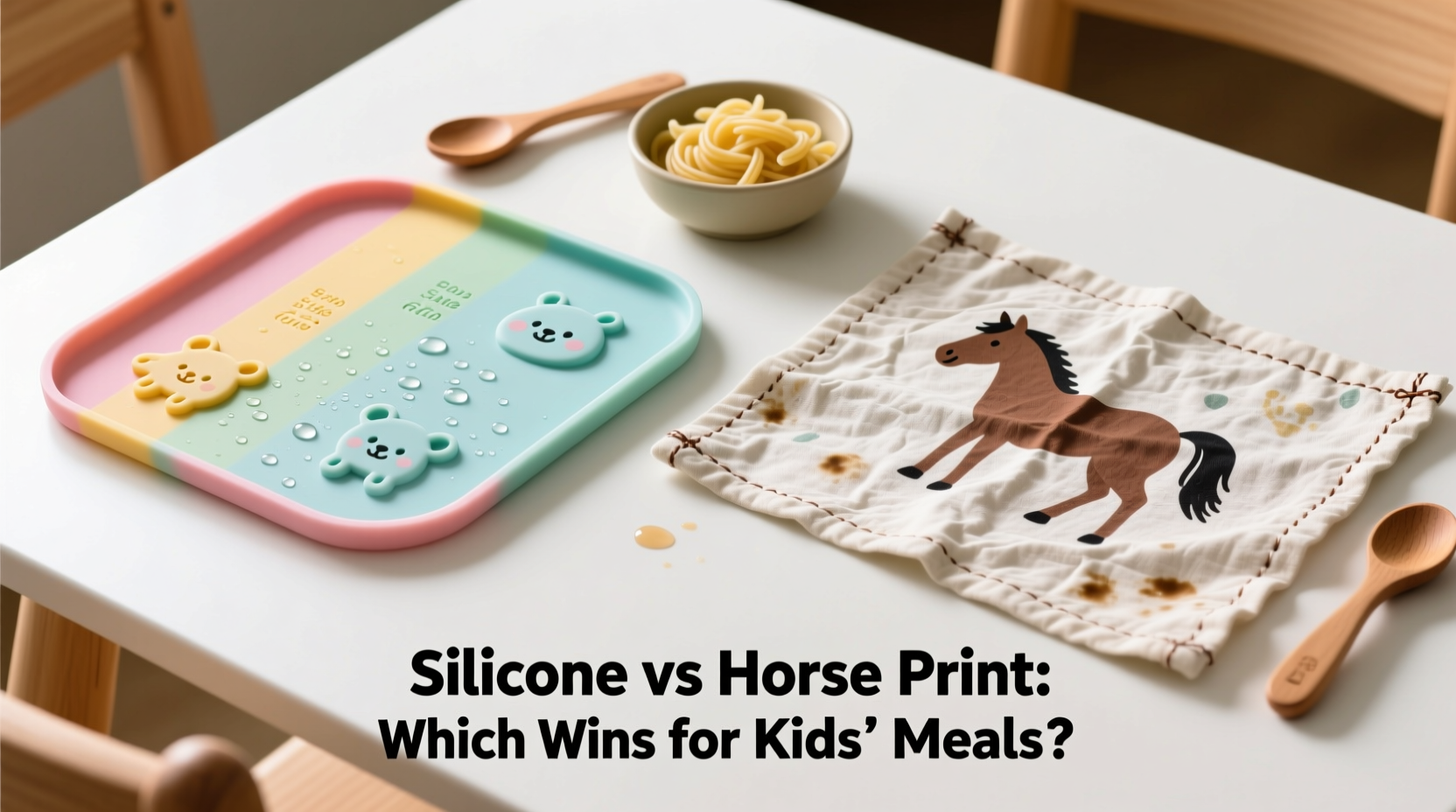
Children’s mealtime surfaces come into direct contact with food, spilled drinks, and curious little hands. This makes material composition critical. Silicone, particularly food-grade platinum-cured silicone, is widely recognized as non-toxic, BPA-free, and resistant to bacterial growth. It doesn’t leach chemicals when exposed to heat or acidic foods, making it safe even if a toddler chews on the edge.
In contrast, horse printed placemats are typically made from materials like polyester-cotton blends, PVC-coated fabrics, or laminated paper. While many are labeled “non-toxic,” some lower-quality prints may contain phthalates or volatile organic compounds (VOCs), especially in the ink or plastic coating. These substances can pose long-term health risks with repeated exposure.
“Parents should prioritize inert, non-porous materials for items that frequently touch food or mouths. Silicone meets this standard far more consistently than printed textiles.” — Dr. Lena Patel, Pediatric Environmental Health SpecialistTip: Always check for certifications like FDA compliance or LFGB (European food safety standard) when purchasing silicone products.
Durability and Practical Use During Meals
Kids are messy. Spills, dropped utensils, sticky fingers, and enthusiastic plate pushing are part of daily life. How well a placemat withstands this chaos matters.
Silicone placemats excel in durability. They’re waterproof, stain-resistant, and often dishwasher-safe. Most are designed with raised edges or suction bottoms to keep them firmly in place, reducing slippage and spills. Their non-porous surface resists mold and mildew, even after repeated use.
Horse printed placemats, while visually appealing, tend to degrade faster. Fabric versions absorb liquids, leading to odors and stains. Laminated types may peel over time, creating sharp edges or exposing inner layers. Once damaged, these placemats become hygiene hazards.
| Feature | Silicone Placemats | Horse Printed Placemats |
|---|---|---|
| Water Resistance | Excellent | Fair to Poor |
| Stain Resistance | High | Low (especially fabric) |
| Heat Tolerance | Up to 400°F | Limited (may warp or emit fumes) |
| Washability | Dishwasher & hand wash safe | Spot clean only; not machine washable |
| Lifespan | 1–3 years with regular use | 3–12 months depending on material |
Hygiene and Cleaning Efficiency
Cleanliness is paramount during early childhood, when immune systems are still developing. The ease and effectiveness of cleaning directly impact how hygienic a placemat remains over time.
Silicone placemats can be sanitized quickly—either by wiping with soapy water or tossing into the dishwasher. Their seamless surfaces prevent bacteria from hiding in crevices. Many are microwave-safe, allowing for steam sanitization in under a minute.
Printed placemats, particularly those with textured or laminated surfaces, are harder to fully sanitize. Wiping may remove visible grime, but trapped moisture beneath peeling layers creates ideal conditions for microbial growth. Fabric options, unless removable and machine-washable, accumulate germs rapidly.
Tip: If using printed placemats, limit their use to supervised snacks and avoid contact with raw foods or hot dishes.Developmental and Emotional Benefits
While silicone wins on function, horse printed placemats offer unique psychological advantages. Children respond positively to familiar characters and themes. A placemat featuring a galloping horse can spark conversation, encourage imaginative play, and make mealtime feel less like a chore.
Studies in early childhood education suggest that visual stimuli during meals support language development and attention span. A child discussing the horses on their placemat is more likely to stay seated and engaged. For picky eaters, themed placemats can create positive associations with food.
However, this benefit diminishes if the placemat becomes dirty, smelly, or damaged. A torn horse print loses its charm and may even frighten sensitive children. The ideal solution? Combine both worlds—use silicone as the base layer for hygiene, then place a decorative horse-themed mat on top for visual appeal.
Mini Case Study: The Thompson Family’s Mealtime Shift
The Thompsons, a family of four in Portland, used horse-printed cotton placemats for their twin 3-year-olds. While the kids loved the colorful ponies, the parents noticed increasing resistance to sitting through meals. After two months, the placemats were stained, smelled faintly sour, and frayed at the edges.
They switched to silicone placemats with built-in suction bases. Initially, the children missed their horse designs. So, the parents introduced a small horse sticker sheet that could be placed *on* the silicone mat—changed weekly. The result? Improved cleanliness, no slipping, and renewed excitement. Mealtime duration increased by nearly 40% within three weeks.
Environmental Impact and Sustainability
As eco-conscious parenting grows, so does scrutiny over product lifecycles. Silicone is technically recyclable, though few curbside programs accept it. High-quality silicone placemats last years, reducing waste over time. They’re also free from microplastic shedding during washing.
Many horse printed placemats are single-use or short-lived. Laminated paper versions end up in landfills after a few uses. PVC-based mats release chlorine gas when incinerated and do not biodegrade. Cotton blends may seem natural but often include synthetic coatings that hinder composting.
- Silicone: Long lifespan, low replacement frequency, energy-intensive production but offset by durability.
- Printed placemats: Often disposable, higher turnover, greater cumulative waste.
Checklist: Choosing the Right Placemat for Your Child
- ✅ Is the material certified food-safe and free from BPA, phthalates, and lead?
- ✅ Does it resist slipping during active eating?
- ✅ Can it be fully sanitized (dishwasher, boiling, or steaming)?
- ✅ Is it durable enough to withstand daily use for at least six months?
- ✅ Does it support your child’s emotional engagement with mealtime?
- ✅ Can it be cleaned easily by caregivers without special products?
- ✅ Is it environmentally responsible in terms of longevity and disposal?
FAQ
Can I use silicone placemats in the microwave?
Yes, most food-grade silicone placemats are microwave-safe. However, avoid direct contact with heating elements and never use them to cook food. They’re best used to protect surfaces from splatters or to warm already-cooked items.
Do horse printed placemats pose choking hazards?
Intact placemats are generally safe, but peeling laminate or loose threads can become choking risks. Regularly inspect printed mats for wear and discard them at the first sign of damage.
How do I make silicone placemats more fun for my child?
Use interchangeable stickers, magnetic overlays, or place a decorative paper insert underneath. Some brands offer customizable zones where you can slide in different images, including horses or favorite animals.
Final Recommendation: Balance Function and Fun
Silicone placemats are objectively superior in terms of safety, durability, and hygiene. They meet the rigorous demands of daily toddler meals with minimal maintenance. However, dismissing printed placemats entirely overlooks their value in fostering emotional connection and cognitive stimulation.
The smartest approach is integration. Use silicone as the foundation for cleanliness and stability, then layer in fun through changeable inserts, themed stickers, or companion toys. This hybrid model delivers the best of both worlds: a sanitary, slip-proof surface paired with the joy of a galloping horse at every meal.
💬 What works best in your home? Share your placemat strategy in the comments—whether it’s all silicone, proudly horse-themed, or a creative mix. Let’s help other parents find balance between practicality and play!








