Walk down any beauty aisle or scroll through a skincare influencer’s feed, and you’ll likely see someone draped in a flimsy, soaked fabric mask. Sheet masks have become synonymous with self-care, luxury, and glowing skin. But behind the Instagrammable moments lies a growing skepticism: Are these single-use treatments actually effective, or are they overpriced versions of dampened paper towels?
The global sheet mask market is projected to exceed $10 billion by 2027, fueled by K-beauty trends and viral marketing. Yet, as consumers grow more ingredient-savvy and budget-conscious, the value proposition of sheet masks is being questioned. To separate hype from science, we need to examine their formulation, function, frequency of use, and how they compare to traditional moisturizers and serums.
How Sheet Masks Work: More Than Just Moisture Delivery
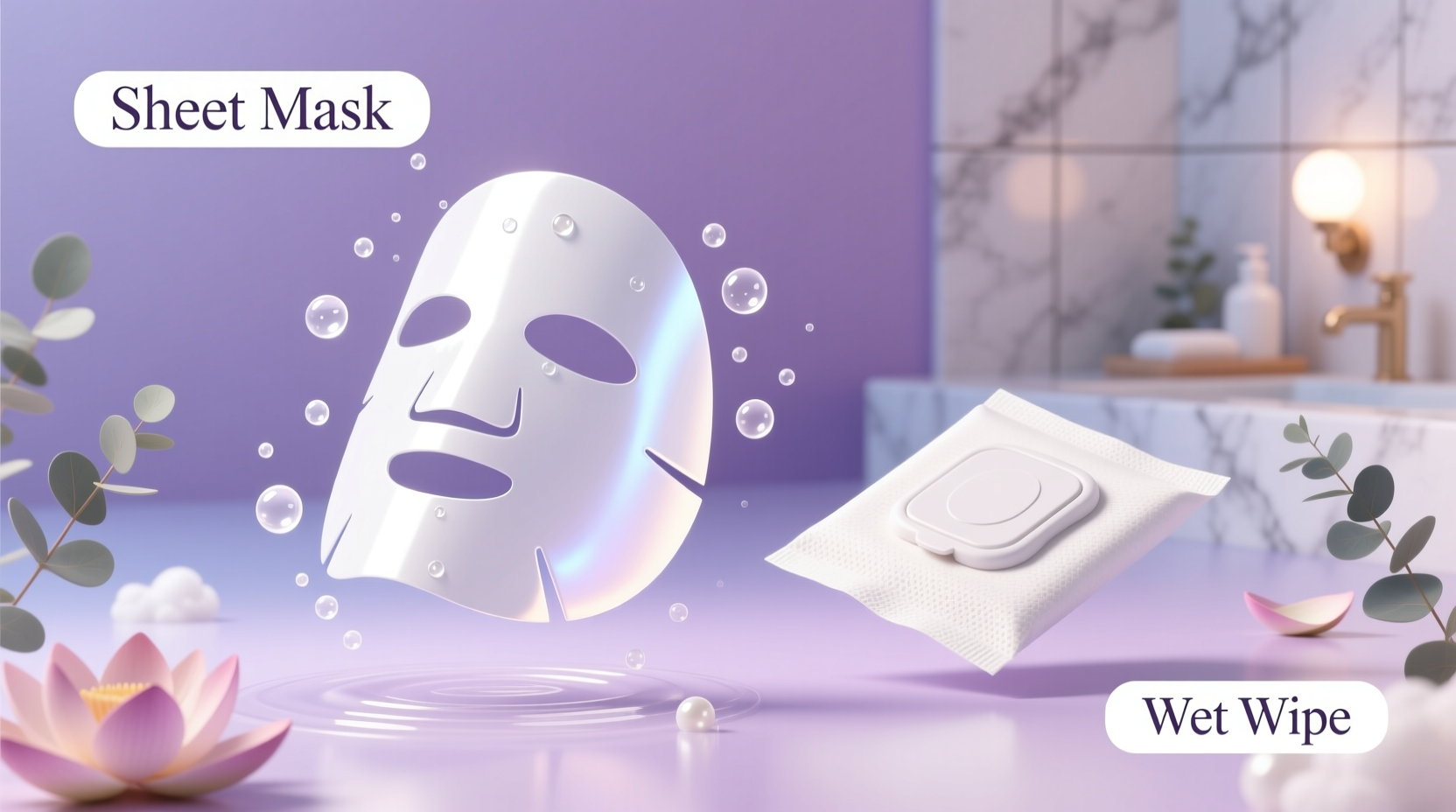
At first glance, a sheet mask resembles a facial wipe soaked in serum. Structurally, it consists of three components: a thin fabric or cellulose sheet (the “mask”), a high-concentration serum solution, and often, preservatives to maintain shelf life. The material acts as an occlusive barrier, temporarily sealing moisture and active ingredients against the skin.
This occlusion creates a unique environment. Unlike applying a serum and walking away, the mask prevents immediate evaporation of water and enhances penetration of certain ingredients. Dermatologists refer to this as the “occlusion effect,” which can improve hydration and absorption for up to 30 minutes during wear.
However, not all ingredients benefit equally. Water-soluble actives like hyaluronic acid thrive under occlusion, drawing moisture into the upper layers of the skin. Oil-soluble compounds such as retinol or vitamin C may not penetrate effectively through a water-based delivery system unless formulated in liposomes or encapsulated forms.
“Occlusion from sheet masks can boost short-term hydration, but it doesn’t replace consistent use of targeted treatments.” — Dr. Lena Park, Board-Certified Dermatologist
Cost Analysis: What You’re Really Paying For
A typical sheet mask costs between $2 and $8 per unit. Premium brands—especially those with celebrity endorsements or exotic ingredients—can exceed $10 each. In contrast, a 30ml bottle of hydrating serum averages $25–$40 and lasts significantly longer with daily use.
To assess value, consider the actual amount of active ingredients delivered. Most sheet masks contain 20–30ml of serum, but only a fraction absorbs into the skin. The rest evaporates, drips off, or remains trapped in the fabric. Compare that to direct application of a serum, where nearly 100% of the product reaches the skin when properly massaged in.
Tip: If you're using a sheet mask, press the leftover serum into your neck, hands, or cuticles—don’t let it go to waste.You're also paying for convenience, branding, packaging, and experience. The ritual of unwrapping a mask, lying still for 15–20 minutes, and emerging with dewy skin has psychological appeal. This \"me time\" factor contributes heavily to perceived value, even if clinical results are minimal.
Sheet Masks vs. Traditional Skincare: A Practical Comparison
| Factor | Sheet Mask | Traditional Serum/Moisturizer |
|---|---|---|
| Active Ingredient Concentration | Moderate to high (but limited contact time) | High, with prolonged exposure |
| Hydration Duration | Short-term (6–8 hours post-use) | Longer-lasting with daily use |
| Cost Per Use | $2–$10 | $0.50–$2 |
| Eco-Impact | Single-use, non-recyclable materials | Reusable containers, less waste |
| Skin Barrier Support | Temporary improvement | Consistent reinforcement with proper formulations |
The data suggests that while sheet masks offer immediate gratification, they fall short on long-term investment in skin health compared to well-formulated, regularly used products.
When Sheet Masks Make Sense: Strategic Use Cases
That doesn’t mean sheet masks are useless. Used strategically, they can complement a skincare routine under specific circumstances.
- Pre-event prep: Before a wedding, photoshoot, or important meeting, a hydrating sheet mask can plump the skin and reduce the appearance of fine lines temporarily.
- Post-procedure recovery: After mild chemical peels or laser treatments, dermatologists sometimes recommend gentle, fragrance-free sheet masks to soothe irritation and support healing.
- Travel hydration: Airplane cabins are extremely dehydrating. A mask mid-flight or upon arrival can counteract dryness caused by low humidity.
- Seasonal transitions: During sudden shifts from winter to spring or summer to fall, skin often struggles with moisture balance. A weekly mask may help bridge the gap.
In these cases, the temporary nature of the benefits aligns with the intended purpose: quick correction, not transformation.
“I recommend sheet masks no more than once a week, and only if they’re free of alcohol, fragrance, and harsh preservatives. Overuse can disrupt the skin barrier.” — Dr. Naomi Chen, Clinical Dermatologist
Red Flags: When Sheet Masks Do More Harm Than Good
Not all sheet masks are created equal. Many mass-market options contain problematic ingredients that undermine their benefits. Common culprits include:
- Alcohol denat: Dries out the skin and compromises the lipid barrier.
- Fragrance/parfum: A leading cause of allergic contact dermatitis.
- Essential oils: While natural, they’re highly irritating for sensitive skin types.
- Propylene glycol: Can cause stinging in some individuals, especially with compromised barriers.
Beyond ingredients, overuse is another risk. Using sheet masks daily—or multiple times a week—can lead to “over-hydration,” where the skin becomes dependent on external moisture and weakens its natural protective functions. This phenomenon, known as turgescence, mimics healthy skin but lacks resilience.
Checklist: Choosing a Safe and Effective Sheet Mask
- ✅ Check the ingredient list—avoid alcohol, fragrance, and essential oils.
- ✅ Look for proven hydrators: hyaluronic acid, glycerin, ceramides.
- ✅ Opt for biodegradable or reusable mask materials when possible.
- ✅ Patch test on your jawline before full-face application.
- ✅ Limit use to 1–2 times per week unless advised otherwise by a dermatologist.
- ✅ Store in a cool, dry place—heat can degrade active ingredients.
Real-World Example: The Office Worker’s Skin Rescue
Sophie, a 32-year-old project manager in Chicago, struggled with dull, tight skin every winter. Her office had dry heating, and her commute exposed her to freezing air. She tried daily sheet masks at first, spending nearly $150 a month on premium Korean brands.
After two weeks, her cheeks became red and flaky. Concerned, she visited a dermatologist who diagnosed early-stage irritant dermatitis—likely from overuse and fragrance in the masks. Sophie switched tactics: she stopped daily masking and instead invested in a rich ceramide moisturizer and a humidifier for her desk.
She now uses a simple hyaluronic acid sheet mask once a week, immediately after cleansing, followed by her regular moisturizer. Within a month, her skin regained its balance. Her total monthly skincare spend dropped to $40, and her skin improved more than it had during the peak of her masking phase.
Sophie’s story illustrates a common pattern: mistaking symptom relief for root-cause treatment. Sheet masks addressed dehydration temporarily but worsened sensitivity when overused.
Step-by-Step: How to Maximize Benefits Without Wasting Money
If you choose to incorporate sheet masks into your routine, follow this method to get the most value:
- Cleanse thoroughly: Start with clean skin to allow maximum absorption.
- Exfoliate gently (1–2x/week): Remove dead cells so actives can penetrate better. Avoid physical scrubs if using sensitive skin formulas.
- Apply toner (optional): Prepares the skin and enhances conductivity.
- Use the mask for 15–20 minutes: Set a timer. Leaving it on longer increases risk of reverse osmosis—where the drying mask pulls moisture back from the skin.
- Press in remaining serum: Don’t rinse. Gently pat excess into face, neck, and décolletage.
- Follow with moisturizer: Seal everything in. Skipping this step lets hydration escape quickly.
- Lay flat during use: Prevents sagging and ensures even contact.
Frequently Asked Questions
Can I reuse a sheet mask?
No. Once removed, the mask begins to harbor bacteria from your skin. Reapplying it increases the risk of breakouts and infection. Additionally, most of the serum has already been absorbed or evaporated.
Do sheet masks work on acne-prone skin?
Some do—but carefully. Look for masks labeled “non-comedogenic” and containing ingredients like tea tree oil, niacinamide, or centella asiatica. Avoid heavy occlusives like mineral oil or lanolin, which can clog pores. Always patch test first.
Are DIY sheet masks a good alternative?
Homemade versions using cotton pads soaked in rose water or green tea may provide light hydration, but they lack the precise formulation and preservation of commercial products. Without proper pH balance and sterility, DIY masks can introduce contaminants or disrupt the skin barrier.
Final Verdict: Luxury Treat, Not Skincare Staple
Sheet masks are not inherently bad—they���re just misunderstood. They are not replacements for cleansers, serums, or moisturizers. Instead, think of them as occasional enhancers, akin to a spa treatment rather than daily hygiene.
For the average consumer, spending $50–$100 a month on sheet masks yields diminishing returns compared to investing in a well-rounded routine built on consistency. A $30 moisturizer used nightly will do more for long-term hydration than ten $5 masks used sporadically.
That said, there’s undeniable value in ritual and mindfulness. Taking 15 minutes to pause, breathe, and focus on yourself has mental health benefits that extend beyond skin texture. If that moment of calm is meaningful to you, and you use a safe, well-formulated mask occasionally, then yes—it can be worth the cost.
The key is intentionality. Use sheet masks selectively, not compulsively. Read labels. Respect your skin’s limits. And never let marketing convince you that a soaked tissue is a miracle cure.
“The best skincare isn’t the most expensive or the trendiest—it’s the one you use consistently and enjoy without guilt.” — Dr. Alicia Torres, Holistic Dermatology Institute
Take Action: Rethink Your Routine
Before adding another box of sheet masks to your cart, ask yourself: What am I trying to achieve? If it’s lasting radiance, barrier strength, or anti-aging results, focus on proven ingredients like retinoids, peptides, antioxidants, and ceramides applied daily.
Reserve sheet masks for special occasions, seasonal boosts, or mindful moments—not as a cornerstone of care. Redirect the money saved toward professional consultations, better sunscreen, or a humidifier. Your skin—and wallet—will thank you.
💬 Have you changed your mind about sheet masks? Share your experience—did they transform your skin, disappoint, or surprise you? Join the conversation below.








