In recent years, bamboo toothbrushes have become a staple in eco-conscious households. Marketed as a sustainable alternative to plastic, they’re often labeled “biodegradable,” “compostable,” and “planet-friendly.” But as demand grows, so do questions: Are these claims backed by science, or are we falling for clever marketing? With over one billion plastic toothbrushes discarded annually in the U.S. alone—most ending up in landfills or oceans—the stakes are high. This article examines the full lifecycle of bamboo toothbrushes, compares them to conventional plastic models, and evaluates whether their environmental benefits are genuine or simply greenwashing.
The Problem with Plastic Toothbrushes
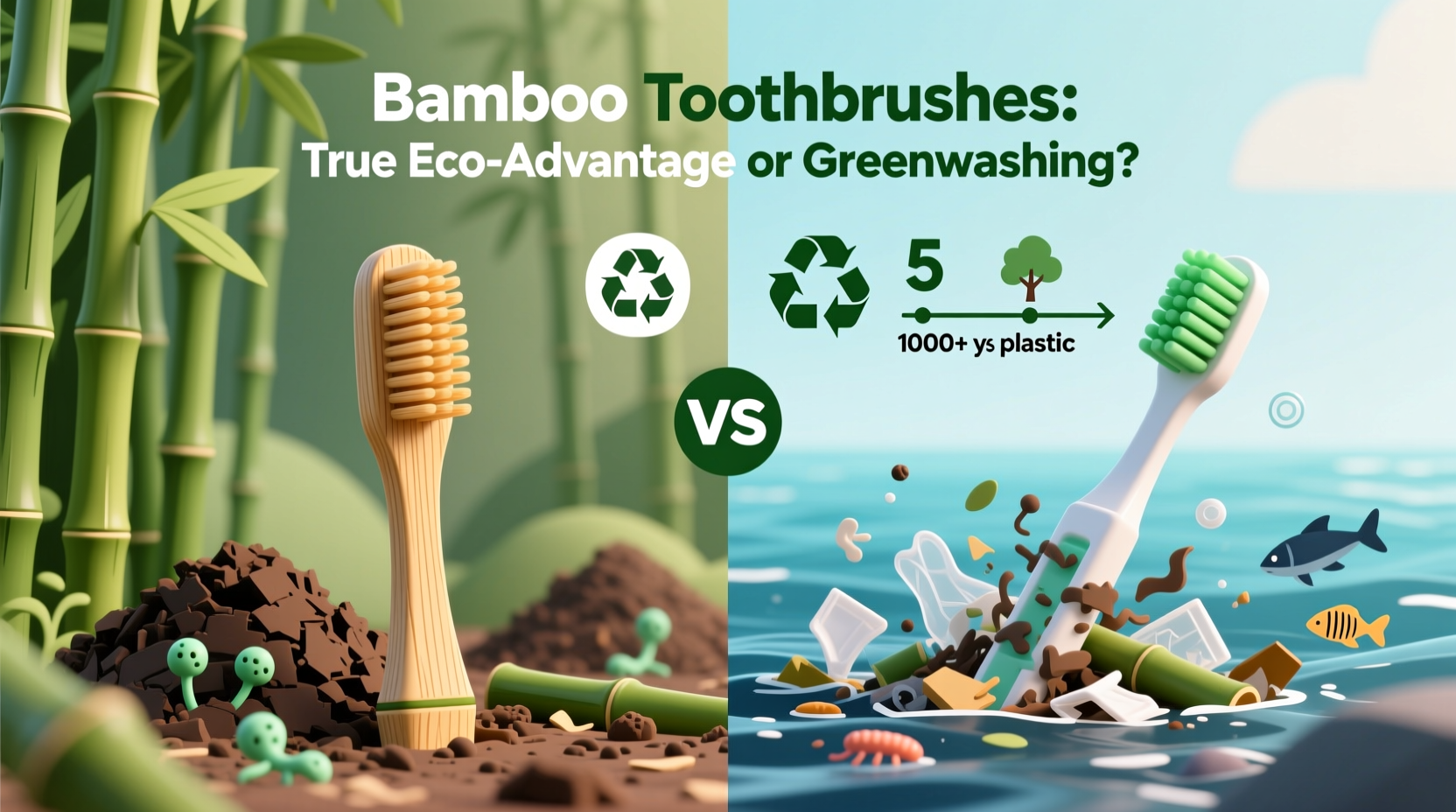
Traditional toothbrushes are typically made from polypropylene (plastic handle) and nylon bristles—both derived from petroleum. These materials are non-biodegradable and can persist in the environment for up to 500 years. According to National Geographic, more than 23 billion plastic toothbrushes are produced globally each year. Most are not recyclable due to mixed materials and small size, which causes sorting machinery issues at recycling facilities.
When discarded improperly, plastic toothbrushes contribute to microplastic pollution. They break down into smaller fragments that infiltrate waterways, harm marine life, and eventually enter the human food chain. The environmental cost is clear: resource extraction, carbon emissions during manufacturing, and long-term waste accumulation.
Tip: Even if you don’t use a bamboo toothbrush, removing the bristles with pliers before disposal allows the handle to be composted separately.Lifecycle Analysis: Bamboo vs. Plastic
To assess true environmental impact, we must consider the entire product lifecycle—from raw material sourcing to end-of-life disposal. Here’s a breakdown of key stages:
| Stage | Bamboo Toothbrush | Plastic Toothbrush |
|---|---|---|
| Raw Materials | Grown rapidly without pesticides; renewable resource | Petroleum-based; non-renewable fossil fuel extraction |
| Manufacturing | Lower energy use; minimal processing required | High energy consumption; emits greenhouse gases |
| Transportation | Often shipped from Asia; higher transport footprint | Global production; variable shipping distances |
| Use Phase | Same lifespan (~3 months); no difference in performance | Identical usage pattern |
| End-of-Life | Handle compostable; bristles usually not biodegradable | Non-recyclable; persists in landfill/ocean |
Bamboo itself is an impressive plant. It grows up to 91 cm (3 feet) per day, requires no irrigation, fertilizers, or pesticides, and regenerates after harvesting. However, the reality is more complex than headlines suggest. While the handle may be compostable, most bamboo toothbrushes still use nylon-6 or nylon-4 bristles—which are not biodegradable. Some brands now offer \"plant-based\" bristles (e.g., castor bean oil), but even these degrade slowly and require industrial composting conditions rarely available to consumers.
“Just because something is made from a natural material doesn’t mean it’s automatically sustainable. We need to look beyond the surface and ask: What happens after use?” — Dr. Lena Patel, Environmental Scientist, University of Cambridge
Greenwashing: How Marketing Oversimplifies Sustainability
The term “greenwashing” refers to misleading claims that exaggerate a product’s environmental benefits. In the case of bamboo toothbrushes, common greenwashed messages include:
- “100% biodegradable” – when only the handle qualifies
- “Zero waste” – despite packaging often being plastic-coated or non-recyclable
- “Eco-friendly” – without disclosing bristle composition or transportation emissions
A 2022 study published in Environmental Science & Technology found that nearly 70% of bamboo toothbrush brands surveyed made unsubstantiated claims about compostability. Many assume home composting will break down the entire brush, but typical backyard compost piles lack the heat and microbial activity needed to decompose even bamboo efficiently—let alone synthetic bristles.
Additionally, the global supply chain plays a role. Most bamboo is grown in China, Vietnam, or India, then processed and shipped worldwide. A single toothbrush traveling from Guangdong to London generates approximately 0.3 kg CO₂ in transport emissions—significant when scaled across millions of units. Compare this to locally manufactured plastic brushes (though still environmentally harmful), and the advantage narrows.
Mini Case Study: The EcoFamily Experiment
The Thompson family in Bristol, UK, switched to bamboo toothbrushes two years ago. They were excited by the idea of reducing plastic waste and proudly displayed their compost bin filled with used brushes. After six months, however, they noticed the handles weren’t breaking down. Curious, they sent samples to a local soil lab. Results showed partial decomposition, but metal staples (used to secure bristles) and nylon remnants remained intact after 18 months.
They realized their “eco-switch” wasn’t as sustainable as advertised. Now, they remove bristles before composting handles and recycle the bristles through a specialized program. Their experience highlights a gap between consumer expectations and real-world outcomes—a classic sign of greenwashing when proper disposal isn’t clearly communicated.
So, Are Bamboo Toothbrushes Better?
The answer isn't binary. When compared directly to standard plastic toothbrushes, bamboo options generally have a lower environmental impact—but with important caveats.
The primary benefit lies in the handle material. Unlike plastic, bamboo is a rapidly renewable resource that sequesters carbon during growth. At end-of-life, if properly processed (bristles removed, handle composted industrially or in ideal home conditions), it returns to the earth rather than lingering for centuries.
However, several factors determine whether a bamboo toothbrush is truly sustainable:
- Bristle Type: Nylon bristles defeat part of the purpose. Opt for brands using certified compostable bristles (e.g., bio-based nylon from castor oil).
- Production Ethics: Look for FSC-certified bamboo and transparent labor practices. Not all suppliers adhere to ethical standards.
- Packaging: Excessive cardboard boxes wrapped in plastic film undermine sustainability. Minimalist, plastic-free packaging is essential.
- Local Alternatives: In regions where bamboo isn’t grown, a recycled-plastic toothbrush made domestically might have a lower carbon footprint.
Checklist: Choosing a Truly Sustainable Bamboo Toothbrush
- ✅ Bristles are plant-based or clearly labeled compostable
- ✅ No plastic coating on packaging
- ✅ Transparent sourcing information (origin of bamboo, factory conditions)
- ✅ Certified by recognized bodies (e.g., FSC, B Corp, OEKO-TEX)
- ✅ Instructions provided for proper disposal
- ✅ Minimal carbon footprint (ideally regional production/distribution)
Alternatives and Future Innovations
While bamboo is currently the most popular natural option, new materials are emerging. Some startups are developing fully compostable toothbrushes using cornstarch, rice husks, or mycelium (mushroom roots). Others focus on reusable handles with replaceable bristle heads—similar to safety razors.
One promising example is a Dutch company producing toothbrushes from recycled fishing nets collected from the ocean. Though not biodegradable, this approach tackles marine pollution while offering durable, recyclable products. Another innovation involves bristles made from miswak tree extracts, which have natural antimicrobial properties and are traditionally used in Middle Eastern oral care.
Until these alternatives scale, bamboo remains a viable transitional solution—if used responsibly. The key is shifting from disposable culture to circular thinking: designing products for disassembly, reuse, and safe return to ecosystems.
Frequently Asked Questions
Can I compost my bamboo toothbrush at home?
Only if you first remove the bristles and staples. Even then, decomposition depends on your compost pile’s temperature and moisture. Cold or dry home composts may take over a year. For best results, use an industrial composting facility if available.
Are bamboo toothbrushes safe for sensitive gums?
Yes. Bristle softness varies by brand, just like plastic brushes. Choose soft or extra-soft bristles regardless of handle material. The bamboo handle does not affect brushing comfort.
Do bamboo toothbrushes harbor bacteria?
No more than plastic ones. Bamboo has natural antimicrobial properties, but any toothbrush can grow microbes if stored wet. Always rinse thoroughly and store upright to air-dry. Replace every three months.
Conclusion: Beyond the Hype, Toward Real Change
Bamboo toothbrushes aren’t a magic bullet, nor are they pure greenwashing. They represent a step toward rethinking everyday consumption—but only when chosen wisely and disposed of correctly. The environmental advantage exists, but it’s narrower than marketing suggests.
True sustainability requires transparency, education, and systemic change. Instead of chasing “eco” labels, consumers should demand full lifecycle accountability from brands. Support companies that disclose bristle composition, minimize packaging, and fund proper end-of-life solutions.
Ultimately, the most sustainable toothbrush is the one you already own—used fully, cared for well, and replaced only when necessary. But when it’s time for a new one, choosing a responsibly made bamboo model, with compostable bristles and ethical sourcing, moves us closer to a less wasteful future.
💬 What’s your experience with bamboo toothbrushes? Have they lived up to their promises? Share your thoughts, tips, or brand recommendations in the comments below.