For those who toss and turn through sweltering nights, the right bed sheets can make the difference between restlessness and restful sleep. As temperatures rise—whether due to climate, season, or personal body heat—many hot sleepers are turning to bamboo sheets as a cooling alternative to traditional cotton. But is this shift based on real performance, or just marketing hype? The answer lies in fiber structure, moisture management, airflow, and thread count—all of which influence how cool you stay under the covers.
Bamboo and cotton each have distinct properties that affect thermal regulation. While cotton has long been the gold standard for softness and durability, bamboo has emerged as a modern contender with claims of superior breathability and temperature control. To determine which fabric truly wins for hot sleepers, it’s essential to examine not only material science but also real-world comfort and sustainability factors.
Understanding Fabric Breathability and Heat Dissipation
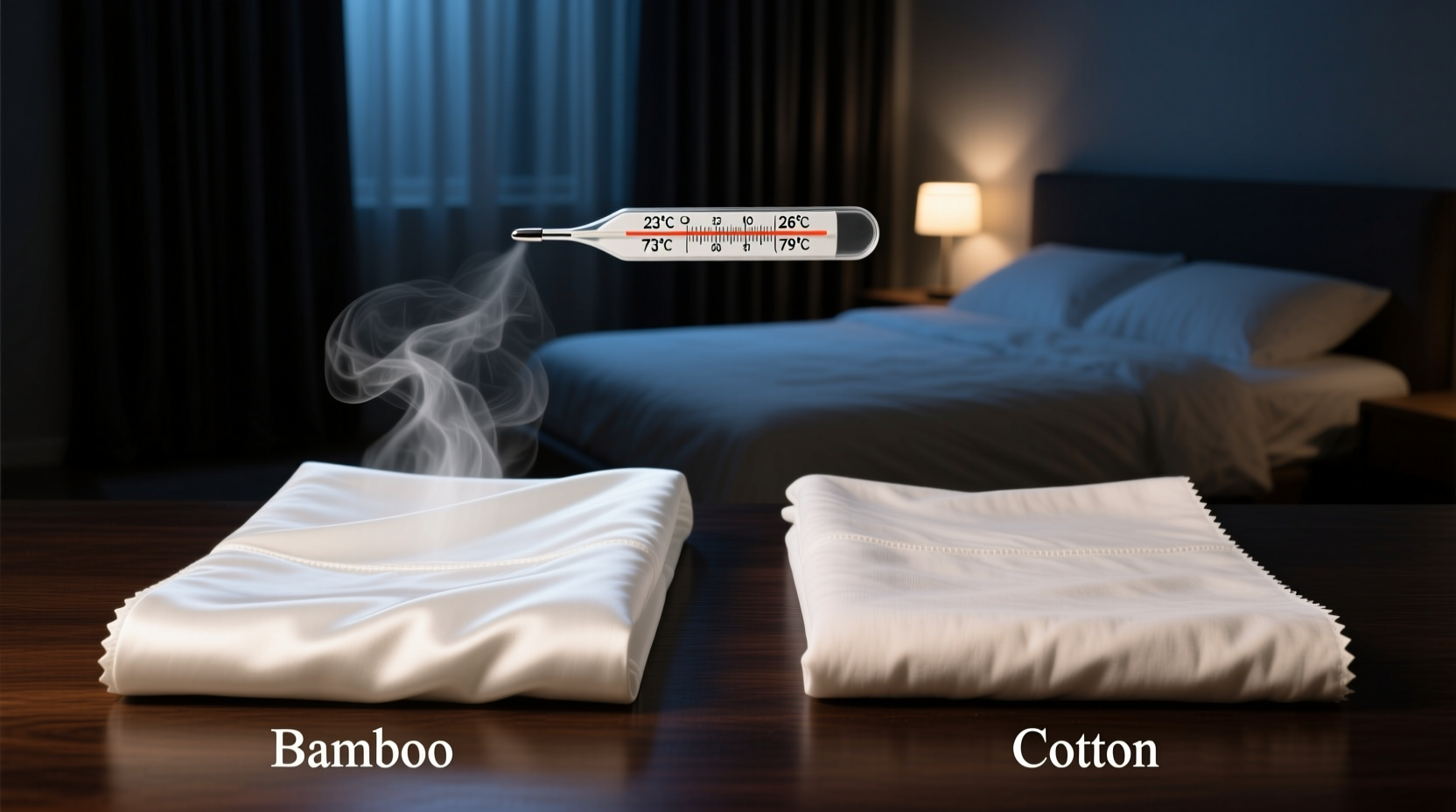
Thermal comfort during sleep depends largely on how well a fabric allows heat and moisture to escape. When your body heats up, it produces sweat—a natural cooling mechanism. However, if that moisture gets trapped in the fabric, it creates a damp, sticky layer next to your skin, raising perceived temperature and disrupting sleep.
Breathability refers to a fabric’s ability to let air circulate through its fibers. Materials with open weaves and hydrophilic (moisture-attracting) fibers tend to perform better in warm conditions. Bamboo viscose (often labeled simply as “bamboo”) is naturally more breathable than conventional cotton due to its microstructure. The fibers contain microscopic gaps and holes that facilitate airflow and wick moisture away from the skin more efficiently.
Cotton, especially high-thread-count varieties like Egyptian or Pima, can feel luxurious but may trap heat when tightly woven. Percale cotton, with its crisp, lightweight weave, offers better airflow and is often recommended for hot sleepers. However, even percale can retain moisture longer than bamboo, which tends to evaporate sweat faster due to its moisture-wicking properties.
Tip: Look for sheets labeled \"cooling\" or \"moisture-wicking,\" but always check the actual fiber content—some blends use synthetic fibers that may reduce breathability.Material Comparison: Bamboo vs. Cotton
The debate isn’t just about temperature—it’s about how each material interacts with your body throughout the night. Below is a detailed comparison of key characteristics relevant to hot sleepers.
| Feature | Bamboo Sheets | Cotton Sheets |
|---|---|---|
| Thermal Regulation | Naturally cooler; dissipates heat quickly | Varies by weave; can trap heat in high-thread-count versions |
| Motion Wicking | Excellent—absorbs up to 50% more moisture than cotton | Moderate—absorbs moisture but dries slower |
| Breathability | High due to porous fiber structure | Good in percale; lower in sateen weaves |
| Softness | Silky, smooth texture similar to satin | Softens over time; varies by cotton type |
| Durability | Less durable than cotton; prone to pilling if not cared for | Highly durable, especially long-staple cottons |
| Eco-Footprint | Grows rapidly with minimal water; processing can be chemical-heavy | Water-intensive crop; pesticide use common unless organic |
While both materials have strengths, bamboo excels in moisture management and initial cool-to-the-touch sensation. This makes it particularly effective during the first hours of sleep, when body temperature begins to drop and sweating may start. Cotton, especially in looser weaves, remains a strong performer—but it typically lacks the same immediate cooling effect.
Real-World Performance: A Mini Case Study
Consider Sarah, a 38-year-old nurse who works night shifts and sleeps during the day in a sun-exposed bedroom. Despite using air conditioning, she consistently woke up sweaty and fatigued. After switching from 600-thread-count cotton sateen sheets to 300-thread-count bamboo viscose, she noticed a significant change within two nights.
“The difference was instant,” she said. “The bamboo sheets felt cool as soon as I got into bed, and I didn’t wake up clammy. Even when the AC cycled off, I stayed comfortable longer.”
Her experience aligns with textile research showing that bamboo’s surface temperature remains lower than cotton under identical conditions. In controlled tests, bamboo fabric registered up to 3°F cooler upon contact, a small but perceptible difference for sensitive sleepers.
However, after six months, Sarah noticed slight pilling along the foot area of the sheets. She realized she hadn’t followed care instructions—washing in hot water and using bleach-based detergents. Once she switched to cold water and gentle cycles, the degradation slowed significantly.
“Bamboo sheets offer excellent thermoregulation, but their longevity depends heavily on proper care. They’re more delicate than cotton, so maintenance matters.” — Dr. Lena Patel, Textile Scientist at the Sleep Wellness Institute
How Weave and Thread Count Influence Cooling
It’s not just the material—it’s how it’s made. Two critical factors are weave type and thread count, both of which dramatically affect airflow and feel.
Weave Types:
- Bamboo Rayon/Viscose: Typically woven in a satin-like finish, which feels silky and drapes well. Despite the name, this isn’t the same as polyester satin—bamboo satin is highly breathable.
- Cotton Percale: Crisp and lightweight, with a tight one-over-one-under weave that promotes airflow. Ideal for hot climates.
- Cotton Sateen: Softer and shinier, but denser and less breathable. Can trap heat despite high-quality fibers.
Thread Count Myth: Many assume higher thread count means better quality, but for cooling, moderate thread counts (250–400) are often superior. High thread counts (above 500) pack fibers tightly, reducing air circulation. Bamboo sheets rarely exceed 400 thread count and still feel luxurious due to the fineness of the fibers.
A 300-thread-count bamboo sheet can outperform a 1000-thread-count cotton sateen in breathability because the bamboo fibers are naturally finer and more porous. Density doesn’t always equal comfort—especially when temperature regulation is the goal.
Step-by-Step Guide to Choosing the Right Sheets for Hot Sleepers
Selecting the best sheets involves more than just material. Follow this sequence to ensure optimal cooling performance:
- Assess Your Sleeping Environment: Is your room sunny? Do you share the bed? Use this to gauge baseline heat levels.
- Prioritize Natural, Moisture-Wicking Fibers: Choose bamboo viscose, TENCEL™, or linen over synthetics. Avoid polyester blends, even if labeled “cooling.”
- Select the Right Weave: Opt for bamboo in a satin weave or cotton in percale. Avoid heavy sateen weaves if you run hot.
- Check Thread Count: Stick to 250–400 for balance of softness and breathability. Be skeptical of counts above 600.
- Read Care Instructions: Bamboo requires gentle washing. If you prefer low-maintenance laundry, cotton may be more practical.
- Test for Feel and Performance: Purchase from brands with return policies. Try them for at least three nights in your normal sleep environment.
Common Misconceptions About Bamboo Sheets
Despite growing popularity, several myths persist:
- Myth: Bamboo is always eco-friendly. While bamboo plants grow fast and need little water, converting them into fabric often involves chemical processing (e.g., carbon disulfide). Look for Oeko-Tex or FSC certification to ensure safer production.
- Myth: All bamboo sheets are the same. Some products blend bamboo with rayon or synthetics. True bamboo viscose should be clearly labeled.
- Myth: They never wrinkle. Bamboo wrinkles more easily than cotton, especially in humid environments. Expect some creasing, though it usually smooths out after sleeping on it.
Additionally, price doesn’t always reflect quality. Some budget bamboo sheets use inferior weaving techniques that reduce breathability. Investing in mid-range, certified products often yields the best value.
Frequently Asked Questions
Do bamboo sheets get softer over time?
Yes, unlike cotton, which softens gradually with repeated washing, bamboo starts soft and maintains its silky texture. It doesn’t degrade in softness as quickly, though improper washing can lead to fiber breakdown and pilling.
Are bamboo sheets suitable for all seasons?
They are ideal for warm weather and excellent for hot sleepers year-round. In colder climates, they lack the insulating weight of flannel or heavier cotton, so you may need an extra blanket. However, their moisture-wicking ability helps prevent overheating even in winter when using heated bedding.
Can I use bamboo sheets if I have sensitive skin?
Absolutely. Bamboo is naturally hypoallergenic and resistant to dust mites and bacteria due to its antimicrobial properties. This makes it a top choice for people with allergies, eczema, or acne-prone skin.
Final Checklist Before You Buy
Use this checklist to ensure you're selecting the best cooling sheets for your needs:
- ✅ Made from 100% bamboo viscose or lyocell (not blended with polyester)
- ✅ Thread count between 250 and 400
- ✅ Certified by Oeko-Tex, FSC, or GOTS for safety and sustainability
- ✅ Weave type suited for cooling (satin for bamboo, percale for cotton)
- ✅ Includes care instructions for longevity
- ✅ Offers a sleep trial or return policy
Conclusion: Are Bamboo Sheets Cooler Than Cotton?
The evidence supports a clear conclusion: yes, bamboo sheets are generally cooler than cotton for hot sleepers. Their superior moisture-wicking ability, natural breathability, and cooler initial touch give them a distinct advantage, especially during the first half of the night when body temperature peaks. For those who struggle with night sweats or live in warm climates, switching to bamboo can significantly improve sleep quality.
That said, cotton—particularly in percale weave—remains a reliable, durable, and widely available option. The best choice depends on your priorities: if cooling and softness are paramount, bamboo is likely the better fit. If you value longevity and easy care, high-quality cotton may serve you better over time.
Ultimately, sleep is deeply personal. What works for one person may not work for another. The key is to make an informed decision based on fiber science, real-world performance, and individual needs.
🚀 Ready to upgrade your sleep? Try a set of certified bamboo sheets with a cooling weave and see how your next night’s rest compares. Share your experience in the comments—your insights could help another hot sleeper find relief.








