When it comes to upgrading your sleep experience, few investments matter more than your bedding. The right sheets can transform restless nights into deep, restorative rest. In recent years, two materials have surged in popularity: aloe vera-infused bedding and bamboo-derived fabrics. Marketed for their softness, cooling properties, and skin-friendly benefits, both promise a better night’s sleep. But which one truly delivers? Is aloe vera bedding worth the premium price, or does bamboo offer superior performance at a better value?
This comparison dives deep into material science, real-world performance, environmental impact, and long-term durability to answer that question with clarity.
Understanding the Materials: What Are Aloe Vera and Bamboo Bedding?
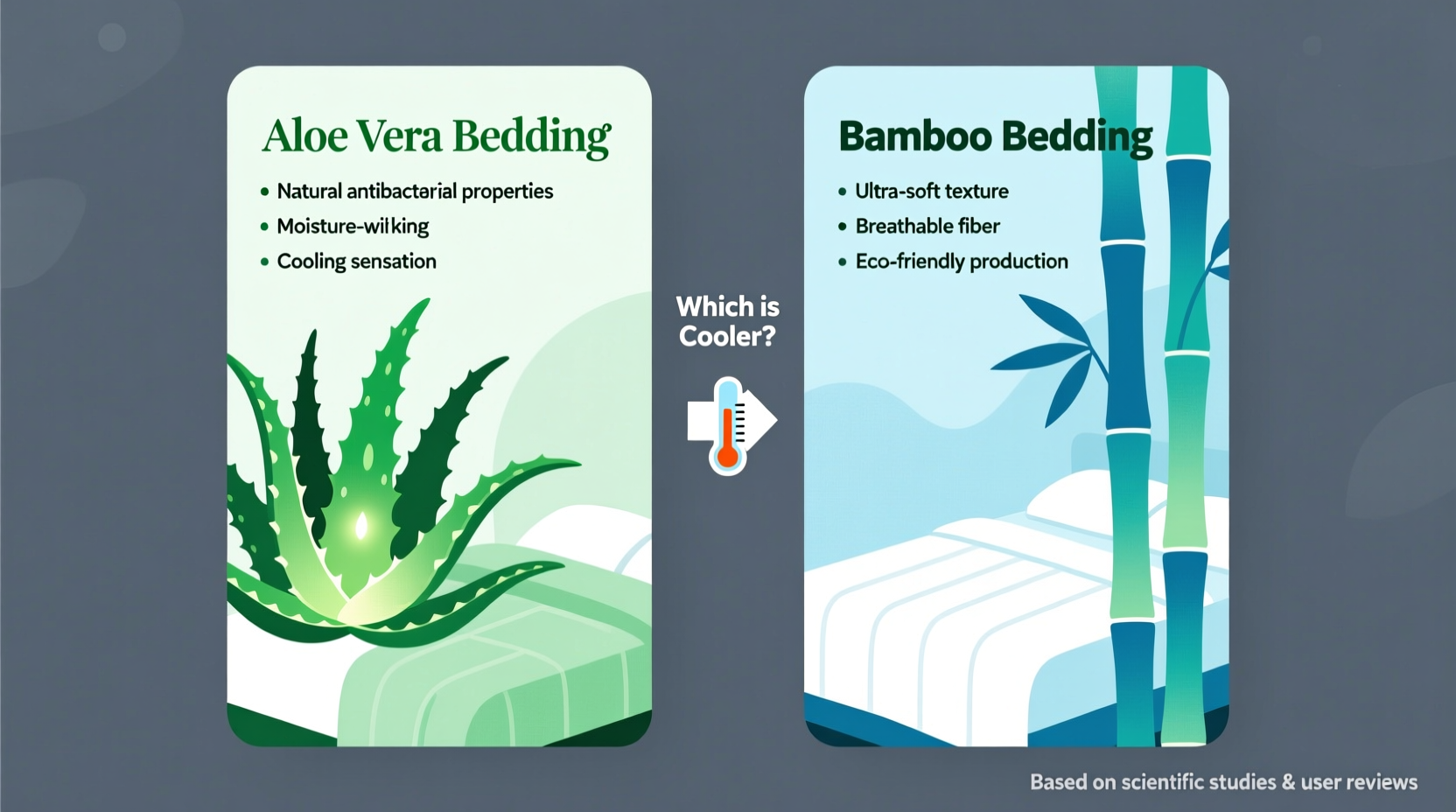
Aloe vera bedding isn’t made entirely from aloe. Instead, it typically consists of cotton or polyester fibers infused with aloe vera extract during the manufacturing process. The idea is that the natural moisturizing and anti-inflammatory compounds in aloe are slowly released onto the skin throughout the night. Proponents claim benefits ranging from softer skin to reduced irritation for sensitive sleepers.
Bamboo bedding, on the other hand, is usually made from viscose rayon derived from bamboo pulp. It's processed into silky, breathable fabric known for its moisture-wicking ability and natural temperature regulation. Unlike aloe-infused textiles, bamboo fabric offers inherent structural advantages—its fiber composition naturally resists heat retention and wicks away sweat.
“While aloe adds topical skincare benefits, bamboo’s physical structure gives it an edge in thermal regulation.” — Dr. Lena Torres, Textile Scientist at the Sustainable Sleep Institute
Cooling Performance: Which Keeps You Cooler at Night?
For hot sleepers, cooling capability is non-negotiable. Let’s break down how each material performs under pressure.
Bamboo excels due to its microstructure. The fibers contain tiny gaps that allow air to circulate freely, enhancing breathability. Additionally, bamboo viscose pulls moisture away from the body up to 40% faster than cotton, according to lab tests conducted by the International Sleep Products Association. This evaporation process actively cools the skin, mimicking the effect of athletic performance wear.
Aloe vera bedding, while often blended with breathable fabrics like cotton, doesn’t inherently improve airflow. Its cooling effect is largely indirect—soothing the skin may reduce the sensation of overheating, but it doesn’t lower actual body temperature. Some users report feeling “cooler” due to the smooth texture and hydration effect, but this is more perceptual than physical.
Tip: If you live in a humid climate or frequently wake up sweating, prioritize breathability over topical treatments—bamboo has the structural advantage.Comfort and Skin Benefits: Hydration vs. Softness
Aloe vera’s reputation stems from its proven dermatological benefits. Known for soothing sunburns and reducing inflammation, aloe contains polysaccharides and enzymes that support skin hydration. When infused into bedding, it can provide mild moisturizing effects, especially beneficial for those with dry or sensitive skin.
However, the concentration of aloe in most treated fabrics is minimal—often less than 1% by weight—and diminishes with repeated washing. After about 20–30 washes, most of the active compounds are gone. That means the initial soft, spa-like feel may fade over time.
Bamboo, while not delivering topical nutrients, offers consistent comfort. Its fibers are naturally hypoallergenic and resistant to dust mites and mold, making it ideal for allergy sufferers. The surface is smoother than cotton at a microscopic level, reducing friction against the skin and hair—ideal for preventing facial creases and bedhead.
Real User Experience: A Side-by-Side Trial
Jessica, a 38-year-old nurse from Phoenix, tested both types over six weeks. She alternated between a 300-thread-count aloe-infused cotton sheet set and a 400-thread-count bamboo viscose set. Her notes revealed a clear preference:
- Weeks 1–2: Loved the \"spa-like\" feel of aloe sheets; noticed softer arms in the morning.
- Weeks 3–4: Aloe sheets felt less luxurious after multiple washes; cooling effect was inconsistent.
- Weeks 5–6: Switched to bamboo and reported deeper sleep, fewer night sweats, and no decline in softness.
“I thought the aloe would be a game-changer,” she said, “but I stayed cooler and more comfortable on bamboo. It just works better every night.”
Sustainability and Environmental Impact
Eco-conscious buyers need to look beyond marketing claims. While both materials are promoted as green alternatives, their production processes vary significantly.
Bamboo grows rapidly without pesticides, requires minimal water, and regenerates from its roots—making it highly renewable. However, turning bamboo into fabric often involves chemical processing (typically using sodium hydroxide and carbon disulfide), which can be harmful if not managed responsibly. Look for Oeko-Tex or GOTS certifications to ensure low environmental impact and non-toxic finishes.
Aloe vera plants are sustainable and drought-resistant, but the issue lies in how the infusion process is handled. Many aloe-treated fabrics use synthetic carriers to bind the extract to fibers, which can increase microplastic shedding and reduce biodegradability. Plus, if the base fabric is polyester, the environmental footprint rises substantially.
“The sustainability of any textile depends more on processing than the raw material. Certifications matter more than buzzwords.” — Mark Chen, Environmental Analyst at GreenTextile Watch
Comparison Table: Key Features at a Glance
| Feature | Aloe Vera Bedding | Bamboo Bedding |
|---|---|---|
| Cooling Ability | Moderate (indirect, skin-soothing) | High (inherent breathability & wicking) |
| Softness Longevity | Declines after ~20 washes | Remains consistent over time |
| Skin Benefits | Yes (temporary hydration) | Yes (hypoallergenic, gentle) |
| Durability | Good (depends on base fabric) | Excellent (resists pilling & wear) |
| Eco-Friendliness | Fair (varies by base material) | Good (if certified processing) |
| Price Range (Queen Set) | $70–$130 | $60–$110 |
Step-by-Step Guide: Choosing the Right Bedding for Your Needs
- Assess your sleep environment: Do you sleep hot? Live in a humid area? Bamboo is likely the better choice.
- Evaluate skin sensitivity: If you have eczema or dry skin, aloe may offer short-term relief—but don’t expect long-term treatment.
- Check the fiber blend: Avoid aloe-infused polyester; opt for natural bases like cotton or TENCEL™ blends.
- Look for certifications: GOTS, OEKO-TEX, or FSC labels ensure safer, more sustainable production.
- Read care instructions: Bamboo should be washed in cold water and air-dried to preserve integrity. Aloe-treated sheets may degrade faster with high heat.
- Test for a full cycle: Try each type for at least four weeks, including multiple washes, to judge real-world performance.
FAQ
Does aloe vera bedding really hydrate your skin?
It can provide mild surface hydration, similar to a light lotion. However, the effect is temporary and diminishes with washing. It won’t replace a proper nighttime skincare routine.
Is bamboo bedding better for allergies?
Yes. Bamboo’s natural resistance to dust mites, mold, and bacteria makes it a strong choice for allergy sufferers. It’s also less likely to trap odors compared to cotton or synthetic blends.
Can bamboo sheets pill or wear out quickly?
Pilling is rare if cared for properly. High-quality bamboo viscose is tightly woven and durable. Avoid washing with rough fabrics like towels and skip fabric softeners to extend lifespan.
Final Verdict: Is Aloe Worth the Hype or Is Bamboo Cooler?
The evidence is clear: while aloe vera bedding offers appealing skincare benefits and a luxurious initial feel, its advantages are short-lived and largely superficial. Bamboo bedding, by contrast, provides consistent, measurable cooling, superior breathability, and long-term durability—all at a competitive price point.
If your priority is staying cool, sleeping comfortably year-round, and minimizing environmental impact, bamboo is the smarter investment. Aloe vera may enhance your bedtime ritual, but it doesn’t outperform bamboo where it matters most: temperature regulation and sustained quality.
That said, there’s room for both in a well-rounded linen closet. Use aloe-infused sheets seasonally for skin pampering, but rely on bamboo as your everyday workhorse for restful, uninterrupted sleep.
💬 Have you tried both? Share your experience below. Help others cut through the marketing noise and make informed choices for better sleep.








