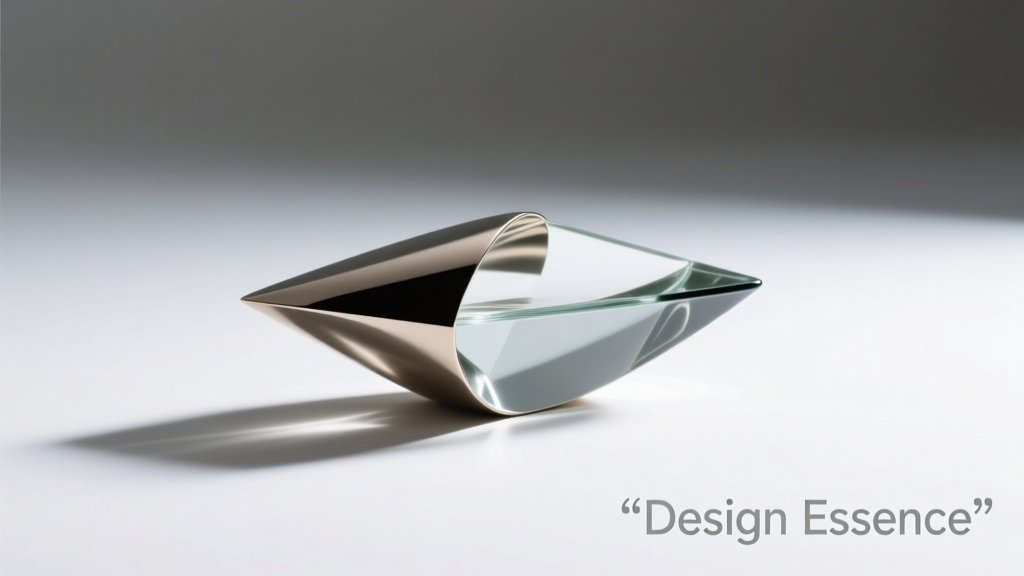
Types of Acrylic Sheets
An acrylic sheet is a versatile, durable, and lightweight thermoplastic material widely used in furniture, signage, displays, and architectural applications. Known for its optical clarity, impact resistance, and aesthetic flexibility, acrylic is often preferred over glass due to its shatter-resistant properties and ease of fabrication. Acrylic tables and surfaces not only offer an elegant appearance but also provide long-term durability in both indoor and outdoor environments.
This guide explores the various types of acrylic sheets available, highlighting their unique properties, advantages, and ideal applications to help you choose the right material for your project.
Optical Acrylic Sheet
Manufactured through a precision molding process under heat and pressure, optical acrylic sheets offer exceptional transparency—often clearer than glass—while being significantly lighter and more impact-resistant. The controlled production method minimizes internal stresses and imperfections, resulting in superior light transmission.
Advantages
- Exceptional optical clarity (up to 92% light transmission)
- Lightweight compared to glass
- High impact resistance
- Easy to cut, shape, and polish
Limitations
- More prone to scratching than glass
- Requires careful handling during installation
- May yellow slightly under prolonged UV exposure (unless UV-protected)
Best for: Display cases, lenses, light guides, retail fixtures, and museum enclosures
Acrylic Mirror Sheet
These are standard acrylic sheets coated with a reflective metallic layer—typically aluminum or silver—using vacuum deposition technology. The result is a lightweight, shatterproof alternative to traditional glass mirrors, offering excellent reflectivity with enhanced safety.
Advantages
- Shatter-resistant and safer than glass mirrors
- Lightweight and easy to install
- Good corrosion resistance
- Ideal for curved or custom-shaped mirrors
Limitations
- Reflective coating can degrade if scratched or exposed to moisture
- Limited outdoor durability without protective backing
- Lower reflectivity than high-grade glass mirrors
Best for: Interior design, fashion displays, dance studios, and decorative wall panels
Acrylic Coated Sheet
These composite materials feature a substrate—such as metal, wood, or MDF—coated with a layer of acrylic polymer. The coating provides a smooth, glossy, and durable finish that enhances both appearance and weather resistance. Often used in high-end finishes where durability and aesthetics are equally important.
Advantages
- Excellent surface durability and scratch resistance
- Superior weather and UV resistance
- Wide range of colors and finishes (gloss, matte, textured)
- Easy to clean and maintain
Limitations
- Higher cost than standard acrylic sheets
- Repairable only by professionals if damaged
- Thicker profile may limit design flexibility
Best for: Signage, kitchen cabinets, architectural cladding, and commercial furniture
Colored Acrylic Sheet
Available in a vast array of hues and opacities, colored acrylic sheets are produced by integrating dyes or pigments into the acrylic resin during manufacturing. They maintain the material’s inherent clarity or translucency depending on pigment concentration, offering vibrant, long-lasting color without fading.
Advantages
- Consistent color throughout the sheet (not just surface-deep)
- UV-stable options available for outdoor use
- Can be translucent, opaque, or fluorescent
- Ideal for creative and branding applications
Limitations
- Dark colors may absorb heat and expand
- Translucent sheets may reduce visibility in display applications
- Limited availability of custom colors without bulk orders
Best for: Art installations, backlit signs, decorative partitions, and retail displays
Heat Resistant Acrylic Sheet
Specially formulated to withstand elevated temperatures, heat-resistant acrylic sheets maintain structural integrity and clarity under thermal stress. These sheets are engineered with modified polymers that increase their glass transition temperature, making them suitable for environments where standard acrylic would warp or degrade.
Advantages
- Withstands higher temperatures (up to 100–120°C depending on grade)
- Retains optical clarity under heat
- Lightweight alternative to heat-treated glass
- Good electrical insulation properties
Limitations
- Higher cost than standard acrylic
- Still less heat-resistant than polycarbonate or glass
- Limited availability in large sheet sizes
Best for: Lighting fixtures, appliance covers, control panels, and industrial enclosures
| Type | Clarity | Durability | Heat Resistance | Best Applications |
|---|---|---|---|---|
| Optical Acrylic | Excellent | High | Medium | Displays, lenses, retail fixtures |
| Acrylic Mirror | Reflective | Medium-High | Medium | Interior design, fashion, décor |
| Acrylic Coated | Variable | Very High | High | Signage, furniture, architecture |
| Colored Acrylic | Good to Excellent | High | Medium | Art, signage, decorative elements |
| Heat Resistant Acrylic | Good | High | Excellent | Lighting, appliances, industrial use |
Pro Tip: For outdoor applications, always choose UV-protected or weather-resistant acrylic grades to prevent yellowing and brittleness over time. Additionally, use non-abrasive cleaners to maintain surface clarity and avoid micro-scratches.
Features of Acrylic Sheets: A Comprehensive Guide
Acrylic sheets have revolutionized modern furniture design, particularly in the creation of stylish and functional tables. Known for their glass-like clarity and superior durability, acrylic tables offer a sleek, contemporary aesthetic while delivering practical benefits that outperform traditional materials. Below is an in-depth exploration of the key features that make acrylic sheet tables a preferred choice for both residential and commercial spaces.
1. Super Clear Acrylic Sheet – Unmatched Clarity and Elegance
One of the most striking features of acrylic tables is their exceptional optical clarity. Made from high-grade polymethyl methacrylate (PMMA), these sheets offer up to 92% light transmission—surpassing even glass. This crystal-clear appearance enhances the visual spaciousness of any room, making it ideal for small apartments or retail environments where openness and brightness are desired.
Unlike lower-quality plastics, premium acrylic sheets are engineered to be non-yellowing, resisting discoloration even after years of exposure to indoor lighting and environmental factors. The high-gloss finish adds a touch of sophistication, contributing to a modern, minimalist aesthetic that complements a wide range of interior styles—from Scandinavian to industrial chic.
2. Strong Acrylic Plastic – Superior Impact Resistance
Acrylic is up to 10 times more impact-resistant than glass of the same thickness, making it an exceptionally safe and durable option for furniture. This strength ensures that the table can withstand accidental bumps, knocks, and daily wear without cracking or shattering—a critical advantage in homes with children or pets, as well as in high-traffic commercial areas like cafes, lobbies, and showrooms.
While not indestructible, acrylic’s ability to absorb and distribute impact energy makes it far less likely to break under stress. This resilience translates into long-term cost savings by reducing the need for frequent replacements or repairs.
3. Lightweight Acrylic Sheets – Easy to Move and Reconfigure
Weighing approximately half as much as glass, acrylic tables are significantly easier to handle, transport, and reposition. This lightweight nature is especially beneficial for individuals who frequently update their interior layouts or for businesses that host rotating displays or events.
The reduced weight also minimizes floor loading, making acrylic tables suitable for upper-level apartments or spaces with weight restrictions. Despite being light, the material maintains structural integrity and stability, ensuring the table remains sturdy during use.
4. Excellent UV Resistance – Long-Lasting Outdoor and Sunlit Performance
High-quality acrylic sheets are formulated with UV stabilizers that protect against sun-induced degradation. This means the table will not yellow, become brittle, or lose its luster even when placed in sun-drenched rooms, patios, or near large windows.
This UV resistance makes acrylic an excellent choice for both indoor and outdoor furniture applications. Whether used as a patio side table, a sunroom centerpiece, or a storefront display, the material maintains its original appearance and performance over time, ensuring lasting beauty and value.
5. Scratch-Resistant Surface – Maintains Aesthetic Appeal Over Time
While no material is completely scratch-proof, modern acrylic tables often feature advanced surface coatings that significantly enhance scratch resistance. These protective layers help guard against everyday abrasions from utensils, keys, or decorative objects, preserving the table’s pristine look.
Even if minor scratches do occur, many acrylic surfaces can be polished to restore their original clarity—a maintenance advantage not available with glass. This durability makes acrylic tables ideal for dining areas, home offices, and workspaces where functionality and appearance are equally important.
| Feature | Benefit | Best Use Cases |
|---|---|---|
| Super Clear Acrylic | Enhances room brightness and modern aesthetic | Living rooms, retail displays, minimalist interiors |
| Impact Resistant | Safe and durable; resists breaking | Families with kids, pet-friendly homes, high-traffic areas |
| Lightweight | Easy to move and rearrange | Event spaces, small apartments, modular furniture setups |
| UV Resistant | Prevents yellowing and degradation in sunlight | Sunrooms, patios, near windows, outdoor cafes |
| Scratch Resistant | Maintains appearance with minimal maintenance | Dining tables, workstations, commercial displays |
Note: While acrylic is highly durable, it should be cleaned with care using non-abrasive cleaners and soft cloths to avoid surface damage. Avoid using ammonia-based products (like standard window cleaners), as they can cloud or degrade the surface over time. Proper care ensures your acrylic table remains beautiful for years to come.
Commercial Uses of Acrylic Sheets: Versatile Applications in Modern Design
Acrylic sheets—known for their clarity, durability, and lightweight nature—have become a staple in commercial interior design and furniture manufacturing. Their optical quality rivals glass, yet they are shatter-resistant, easier to fabricate, and significantly lighter. This makes acrylic an ideal material for a wide range of commercial furniture applications, from office environments to hospitality spaces. Below is a detailed overview of how acrylic is transforming functional furniture in professional and public settings.
Dinner Tables
Acrylic dining tables are increasingly popular in restaurants, cafes, and event venues due to their sleek, modern aesthetic and practical benefits. Their crystal-clear surface enhances the visual appeal of table settings and complements both minimalist and high-end decor.
- Non-toxic and food-safe, making them ideal for family-friendly and commercial dining environments
- Easy to clean with mild soap and water—resistant to stains and spills
- Lightweight construction allows for effortless reconfiguration during events or layout changes
- Scratch-resistant when treated with protective coatings, ensuring long-term visual clarity
Design Tip: Pair with colored bases or LED lighting to create a striking centerpiece in upscale dining or banquet spaces.
Office Desks
In modern office environments, acrylic desks contribute to a clean, open, and professional atmosphere. Their transparency reduces visual clutter, making small offices appear larger and more organized.
- Provides a spacious, unobstructed work surface suitable for laptops, documents, and office accessories
- Durable enough to withstand daily wear while resisting chipping and cracking
- Easy maintenance—simply wipe with a microfiber cloth to maintain shine and clarity
- Available in various thicknesses (6mm–20mm) to balance strength and elegance
Pro Insight: Ideal for co-working spaces and startups aiming for a contemporary, tech-forward brand image.
Conference Tables
Acrylic conference tables symbolize innovation and sophistication in corporate boardrooms and meeting spaces. Their expansive, seamless surfaces support collaboration while projecting a forward-thinking company culture.
- Spacious designs accommodate teams of 6–12+ participants without feeling bulky
- Easy to sanitize between meetings—ideal for maintaining hygiene in high-traffic environments
- Customizable with integrated cable management or inlaid branding elements
- Enhances room aesthetics with a "floating" or minimalist look when paired with clear or metallic legs
Executive Advantage: Projects professionalism and modernity, leaving a lasting impression on clients and investors.
Computer Desks
Perfect for tech offices, gaming lounges, and remote workspaces, acrylic computer desks offer a futuristic, clutter-free environment. Their transparency allows for creative lighting and cable organization.
- Supports monitors, keyboards, and peripherals with stable, vibration-resistant surfaces
- Ideal for compact home offices—visually recedes into the background, maximizing perceived space
- Popular among streamers and gamers for its sleek, high-tech appearance in video content
- Can be combined with matte finishes or tinted edges for added style and glare reduction
Tech-Friendly: Resists static buildup and integrates seamlessly with RGB lighting setups.
Console Tables
Used in lobbies, hotel entries, and executive hallways, acrylic console tables blend function and elegance. Their slim profile and transparency make them perfect for transitional spaces.
- Acts as a decorative accent while providing surface space for vases, signage, or reception items
- Enhances spatial perception in narrow corridors or entryways by avoiding visual blockage
- Highly versatile—can be styled with mirrored backsplashes, floral arrangements, or digital displays
- Available in curved, angular, or tiered designs to suit diverse architectural styles
Interior Design Edge: Adds a touch of luxury without overwhelming the space—ideal for boutique hotels and modern retail fronts.
Professional Recommendation: When specifying acrylic furniture for commercial use, consider UV-protective coatings to prevent yellowing over time, especially in sunlit areas. Opt for cast acrylic over extruded for superior clarity and durability. Always ensure rounded or polished edges for safety and a premium finish.
| Application | Key Benefit | Recommended Thickness | Best Environment |
|---|---|---|---|
| Dinner Tables | Hygienic & easy to clean | 12–18 mm | Restaurants, Event Halls |
| Office Desks | Space-enhancing transparency | 10–15 mm | Open Offices, Startups |
| Conference Tables | Professional aesthetic | 15–25 mm | Boardrooms, Corporate HQ |
| Computer Desks | Modern, clutter-free look | 8–12 mm | Home Offices, Gaming Rooms |
| Console Tables | Visual lightness & style | 6–10 mm | Lobbies, Hallways, Hotels |
Additional Considerations for Commercial Acrylic Furniture
- Custom Fabrication: Acrylic can be laser-cut, CNC-machined, or thermoformed into unique shapes for branded installations
- Color & Finish Options: Available in transparent, translucent, opaque, frosted, or mirrored finishes to match interior themes
- Sustainability: 100% recyclable and often produced with lower carbon emissions than glass alternatives
- Impact Resistance: Up to 17 times more impact-resistant than glass, enhancing safety in public spaces
- Acoustic Properties: Can be laminated with sound-dampening layers for use in open-plan offices
How to Choose the Perfect Acrylic Sheet Table: A Comprehensive Buyer’s Guide
Selecting the right acrylic sheet table involves more than just aesthetics—it requires careful consideration of material properties, structural design, and intended use. Acrylic tables are prized for their modern appearance, lightweight nature, and durability when properly selected. This guide breaks down the five essential factors to help you make an informed decision for residential, commercial, or outdoor applications.
Pro Tip: Acrylic tables offer a sleek, contemporary look that enhances minimalist and modern interiors. Their transparency can create an illusion of space, making them ideal for smaller rooms or areas where visual clutter needs to be minimized.
1. Thickness: Balancing Flexibility and Durability
The thickness of an acrylic sheet directly impacts the table’s strength, rigidity, and resistance to damage. Thinner sheets (3–6mm) are more flexible and cost-effective, suitable for decorative or low-use tables such as accent or side tables. However, they are more prone to warping and scratching.
For dining tables, desks, or high-traffic areas, opt for thicker acrylic sheets (8–12mm or more). These provide superior structural integrity, reduce flexing under weight, and better withstand daily wear and impact. Thicker acrylic also enhances the premium feel and longevity of the table.
- 3–6mm: Best for lightweight, decorative, or temporary use
- 8–10mm: Ideal for coffee tables and home office desks
- 12mm+: Recommended for heavy-duty use, commercial settings, or large tabletops
2. Sheet Size and Table Dimensions
Accurate sizing is crucial when selecting an acrylic sheet for a table. The sheet must accommodate the desired table dimensions—length, width, and height—while allowing for proper support structure and edge overhang. Standard sheet sizes include 4’x8’ (1220x2440mm), but custom cuts are widely available.
Ensure the acrylic sheet extends slightly beyond the frame or base for a balanced look, typically 1–2 inches on each side. Measure your space carefully and account for clearance around the table for chairs and movement. For large tables, consider multi-panel designs with seamless joining techniques to maintain structural and visual continuity.
Warning: Oversized acrylic sheets without adequate support can sag over time. Always pair large tabletops with a sturdy frame or central pedestal to prevent deformation.
3. Type of Acrylic: Matching Material to Environment
Not all acrylic is the same. Different formulations offer unique benefits depending on where and how the table will be used:
- Standard Cast Acrylic: Most common, offers excellent clarity and workability. Ideal for indoor furniture.
- Extruded Acrylic: More affordable but slightly less durable and prone to internal stress. Suitable for short-term or light-use applications.
- UV-Resistant Acrylic: Prevents yellowing and degradation from sunlight. Essential for outdoor tables or sunrooms.
- Anti-Glare (Matte-Finish) Acrylic: Reduces reflections and fingerprints, perfect for workspaces or areas with bright lighting.
- Heat-Resistant Acrylic: Withstands higher temperatures (up to 160°F/70°C), recommended for tables near stoves or in kitchens (though coasters are still advised).
4. Edge Finish: Enhancing Aesthetic Appeal
The edge finish significantly influences the overall appearance and quality perception of an acrylic table. Poorly finished edges can appear rough or cloudy, detracting from the sleek look acrylic is known for.
Professional edge treatments include:
- Polished Edges: Smooth, glossy, and reflective—ideal for clear or tinted tables. Achieved through flame or buffing techniques.
- Frosted or Satin Edges: Soft, diffused look that adds texture and reduces glare.
- Beveled or Chamfered Edges: Angled cuts that add dimension and elegance, often combined with polishing.
- Raw (Sawn) Edges: Unfinished and typically not recommended for visible areas unless part of a deliberate industrial design.
- Clear Acrylic: Offers a minimalist, invisible look that blends seamlessly into any space.
- Frosted or Opal Acrylic: Provides a soft, translucent effect—great for diffused lighting or privacy.
- Tinted Acrylic: Available in colors like black, blue, red, or smoke for bold design statements.
- Textured or Patterned Sheets: Adds visual interest with embedded designs or surface etching.
- Shape Options: Round, square, oval, or custom-cut shapes to fit unique spaces or design themes.
- Always clean acrylic with a microfiber cloth and non-abrasive cleaner to prevent scratches
- Avoid placing hot items directly on the surface—use trivets or coasters
- Consider scratch-resistant coatings for homes with children or pets
- Check return policies and warranty coverage, especially for custom orders
- Ensure the base or frame is sturdy enough to support the acrylic top and prevent tipping
For custom tables, always specify your preferred edge treatment to ensure a professional finish that matches your design vision.
5. Design and Aesthetics: Style Meets Function
Acrylic tables are available in a wide range of styles, colors, and finishes to suit any décor. Consider the following options to align with your interior design:
Pair the acrylic top with complementary base materials such as metal, wood, or Lucite legs to create a cohesive and stylish piece.
| Selection Factor | Ideal Use Case | Recommended Specification | Design Tips |
|---|---|---|---|
| Thickness | Dining & work tables | 10–12mm | Use thicker acrylic for large spans; add support legs if over 4ft wide |
| Sheet Size | Custom furniture | Custom-cut to fit | Allow 1–2" overhang; avoid unsupported edges |
| Type of Acrylic | Outdoor or sunny areas | UV-resistant cast acrylic | Prevents yellowing and maintains clarity over time |
| Edge Finish | High-visibility spaces | Polished or beveled | Enhances luxury feel and light reflection |
| Design & Finish | Modern interiors | Clear or tinted with metal base | Mix materials for contrast; use lighting to highlight transparency |
Expert Insight: When purchasing an acrylic table, ask for a certificate of authenticity or material specification from the supplier. High-quality cast acrylic lasts significantly longer than lower-grade extruded versions and is less likely to craze or crack over time.
Final Considerations Before Purchase
By carefully evaluating thickness, size, material type, edge finish, and design, you can select an acrylic sheet table that combines beauty, functionality, and long-term durability. Whether for a living room, office, or patio, the right acrylic table can elevate your space with timeless modern elegance.
Frequently Asked Questions About Acrylic Tables
Q1. Are acrylic tables durable?Yes, acrylic tables are highly durable and designed to withstand everyday use. Acrylic, also known as polymethyl methacrylate (PMMA), is a strong thermoplastic material that offers excellent impact resistance—up to 17 times more shatter-resistant than glass. Unlike glass tables, which can crack or shatter from sudden impacts, acrylic tables are far less likely to chip, break, or splinter, making them a safer and more resilient option for homes with children or high-traffic areas.
This durability makes acrylic ideal for both indoor and outdoor furniture, especially in environments where accidental bumps or falls are common.
Q2. Do acrylic tables scratch easily?While acrylic tables are more impact-resistant than glass, they are more susceptible to surface scratches compared to materials like tempered glass or stone. Daily use—such as sliding objects across the surface, placing sharp utensils, or using abrasive cleaning tools—can lead to fine scratches over time.
However, this can be minimized with proper care:
- Use felt pads under decorative items or electronics.
- Avoid dragging heavy or sharp objects across the surface.
- Clean only with a soft, lint-free cloth and a cleaner specifically formulated for acrylic surfaces (e.g., Novus or Brillianize).
- Never use paper towels, ammonia-based cleaners (like Windex), or abrasive scrubbers, as these can damage the finish.
The advantage of acrylic is that minor scratches can often be buffed out using specialized polishing kits, restoring the table’s clarity and shine.
Q3. Can acrylic tables be used outdoors?Yes, acrylic tables are excellent for outdoor use. One of the standout features of acrylic is its resistance to ultraviolet (UV) radiation. High-quality acrylic is UV-stabilized, meaning it won’t yellow, become brittle, or degrade when exposed to prolonged sunlight—unlike many other plastics that fade or crack outdoors.
This makes acrylic furniture ideal for patios, decks, poolside areas, and gardens. Additionally, acrylic is moisture-resistant and won’t warp, rust, or support mold growth, ensuring longevity in humid or wet conditions. For best results, choose furniture specifically labeled as outdoor-rated to ensure maximum UV and weather protection.
Q4. Are acrylic tables easy to maintain?Yes, acrylic tables are among the easiest types of furniture to maintain. Their non-porous surface resists stains, moisture, and bacteria, making cleaning quick and hassle-free.
Here’s a simple maintenance routine:
- Daily: Wipe with a soft, damp microfiber cloth to remove dust and spills.
- Weekly: Clean with a mild solution of lukewarm water and a few drops of dish soap, followed by a dry with a lint-free cloth.
- For Smudges or Fingerprints: Use an acrylic-safe cleaner to restore clarity and prevent streaking.
Because acrylic doesn’t require sealing or special conditioning (unlike wood or natural stone), upkeep is minimal, making it a low-maintenance choice for modern living spaces.
Q5. How do acrylic tables compare to glass tables in weight?Acrylic tables are significantly lighter than glass tables—typically weighing about half as much as their glass counterparts of the same size. This lightweight nature makes acrylic furniture easy to move, reposition, or transport, which is especially beneficial for small spaces, frequent rearrangements, or multi-functional rooms.
Despite being lighter, acrylic maintains structural integrity and strength. For example, a standard 1/2-inch thick acrylic sheet has comparable rigidity to glass but with far less weight. This combination of strength and lightness also reduces the risk of injury during handling and makes acrylic a preferred choice for temporary setups, events, or rental properties.
| Feature | Acrylic Table | Glass Table |
|---|---|---|
| Weight (per sq ft, ½” thickness) | Approx. 2.5 lbs | Approx. 5.5 lbs |
| Impact Resistance | High – shatter-resistant | Low – can crack or shatter |
| Scratch Resistance | Moderate – prone to fine scratches | High – more scratch-resistant |
| UV Resistance | Excellent – won’t yellow | Good – but may degrade over time |
| Maintenance | Easy – simple cleaning, avoid abrasives | Moderate – streak-prone, needs frequent wiping |
This comparison highlights why acrylic is often chosen for modern, functional, and safety-conscious environments.









