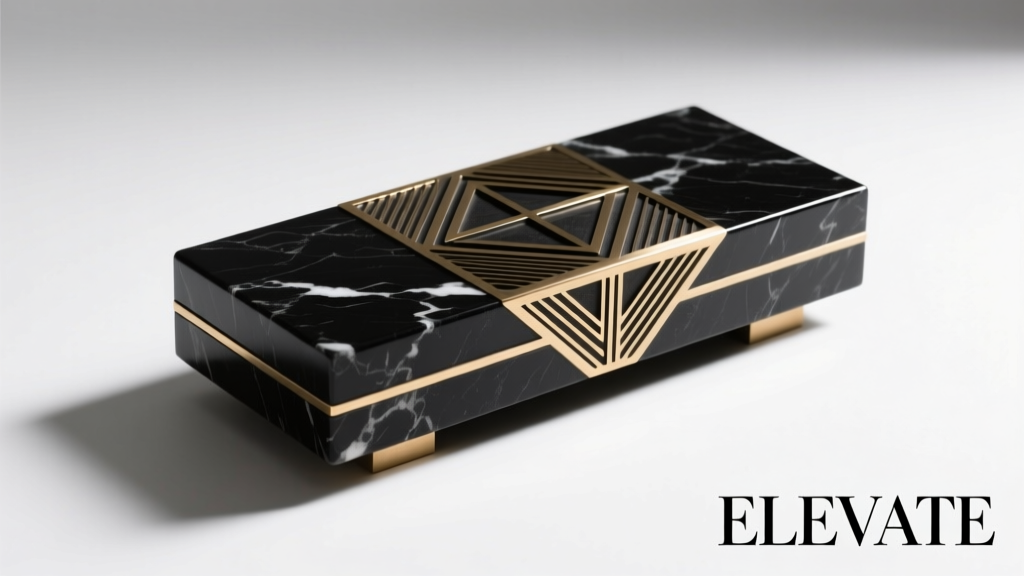
Types of Acrylic Luxury Cosmetic Packaging
Acrylic cosmetic packaging has become one of the most preferred choices among cosmetic manufacturers due to its exceptional clarity, durability, and luxurious aesthetic. Known for its glass-like appearance and lightweight nature, acrylic offers both functional and visual advantages, making it ideal for premium skincare, makeup, and fragrance lines. The versatility of acrylic allows for various finishes and structural innovations, enabling brands to stand out on crowded shelves while maintaining product integrity.
This guide explores the most common types of acrylic luxury cosmetic packaging available today, detailing their unique features, benefits, ideal applications, and design considerations to help brands make informed decisions.
Tropical Acrylic Packaging
Engineered from a blend of high-impact acrylic materials, tropical acrylic packaging is designed for superior strength, rigidity, and visual elegance. Its thick-walled construction provides excellent protection against environmental factors and chemical interactions, preserving product quality over time.
Advantages
- Enhanced structural strength and durability
- Luxurious, high-gloss finish with crystal clarity
- Excellent barrier against moisture and UV exposure
- Ideal for premium positioning and brand prestige
Limitations
- Heavier than standard acrylic variants
- Higher production and material costs
- Less eco-friendly due to complex recycling needs
Best for: Foundations, lipsticks, creams, lotions, and high-end skincare serums
Frosted Acrylic Packaging
Characterized by its soft, opaque, matte surface, frosted acrylic is achieved through sandblasting or chemical etching. This finish offers a sophisticated, minimalist look that conveys elegance and refinement, appealing to luxury and clean beauty brands.
Advantages
- Distinctive, tactile surface enhances user experience
- Reduces fingerprint visibility
- Conveys exclusivity and modern luxury
- Versatile for branding with engraving or silk screening
Limitations
- May obscure product visibility (not ideal for colored products)
- Requires precise manufacturing for consistent finish
- Slight reduction in impact resistance compared to clear acrylic
Best for: Perfume bottles, nail polishes, facial mists, and skin creams
Spouted Pouch Packaging with Acrylic Components
While primarily constructed from flexible laminates, spouted pouches often incorporate acrylic elements—especially in the spout or cap—to enhance durability and premium appeal. This hybrid design combines portability with a touch of luxury, making it increasingly popular in travel-sized and eco-conscious product lines.
Advantages
- Lightweight and portable, ideal for on-the-go use
- Acrylic spouts improve durability and leak resistance
- Easy to dispense and reseal
- Reduces material usage compared to rigid containers
Limitations
- Not fully recyclable due to mixed materials
- Less perceived luxury than fully rigid acrylic
- Limited reusability and shelf presence
Best for: Travel-sized shampoos, conditioners, serums, and liquid skincare treatments
Dual Chamber Acrylic Packaging
Designed with two separate internal compartments, dual chamber packaging allows two complementary products (e.g., serum + moisturizer, base + activator) to remain isolated until use. This prevents premature reactions and maintains product efficacy, offering both innovation and convenience.
Advantages
- Preserves ingredient integrity and potency
- Enables multi-step routines in a single application
- High perceived value and technological sophistication
- Reduces oxidation and contamination risks
Limitations
- Complex manufacturing increases cost
- Heavier and bulkier than single-chamber options
- Requires consumer education for proper use
Best for: Activated skincare systems, color-mix foundations, treatment + moisturizer combos
Flat Acrylic Packaging
Featuring a slim, low-profile design with a flat acrylic body, this packaging prioritizes portability and minimalism. Its sleek form factor makes it easy to carry in makeup bags or pockets, appealing to consumers seeking convenience without sacrificing style.
Advantages
- Ultra-portable and space-efficient
- Modern, minimalist aesthetic aligns with clean beauty trends
- Lightweight yet durable
- Easy to stack and store
Limitations
- Limited capacity for larger product volumes
- May feel less substantial than bulkier containers
- Not ideal for viscous or thick formulations
Best for: Lip glosses, compacts, blotting papers, and sample-sized products
| Type | Visual Appeal | Durability | Portability | Best Application |
|---|---|---|---|---|
| Tropical Acrylic | Excellent | Excellent | Good | Premium skincare, foundations, lipsticks |
| Frosted Acrylic | Excellent | Very Good | Good | Perfumes, nail polish, luxury creams |
| Spouted Pouch (Acrylic Spout) | Good | Good | Excellent | Travel-sized liquids, on-the-go products |
| Dual Chamber | Excellent | Very Good | Fair | Activated formulas, multi-component systems |
| Flat Acrylic | Very Good | Good | Excellent | Lip gloss, compacts, blotting papers |
Expert Tip: When selecting acrylic packaging, consider the end consumer's lifestyle. For example, flat and spouted designs are ideal for younger, mobile audiences, while frosted and tropical acrylics appeal to luxury buyers seeking elegance and permanence in their beauty routines.
Design of Acrylic Luxury Cosmetic Packaging
Luxury acrylic cosmetic packaging is more than just a container—it's a statement of elegance, innovation, and brand identity. As consumers increasingly value both aesthetics and sustainability, the design of these packages plays a pivotal role in shaping perception, enhancing user experience, and reinforcing premium positioning in the beauty market. Below are the key design elements that define high-end acrylic cosmetic packaging.
1. Use of Sophisticated Typography
Typography is a silent ambassador of brand luxury. In premium acrylic packaging, fonts are carefully selected to reflect refinement and exclusivity. Elegant serif or clean sans-serif typefaces with high legibility are preferred, often customized to create a unique brand signature.
Many top-tier brands enhance their typography with **gold or silver foil stamping**, embossing, or debossing techniques. These metallic finishes add a tactile and visual richness that immediately signals quality. Deep, contemporary fonts with balanced spacing and kerning further emphasize craftsmanship and attention to detail—essential traits of luxury branding.
2. Minimalistic Yet Functional Design
True luxury lies in simplicity. Minimalist design in acrylic packaging strips away excess ornamentation to focus on clean lines, balanced proportions, and understated elegance. This aesthetic communicates sophistication and confidence in the product’s inherent value.
However, minimalism does not compromise functionality. High-end acrylic containers feature precision-engineered closures—such as magnetic caps, airless pumps, or twist-lock mechanisms—that ensure product integrity, prevent leakage, and enhance user convenience. The packaging must protect sensitive formulations (like serums or creams) from light, air, and contamination, preserving both efficacy and shelf life.
This harmonious blend of aesthetic purity and technical performance elevates the unboxing experience while reinforcing trust in the brand.
3. Unique Shape and Structure
Distinctive silhouettes set luxury acrylic packaging apart on crowded shelves. Designers experiment with **curved stems, angular profiles, asymmetrical bodies, and sculptural forms** to create visually captivating pieces that feel like art objects.
Beyond aesthetics, innovative shapes often serve practical purposes—ergonomic contours for comfortable grip, stackable designs for retail display, or compact forms for travel. The cap or closure becomes a focal point, sometimes featuring integrated mirrors, hidden compartments, or kinetic mechanisms that delight the user.
Custom molds allow for unparalleled creativity, turning each container into a signature piece that reflects the brand’s identity and appeals to discerning consumers seeking exclusivity.
4. Color Palette Selection
Color psychology plays a crucial role in influencing consumer perception. Luxury acrylic packaging typically employs a refined color palette dominated by deep, saturated tones such as:
- Navy Blue – evokes trust, depth, and timeless elegance
- Burgundy – suggests richness, warmth, and heritage
- Emerald Green – associated with luxury, nature, and renewal
- Jet Black & Pure White – classic neutrals that convey sophistication and purity
These base colors are often elevated with **glossy finishes, translucent effects, or metallic accents** (like brushed gold or chrome detailing) to create visual depth and allure. Transparent or semi-transparent acrylic also allows for visibility of the product inside, adding an element of intrigue and authenticity.
5. Environmental Considerations in Design
Sustainability is no longer optional—it's expected. Today’s luxury consumers favor brands that demonstrate environmental responsibility without sacrificing elegance. As a result, eco-conscious design has become a hallmark of modern luxury packaging.
Innovative approaches include:
- Refillable Systems: Reusable acrylic vessels with replaceable inner cartridges reduce waste and encourage long-term brand loyalty.
- Recyclable Materials: Using recyclable acrylic (PMMA) and minimizing mixed materials to facilitate end-of-life processing.
- Eco-Friendly Production: Low-energy manufacturing, water-based inks, and reduced carbon footprint during transportation due to lightweight yet durable construction.
- Biodegradable Components: Pairing acrylic bodies with biodegradable labels or natural fiber inserts where possible.
By integrating sustainable practices, brands not only reduce environmental impact but also strengthen emotional connections with environmentally aware customers, enhancing perceived value and brand integrity.
| Design Element | Key Benefit | Best Practices |
|---|---|---|
| Sophisticated Typography | Communicates premium quality and brand identity | Use foil stamping, embossing, and custom fonts; ensure legibility and alignment with brand tone |
| Minimalist Design | Conveys elegance and focuses on product purity | Balance simplicity with functional closures and protective features |
| Unique Shape & Structure | Enhances shelf appeal and user experience | Invest in custom molds; prioritize ergonomics and visual impact |
| Color & Finish | Influences emotional response and brand perception | Choose rich hues with glossy/metallic finishes; consider transparency for product visibility |
| Sustainability | Builds consumer trust and supports brand ethics | Design for refillability, recyclability, and minimal environmental impact |
Important: While pursuing aesthetic excellence, never compromise on functionality or sustainability. The most successful luxury acrylic packaging seamlessly integrates beauty, performance, and responsibility. Always test designs for durability, usability, and environmental impact before production to ensure they meet both consumer expectations and regulatory standards.
Scenarios of Acrylic Luxury Cosmetic Packaging
Acrylic luxury cosmetic packaging has become a hallmark of premium beauty brands, combining elegance, durability, and functionality. Its crystal-clear appearance, lightweight nature, and resistance to breakage make it ideal for high-end product lines that aim to impress both visually and experientially. Below are key application scenarios where acrylic packaging elevates brand perception and enhances customer satisfaction.
High-End Skincare Products
Luxury skincare formulations such as anti-aging creams, facial serums, and hydrating lotions benefit significantly from acrylic packaging. The optical clarity of acrylic mimics glass but without the weight or fragility, allowing consumers to see the texture and color of the product—reinforcing transparency and trust in quality.
- Transparent or frosted finishes enhance visual appeal while protecting light-sensitive ingredients
- Precision-engineered jars with airtight seals preserve product integrity and extend shelf life
- Sleek, minimalist designs align with clean beauty trends and premium aesthetics
- Customizable caps and closures (e.g., magnetic lids, pump dispensers) improve user experience
Design Insight: Clear acrylic jars allow customers to visually assess product levels and consistency, reinforcing perceived value.
Color Cosmetics
For liquid and cream-based color cosmetics—including foundations, concealers, primers, and tinted moisturizers—acrylic offers a durable, shatter-resistant alternative to glass. Its structural strength ensures safe handling during shipping and daily use, making it ideal for on-the-go beauty routines.
- Impact-resistant walls prevent cracking or leaking, even under pressure
- Smooth surface allows for elegant labeling, hot-stamping, or embossing for brand identity
- Available in tinted or opaque variants to protect pigments from UV degradation
- Ergonomic shapes improve grip and application precision
Market Advantage: Consumers associate sleek acrylic compacts and bottles with innovation and sophistication, boosting brand desirability.
Fragrances
Luxury perfumes and eau de toilettes increasingly utilize acrylic in bottle design to achieve artistic, sculptural forms that stand out on shelves. Unlike traditional glass, acrylic can be injection-molded into complex geometries, enabling designers to push creative boundaries.
- Intricate detailing such as engraved patterns, faceted edges, and layered effects enhance visual drama
- Lightweight nature reduces shipping costs and environmental footprint
- Compatible with spray mechanisms and decorative collars for a complete luxury feel
- Can be finished with matte, glossy, or metallic coatings for diverse aesthetic expressions
Luxury Touch: Acrylic fragrance bottles double as decorative objects, often retained by customers long after the scent is used—extending brand visibility.
Makeup Tools and Accessories
Acrylic is an excellent material for organizing and displaying makeup tools like brushes, sponges, eyelash curlers, and tweezers. Transparent holders, vanity trays, and travel cases made from acrylic offer both functionality and style.
- Durable construction withstands frequent cleaning and travel use
- Stackable or modular designs maximize space efficiency and customization
- Crystal-clear visibility helps users quickly identify tools
- Easily branded with logos or color accents for cohesive product lines
Functional Elegance: Acrylic organizers blend seamlessly into luxury bathrooms or dressing tables, enhancing the overall unboxing and usage experience.
Luxury Gift Sets
During holidays, anniversaries, and special promotions, beauty brands leverage acrylic packaging to create limited-edition gift sets that exude exclusivity. Rigid acrylic boxes, clamshells, or display trays serve as keepsake containers that elevate gifting to a premium experience.
- Custom-cut inserts securely hold multiple products in place
- Clear lids showcase contents without opening, encouraging impulse purchases
- Reusability increases perceived value and customer loyalty
- Can be paired with satin linings, magnetic closures, or ribbon pulls for added luxury
Emotional Impact: Well-designed acrylic gift sets are often saved and repurposed, turning packaging into lasting brand ambassadors.
Sustainability & Brand Image
While acrylic is a plastic, advancements in recyclable and bio-based acrylic materials are helping luxury brands meet eco-conscious consumer demands without sacrificing aesthetics.
- Recyclable acrylic (PMMA) can be reprocessed with proper waste streams
- Long product lifespan reduces replacement frequency and waste
- Reusable nature supports zero-waste lifestyles and refill programs
- Brands can highlight durability and reusability in marketing to align with sustainability values
Green Strategy: Position acrylic not as disposable packaging, but as a premium, reusable vessel that reflects responsible luxury.
Professional Insight: When designing acrylic packaging, consider the full customer journey—from shelf impact and unboxing experience to long-term use and disposal. Combining aesthetic excellence with practical benefits like durability, visibility, and reusability ensures your packaging not only attracts attention but also builds lasting brand loyalty in the competitive luxury beauty market.
| Application | Key Benefits | Design Features | Ideal For |
|---|---|---|---|
| Skincare | Clarity, hygiene, premium feel | Clear jars, airless pumps, frosted finishes | Luxury serums, moisturizers, eye creams |
| Color Cosmetics | Durability, impact resistance, elegance | Tinted bottles, precision dispensers, sleek compacts | Foundation, concealer, liquid lipstick |
| Fragrance | Design flexibility, lightweight, artistic form | Sculptural shapes, metallic accents, engraved details | Niche perfumes, limited editions |
| Accessories & Tools | Organization, visibility, reusability | Brush holders, vanity trays, modular cases | Makeup brushes, sponges, grooming tools |
| Gift Sets | Presentation, protection, keepsake value | Clamshell boxes, magnetic lids, custom inserts | Holiday collections, bridal sets, subscriptions |
Additional Considerations for Luxury Acrylic Packaging
- Finish Options: Choose from high-gloss, matte, soft-touch, or textured surfaces to match brand identity
- Customization: Laser engraving, silk screening, and 3D printing enable unique branding opportunities
- Refillability: Design systems that support refills to promote sustainability and reduce long-term costs
- Regulatory Compliance: Ensure materials are FDA-approved for cosmetic contact and free from harmful additives
- Cost Efficiency: While initial tooling may be higher, acrylic’s durability and low maintenance offer long-term savings
Specification & Maintenance of Acrylic Luxury Cosmetic Packaging
Acrylic luxury cosmetic packaging combines elegance, durability, and functionality, making it a preferred choice for high-end beauty brands. This comprehensive guide covers the essential specifications, care practices, and sustainability considerations for maintaining the integrity and aesthetic appeal of acrylic packaging. Whether you're a brand owner, retailer, or consumer, understanding how to properly handle and preserve acrylic containers ensures long-term performance and environmental responsibility.
Important Note: While acrylic is highly durable and visually appealing, it requires careful handling to avoid scratches, warping, or discoloration. Always follow manufacturer-recommended cleaning and storage guidelines to maintain the premium quality of your packaging.
1. Material Properties: Why Acrylic Stands Out
Acrylic (polymethyl methacrylate or PMMA) is a thermoplastic polymer known for its exceptional clarity and strength. It serves as a premium alternative to glass in cosmetic packaging due to several key advantages:
- High Transparency: Offers crystal-clear visibility, enhancing product presentation and allowing consumers to see the contents clearly.
- Lightweight: Significantly lighter than glass, reducing shipping costs and improving user experience.
- Impact Resistance: More shatter-resistant than glass, making it ideal for travel-friendly and durable packaging.
- UV Resistance: Protects light-sensitive formulations by blocking harmful UV rays, preserving product integrity and shelf life.
- Design Flexibility: Can be molded into intricate shapes, polished to a high gloss, or textured for a premium tactile feel.
2. Common Specifications and Design Options
Acrylic packaging is available in a wide range of sizes and styles to accommodate various cosmetic products, from luxury serums to rich creams. Understanding standard dimensions and customization options helps in selecting the right packaging for your brand.
| Product Type | Typical Size Range | Common Closure Types | Design Features |
|---|---|---|---|
| Lip Gloss & Mascara | 5ml – 15ml | Screw caps, wand applicators | Compact, tapered designs with glossy finish |
| Serum & Essence Bottles | 30ml – 100ml | Droppers, pump dispensers | Frosted or clear with embossed branding |
| Moisturizer & Skincare Jars | 50ml – 400ml | Press-on lids, magnetic closures | Heavy-walled, luxurious weight with foil stamping |
| Perfume & Roll-On Bottles | 10ml – 200ml | Glass inserts, rollerballs, spray nozzles | Faceted shapes, engraved logos |
Customization Options: Brands often enhance acrylic packaging with advanced finishing techniques such as:
- Embossing and debossing for tactile brand identity
- Metallic foil stamping (gold, silver, rose gold) for a luxurious look
- Matte, gloss, or soft-touch coatings for varied textures
- Color tinting for brand-specific hues while maintaining clarity
3. Maintenance Tips: Preserving Clarity and Finish
Proper cleaning and handling are crucial to maintaining the pristine appearance of acrylic cosmetic containers. Unlike glass or metal, acrylic is more susceptible to surface scratches and chemical damage.
- Always use a soft, lint-free microfiber or cotton cloth to wipe the surface.
- Clean with a mild soap solution (e.g., dish soap and water) or a cleaner specifically formulated for acrylic surfaces.
- Rinse gently with lukewarm water and dry immediately with a non-abrasive towel to prevent water spots.
- Avoid ammonia-based cleaners (e.g., Windex), alcohol, acetone, or abrasive scrubbers, as they can cause clouding or etching.
- For stubborn residue, use a specialized acrylic polish to restore shine without damaging the surface.
Expert Tip: Test any cleaning product on a small, inconspicuous area first. Even seemingly gentle cleaners can react negatively with certain acrylic finishes or coatings.
4. Condition Maintenance: Storage and Handling Best Practices
To extend the lifespan of acrylic packaging, environmental factors must be carefully managed:
- Temperature Control: Store in a cool, dry place between 15°C and 25°C (59°F – 77°F). Avoid extreme heat (e.g., near radiators) or cold, which can lead to warping or brittleness.
- UV Exposure: Despite UV resistance, prolonged direct sunlight can cause gradual yellowing or fading. Store away from windows or bright display lights.
- Physical Protection: During storage or transport, use padded dividers, bubble wrap, or foam inserts to prevent scratches and impact damage.
- Stacking: Avoid stacking heavy items on top of acrylic containers to prevent cracking or deformation.
5. Refilling and Recycling: Sustainable Use of Acrylic Packaging
With growing emphasis on sustainability, refilling and recycling acrylic containers support eco-friendly beauty practices.
- Refilling: Many luxury brands now offer refill programs. When refilling, always clean the container thoroughly and replace internal components like pumps, droppers, or seals to ensure hygiene and proper function.
- Component Replacement: Worn or clogged dispensers should be replaced to maintain product integrity and ease of use.
- Recycling: Acrylic (plastic #7 or PMMA) is recyclable in many regions but not universally accepted in curbside programs. Check local recycling guidelines and look for specialized plastic recyclers or drop-off centers.
- Repurposing: Empty containers can be creatively reused for travel-sized products, DIY skincare, or decorative storage, reducing environmental impact.
Sustainability Tip: Encourage customers to participate in take-back programs or offer incentives for returning empty containers. This fosters brand loyalty and supports circular economy initiatives.
Final Recommendations
- Inspect packaging regularly for scratches, cloudiness, or seal wear.
- Educate users on proper care through inserts or digital content.
- Choose high-grade acrylic (e.g., cell-cast) for superior clarity and durability over extruded types.
- Partner with manufacturers who prioritize eco-conscious production and recyclable materials.
- Monitor advancements in bio-based or biodegradable acrylic alternatives for future innovation.
Acrylic luxury cosmetic packaging offers a perfect balance of beauty, strength, and functionality. By understanding its material properties, adhering to proper maintenance protocols, and embracing sustainable practices, brands and consumers alike can enjoy its benefits while minimizing environmental impact. When cared for correctly, acrylic packaging not only enhances product presentation but also reflects a commitment to quality and responsibility.
Frequently Asked Questions About Acrylic Packaging in the Cosmetic Industry
Q1: What makes acrylic packaging a luxury?A1: Acrylic packaging is widely regarded as luxurious due to its high-gloss, mirror-like finish and exceptional optical clarity. Its crystal-clear transparency closely resembles premium glass, giving cosmetic products an upscale appearance on shelves. Unlike standard plastics, acrylic can be precision-molded into intricate, sculptural designs—such as contoured bottles, geometric compacts, or seamless lids—adding a sense of craftsmanship and exclusivity.
This material also has excellent light-refracting properties, enhancing product visibility and creating a radiant glow that draws consumer attention. These aesthetic qualities, combined with its smooth, cool-to-the-touch surface, contribute to a tactile experience that reinforces perceptions of quality and sophistication, making it a favorite among high-end beauty brands.
Q2: How does acrylic packaging compare to glass?A2: While both acrylic and glass offer excellent clarity and a premium look, they differ significantly in performance and practicality:
| Feature | Acrylic Packaging | Glass Packaging |
|---|---|---|
| Durability | Highly impact-resistant and shatterproof—ideal for travel and active lifestyles. | Fragile; prone to chipping, cracking, or breaking upon impact. |
| Weight | Up to 50% lighter than glass, reducing shipping costs and improving portability. | Heavy, which can increase logistics costs and reduce consumer convenience. |
| Transparency | Crystal-clear with excellent light transmission, comparable to glass. | Naturally transparent but may have slight greenish tints in thicker forms. |
| Design Flexibility | Can be injection-molded into complex shapes, curves, and integrated hinges. | Limited to simpler forms due to manufacturing constraints. |
| Safety | Safe for use in bathrooms, spas, and travel—no risk of dangerous shards. | Potential safety hazard if broken, especially in wet environments. |
In summary, acrylic delivers the elegance of glass with superior durability, lighter weight, and greater design versatility—making it a smarter choice for modern cosmetic brands aiming for both luxury and functionality.
Q3: Is acrylic packaging eco-friendly?A3: The environmental profile of acrylic (polymethyl methacrylate or PMMA) is nuanced. While traditional acrylic is not biodegradable and can be challenging to recycle due to its chemical structure, advancements are being made to improve its sustainability:
- Recyclability: Some specialized recycling facilities can process acrylic, and certain manufacturers now offer closed-loop recycling programs for returned packaging.
- Recycled Content: Innovations have led to the development of acrylic blends containing post-consumer recycled (PCR) materials, reducing reliance on virgin plastic.
- Reusability: High-quality acrylic containers are often designed for long-term use—such as refillable compacts or serum bottles—encouraging a reuse-over-disposal mindset.
- Production Impact: Acrylic production requires energy and petrochemicals, but its durability means fewer replacements and less waste over time compared to flimsier plastics.
Many cosmetic brands are responding to environmental concerns by adopting eco-conscious practices—such as using recyclable acrylic, minimizing packaging layers, and partnering with take-back programs. As demand for sustainable luxury grows, the industry continues to invest in greener alternatives without compromising on aesthetics.
Q4: Can acrylic packaging be customized?A4: Absolutely. One of the greatest strengths of acrylic is its exceptional customizability through injection molding and precision machining. This allows brands to create packaging that is not only functional but also a powerful branding tool:
- Shapes & Sizes: From sleek minimalist tubes to avant-garde architectural forms, acrylic can be molded into virtually any 3D design.
- Colors: Available in a full spectrum of solid, translucent, or gradient finishes—including metallic, frosted, and glitter effects.
- Surface Treatments: Options include high-gloss polishing, matte finishes, engraving, laser etching, and UV printing for logos or patterns.
- Integration: Hinges, magnets, and snap-fit closures can be built directly into the design for seamless, tool-free assembly.
This level of customization enables cosmetic companies to differentiate their products on crowded shelves, align packaging with brand identity, and create memorable unboxing experiences—key factors in attracting discerning customers who value both beauty and innovation.
Q5: How to maintain acrylic packaging?A5: Proper care ensures acrylic packaging retains its luxurious shine and clarity over time. Because acrylic is more susceptible to scratching than glass, maintenance should focus on gentle cleaning and handling:
- Cleaning Method: Use a soft microfiber cloth and a cleaner specifically formulated for acrylic surfaces (or a mild soap-and-water solution). Avoid ammonia-based cleaners like Windex, which can cause clouding or cracking.
- Scratch Prevention: Never use abrasive sponges, scouring pads, or harsh chemicals. Store items separately to prevent surface contact with harder materials.
- Drying: Rinse thoroughly and dry with a lint-free cloth to prevent water spots.
- Long-Term Care: For light scratches, specialized acrylic polishing kits can restore clarity. Deep scratches may require professional refinishing.
With proper maintenance, acrylic packaging can remain pristine for years—making it ideal for premium, reusable, or collectible cosmetic products. Educating consumers on care best practices can further enhance brand reputation and product longevity.









