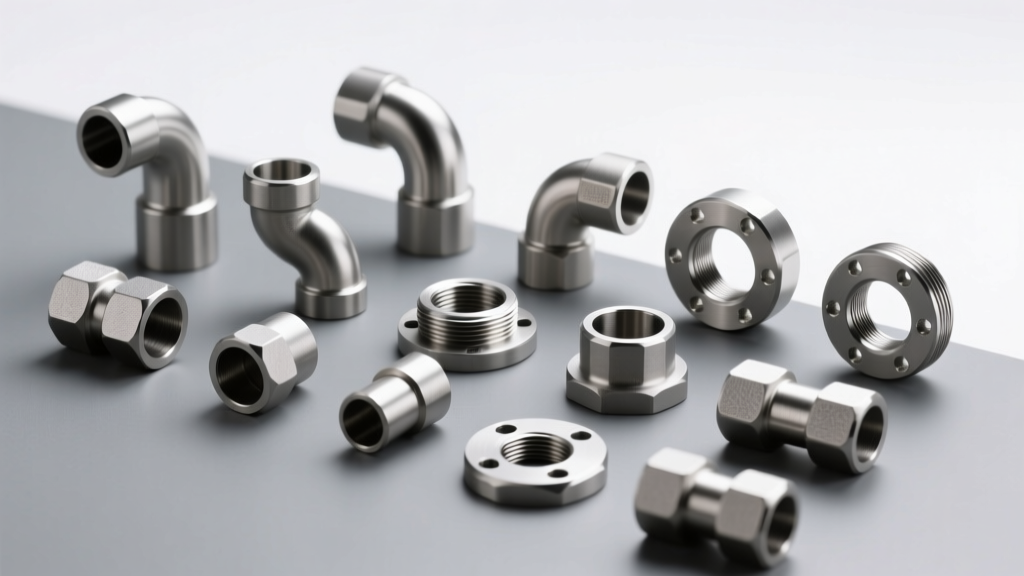
Types of Water Purification Systems
Industrial water purification systems utilize advanced technologies to remove contaminants and ensure water meets strict quality standards for various applications. From pharmaceuticals to food production, the right purification method is critical for safety, efficiency, and regulatory compliance. Below is a detailed overview of the most common industrial water purification systems, including their working principles, advantages, and ideal use cases.
Reverse Osmosis (RO) Systems
RO systems are among the most effective and widely used water purification technologies. They operate by applying high pressure to force water through a semi-permeable membrane, which filters out dissolved salts, ions, heavy metals, microorganisms, and organic contaminants. This process produces exceptionally pure water and is capable of removing up to 99% of impurities.
Advantages
- High removal efficiency for dissolved solids and contaminants
- Effective for desalination (e.g., seawater to freshwater)
- Widely applicable across industries
- Produces consistent, high-purity water
Limitations
- Requires significant energy input
- Produces wastewater (reject stream)
- Pre-filtration often needed to protect membranes
- Slower flow rates compared to other methods
Best for: Electronics manufacturing, pharmaceuticals, food & beverage, seawater desalination, boiler feedwater
Ultraviolet (UV) Purifiers
UV purification systems use short-wavelength ultraviolet light (typically 254 nm) to disrupt the DNA of bacteria, viruses, and other pathogens, rendering them inactive and unable to reproduce. This non-chemical disinfection method is highly effective and does not alter the taste, odor, or chemical composition of water.
Advantages
- Chemical-free disinfection
- No change in water taste or pH
- Instant treatment with no contact time required
- Low maintenance and operational costs
Limitations
- Does not remove chemical contaminants or particles
- Requires pre-filtration for turbid water
- Effectiveness depends on UV transmittance and lamp intensity
- No residual disinfection effect
Best for: Hospitals, laboratories, pharmaceutical facilities, drinking water systems, and sterile process water
Deionization (DI) Systems
Deionization systems use ion-exchange resins to remove charged ions—such as calcium, magnesium, chloride, and sulfate—from water. The process involves cation and anion exchange resins that replace undesirable ions with hydrogen (H⁺) and hydroxide (OH⁻) ions, which combine to form pure H₂O. DI systems are often used after RO to achieve ultra-pure water.
Advantages
- Produces extremely high-purity water (resistivity up to 18.2 MΩ·cm)
- Removes ionic contaminants effectively
- Essential for sensitive analytical and manufacturing processes
- No wastewater generation during operation
Limitations
- Does not remove non-ionic or organic contaminants
- Resins require periodic regeneration or replacement
- Higher operational cost over time
- Sensitive to fouling from particulates or organics
Best for: Semiconductor fabrication, pharmaceutical production, laboratory reagents, and high-purity steam generation
Microfiltration & Ultrafiltration (MF/UF)
MF and UF are membrane-based filtration technologies that separate suspended particles, colloids, bacteria, and large viruses based on size. Microfiltration removes particles down to 0.1 microns, while ultrafiltration can filter down to 0.01 microns. These systems are commonly used as pre-treatment for RO or as standalone clarification systems.
Advantages
- Effective removal of bacteria and suspended solids
- No chemicals required
- High flow rates and low operating pressure
- Ideal for pre-treatment and turbidity reduction
Limitations
- Does not remove dissolved ions or small molecules
- Membranes prone to fouling without proper pre-filtration
- Periodic cleaning and maintenance required
- Limited effectiveness against viruses (especially MF)
Best for: Dairy processing, brewing, bottled water production, wastewater reuse, and RO pre-treatment
Carbon Filtration Systems
Activated carbon filters use highly porous carbon media to adsorb chlorine, chloramines, volatile organic compounds (VOCs), pesticides, and substances that affect taste and odor. The large surface area of activated carbon provides excellent chemical adsorption capacity, making it a vital component in both municipal and industrial water treatment.
Advantages
- Highly effective at removing chlorine and organic chemicals
- Improves taste, odor, and color of water
- Protects downstream equipment (e.g., RO membranes)
- Low pressure drop and energy consumption
Limitations
- Does not remove dissolved inorganic salts or microorganisms
- Carbon beds can harbor bacterial growth if not maintained
- Requires periodic replacement or reactivation
- Performance declines as adsorption sites become saturated
Best for: Municipal water treatment, food & beverage processing, pre-treatment for RO/DI, and point-of-use systems
| System Type | Primary Function | Contaminants Removed | Water Purity Level | Common Applications |
|---|---|---|---|---|
| Reverse Osmosis (RO) | Membrane filtration under pressure | Dissolved solids, ions, heavy metals, microbes | High purity (90–99% removal) | Desalination, food & beverage, electronics |
| Ultraviolet (UV) | Disinfection via UV light | Bacteria, viruses, pathogens | Biologically safe water | Hospitals, labs, drinking water |
| Deionization (DI) | Ion exchange | Salts, minerals, ionic contaminants | Ultra-high purity (18.2 MΩ·cm) | Semiconductors, pharma, research |
| Micro/ Ultrafiltration | Size-based membrane filtration | Particles, colloids, bacteria | Clarified, particle-free water | Dairy, brewing, pre-treatment |
| Carbon Filtration | Chemical adsorption | Chlorine, VOCs, taste/odor compounds | Improved sensory quality | Municipal treatment, pre-treatment, flavor control |
Expert Tip: For optimal water purity in critical applications, consider combining multiple technologies—such as RO + DI + UV—to create a multi-barrier treatment system that addresses a broad spectrum of contaminants.
Specifications and Maintenance for Industrial Water Purification Systems
Industrial water purification systems are essential for ensuring clean, safe, and process-ready water across a wide range of sectors—including pharmaceuticals, food and beverage, semiconductor manufacturing, and power generation. Understanding the technical specifications of these systems ensures optimal performance and compliance with industry standards, while consistent maintenance enhances equipment longevity, reduces downtime, and maintains water quality.
Key Specifications to Consider
Flow Rate
The flow rate—measured in gallons per minute (GPM) or liters per hour (LPH)—is a critical specification that determines how much water a purification system can process within a given timeframe. This directly impacts the system’s suitability for specific industrial applications.
For example, high-flow systems are essential in bottling plants or cooling processes, where large volumes of purified water are needed continuously. Undersized systems may lead to bottlenecks, while oversized units can result in unnecessary energy consumption and higher capital costs. Selecting the right flow rate requires careful assessment of peak demand, operational cycles, and future scalability needs.
Purity Levels
Water purity is defined by the removal of specific contaminants such as dissolved solids, organic matter, bacteria, viruses, and heavy metals. Different purification technologies achieve varying levels of purity:
- Reverse Osmosis (RO): Removes up to 99% of dissolved salts, ions, and particles.
- Ultraviolet (UV) Disinfection: Targets microorganisms without altering chemical composition.
- Deionization (DI): Produces ultra-pure water by removing ionized minerals, ideal for laboratories and electronics.
Industries like pharmaceuticals require water meeting USP or WFI standards, while semiconductor manufacturing demands Type I ultrapure water. Accurate specification of required purity ensures regulatory compliance and process reliability.
Energy Consumption
Energy efficiency is a growing priority in industrial operations due to rising utility costs and sustainability goals. High-pressure systems like RO consume significant energy, but modern designs incorporate energy recovery devices (ERDs) that can reduce energy use by up to 60%.
When evaluating systems, compare specific energy consumption (kWh per cubic meter) across models. Systems with variable frequency drives (VFDs), smart controls, and low-pressure membranes offer improved efficiency. Investing in energy-efficient technology not only lowers operating costs but also reduces environmental impact and supports green certifications.
Durability and Material Construction
Industrial environments demand robust equipment capable of withstanding continuous operation, high pressures, and aggressive water chemistries. The materials used in construction significantly influence system lifespan and resistance to corrosion.
Common materials include:
- Stainless Steel (SS304/SS316): Resistant to corrosion and ideal for high-purity or saline environments.
- Reinforced Polyvinyl Chloride (RPVC): Lightweight and cost-effective for low-pressure applications.
- Corrosion-Resistant Alloys: Used in harsh conditions involving chlorides or acidic feedwater.
Proper material selection prevents premature degradation, especially when treating water with high TDS, chlorine, or fluctuating pH levels.
| Specification | Importance | Selection Guidelines |
|---|---|---|
| Flow Rate | High | Match system capacity to peak demand; include 20–30% buffer for future expansion |
| Target Purity (e.g., TDS, TOC, CFU) | High | Align with industry standards (e.g., ASTM, ISO, USP); specify required contaminant removal |
| Energy Efficiency | Medium–High | Prioritize systems with ERDs, VFDs, and low-pressure membranes for RO |
| Material Compatibility | High | Select stainless steel or specialty alloys for corrosive feedwater; verify seal compatibility |
Essential Maintenance Practices
Important: Always adhere to the manufacturer’s maintenance manual and industry regulations (e.g., FDA, EPA, ISO). Skipping maintenance or using non-OEM parts can lead to system failure, compromised water quality, and voided warranties. Proactive care not only protects your investment but also ensures uninterrupted, safe, and compliant water production.
Applications in Commercial Settings for Water Purification Systems
Water purification systems play a vital role across numerous commercial and industrial sectors, ensuring access to water that meets strict quality standards for production, safety, and regulatory compliance. Whether used as a critical ingredient, processing medium, cleaning agent, or dilution solvent, purified water directly impacts product integrity, operational efficiency, and environmental responsibility.
Key Insight: The required level of water purity varies significantly by industry—from sterile, pharmaceutical-grade water to high-purity rinse water in electronics manufacturing. Selecting the appropriate purification technology is essential to meet application-specific demands and regulatory benchmarks.
Pharmaceutical Industry
In pharmaceutical manufacturing, water is not just a utility—it's a foundational component in drug formulation, sterilization, and quality assurance. Water for Injection (WFI) is one of the most stringent water quality standards globally, requiring endotoxin-free, sterile, and pyrogen-free water for parenteral medications and biologics.
- Used as a solvent in injectable drugs, eye drops, and intravenous solutions
- Generates pure steam for sterilizing equipment and cleanroom environments
- Produced via advanced methods like multiple-effect distillation (MED), vapor compression distillation (VCD), and reverse osmosis (RO) followed by electrodeionization (EDI)
- Must comply with pharmacopoeial standards such as USP, EP, and JP
Regulatory Note: Continuous monitoring and validation are required to ensure microbial and chemical purity in WFI systems.
Food and Beverage Industry
Water is a primary ingredient in beverages and food products, significantly influencing taste, texture, shelf life, and safety. A reliable water filter system ensures consistency in flavor, prevents contamination, and supports hygiene in processing environments.
- Essential in brewing beer, producing soft drinks, bottled water, and dairy products
- Microfiltration and ultrafiltration remove bacteria, yeast, and particulates from milk and juices
- Reverse osmosis adjusts mineral content to achieve desired water profiles for brewing and flavor consistency
- Critical for Clean-in-Place (CIP) systems to prevent biofilm formation and ensure sanitation
Quality Impact: Impurities such as chlorine, iron, or hardness can alter taste and cause scaling in processing equipment.
Semiconductor Manufacturing
The semiconductor industry demands ultra-high-purity water—commonly referred to as deionized (DI) water or ultrapure water (UPW)—to prevent microscopic contamination during silicon wafer fabrication. Even trace levels of ions or particles can compromise chip performance.
- Used for rinsing wafers after etching, cleaning, and photolithography steps
- Requires removal of ionic contaminants, organic compounds, colloidal silica, and bacteria
- Produced using multi-stage processes: reverse osmosis → ion exchange → UV oxidation → ultrafiltration → degasification
- Must meet standards such as SEMI F63 for electronic-grade water
Precision Requirement: Resistivity levels often exceed 18.2 MΩ·cm, indicating near-zero ion content.
Hospitals and Healthcare Facilities
In healthcare settings, water quality is directly linked to patient safety and infection control. Purified water is essential for dialysis, surgical instrument reprocessing, laboratory testing, and pharmaceutical compounding.
- Reverse osmosis systems produce water for hemodialysis, where impurities can cause serious health complications
- UV disinfection and RO systems eliminate pathogens like Legionella and Pseudomonas from potable water supplies
- WFI systems support sterile compounding in hospital pharmacies
- Water used in endoscopes and surgical tools must be free of microbes and particulates
Critical Concern: Poor water quality can lead to healthcare-associated infections (HAIs), making purification systems a cornerstone of infection prevention.
Mining and Mineral Processing
The mining industry consumes vast quantities of water for ore extraction, flotation, leaching, and dust suppression. Water purification is essential not only for process efficiency but also for environmental protection and regulatory compliance.
- Reverse osmosis and nanofiltration treat process water to remove heavy metals (e.g., arsenic, lead, mercury) and dissolved solids
- Chemical precipitation and filtration systems recover valuable minerals and neutralize acidic runoff (acid mine drainage)
- Zero Liquid Discharge (ZLD) systems enable water recycling and minimize environmental impact
- Treated water can be safely discharged or reused in operations, reducing freshwater dependency
Sustainability Focus: Advanced water treatment supports ESG (Environmental, Social, and Governance) goals by reducing pollution and conserving resources.
| Industry | Primary Use of Purified Water | Key Purification Technologies | Quality Standards |
|---|---|---|---|
| Pharmaceutical | Drug formulation, WFI, sterile steam | Distillation, RO, EDI, ultrafiltration | USP, EP, JP, FDA cGMP |
| Food & Beverage | Ingredient, flavor control, sanitation | RO, microfiltration, UV, carbon filtration | FDA, NSF, HACCP |
| Semiconductor | Wafer rinsing, equipment cleaning | RO, ion exchange, UV, ultrafiltration | SEMI F63, ASTM D5127 |
| Healthcare | Dialysis, instrument cleaning, lab use | RO, UV, deionization, ultrafiltration | AAMI, ISO 13959, USP |
| Mining | Process water, effluent treatment, reuse | RO, chemical precipitation, ZLD systems | EPA, local environmental regulations |
Additional Considerations Across Industries
- System Scalability: Commercial purification systems must be designed to scale with production demands and seasonal fluctuations.
- Automation & Monitoring: Real-time sensors for conductivity, TOC (Total Organic Carbon), and flow rates ensure consistent water quality.
- Energy Efficiency: Modern systems incorporate energy-recovery devices, especially in RO and distillation units, to reduce operational costs.
- Maintenance Requirements: Regular filter changes, membrane cleaning, and system validation are critical to sustained performance.
- Regulatory Compliance: Industries must adhere to strict water quality regulations enforced by agencies like the FDA, EPA, and OSHA.
Professional Recommendation: When advising commercial clients, assess not only current water needs but also future expansion plans, regulatory trends, and sustainability goals. A well-designed water purification system enhances product quality, reduces downtime, and supports long-term operational resilience.
Water Purification System Import Considerations
Importing industrial water purification systems involves navigating a complex web of international shipping regulations, customs requirements, and environmental standards. A thorough understanding of these elements is essential not only for legal compliance but also to ensure smooth logistics, avoid costly delays, and maintain budgetary control. Whether you're sourcing equipment for municipal use, industrial processing, or commercial facilities, this guide outlines the key considerations for a successful import operation.
Important Notice: Non-compliance with import regulations can result in shipment seizures, financial penalties, or forced re-exportation. Always verify local laws with official customs authorities or a licensed trade consultant before finalizing any international purchase.
Customs Regulations and Documentation
Successfully clearing customs hinges on accurate and complete documentation. Industrial water purification systems are subject to strict scrutiny due to their technical nature and potential environmental impact. Importers must prepare a comprehensive set of documents to facilitate smooth customs clearance.
- Bill of Lading (B/L): Serves as the legal contract between the shipper and carrier, detailing the goods, origin, destination, and terms of transport.
- Commercial Invoice: Provides a detailed breakdown of the transaction, including product descriptions, quantities, unit prices, total value, and payment terms. This document is critical for customs valuation.
- Certificate of Origin: Confirms the manufacturing country of the system, which may affect tariff rates under trade agreements like USMCA, EU trade pacts, or ASEAN frameworks.
- Packing List: Specifies the contents of each package, including weight, dimensions, serial numbers (if applicable), and internal configuration of the system components.
- Import License or Permit: Required in some countries for high-value or regulated industrial equipment.
- Technical Specifications and User Manuals: May be requested by customs to assess product classification and safety compliance.
Errors or omissions in documentation can lead to extended delays, inspections, or rejection at the port of entry. It is advisable to work with a customs broker familiar with industrial machinery imports.
Tariffs and Duties
Tariffs and import duties significantly influence the total landed cost of water purification systems. These charges vary widely based on several factors:
- HS Code Classification: Water treatment systems typically fall under HS codes 8421.21 (filters for liquids) or 8421.39 (other purification equipment), but exact classification depends on system type (RO, UV, filtration, etc.). Misclassification can lead to incorrect duty assessments.
- Country of Origin: Bilateral or multilateral trade agreements may reduce or eliminate duties. For example, systems manufactured in countries with free trade agreements may qualify for preferential rates.
- System Value and Components: Duties are often calculated as a percentage of the CIF (Cost, Insurance, and Freight) value. High-tech components like membranes, sensors, or automated controls may attract different rates.
Importers should request a duty estimate from customs authorities or use online tariff lookup tools before placing orders. Engaging in pre-shipment classification rulings can also provide certainty and prevent disputes.
Expert Tip: Consider negotiating Incoterms such as DDP (Delivered Duty Paid) with your supplier to shift responsibility for tariffs and customs clearance to the seller—though this may increase the initial purchase price.
Compliance with Local Standards
Water purification systems must meet stringent local safety, health, and performance standards to be legally sold or operated. Non-compliant systems may be denied entry or require costly retrofitting.
- Drinking Water Safety: In the U.S., systems must comply with NSF/ANSI Standards 58 (RO), 55 (UV), or 42/53 (filtration). In the EU, adherence to EN 13820 or WRAS (UK) may be required.
- Electrical and Mechanical Safety: Equipment must meet local electrical codes (e.g., UL, CE, CCC) and may require third-party certification.
- Energy Efficiency: Some regions enforce energy performance standards (e.g., EU Ecodesign Directive) that impact pump motors and control systems.
- Material Restrictions: Systems in contact with potable water must use non-toxic, lead-free materials compliant with regulations like AB1953 (California) or Lead-Free Compliance (U.S. Safe Drinking Water Act).
Always verify certification requirements with local regulatory bodies before importing. Suppliers should provide valid test reports and compliance certificates.
Handling Delays and Lead Times
Importing industrial water treatment equipment often involves extended lead times due to manufacturing, shipping, and customs processing. Proactive planning is essential to avoid project disruptions.
- Shipping Methods: Sea freight is common for large systems but can take 4–8 weeks, including port handling. Air freight is faster but significantly more expensive.
- Customs Inspections: High-value or regulated equipment may be subject to physical inspections, adding days or weeks to clearance.
- Port Congestion: Global supply chain issues can delay vessel arrivals and container retrieval.
- Local Infrastructure: Remote destinations may have limited port facilities or require special handling equipment.
To mitigate risks, importers should:
- Build buffer time into project schedules (add 2–3 weeks for customs and inland transport).
- Partner with experienced freight forwarders and customs brokers who specialize in industrial machinery.
- Track shipments in real-time and maintain open communication with all logistics providers.
- Pre-clear documentation before the shipment arrives at the destination port.
Environmental Regulations
Environmental compliance is a growing concern in the import of water filter machines and related systems. Many countries regulate the materials used in construction, waste generation, and end-of-life disposal.
- RoHS (EU) and similar directives: Restrict the use of hazardous substances like lead, mercury, cadmium, and certain flame retardants in electrical and electronic components.
- REACH (EU): Requires disclosure of chemical substances used in manufacturing.
- WEEE (EU) and e-waste laws: May require importers to register and participate in recycling programs for electronic components within the system.
- Plastic and Packaging Waste: Some countries impose fees or restrictions on non-recyclable packaging materials used in shipping.
Importers should ensure that suppliers provide material declarations and comply with environmental standards. Being transparent with customs authorities about materials and disposal plans can prevent compliance issues and support sustainable business practices.
| Import Stage | Key Requirements | Risks of Non-Compliance | Recommended Actions |
|---|---|---|---|
| Pre-Shipment | HS code classification, export documentation, compliance certifications | Delays, reclassification, fines | Obtain pre-shipment classification; verify supplier certifications |
| Customs Clearance | Accurate invoices, bills of lading, permits | Inspections, storage fees, seizure | Use a licensed customs broker; double-check all documents |
| Tariff Payment | Correct duty calculation, payment method | Penalties, interest charges | Request duty estimate; budget for additional fees |
| Post-Import | Installation compliance, environmental reporting | Fines, operational shutdown | Ensure local installation meets codes; retain compliance records |
Pro Tip: Maintain a comprehensive import compliance file for each shipment, including all documentation, correspondence, and certification copies. This supports audits, warranty claims, and future import planning.
Final Recommendations
- Consult with a trade compliance specialist or customs broker early in the procurement process.
- Verify that the supplier offers technical support and spare parts availability in your region.
- Factor in installation, training, and commissioning costs when calculating total project expenses.
- Stay updated on changes in trade policies, especially for high-tariff or politically sensitive regions.
- Consider local assembly or CKD (Completely Knocked Down) kits to reduce import duties and support local job creation.
Successfully importing industrial water purification systems requires careful coordination across legal, logistical, and technical domains. By prioritizing compliance, planning for delays, and partnering with reliable suppliers and service providers, importers can ensure timely delivery and long-term operational success of their water treatment infrastructure.
Frequently Asked Questions About Industrial Water Purification Systems
Q1: Which water purification system is the most suitable for a large manufacturing plant?Reverse Osmosis (RO) systems are widely considered the most suitable option for large manufacturing facilities due to their scalability, efficiency, and ability to process high volumes of water consistently. RO technology excels at removing a broad spectrum of contaminants, including dissolved salts, heavy metals, nitrates, sulfates, organic chemicals, and microorganisms, making it ideal for industrial applications where water purity directly impacts product quality and operational safety.
Modern industrial RO systems are engineered with high-permeability membranes that enhance water recovery rates and reduce energy consumption. These systems can be customized based on feedwater quality, required flow rates (ranging from thousands to millions of gallons per day), and specific industry needs such as pharmaceutical production, food and beverage processing, or boiler feedwater preparation.
- Scalability: RO systems can be modularly expanded to meet growing demand.
- Contaminant Removal: Effective at eliminating up to 99% of dissolved solids and harmful impurities.
- Integration: Often combined with pre-treatment (e.g., multimedia filtration, softening) and post-treatment (e.g., UV disinfection, deionization) for comprehensive purification.
For optimal performance, regular monitoring of pressure, flux rate, and membrane fouling is essential. Proper maintenance ensures long-term reliability and cost-effective operation in demanding industrial environments.
Q2: Are there any particular certifications that industrial water purification systems must have?Yes, certifications play a critical role in verifying the safety, performance, and regulatory compliance of industrial water purification systems. Reputable certifications ensure that equipment meets rigorous testing standards for material safety, structural integrity, and contaminant reduction claims.
The most recognized and widely accepted certifications include:
| Certification | Issuing Body | Key Focus | Relevance to Industry |
|---|---|---|---|
| NSF/ANSI 61 | NSF International | Health effects of products contacting drinking water | Ensures materials won't leach harmful substances into water—mandatory for systems used in food, beverage, or potable water applications. |
| NSF/ANSI 58 | NSF International | Performance of reverse osmosis systems | Validates RO system efficiency in reducing specific contaminants like arsenic, nitrate, and TDS. |
| NSF/ANSI 42 & 53 | NSF International | Aesthetic effects (42) and health-related contaminants (53) | Relevant for carbon filtration and multi-stage systems treating organic compounds and chlorine. |
| WQA Gold Seal | Water Quality Association | Product performance and material safety | Recognized globally; indicates third-party testing and adherence to industry best practices. |
| CE Marking | European Union | Safety, health, and environmental protection | Required for systems sold or operated in EU countries. |
Having these certifications not only ensures regulatory compliance but also enhances credibility with auditors, clients, and stakeholders—especially in highly regulated sectors such as pharmaceuticals, healthcare, and food processing.
Q3: What is the average lifespan of an industrial water purification system?The lifespan of an industrial water purification system varies significantly depending on the technology used, operating conditions, maintenance schedule, and water quality. With proper care, most systems can deliver reliable service for many years, but individual components may require periodic replacement.
- Reverse Osmosis (RO) Systems: 10–15 years. High-quality RO membranes typically last 3–5 years under optimal conditions, while pressure vessels, pumps, and controls can last over a decade with routine servicing.
- Ultrafiltration (UF) & Microfiltration (MF) Membranes: 5–7 years. These hollow-fiber or flat-sheet membranes are sensitive to fouling and require regular cleaning; lifespan depends heavily on pre-treatment effectiveness and feedwater quality.
- UV Disinfection Systems: 10+ years. The chamber and electronics are durable, but UV lamps should be replaced annually, and quartz sleeves cleaned regularly to maintain germicidal efficiency.
- Carbon Filtration Systems: 10–15 years. Activated carbon media typically needs replacement every 6–12 months depending on chlorine/chloramine levels and organic load, while tanks and valves last much longer.
Key factors influencing system longevity include:
- Maintenance Regimen: Scheduled filter changes, chemical cleanings, and performance logging extend life.
- Feedwater Quality: Hard water, high turbidity, or microbial content accelerates wear and scaling.
- Operating Hours: Continuous 24/7 operation reduces component lifespan compared to intermittent use.
Implementing a preventive maintenance program and using condition-monitoring tools (e.g., SDI testers, online turbidity sensors) helps maximize system uptime and return on investment.
Q4: How does one determine which water purification system is appropriate for their company?Selecting the right industrial water purification system requires a comprehensive evaluation of several interrelated factors to ensure technical suitability, regulatory compliance, and cost-effectiveness. The decision should be based on data-driven analysis rather than assumptions.
Key considerations include:
- Water Quality Analysis: Conduct a full water test to identify contaminants (e.g., TDS, hardness, iron, silica, organics, bacteria). This determines whether technologies like RO, deionization, or UV are necessary.
- Flow Rate & Demand: Assess peak and average water usage (in GPM or m³/h) to size the system correctly. Undersized systems lead to bottlenecks; oversized ones increase capital and energy costs.
- End-Use Requirements: Different applications require different purity levels:
- Boiler feedwater → Low silica and hardness
- Pharmaceuticals → USP Purified Water or WFI standards
- Food & Beverage → NSF-compliant, taste/odor control
- Electronics → Ultra-pure water with resistivity >18 MΩ·cm
- Regulatory & Industry Standards: Compliance with FDA, EPA, cGMP, or ISO standards may dictate system design and validation requirements.
- Budget & ROI: Consider both upfront costs and long-term operating expenses (energy, consumables, labor). Energy recovery devices in RO systems, for example, can reduce power use by up to 60%.
- Footprint & Integration: Evaluate available space and compatibility with existing plumbing, automation systems, and waste disposal.
To make an informed decision, it's highly recommended to consult with experienced water treatment engineers or system integrators. They can perform pilot testing, conduct feasibility studies, and recommend tailored solutions that balance performance, reliability, and lifecycle costs.
Q5: Do industrial water purification systems work well energy-wise?Modern industrial water purification systems are increasingly designed with energy efficiency in mind, especially as operational costs and sustainability goals become more critical. While some processes like reverse osmosis are inherently energy-intensive, technological advancements have significantly improved efficiency across the board.
Energy-saving features and technologies include:
- Energy Recovery Devices (ERDs) in RO Systems: Devices such as isobaric chambers or turbochargers can recover 90–98% of the hydraulic energy from the concentrate stream, reducing overall energy consumption by 50% or more.
- High-Efficiency Pumps & Variable Frequency Drives (VFDs): VFDs adjust pump speed based on demand, avoiding unnecessary energy use during low-flow periods.
- Low-Pressure Membranes: Advanced UF and NF membranes operate at lower pressures, reducing power requirements without sacrificing performance.
- UV LED Technology: Emerging UV-LED systems consume less power than traditional mercury-vapor lamps and have longer lifespans, reducing maintenance and energy costs.
- Smart Controls & Automation: Real-time monitoring and adaptive control systems optimize chemical dosing, cleaning cycles, and shutdown procedures to minimize waste and energy use.
Additionally, integrating renewable energy sources (e.g., solar-powered pumps) or heat recovery systems (for thermal purification methods) can further enhance sustainability. When properly designed and maintained, today’s industrial water purification systems offer a strong balance between high performance and energy efficiency—leading to lower operating costs and reduced environmental impact.