Types of Waist Belt Fasteners
A waist belt fastener is a crucial component in both fashion and functional apparel, serving to secure belts around the waist while contributing to style, comfort, and ease of use. These fasteners come in various designs and materials, each suited to different types of clothing, lifestyles, and user needs.
Choosing the right fastener depends on several factors including the type of garment, level of durability required, aesthetic preferences, and practical functionality. Whether for formal wear, outdoor gear, or adaptive clothing, understanding the different types can help you make an informed decision that enhances both comfort and convenience.
Metal Buckles
Made from durable materials like aluminum, stainless steel, or brass, metal buckles are known for their strength and timeless appeal.
Advantages
- High durability and resistance to wear
- Classic, elegant appearance ideal for formal and leather belts
- Resistant to deformation under pressure
- Available in polished, brushed, or antique finishes
Limitations
- Heavier than plastic or fabric alternatives
- Potential to corrode or tarnish over time (depending on material)
- Higher production and replacement cost
Best for: Leather belts, formal attire, military uniforms, workwear, and heavy-duty applications
Plastic Buckles
Constructed from high-strength polymers, plastic buckles offer a lightweight and economical solution for everyday and casual use.
Advantages
- Lightweight and comfortable for extended wear
- Cost-effective for mass production
- Available in a wide range of colors, shapes, and designs
- Resistant to rust and corrosion
Limitations
- Less durable under extreme stress or heavy loads
- Can become brittle with age or UV exposure
- Perceived as less premium compared to metal
Best for: Casual belts, children's clothing, sportswear, and budget-friendly fashion accessories
Sliding Buckles (Cinch Buckles)
Also known as paracord or side-release buckles, sliding buckles allow for quick adjustment and secure fastening using a simple slide mechanism.
Advantages
- Easy one-handed adjustment and release
- Ideal for dynamic tension requirements
- Commonly used in tactical, outdoor, and utility gear
- Available in both plastic and metal variants
Limitations
- May loosen over time with heavy movement
- Less formal appearance
- Can snag on fabric or equipment
Best for: Woven belts, backpacks, tactical gear, athletic wear, and adjustable waistbands
Magnetic Buckles
Utilizing strong magnetic force, these innovative fasteners provide seamless attachment with minimal effort.
Advantages
- Extremely easy to fasten and unfasten (ideal for one-handed use)
- Excellent for users with limited dexterity or arthritis
- Sleek, modern design with no visible prongs or holes
- Quick adjustments without repositioning the belt
Limitations
- Magnets may weaken over time or with exposure to heat
- Not suitable for heavy-duty or high-tension applications
- Potential interference with electronic devices (e.g., pacemakers)
Best for: Adaptive clothing, senior-friendly apparel, smart belts, and minimalist fashion designs
Prong Buckles
The most traditional and widely recognized belt fastener, the prong buckle features a metal pin that inserts through pre-punched holes in the belt strap.
Advantages
- Highly secure and reliable when properly fitted
- Timeless design suitable for formal and casual wear
- Easy to replace or repair
- Compatible with most leather and synthetic belts
Limitations
- Limited to fixed hole positions (less precise fit)
- Holes can stretch or tear over time
- Requires two hands for adjustment in most cases
Best for: Dress belts, everyday leather belts, office wear, and classic fashion statements
| Fastener Type | Durability | Style | Ease of Use | Best Application |
|---|---|---|---|---|
| Metal Buckles | Excellent | Classic/Elegant | Good | Formal wear, leather belts, work uniforms |
| Plastic Buckles | Good | Casual/Versatile | Very Good | Children's clothing, sportswear, budget belts |
| Sliding Buckles | Very Good | Functional/Modern | Excellent | Tactical gear, outdoor wear, adjustable straps |
| Magnetic Buckles | Fair to Good | Modern/Minimalist | Excellent | Adaptive clothing, smart belts, accessibility-focused designs |
| Prong Buckles | Very Good | Timeless/Traditional | Good | Dress belts, everyday use, formal attire |
Expert Tip: For enhanced longevity, pair metal prong buckles with reinforced leather belts and avoid over-tightening to prevent hole stretching. When using magnetic buckles, ensure they are securely aligned to maintain consistent hold throughout the day.
Fashion Trends for Wade Belt Fastener
As a key accessory in modern fashion, the Wade belt fastener has evolved beyond mere functionality into a statement of personal style. Seasonal trends and innovative design advancements continuously shape how these fasteners are used across casual, formal, and outdoor wear. Today’s consumers not only demand reliability but also seek aesthetic harmony between their belt fasteners and daily ensembles.
Minimalist Designs
Understated Elegance
Minimalist design continues to dominate contemporary fashion, emphasizing clean lines, subtle finishes, and functional simplicity. Wade belt fasteners in this category often feature matte metals like brushed steel or satin-finish aluminum, or smooth, untextured plastics that blend seamlessly with streamlined wardrobes.
These designs avoid ornate detailing, focusing instead on precision engineering and ergonomic form. Their neutral appearance makes them highly versatile—equally suitable for tailored trousers, athleisure wear, or minimalist denim outfits.
Function-Driven Aesthetics
The minimalist trend reflects a broader shift toward purposeful design. Fasteners are engineered to be intuitive, easy to use, and durable without drawing attention. This functional elegance appeals to professionals, urban commuters, and eco-conscious consumers who value longevity over fleeting trends.
By reducing visual clutter, minimalist fasteners allow other elements of an outfit—such as footwear or outerwear—to take center stage, creating balanced, cohesive looks.
Eco-Friendly Materials
Sustainable Innovation
With growing awareness of environmental impact, many fashion brands are reimagining belt fasteners using sustainable materials. Wade fasteners now incorporate bioplastics derived from renewable sources such as cornstarch, sugarcane, or algae-based polymers, which significantly reduce carbon footprint compared to traditional petroleum-based plastics.
Recycled metals and bio-based polyesters are also being used to create durable, corrosion-resistant fasteners that maintain high performance while supporting circular fashion principles.
Consumer Demand & Brand Responsibility
Eco-conscious consumers are driving demand for transparent sourcing and low-impact manufacturing. Brands that highlight recyclability, compostability, or closed-loop production processes gain trust and loyalty.
Labels indicating certifications like Cradle to Cradle or TÜV OK Compost help buyers make informed choices. As sustainability becomes a core value rather than a niche preference, eco-friendly fasteners are transitioning from trend to standard.
Unconventional Shapes
Beyond the Rectangle
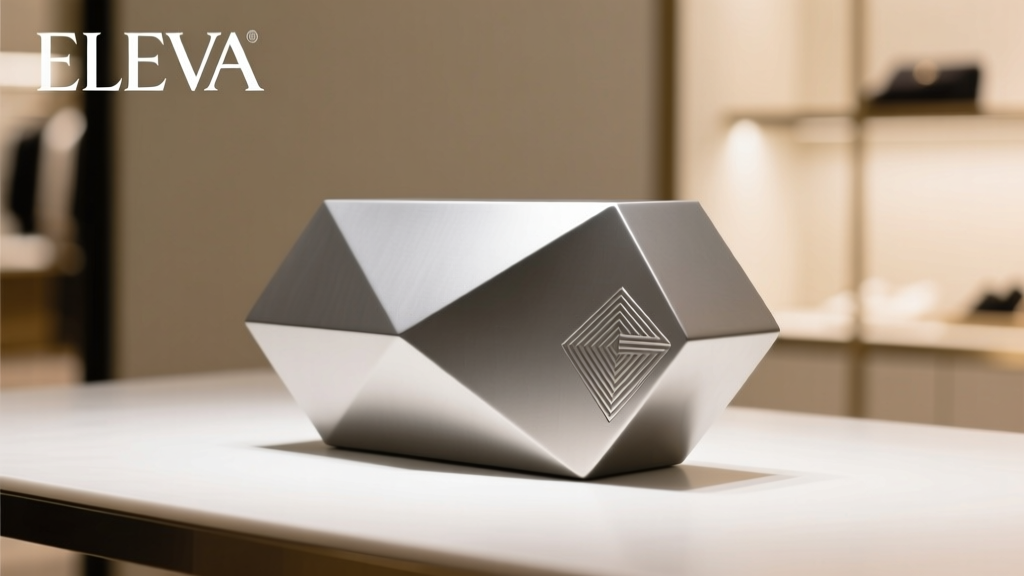
Gone are the days when belt buckles were limited to standard rectangular or oval shapes. Designers are embracing bold geometry—circular, triangular, hexagonal, and asymmetrical forms—to transform the fastener into a focal point of the outfit.
These unconventional silhouettes challenge traditional norms and allow wearers to express individuality. For example, a circular fastener might evoke retro-futurism, while angular designs suggest modernist architecture.
Statement Accessories
Unique shapes turn the belt fastener into a wearable art piece. Paired with solid-colored belts or neutral outfits, they create visual interest and serve as conversation starters.
Fashion houses are experimenting with 3D printing and laser cutting to produce intricate, lightweight structures that would be impossible with conventional tooling, further pushing the boundaries of form and function.
Mix-and-Match Fasteners
Customizable Style
One of the most exciting developments in belt fashion is the rise of modular, interchangeable fasteners. Wade systems now support quick-swap mechanisms that allow users to change fasteners in seconds—no tools required.
This flexibility lets individuals adapt their look to different occasions: a sleek black fastener for work, a colorful geometric one for weekend outings, or a metallic finish for evening events.
Cost-Effective Versatility
Instead of buying multiple belts, consumers can invest in one high-quality belt strap and several fasteners. This reduces waste and supports a "less is more" philosophy in personal styling.
Brands are releasing themed collections—seasonal, limited edition, or collaborative designs—encouraging users to build a curated wardrobe of fasteners that reflect evolving tastes and moods.
Vintage-Inspired Fasteners
Retro Revival
Nostalgia continues to influence fashion, with vintage aesthetics making a strong comeback. Wade fasteners are drawing inspiration from iconic eras—particularly the 1980s and 1990s—with reimagined side-release buckles, oversized metal plates, and rugged outdoor motifs.
These retro designs are updated with modern materials and improved ergonomics, offering the charm of the past with today’s durability and comfort.
Cultural & Artistic Motifs
Beyond decade-specific styles, vintage-inspired fasteners often incorporate tribal patterns, engraved logos, or ornate filigree reminiscent of Western, military, or artisanal traditions.
When paired with contemporary cuts and fabrics, these elements create a compelling contrast—honoring heritage while remaining fashion-forward. They appeal to those seeking depth and storytelling in their accessories.
| Trend | Key Features | Ideal For |
|---|---|---|
| Minimalist Designs | Clean lines, matte finishes, functional simplicity | Professional wear, urban fashion, capsule wardrobes |
| Eco-Friendly Materials | Bioplastics, recycled metals, compostable components | Sustainable fashion, outdoor gear, ethical consumers |
| Unconventional Shapes | Geometric, circular, asymmetrical forms | Statement outfits, creative professionals, fashion events |
| Mix-and-Match Fasteners | Interchangeable, modular, tool-free attachment | Versatile styling, travelers, trend-conscious users |
| Vintage-Inspired Fasteners | Retro buckles, ornate metalwork, nostalgic motifs | Casual wear, heritage fashion, collectors |
Pro Tip: When selecting a Wade belt fastener, consider both aesthetics and practicality. Ensure compatibility with your belt strap, ease of use, and long-term durability. Whether you're embracing minimalism or making a bold statement, the right fastener enhances not only your outfit but also your confidence and comfort throughout the day.
How to Choose a Waist Belt Fastener
Selecting the right waist belt fastener is a crucial decision that impacts both the functionality and aesthetic appeal of a garment. The ideal fastener must balance durability, adjustability, material compatibility, and visual design to meet the demands of the intended use—whether for fashion, performance, or industrial applications. Understanding these key factors empowers buyers and manufacturers to make informed, value-driven choices.
Durability & Material Strength
The environment in which the garment will be used determines the required strength and resilience of the fastener. High-stress applications demand robust materials, while everyday wear can accommodate lighter options.
- Steel, aluminum, or stainless steel: Ideal for industrial workwear, military uniforms, or outdoor gear exposed to harsh conditions. These metals resist corrosion, maintain structural integrity under load, and offer long-term reliability.
- Reinforced plastics (e.g., nylon or ABS): Suitable for casual or low-impact use. They are lightweight, cost-effective, and resistant to rust, making them perfect for children's clothing or sportswear.
- Coated or anodized finishes: Enhance wear resistance and prevent tarnishing, especially in humid or corrosive environments.
Key consideration: Always match the fastener’s tensile strength to the expected stress level of the application.
Adjustability & Functional Fit
A well-designed fastener should allow for precise sizing adjustments, ensuring comfort and security across a range of body types or layering scenarios.
- Sliding buckles (side-release or ladder-lock): Offer continuous adjustability and quick release—ideal for tactical gear, backpacks, or performance apparel.
- Prong buckles: Provide secure, incremental adjustments and are commonly used in formal and casual belts. Multiple holes allow fine-tuning of fit.
- Magnetic or snap closures: Enable easy one-handed operation, beneficial for adaptive clothing or users with limited dexterity.
Pro tip: For activewear or uniforms requiring consistent fit, consider ratchet-style or auto-locking sliders that prevent loosening during movement.
Garment Material Compatibility
The fabric and construction of the garment should guide the choice of fastener to ensure both structural harmony and visual cohesion.
- Leather or heavy-duty canvas: Best paired with metal buckles (brass, steel, or chrome) that complement the material’s weight and texture while providing secure anchoring.
- Synthetic textiles (polyester, nylon, spandex): Work well with plastic or lightweight alloy fasteners that won’t damage the fabric or add unnecessary bulk.
- Delicate or stretch fabrics: Require low-profile fasteners with smooth edges to prevent snagging or deformation.
Critical factor: Ensure the fastener’s attachment method (stitching loops, rivets, or webbing slots) aligns with the garment’s construction technique.
Aesthetic & Design Integration
The fastener often serves as a focal point on a belt or waistband, contributing significantly to the overall style and brand identity.
- Formal wear: Polished metal prong buckles in silver, gold, or gunmetal finishes convey elegance and sophistication. Engraved or minimalist designs enhance refinement.
- Casual or streetwear: Bold, textured, or vintage-inspired buckles (antique brass, skull motifs, or logo plates) add personality and visual interest.
- Performance or utilitarian styles: Sleek, low-profile fasteners in matte black or tactical colors prioritize function without sacrificing modern appeal.
Smart choice: Coordinate finish and color with other hardware (zippers, buttons) for a cohesive look.
Professional Recommendation: When in doubt, opt for mid-range metal buckles with protective coatings for a balance of durability, aesthetics, and cost-efficiency. For high-volume production, consider modular fasteners that can be used across multiple product lines to reduce inventory complexity and tooling costs.
| Application Type | Recommended Fastener | Material Suggestion | Key Benefits |
|---|---|---|---|
| Formal Suit Belts | Prong Buckle | Polished Brass or Steel | Elegant appearance, secure hold, timeless design |
| Outdoor & Tactical Gear | Side-Release Slider | Reinforced Nylon or Aluminum | Quick adjustment, high strength, weather-resistant |
| Casual Denim Belts | Standard Prong or Magnetic | Stainless Steel or Coated Alloy | Durable, stylish, easy to use |
| Children's Clothing | Plastic Snap or Hook-and-Loop | ABS Plastic or Polyester | Safe, lightweight, simple for self-dressing |
| Adaptive & Medical Wear | Magnetic or Touch-Fasten | Soft-Touch Polymer or Magnetic Alloy | Accessible, no dexterity required, discreet |
Additional Considerations
- Weight: Heavier fasteners may sag or strain lightweight fabrics; always consider the weight-to-strength ratio.
- Safety: Rounded edges and smooth surfaces prevent skin irritation or injury, especially in children’s or athletic wear.
- Environmental Impact: Recyclable metals and bio-based plastics support sustainable manufacturing practices.
- Customization: Engraving, color-matching, or logo integration can enhance brand value and customer loyalty.
- Regulatory Compliance: In certain industries (e.g., firefighting, aviation), fasteners must meet specific safety standards (e.g., flame resistance, non-magnetic properties).
Waist Belt Fastener Specifications and Maintenance
Understanding the technical specifications and proper maintenance practices for waist belt fasteners is essential for ensuring durability, safety, and long-term performance. Whether used in industrial safety harnesses, tactical gear, outdoor equipment, or everyday fashion accessories, the right fastener selection and care can significantly extend product life and reduce replacement costs. Manufacturers and users alike benefit from informed decisions based on material properties, environmental resistance, and correct handling procedures.
Important Note: Fastener failure can lead to serious safety risks, especially in load-bearing or safety-critical applications. Always inspect fasteners regularly and replace any that show signs of wear, deformation, or structural compromise.
Material Types and Performance Characteristics
The performance of a waist belt fastener is largely determined by its construction material, design, and intended use environment. Below is a detailed breakdown of the most common fastener types and their key attributes:
| Fastener Type | Strength & Durability | Environmental Resistance | Best Use Cases | Lifespan (Estimated) |
|---|---|---|---|---|
| Metal (Steel, Aluminum, Zinc Alloy) | High tensile strength; supports heavy loads | Prone to rust if uncoated; painted variants less heat-resistant | Industrial harnesses, military gear, climbing equipment | 3–7 years with proper care |
| Plastic (Nylon, Polypropylene, ABS) | Moderate strength; can crack under excessive pressure | Resistant to moisture and corrosion; degrades under UV exposure | Everyday belts, sportswear, lightweight tactical gear | 2–5 years depending on usage |
| Fabric/Woven (Sliding Buckles, Paracord) | Low structural strength; relies on friction and weave integrity | Wears quickly when exposed to abrasion or moisture | Casual wear, adjustable straps, DIY projects | 1–3 years with frequent use |
Key Factors Influencing Fastener Performance
- Material Composition: High-grade metals like stainless steel offer superior corrosion resistance, while aluminum provides a lightweight alternative with moderate strength.
- Thermal Resistance: Painted or coated metal fasteners may degrade at elevated temperatures (above 150°F/65°C), making them unsuitable for high-heat environments.
- Tensile Strength: Measured in pounds or newtons, this determines the maximum load a fastener can withstand before failure.
- Energy Efficiency: Refers to how well the fastener maintains structural integrity under repeated stress cycles without deformation.
- Belt Compatibility: Fasteners must match belt width and thickness to ensure secure locking and smooth operation.
Comprehensive Maintenance Guidelines
Proper maintenance is critical to maximizing the lifespan and reliability of waist belt fasteners. Follow these best practices based on material type:
- Regular Cleaning
- For metal fasteners: Wipe with a soft, damp cloth to remove dust and grime. Avoid harsh chemical cleaners that can damage finishes or protective coatings.
- For plastic fasteners: Use a soft brush or microfiber cloth to clean grooves and moving parts. Rinse with water if needed, but allow thorough drying before reuse.
- For fabric-based fasteners: Hand wash with mild soap and air dry completely to prevent mold or fiber weakening.
- Moisture Management
- Always store metal fasteners in a dry, low-humidity environment to prevent oxidation and rust formation.
- After exposure to water (e.g., rain, sweat), dry metal components immediately with a clean towel.
- Avoid prolonged storage in damp bags or containers where condensation can accumulate.
- Lubrication (Metal Fasteners Only)
- Apply a minimal amount of silicone-based lubricant or dry Teflon spray to hinges or moving parts if stiffness occurs.
- Never use oil-based lubricants—they attract dust and debris, leading to gumming and reduced functionality.
- Over-lubrication can cause stickiness and compromise fastener operation—less is more.
- Handling and Installation
- Exercise care when installing plastic fasteners—avoid excessive force that could cause cracking or warping.
- Ensure alignment is correct before securing; misaligned fasteners increase stress on joints and reduce lifespan.
- Do not modify fasteners (e.g., drilling, bending) as this compromises structural integrity.
Expert Tip: Conduct a monthly inspection of all fasteners—check for cracks, corrosion, loose parts, or difficulty in engagement. Early detection of wear can prevent unexpected failures and enhance user safety.
Manufacturer Recommendations for Longevity
- Design fasteners with protective coatings (e.g., anodizing, powder coating) to improve resistance to wear and environmental factors.
- Provide clear care instructions with products to educate end-users on proper maintenance.
- Use UV-stabilized plastics in outdoor applications to reduce degradation from sunlight exposure.
- Implement quality control testing for tensile strength and cycle durability before market release.
- Encourage end-of-life recycling programs for metal and plastic components to support sustainability.
By selecting the appropriate fastener type for the application and adhering to recommended maintenance protocols, both manufacturers and users can significantly improve product reliability and reduce waste. Investing time in proper care not only enhances performance but also promotes safety, especially in critical-use scenarios. When in doubt about a fastener’s condition or compatibility, consult the manufacturer or replace the component to ensure continued protection and functionality.
Frequently Asked Questions About Waist Belt Fasteners
Q1: Which metal is commonly used for making waist belt fasteners, and why this metal?Stainless steel is the most widely used metal in the production of waist belt fasteners due to its exceptional combination of durability and corrosion resistance. These properties make it ideal for applications where the fastener may be exposed to moisture, sweat, or frequent washing—common conditions for belts used in outdoor, workwear, or athletic apparel.
Beyond its strength, stainless steel maintains its appearance over time, resisting rust and tarnishing even under harsh environmental conditions. It also offers excellent tensile strength, ensuring that the buckle can endure repeated stress without deforming. For high-performance or industrial-grade belts, 304 or 316-grade stainless steel is often selected for enhanced longevity and reliability.
Q2: Are there any waist belt fasteners made of eco-friendly materials?Yes, an increasing number of manufacturers are responding to consumer demand for sustainable fashion by producing waist belt fasteners from eco-friendly and recyclable materials. These include:
- Recycled metals: Reclaimed stainless steel or aluminum reduces the need for virgin ore extraction and lowers carbon emissions.
- Bio-based plastics: Derived from renewable resources like cornstarch or sugarcane, these bioplastics offer a lower environmental footprint compared to petroleum-based polymers.
- Recycled ocean plastics: Some brands use plastic recovered from marine environments, helping reduce ocean pollution while creating functional hardware.
- Natural fiber composites: Innovative blends of plant-based fibers with biodegradable resins are being explored for lightweight, compostable fasteners.
Certifications such as Cradle to Cradle or Global Recycled Standard help identify truly sustainable options. As environmental awareness grows, eco-conscious fasteners are becoming more accessible across casual, outdoor, and even premium fashion markets.
Q3: What is the most significant factor that should be considered when selecting a waist belt fastener for industrial wear?Durability is the paramount consideration when choosing a waist belt fastener for industrial or occupational clothing. Workers in construction, manufacturing, or utility fields rely on their gear to perform safely and consistently under extreme conditions—including exposure to heat, moisture, chemicals, abrasion, and heavy physical stress.
An ideal industrial fastener must:
- Resist deformation under tension or impact
- Maintain structural integrity after repeated use
- Withstand exposure to oils, solvents, UV radiation, and temperature fluctuations
- Remain functional even when dirty or wet
Materials like reinforced nylon, stainless steel, or glass-filled polyamide are commonly used in these settings. Additionally, safety standards such as ANSI or EN compliance may dictate specific performance requirements for fasteners used in protective workwear.
Q4: What are the most popular material choices for waist belt fasteners in childrenswear?In children's clothing, the most common materials for waist belt fasteners are plastic and woven fabric-based closures. These are favored for several practical and safety-related reasons:
- Lightweight design: Plastic buckles add minimal weight, making garments more comfortable for active kids.
- Safety: Smooth, rounded edges reduce the risk of scratches or injuries during play.
- Ease of use: Large, easy-grip buckles help young children learn to dress themselves independently.
- Washability: Both plastic and fabric fasteners hold up well to frequent laundering and resist staining.
- Versatility: Available in a wide range of colors and fun designs, they appeal to both kids and parents.
High-impact polymers like ABS or polypropylene are often used for plastic fasteners due to their toughness and flexibility. Fabric slides and hook-and-loop (e.g., Velcro®) systems are also common, especially in toddler wear, offering simple adjustability and secure closure without sharp components.
Q5: Are all waist belt fasteners adjustable?No, not all waist belt fasteners are adjustable. Adjustability depends on the type and design of the fastening mechanism:
| Fastener Type | Adjustable? | Description |
|---|---|---|
| Prong Buckles | Yes | The most common adjustable style; allows multiple hole settings for precise fit customization. |
| Sliding Buckles (Parachute Clips) | Yes | Gliding mechanism enables continuous adjustment and quick release. |
| Hook-and-Loop (Velcro®) | Yes | Offers infinite adjustability within range and is easy to use, especially for children. |
| Fixed Frame Buckles | No | Integrated into the belt with no sizing flexibility; often found on elastic waistbands. |
| Clip Fasteners (Magnetic or Snap) | Limited | May offer one or two fixed positions; primarily designed for convenience, not fine-tuning. |
When selecting a belt, especially for growing children or variable layering, choosing an adjustable fastener ensures long-term comfort and usability. Always check the closure type to determine whether it supports size adaptation over time.