Fashion keychains have evolved from simple functional tools into bold personal statements. Whether dangling from a handbag, attached to a zipper, or carried as a standalone accessory, these small but significant items reflect style, personality, and taste. However, constant exposure to hands, pockets, and environmental elements means they accumulate dirt, oils, and tarnish quickly. Without proper care, even the most luxurious keychain can lose its luster within months.
This comprehensive guide breaks down best practices for cleaning and maintaining every major type of fashion keychain—leather, metal, enamel, fabric, and mixed materials. From daily upkeep to seasonal deep cleaning, you’ll learn how to preserve both appearance and integrity over time.
Understanding Keychain Materials and Their Needs
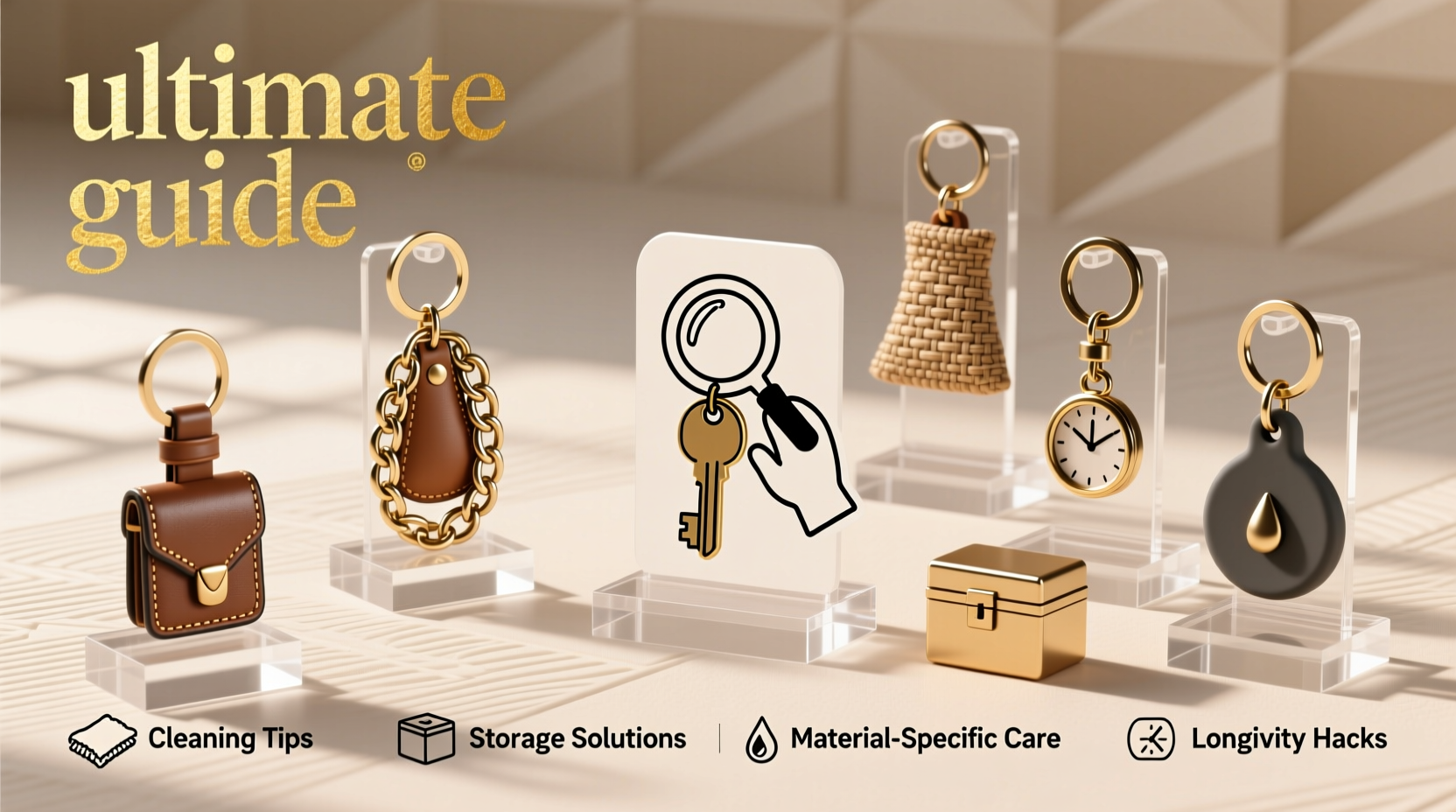
Fashion keychains are made from a wide range of materials, each with unique vulnerabilities and care requirements. Recognizing what your keychain is made of is the first step toward effective maintenance.
- Leather: Prone to drying, cracking, and staining. Requires conditioning and protection from moisture.
- Metal (brass, stainless steel, silver): Susceptible to tarnish, oxidation, and scratches. Needs polishing and dry storage.
- Enamel: Delicate finish that can chip or fade. Should be cleaned gently without abrasives.
- Fabric or woven textiles: Absorb oils and odors. Must be spot-cleaned or hand-washed carefully.
- Mixed media (e.g., leather + metal charms): Requires multi-step care tailored to each component.
Daily Maintenance and Preventive Care
Prevention is far more effective than restoration. A few simple habits can dramatically extend the life and beauty of your keychains.
- Wash hands before handling: Skin oils accelerate tarnishing on metals and stain porous materials like leather and fabric.
- Avoid water exposure: Never wear your keychain while washing hands, swimming, or in humid environments like saunas.
- Rotate usage: Frequently used keychains degrade faster. Rotate between several to reduce wear on any single piece.
- Remove during household chores: Cleaning agents, solvents, and abrasive surfaces can damage finishes irreversibly.
Storing your keychain properly when not in use is equally important. Keep them in individual soft pouches or lined compartments to prevent scratching and tangling.
Step-by-Step Cleaning by Material Type
Cleaning methods must be tailored to the material. Using the wrong technique can cause permanent damage.
Leather Keychains
- Remove from keys and wipe surface with a dry microfiber cloth.
- Use a damp (not wet) cloth with a drop of pH-balanced leather cleaner.
- Gently rub in circular motions, focusing on soiled areas.
- Wipe clean with a dry cloth and allow to air-dry away from direct heat.
- Once dry, apply a thin layer of leather conditioner to prevent cracking.
Metal Keychains (Brass, Silver, Stainless Steel)
- Soak in warm water with mild dish soap for 5 minutes.
- Use a soft-bristled toothbrush to gently scrub crevices and engravings.
- Rinse under lukewarm water and pat dry immediately with a lint-free cloth.
- For tarnished silver or brass, use a jewelry polishing cloth (do not use liquid polish on plated metals).
- Store in an anti-tarnish pouch or ziplock bag with a silica gel packet.
Enamel and Painted Finishes
- Dampen a cotton swab with distilled water or a 50/50 mix of water and isopropyl alcohol.
- Lightly dab stained areas—never rub, to avoid chipping.
- Wipe with a dry microfiber cloth.
- Never submerge or expose to heat.
Fabric or Woven Keychains
- Spot-clean with a soft cloth dampened with mild detergent solution.
- Blot, don’t scrub, to prevent fraying.
- Rinse the cloth frequently to avoid spreading grime.
- Allow to air-dry flat, away from sunlight to prevent fading.
Care Comparison Table: Do’s and Don’ts by Material
| Material | Do’s | Don’ts |
|---|---|---|
| Leather | Condition quarterly, wipe with dry cloth, store in dust bag | Submerge in water, use alcohol wipes, expose to sunlight |
| Metal | Polish with soft cloth, store in anti-tarnish bag, clean monthly | Use bleach, leave wet, scratch with rough surfaces |
| Enamel | Dab clean with water, store separately, handle gently | Scrub, soak, or expose to high heat |
| Fabric | Spot-clean, air-dry flat, rotate use | Machine wash, wring out, iron |
| Mixed Media | Treat each part individually, disassemble if possible | Apply one method to all components |
Expert Insight: Longevity Through Consistency
“Most people overlook keychains because they’re small, but consistent care makes a huge difference. A well-maintained keychain can last decades—even as a vintage collectible.” — Lila Chen, Accessory Conservation Specialist at The Fashion Archive
Chen emphasizes that the value of fashion keychains often increases over time, especially limited editions or designer pieces. “Proper care isn’t just about appearance—it’s about preserving investment and sentiment,” she adds.
Real Example: Reviving a Vintage Leather Key Fob
Sophia, a vintage accessory collector in Portland, inherited a 1970s Gucci-style leather keychain from her grandmother. Initially stiff and deeply stained, she avoided using it due to its condition. After researching proper techniques, she gently cleaned it with a leather-specific wipe, conditioned it with beeswax balm, and stored it in a breathable cotton pouch. Over six months of monthly care, the leather softened, regained its natural grain, and now serves as her favorite everyday accessory. “It feels like carrying a piece of family history,” she says. “And it looks better than when I first got it.”
Essential Care Checklist
Keep this checklist handy for monthly maintenance:
- ☐ Inspect for loose charms, stitching, or corrosion
- ☐ Wipe down with appropriate cloth (microfiber for metal, dry for leather)
- ☐ Clean metal parts with a polishing cloth
- ☐ Condition leather components if dry or cracked
- ☐ Spot-clean fabric or enamel areas as needed
- ☐ Store in protective pouch or compartment
- ☐ Rotate with other keychains to reduce wear
Frequently Asked Questions
Can I use household cleaners on my metal keychain?
No. Common cleaners like Windex, bleach, or vinegar are too harsh and can strip plating or accelerate corrosion. Stick to mild soap and water or specialized jewelry cleaners.
How often should I clean my fashion keychain?
Light surface wiping should be done weekly. A deeper clean—depending on material—is recommended every 4–6 weeks for frequently used pieces, or monthly for occasional ones.
What if my keychain has gemstones or crystals?
Handle with extra caution. Avoid soaking or scrubbing. Use a slightly damp microfiber cloth and dry immediately. Ultrasonic cleaners can loosen adhesives, so avoid unless specified as safe by the manufacturer.
Final Thoughts: Small Habits, Lasting Impact
Fashion keychains may be compact, but their impact on your overall look—and emotional connection to your belongings—is significant. With minimal effort, regular attention, and the right techniques, you can keep them looking vibrant and new for years. Whether it’s a sentimental gift, a luxury splurge, or a quirky statement piece, every keychain deserves thoughtful care.
💬 Have a favorite cleaning hack or a cherished keychain story? Share your experience in the comments and inspire others to treat their small luxuries with the care they deserve!