In the world of everyday accessories, keychains have evolved from simple metal rings into personal style statements. Recently, fluffy sheepskin keychains have surged in popularity—adorable, soft, and undeniably Instagram-worthy. But as the trend grows, so does the debate: are these plush accessories merely a passing fad, or do they offer real advantages over traditional metal keychains? To answer that, we need to look beyond aesthetics and examine function, durability, comfort, and long-term value.
The Rise of the Fluffy Keychain
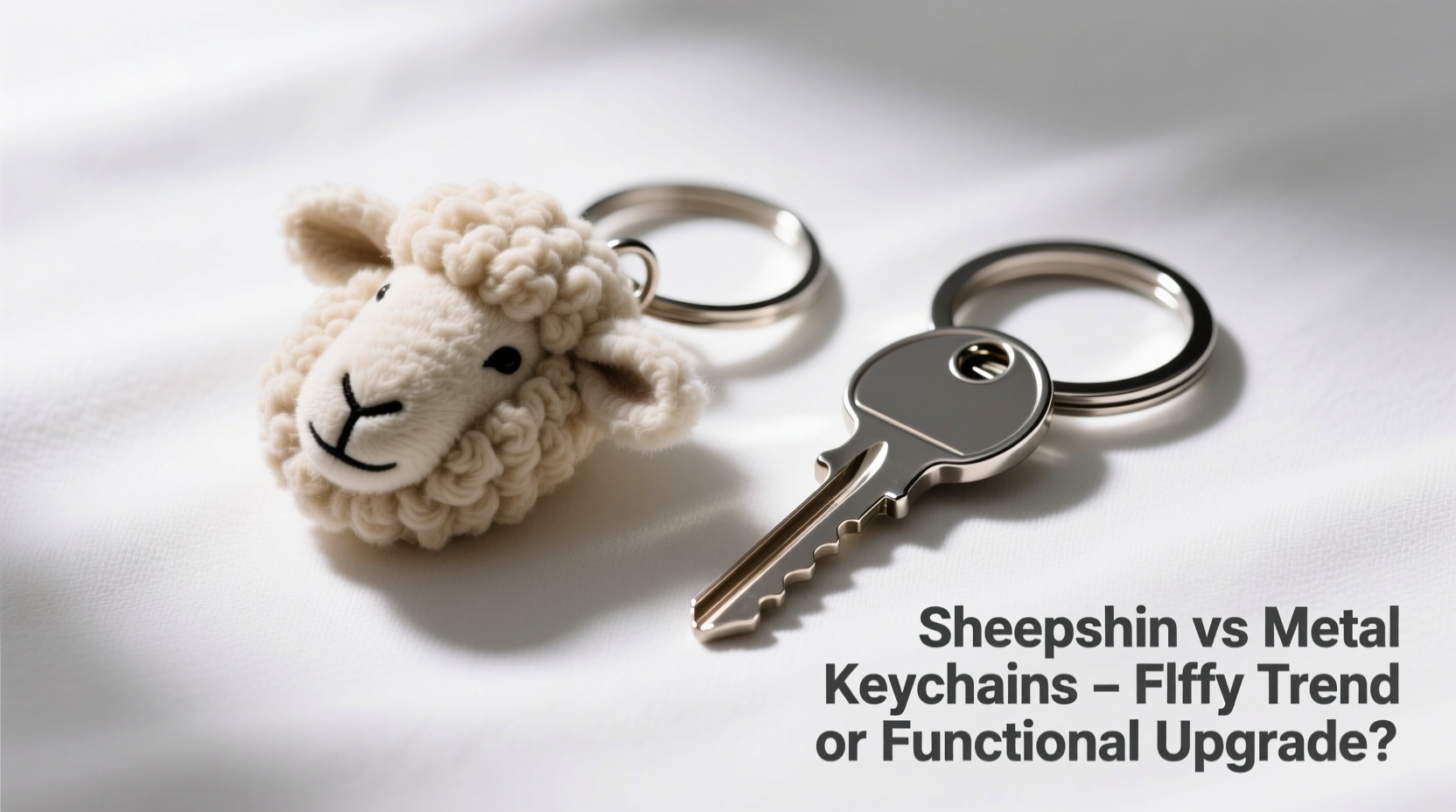
Sheepskin keychains emerged from South Korea and Japan, where kawaii (cute) culture heavily influences fashion and lifestyle products. These small, cloud-like accessories quickly gained traction on social media platforms like TikTok and Instagram, often paired with designer bags or dangling from minimalist keys. Their appeal is immediate—soft texture, warm color palettes, and a tactile experience that contrasts sharply with cold metal.
But trends fade. What separates a fleeting accessory from a lasting upgrade is utility. While metal keychains have stood the test of time due to their strength and simplicity, sheepskin versions bring something different to the table: sensory comfort and protection.
Tip: If you frequently carry keys in your pocket, a sheepskin cover can prevent scratches and reduce discomfort from sharp edges.Material Showdown: Sheepskin vs Metal
To understand which option performs better, let’s break down the core characteristics of each material.
| Feature | Sheepskin Keychains | Metal Keychains |
|---|---|---|
| Durability | Moderate – sensitive to moisture, friction, and prolonged sun exposure | High – resistant to wear, impact, and environmental factors |
| Comfort | Excellent – soft texture, no sharp edges | Poor – hard, cold, can dig into skin or fabric |
| Weight | Light – adds minimal heft | Heavy – especially with multiple keys or large charms |
| Weather Resistance | Low – wool absorbs moisture and can mildew | High – stainless steel and alloys resist rust and corrosion |
| Aesthetic Appeal | High – trendy, customizable, expressive | Moderate – classic, but limited visual variety |
| Maintenance | Regular brushing, occasional spot cleaning | Wipe clean; virtually maintenance-free |
This comparison shows a clear trade-off: metal wins in durability and resilience, while sheepskin excels in comfort and personalization.
When Sheepskin Makes Sense
For individuals who prioritize tactile experience—such as those with sensory sensitivities or people who carry keys in pockets—sheepskin offers tangible benefits. The soft exterior prevents scratches on phones, fabrics, and skin. It also muffles the jingle of metal keys, making it ideal for quiet environments or minimalist lifestyles.
“Tactile feedback plays a bigger role in daily satisfaction than most realize. A pleasant touch point—like a soft keychain—can subtly improve mood and reduce stress.” — Dr. Lena Park, Behavioral Designer & Sensory Product Consultant
Real-World Use: A Mini Case Study
Sophia, a graphic designer in Vancouver, switched to a sheepskin keychain after years of using a standard metal ring. She often carried her keys in her jeans pocket alongside her phone and wallet. Over time, she noticed deep scratches on her phone case and discomfort when sitting. After attaching a small sheepskin charm, she found the keys no longer shifted abrasively, and her phone remained unmarked. “It’s not just cute,” she says. “It actually solves a problem I didn’t know I had.”
However, during a rainy week in November, her keychain absorbed moisture and developed a faint odor. She learned the importance of keeping it dry—prompting her to switch to a water-resistant silicone-lined version later.
This example illustrates both the functional benefit and the limitation of sheepskin: high comfort with moderate care requirements.
Are Fluffy Keychains Just a Trend?
The term “trend” often carries a dismissive tone, implying short-lived popularity without substance. But many enduring innovations start as trends. Consider denim jackets, hoodies, or even smartphones—once seen as novelties, now staples.
Fluffy keychains may have entered the scene through social media hype, but their staying power depends on whether they solve real problems. In this case, they address three overlooked issues:
- Physical discomfort from rigid metal edges.
- Noise pollution caused by clinking keys.
- Lack of personal expression in utilitarian objects.
While not essential, sheepskin keychains enhance user experience in subtle but meaningful ways. That doesn’t make them superior in every context—but it does suggest they’re more than just decoration.
Expert Care Tips for Longevity
To get the most out of a sheepskin keychain, proper maintenance is crucial. Unlike metal, natural wool requires attention to remain fresh and functional.
Tip: Never machine wash a sheepskin keychain. Instead, gently brush the fibers with a soft comb and spot-clean with a damp cloth and mild soap.Step-by-Step: How to Maintain Your Sheepskin Keychain
- Inspect weekly for dirt buildup or matting.
- Use a small pet brush or soft toothbrush to fluff the fibers and restore volume.
- Spot clean stains with a microfiber cloth dampened with water and a drop of gentle detergent.
- Air dry completely away from direct heat or sunlight.
- Store in a breathable pouch when not in use, especially in humid climates.
With consistent care, a quality sheepskin keychain can last 1–2 years—longer than many assume.
Checklist: Choosing the Right Keychain for You
Not sure which type suits your lifestyle? Use this checklist to decide:
- ✅ Do you carry keys in your pocket or bag with delicate items? → Sheepskin reduces scratches.
- ✅ Do you live in a rainy or humid climate? → Metal or synthetic-coated options may be better.
- ✅ Are you sensitive to noise or texture? → Sheepskin offers quiet, soft handling.
- ✅ Do you prefer low-maintenance accessories? → Metal requires almost no upkeep.
- ✅ Is personal style important to you? → Sheepskin allows for creative expression.
- ✅ Do you frequently drop or expose keys to impact? → Metal withstands drops better.
Frequently Asked Questions
Can sheepskin keychains get wet?
Occasional light moisture won’t ruin them, but prolonged exposure to water can cause the wool to mat, discolor, or develop mildew. If it gets wet, blot dry immediately and air-dry at room temperature. Avoid heat sources like hairdryers.
Do metal keychains damage other items?
Yes. Uncovered metal keys can scratch phones, glasses, leather bags, and fabric linings. This is one area where sheepskin clearly outperforms metal by acting as a protective buffer.
Are sheepskin keychains ethical?
Most are made from sheared sheepskin—a byproduct of the meat industry—meaning no animals are raised solely for keychains. Look for brands that specify sustainable sourcing or use recycled wool blends if ethical concerns are important to you.
Conclusion: Function Meets Feeling
The debate between sheepskin and metal keychains isn’t about declaring a single winner—it’s about matching the tool to the task. Metal remains the gold standard for durability and reliability, especially in rugged or wet conditions. But sheepskin brings something rare to the everyday: comfort, silence, and a touch of warmth in an otherwise impersonal object.
Fluffy keychains aren’t just a trend—they’re a response to a growing desire for human-centered design. When functionality includes how something feels in your hand or pocket, soft materials earn their place. They may not replace metal entirely, but they’ve proven they belong in the conversation.
💬 What’s on your keyring? Share your choice and why it works for you—we’d love to hear what makes your everyday easier.