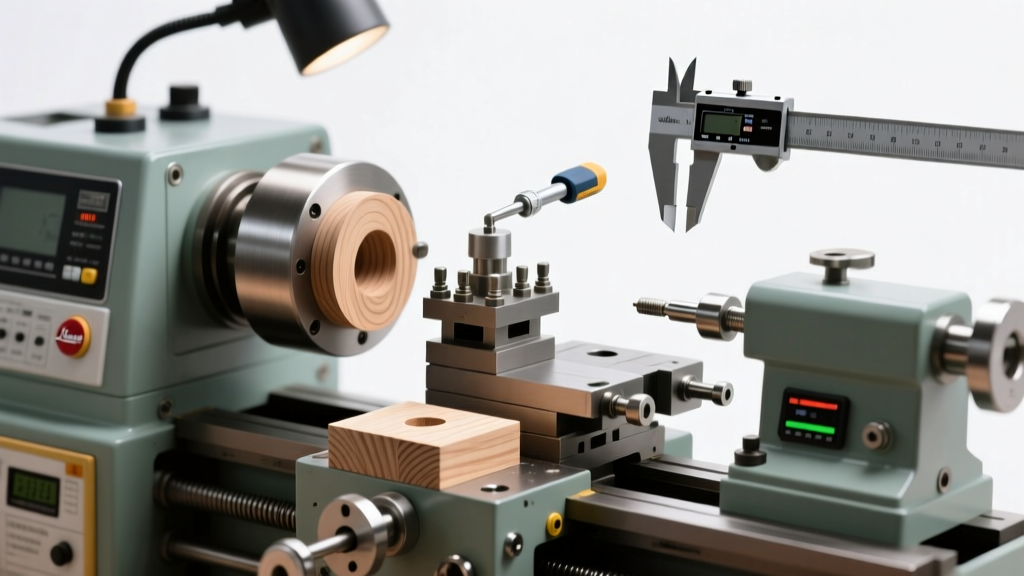
Types of Shaped Molding Machinery
Shaped molding machinery plays a critical role in modern manufacturing, enabling the production of precise and consistent components across industries such as automotive, construction, packaging, and consumer goods. Instrument suppliers offer these machines in bulk to retailers and resellers worldwide, driven by growing demand for efficient, scalable production solutions. Below is a detailed overview of the most popular types of shaped molding equipment, their applications, and key considerations for buyers.
Extrusion Dies
Extrusion dies are essential tools used in both metal and plastic processing to shape liquid or semi-liquid materials into continuous profiles with precise cross-sectional geometries.
Advantages
- High precision in profile shaping
- Suitable for continuous production
- Versatile for metals, plastics, and composites
- Cost-effective for high-volume output
Limitations
- Limited to constant cross-sections
- Tooling can be expensive for complex profiles
- Requires consistent material flow control
Best for: Window frames, pipes, rails, automotive trim, and structural components
Injection Molding Machines
These machines produce a vast range of plastic products by injecting molten plastic into precision molds under high pressure, enabling rapid mass production of complex parts.
Advantages
- High production speed and repeatability
- Excellent detail and dimensional accuracy
- Wide range of material compatibility
- Available in electric, hydraulic, and hybrid models
Limitations
- High initial tooling cost
- Energy-intensive operation
- Not ideal for very large or hollow parts
Best for: Toys, electronic housings, automotive interiors, medical devices, and consumer products
Compression Molding Machines
This process involves placing pre-measured material into a heated mold cavity, which is then closed and subjected to heat and pressure to form the final shape.
Advantages
- Ideal for thermosetting plastics and composites
- Low residual stress in finished parts
- Cost-effective for medium-volume production
- Available in hydraulic, mechanical, and vacuum-assisted models
Limitations
- Slower cycle times compared to injection molding
- Less precision for intricate details
- Manual loading can reduce automation potential
Best for: Electrical insulators, gaskets, appliance components, and high-strength composite parts
Rotational Molding Machines
Also known as rotomolding, this method creates hollow, seamless plastic parts by rotating a mold while heating it, ensuring even material distribution.
Advantages
- Perfect for large, hollow, and complex shapes
- Low tooling and equipment cost
- Uniform wall thickness
- Ideal for low to medium production volumes
Limitations
- Long cycle times
- Limited material options
- Lower dimensional precision
Best for: Storage tanks, containers, buoys, playground equipment, and agricultural vessels
Blow Molding Machines
Blow molding is used to manufacture hollow plastic parts by inflating a heated plastic tube (parison) inside a mold to form the desired shape.
Advantages
- High-speed production of hollow containers
- Two main types: extrusion and stretch blow molding
- Excellent for bottles, jugs, and fuel tanks
- Scalable from small to industrial sizes
Limitations
- Limited to hollow parts only
- Wall thickness variation possible
- Requires precise temperature and pressure control
Best for: Beverage bottles, detergent containers, chemical tanks, and automotive fluid reservoirs
| Machinery Type | Primary Materials | Production Speed | Ideal Part Type | Best For |
|---|---|---|---|---|
| Extrusion Dies | Plastics, Metals, Composites | High (continuous) | Profiles with constant cross-section | Construction, automotive trim, piping |
| Injection Molding | Thermoplastics, Elastomers | Very High | Complex solid parts | Toys, electronics, car interiors |
| Compression Molding | Thermosets, Composites | Moderate | Durable solid parts | Insulators, gaskets, industrial components |
| Rotational Molding | HDPE, LLDPE, Nylon | Low to Moderate | Large hollow parts | Tanks, containers, outdoor equipment |
| Blow Molding | PET, HDPE, PP | High | Hollow containers | Bottles, jugs, packaging |
Expert Tip: When sourcing molding machinery for resale, consider offering bundled packages with compatible molds and auxiliary equipment (like dryers or robots) to increase value for small manufacturers and startups.
Market Insight: Demand for energy-efficient electric and hybrid injection molding machines is rising due to stricter environmental regulations and lower operational costs, making them a smart inventory choice for forward-thinking retailers.
Industry Applications of Shaped Molding Machinery
Shaped molding machinery plays a pivotal role in modern manufacturing, enabling businesses across diverse sectors to produce high-quality, consistent, and cost-effective components. These machines utilize various molding techniques—such as injection molding, blow molding, compression molding, and extrusion—to transform raw materials like plastics, metals, and glass into precise, complex shapes at scale. Below is a detailed exploration of how key industries leverage shaped molding technology to meet production demands, ensure product consistency, and maintain competitive advantage.
Automotive Industry
Key Applications
- Dashboards, instrument panels, and interior trims via injection molding
- Bumpers, fenders, and body panels using thermoplastic composites
- Engine components and under-the-hood parts made from heat-resistant polymers
- Lights, lenses, and reflectors produced with precision optical molding
Benefits & Impact
The automotive sector relies heavily on molding machines to achieve mass production with exceptional repeatability. By using automated molding systems, manufacturers ensure that every component is dimensionally identical, which is critical for safety, fitment, and quality control. High-volume output reduces per-unit costs, making vehicles more affordable. Additionally, lightweight molded plastic parts contribute to fuel efficiency and emissions reduction, aligning with sustainability goals.
Consumer Goods
Product Range
- Toys and recreational items (e.g., action figures, building blocks)
- Household appliances (handles, casings, buttons)
- Kitchenware such as containers, utensils, and storage solutions
- Glassware including bowls, cups, and decorative items via compression molding
- Disposable plastic products like cutlery, plates, and packaging trays
Manufacturing Advantages
Molding machines allow consumer goods companies to rapidly produce large volumes of uniform products, meeting global demand efficiently. The ability to replicate intricate designs with fine detail ensures brand consistency and aesthetic appeal. Furthermore, the use of food-grade and BPA-free materials in molding processes supports health and safety standards. Automation reduces labor costs and minimizes human error, enhancing overall productivity and profitability.
Construction Industry
Common Molded Products
- Ceramic and polymer-based tiles for flooring and walls
- Electrical outlet covers, switch plates, and junction boxes
- Pipes, conduits, and insulation sleeves made from PVC and other thermoplastics
- Window frames, door handles, and ventilation grills
- Architectural moldings and decorative elements
Efficiency and Compliance
In construction, molded components must meet strict durability, fire resistance, and electrical safety standards. Molding machines ensure these parts are manufactured to exact specifications, reducing on-site waste and rework. The scalability of molding operations allows suppliers to deliver large quantities quickly, supporting fast-paced building projects. Moreover, the use of recyclable materials in some molded construction products contributes to green building initiatives.
Medical Devices
Critical Medical Components
- Syringes, IV connectors, and fluid delivery systems
- Catheters, endoscopic housings, and surgical instrument parts
- Respiratory masks, nebulizers, and inhaler components
- Diagnostic device casings and sensor housings
- Disposable gloves, specimen containers, and labware
Precision and Sterility
The medical field demands extreme precision, biocompatibility, and sterility—all of which are achievable through advanced molding technologies. Cleanroom molding environments prevent contamination, while tight tolerances ensure reliable performance of life-critical devices. Injection molding enables the production of micro-sized components used in minimally invasive tools. The ability to mass-produce sterile, single-use items helps reduce infection risks and supports efficient healthcare delivery in hospitals and clinics worldwide.
Packaging Industry
Molding Techniques & Outputs
- Injection Molding: Rigid containers, lids, cosmetic jars, and clamshells
- Blow Molding: PET bottles for beverages, HDPE containers for cleaning products, and squeeze tubes
- Thermoforming: Trays, blister packs, and clamshell packaging for retail
- Rotational Molding: Large drums and industrial containers
Speed, Scalability, and Sustainability
The packaging industry depends on molding machines to keep pace with consumer demand across food, beverage, pharmaceutical, and personal care markets. High-speed molding lines can produce thousands of identical units per hour, ensuring consistent branding and protection. Lightweight designs reduce shipping costs and environmental impact. Increasingly, manufacturers are adopting bio-based resins and designing for recyclability, supported by innovations in mold design and process optimization.
| Industry | Primary Molding Methods | Key Materials Used | Production Volume |
|---|---|---|---|
| Automotive | Injection Molding, Compression Molding | ABS, PP, PC, Nylon, Thermoset Composites | High (Mass Production) |
| Consumer Goods | Injection Molding, Blow Molding, Thermoforming | PET, PP, PVC, PS, Glass | Very High |
| Construction | Extrusion, Injection Molding, Compression Molding | PVC, Polycarbonate, Ceramics, Aluminum | Medium to High |
| Medical Devices | Micro Injection Molding, Cleanroom Molding | Medical-Grade Polymers (PEEK, PVC, Silicone) | High (Sterile Single-Use) |
| Packaging | Blow Molding, Injection Molding, Thermoforming | PET, HDPE, LDPE, PP | Extremely High |
Important: While shaped molding machinery offers unmatched efficiency and consistency, proper material selection, mold design, and process control are essential to avoid defects such as warping, sink marks, or flash. Regular maintenance of molds and machines ensures long-term reliability and product quality. Businesses should partner with experienced tooling engineers and adhere to industry-specific regulations—especially in medical and food-contact applications—to ensure compliance and safety.
Specifications and Features of Shaped Molding Machinery
Shaped molding machinery plays a crucial role in modern manufacturing, enabling the precise formation of plastic, rubber, and composite materials into complex geometries. These machines are engineered for efficiency, durability, and repeatability across industries such as automotive, packaging, medical devices, and consumer goods. Understanding their core specifications and operational features helps businesses select the right equipment, optimize production workflows, and maintain peak performance over time.
Automation Level
The degree of automation significantly impacts productivity, labor costs, and consistency in output. Modern shaped molding machines range from fully manual setups to highly automated systems integrated with robotics and AI-driven monitoring.
- Manual Machines: Require operator intervention for loading, monitoring, and part removal—ideal for low-volume or prototype production.
- Semi-Automatic: Combine automated cycles with manual loading/unloading; suitable for small to mid-sized operations balancing cost and efficiency.
- Fully Automated: Feature robotic arms, conveyor integration, and real-time quality control—perfect for high-volume manufacturing with minimal human input.
- Smart Integration: Advanced models support Industry 4.0 connectivity, allowing remote monitoring, predictive maintenance, and data analytics.
Key Benefit: Higher automation reduces cycle times and human error while increasing throughput and repeatability.
Power System
The power source directly influences energy consumption, maintenance needs, noise levels, and environmental footprint. Choosing the right system depends on production scale, precision requirements, and operating costs.
- Electric Systems: Use servo motors for precise control; energy-efficient, quiet, and clean—ideal for sensitive environments like medical or electronics manufacturing.
- Hydraulic Systems: Deliver high clamping force at lower initial cost; better suited for large molds but consume more energy and require fluid maintenance.
- Hybrid (Electric-Hydraulic): Combine the best of both—high power when needed with energy savings during idle phases—offering balanced performance and cost-efficiency.
- Energy Recovery: Some advanced systems include regenerative braking that recovers energy during deceleration.
Cost Insight: Electric machines can reduce energy costs by up to 40% compared to traditional hydraulic models.
Die and Mold Materials
The choice of die or mold material is critical for product quality, tool longevity, and thermal management. High-performance materials ensure dimensional accuracy and resistance to wear, corrosion, and thermal fatigue.
- Tool Steel (P20, H13): Widely used for general applications due to toughness and machinability; good for medium-run production.
- Stainless Steel Alloys: Offer excellent corrosion resistance—essential for food-grade or medical components.
- Nichrome (Ni-Cr) Coatings: Applied to surfaces for enhanced heat resistance and reduced sticking; ideal for high-temperature processes.
- Beryllium-Copper Alloys: Provide superior thermal conductivity, speeding up cooling cycles and improving part consistency.
Pro Tip: Proper surface finishing (polishing, texturing) and coatings (chrome, PVD) extend die life and improve part release.
Cooling System Design
Efficient cooling is essential to prevent warping, shrinkage, and internal stresses in molded parts. It also directly affects cycle time and overall productivity.
- Internal Cooling Channels: Drilled or conformal cooling lines circulate coolant close to the mold surface, ensuring uniform temperature distribution.
- Conformal Cooling: 3D-printed molds with custom-shaped channels that follow the mold contour—maximizing heat transfer efficiency.
- External Sprinkler or Air Blast Systems: Used for post-molding cooling or in simpler machines where internal channels aren't feasible.
- Thermal Sensors: Integrated thermocouples monitor mold temperature in real-time, enabling closed-loop control for consistent results.
Performance Impact: Optimized cooling can reduce cycle times by 15–30%, significantly boosting output.
Installation Guide for Shaped Molding Machines
Proper installation ensures safe operation, optimal performance, and long-term reliability. Follow these best practices to set up your molding machine correctly.
- Pick a Level and Suitable Area
Select a flat, dry, and well-ventilated space free from moisture, dust, and vibration. Ensure adequate clearance around the machine for maintenance, material handling, and safety. Confirm access to required utilities: three-phase power, compressed air, water cooling (if applicable), and drainage.
- Position and Level the Machine
Due to their weight and size, use a forklift, crane, or hoist to move the machine into place. Once positioned, use a precision bubble level to ensure it is perfectly horizontal. Most industrial machines come with adjustable leveling feet to fine-tune alignment and reduce operational vibration.
- Connect Power and Utilities
Have a certified electrician connect the machine to the correct voltage and phase supply. Incorrect power input can damage motors, heaters, or control systems. Connect hydraulic lines (if applicable), cooling water hoses, and pneumatic systems according to the manufacturer’s schematics. Test all connections for leaks or faults before startup.
- Test Run and Calibration
Perform an initial dry run without material to verify all motions, sensors, and safety interlocks function properly. Calibrate the clamp tonnage, injection speed, temperature zones, and cooling timers using the manufacturer’s guidelines. Run test batches with scrap material to fine-tune parameters and validate part quality before full-scale production.
Expert Advice: Document the installation process with photos and notes. Keep a log of initial settings and calibration values for future reference and troubleshooting.
Maintenance and Repair Best Practices
Regular maintenance prevents unplanned downtime, extends equipment life, and maintains product quality. A structured maintenance program pays off in reliability and cost savings.
- Daily Inspections and Cleaning
Check for leaks, unusual noises, worn belts, or loose fasteners. Clean mold surfaces, vents, and feed zones to prevent contamination. Remove dust and resin buildup from electrical panels and cooling fins to avoid overheating.
- Regular Lubrication Schedule
Lubricate guide rods, toggle mechanisms, screws, and bearings every two weeks—or more frequently under heavy use. Use manufacturer-recommended lubricants to avoid compatibility issues. Over-lubrication can attract dirt, so apply only as needed.
- Follow Manufacturer Maintenance Guidelines
Adhere to the recommended service intervals (typically every 6 months or after a set number of cycles). This includes checking hydraulic oil condition, replacing filters, inspecting heaters, and verifying sensor accuracy. Some high-use machines may require quarterly servicing.
- Professional Repair and Component Replacement
For complex issues like electrical faults, hydraulic pump failures, or damaged screws, consult trained technicians. Attempting DIY repairs on critical systems can lead to further damage or safety hazards. Always use OEM or certified replacement parts to maintain performance and warranty coverage.
Preventive Strategy: Implement a CMMS (Computerized Maintenance Management System) to schedule tasks, track repairs, and manage spare parts inventory efficiently.
| Feature | Standard Option | Advanced/Upgrade Option | Key Advantage |
|---|---|---|---|
| Automation Level | Semi-Automatic | Fully Automated with Robotics | Higher throughput, reduced labor costs |
| Power System | Hydraulic | Full Electric or Hybrid | Energy savings up to 40%, quieter operation |
| Dies & Molds | P20 Tool Steel | Beryllium-Copper with Conformal Cooling | Faster cooling, longer tool life |
| Cooling Method | Internal Water Channels | Smart Conformal Cooling + Sensors | Improved part quality, shorter cycle times |
| Maintenance Interval | Every 6 Months | Predictive Maintenance via IoT | Minimizes downtime, extends machine life |
Final Recommendation: When investing in shaped molding machinery, prioritize total cost of ownership over initial price. Machines with higher upfront costs but better energy efficiency, durability, and smart features often deliver superior ROI through lower operating expenses and higher uptime. Always partner with reputable suppliers who offer strong technical support, training, and warranty services.
Quality and Safety Considerations for Shaped Molding Machinery
Shaped molding machinery plays a vital role in manufacturing processes across industries such as plastics, rubber, automotive, and consumer goods. Ensuring both quality and safety in these machines is essential to protect workers, maintain production efficiency, and comply with regulatory standards. This comprehensive guide outlines key quality assurance practices and critical safety measures that business owners, operators, and maintenance personnel should implement when selecting, operating, and maintaining molding equipment.
Safety Warning: Molding machinery involves high pressure, extreme temperatures, and moving mechanical parts. Always follow manufacturer guidelines, conduct regular inspections, and never bypass safety mechanisms. Only trained personnel should operate or service this equipment.
Essential Quality Checks for Molding Machinery
Maintaining high-quality standards in molding machinery ensures consistent product output, reduces downtime, and extends equipment lifespan. The following practices help businesses invest wisely and operate efficiently.
- Pick Reliable Manufacturers
Selecting reputable manufacturers with a proven track record is one of the most important decisions in acquiring molding machinery. Established brands often provide better engineering, superior customer support, and longer warranties. Look for companies with extensive industry experience and positive feedback from existing clients.
Research online reviews, request case studies, and consult industry forums or trade associations to evaluate a manufacturer’s reliability. Machines from trusted brands are more likely to incorporate precision components, robust build quality, and advanced control systems that enhance performance and reduce long-term operational costs.
- Use Strong, Durable Materials
The construction materials used in molding machines directly impact their durability, performance, and safety. Opt for machines built with high-grade stainless steel, hardened alloys, and industrial-grade polymers that resist wear, corrosion, and thermal stress.
Avoid equipment made with substandard metals or low-cost plastics, which can degrade quickly under continuous operation. Poor material quality may lead to frequent breakdowns, inconsistent molding results, and potential safety hazards such as part fractures or overheating. Request material specifications from suppliers and verify compliance with industry benchmarks.
- Check Certification and Compliance
Always verify that the molding machine meets recognized international quality and safety standards. Certifications serve as third-party validation that the equipment has undergone rigorous testing and adheres to established manufacturing protocols.
Key certifications to look for include:
- ISO 9001: Indicates adherence to quality management systems
- CE Marking: Confirms compliance with European health, safety, and environmental standards
- UL or CSA: Required for electrical safety in North America
- ISO 13849: Relates to safety of machinery control systems
Certified machines reduce legal liability, improve insurance terms, and facilitate smoother integration into regulated production environments.
- Run Quality Tests and Production Trials
Before full-scale deployment, conduct thorough quality testing and pilot production runs. These trials allow you to assess machine performance under real-world conditions, identify potential flaws, and fine-tune settings for optimal output.
Monitor key metrics such as cycle time consistency, dimensional accuracy of molded parts, surface finish quality, and energy consumption. Implement a formal quality control checklist and document findings to establish baseline performance.
Batch testing also helps detect early signs of mechanical instability or calibration drift. Addressing issues at this stage prevents costly rework, material waste, and workplace disruptions later on.
Critical Safety Checks for Molding Machinery
Safety should be the top priority in any facility using molding equipment. These machines pose significant risks due to heat, pressure, and automation. Implementing proper safeguards protects employees and ensures uninterrupted operations.
- Wear Proper Personal Protective Equipment (PPE)
All personnel working near molding machines must wear appropriate PPE to minimize exposure to hazards. Essential protective gear includes:
- Heat-resistant gloves to prevent burns during material handling
- Safety goggles or face shields to protect against flying debris or splashes
- Protective clothing (e.g., flame-resistant aprons or sleeves)
- Hearing protection in high-noise environments
- Steel-toed boots to guard against heavy object drops
Ensure PPE is regularly inspected, cleaned, and replaced when damaged. Train staff on correct usage and enforce compliance through workplace policies.
- Perform Regular Machine Maintenance
Preventive maintenance is crucial for safe and efficient operation. A well-maintained machine operates more reliably, consumes less energy, and poses fewer safety risks.
Develop a scheduled maintenance plan that includes:
- Lubrication of moving parts
- Inspection of hydraulic/pneumatic systems for leaks
- Checking electrical connections and grounding
- Calibrating sensors and temperature controls
- Cleaning molds and vents to prevent buildup
Keep detailed maintenance logs and assign responsibility to qualified technicians. Address minor issues immediately before they escalate into major failures.
- Install and Maintain Safety Features
Modern molding machines should be equipped with multiple built-in safety mechanisms. Ensure these features are functional and never disabled or bypassed.
Essential safety components include:
- Emergency Stop (E-Stop) Buttons: Easily accessible red buttons that immediately cut power
- Safety Light Curtains: Detect human presence and halt operation if someone enters a danger zone
- Guarding and Shields: Physical barriers that prevent contact with moving or hot parts
- Interlock Systems: Prevent machine startup when doors or guards are open
- Pressure Relief Valves: Protect against over-pressurization in hydraulic systems
Regularly test all safety devices and replace faulty components promptly.
- Follow Industry Safety Rules and Standards
Adherence to national and international safety regulations is mandatory. Common standards include OSHA (U.S.), PUWER (UK), and ANSI B135 series for plastics machinery.
Designate a safety officer or team to oversee compliance, conduct routine audits, and ensure all operators are trained on:
- Machine-specific operating procedures
- Lockout/Tagout (LOTO) protocols during maintenance
- Emergency response plans
- Hazard identification and reporting
Stay updated on regulatory changes and participate in safety training programs to foster a culture of continuous improvement.
| Check Category | Key Actions | Risks of Neglect | Recommended Tools/Documentation |
|---|---|---|---|
| Quality Verification | Review manufacturer reputation, inspect materials, validate certifications | Poor performance, frequent breakdowns, non-compliance | Supplier audits, ISO certificates, material test reports |
| Pre-Operation Testing | Run trial batches, measure output accuracy, monitor system stability | Defective products, wasted materials, production delays | Calipers, timers, quality checklists, data logs |
| Operator Safety | Enforce PPE use, provide training, conduct drills | Injuries, regulatory fines, workplace shutdowns | PPE inventory, training records, safety manuals |
| Equipment Maintenance | Schedule lubrication, inspection, calibration, cleaning | Unplanned downtime, safety incidents, reduced lifespan | Maintenance calendar, service logs, spare parts list |
| Safety System Integrity | Test E-stops, inspect guards, verify interlocks | Catastrophic accidents, legal liability, insurance denial | Test checklists, incident reports, compliance audits |
Expert Tip: Create a comprehensive machine onboarding checklist that includes quality verification, safety inspection, operator training, and initial performance testing. This systematic approach ensures every new or relocated molding machine is fully vetted before entering regular production.
Additional Best Practices
- Keep detailed records of all machine purchases, maintenance, repairs, and safety inspections
- Invest in operator training programs focused on both efficiency and safety
- Use digital monitoring tools (e.g., IoT sensors) to track machine health in real time
- Establish a clear chain of command for reporting malfunctions or safety concerns
- Review and update safety procedures annually or after any incident
By prioritizing both quality and safety in shaped molding machinery, businesses can achieve higher productivity, reduce operational risks, and create a safer work environment. Remember, cutting corners on equipment selection or safety protocols may lead to costly consequences. When in doubt, consult with engineering experts or safety professionals to ensure your molding operations meet the highest industry standards.
Frequently Asked Questions About Molding Machines for Retailers and Manufacturers
Q1: Which factors should retailers prioritize when selecting a molding machine for their customers?When helping customers choose a molding machine, retailers should focus on several key performance and compatibility factors to ensure long-term satisfaction and operational efficiency. The most critical considerations include:
- Production Output: Evaluate the machine’s cycle time and hourly output capacity. High-volume operations require faster machines, while smaller businesses may benefit from more compact, lower-output models.
- Material Compatibility: Different machines are designed for specific materials such as thermoplastics, thermosets, silicone, or biodegradable resins. Confirm that the machine supports the materials the customer intends to use.
- Molding Type: Identify whether the application requires injection, blow, compression, or rotational molding. Each method suits different product types and industries.
- Power Source: Consider whether the machine runs on hydraulic, electric, or hybrid power. Electric models are quieter and more energy-efficient, while hydraulic systems offer higher clamping force.
- Automation Features: Look for integrated robotics, auto-ejection, and programmable logic controllers (PLCs) that reduce labor costs and improve consistency.
- Compliance with Regional Standards: Ensure the machine meets local safety, emissions, and electrical regulations (e.g., CE in Europe, UL in North America) to avoid legal or operational issues.
By understanding the customer’s production goals, material needs, and facility constraints, retailers can guide them toward a machine that maximizes ROI and minimizes downtime.
Q2: What are the latest technological advancements in molding machines?Modern molding machines are undergoing significant innovation, driven by Industry 4.0 principles and sustainability goals. Key advancements include:
- Advanced Automation: Integration of robotic arms for part removal, inspection, and packaging has reduced human intervention and increased precision. Collaborative robots (cobots) now work safely alongside operators.
- Sensor Technology: Real-time sensors monitor pressure, temperature, and alignment, enabling predictive maintenance and reducing defects through immediate feedback loops.
- Energy Efficiency: Newer machines feature variable-speed drives, regenerative braking systems, and improved insulation to reduce energy consumption by up to 40% compared to older models.
- Smart Connectivity: IoT-enabled machines allow remote monitoring via cloud platforms. Operators can access production data, receive alerts, and troubleshoot issues from mobile devices or central dashboards.
- AI-Powered Optimization: Artificial intelligence analyzes historical data to optimize cycle times, reduce waste, and improve quality control without manual recalibration.
- Sustainable Design: Machines are now being built to support eco-friendly materials and closed-loop recycling systems, aligning with global environmental standards.
These innovations not only enhance productivity but also improve workplace safety, reduce environmental impact, and lower total cost of ownership over time.
Q3: What factors influence the lifespan of a molding machine?The longevity of a molding machine depends on a combination of proper handling, maintenance, and environmental conditions. Key factors include:
- Proper Installation: Machines must be installed on a level, vibration-free surface with correct electrical and hydraulic connections as specified by the manufacturer. Incorrect setup can lead to premature wear.
- Regular Maintenance: Scheduled lubrication, filter changes, and inspections prevent internal damage. Following the manufacturer’s maintenance checklist extends service life significantly.
- Prompt Part Replacement: Worn screws, barrels, seals, or heaters should be replaced immediately to avoid cascading failures that could damage the entire system.
- Environmental Protection: Dust, moisture, metal shavings, and corrosive chemicals can degrade components. Installing protective covers and maintaining clean shop conditions is essential.
- Operator Training: Skilled operators understand correct startup/shutdown procedures, avoid overloading, and recognize early signs of malfunction, reducing stress on the machine.
- Usage Intensity: Continuous 24/7 operation naturally shortens lifespan compared to intermittent use, though well-maintained industrial-grade machines can last 15–20 years or more.
With diligent care, a high-quality molding machine can remain productive for decades, delivering consistent output and minimizing replacement costs.
Q4: What strategies can improve the efficiency of molding machines?Maximizing efficiency in molding operations involves both technical optimization and human factors. Effective strategies include:
- Preventive Maintenance: Regular servicing ensures all components function optimally, reducing unplanned downtime and energy waste.
- High-Quality Raw Materials: Using consistent, clean, and properly dried materials reduces defects, rework, and machine clogs.
- Optimized Process Parameters: Precisely setting melt temperature, injection pressure, cooling time, and clamp force for each material improves cycle speed and part quality.
- Efficient Cooling Systems: Installing mold temperature controllers or chillers reduces cycle times and prevents warping or internal stress in finished products.
- Modern Equipment: Upgrading to newer machines with faster response times, better controls, and higher energy efficiency can yield substantial productivity gains.
- Operator Training: Educating staff on best practices, troubleshooting, and energy-saving techniques ensures consistent, high-performance operation.
- Automation Integration: Implementing auto-loaders, conveyors, and vision inspection systems reduces labor needs and increases throughput while maintaining quality.
By combining these approaches, manufacturers can achieve higher output, lower defect rates, and reduced operational costs—key metrics for competitive advantage.
Q5: How can retailers and shop owners ensure molding machines meet buyer safety requirements?Safety compliance is non-negotiable in industrial equipment. To ensure molding machines meet buyer expectations and regulatory standards, retailers and owners should take the following steps:
- Select Reputable Brands: Choose manufacturers with a proven track record of safety engineering and compliance with international standards such as ISO 13847 (safety of injection molding machines) and OSHA guidelines.
- Verify Certification: Only offer machines that carry recognized safety certifications (e.g., CE, UL, CSA) and have passed third-party testing for electrical, mechanical, and operational safety.
- Check Built-In Safety Features: Ensure machines are equipped with emergency stop buttons, light curtains, safety interlocks, and automatic shutdown systems that activate during malfunctions.
- Protective Guarding: Confirm that moving parts, hot zones, and pinch points are covered with durable shields to prevent accidental contact.
- Worker Training: Provide comprehensive training on safe operation, lockout/tagout (LOTO) procedures, and hazard recognition to minimize workplace injuries.
- Regular Safety Audits: Conduct periodic inspections to identify wear, electrical faults, or damaged safety components before they pose a risk.
- Documentation: Supply users with safety manuals, warning labels, and maintenance logs to support compliance and liability protection.
By prioritizing safety in selection, setup, and operation, businesses protect their workforce, avoid regulatory penalties, and build trust with customers who demand reliable, compliant equipment.