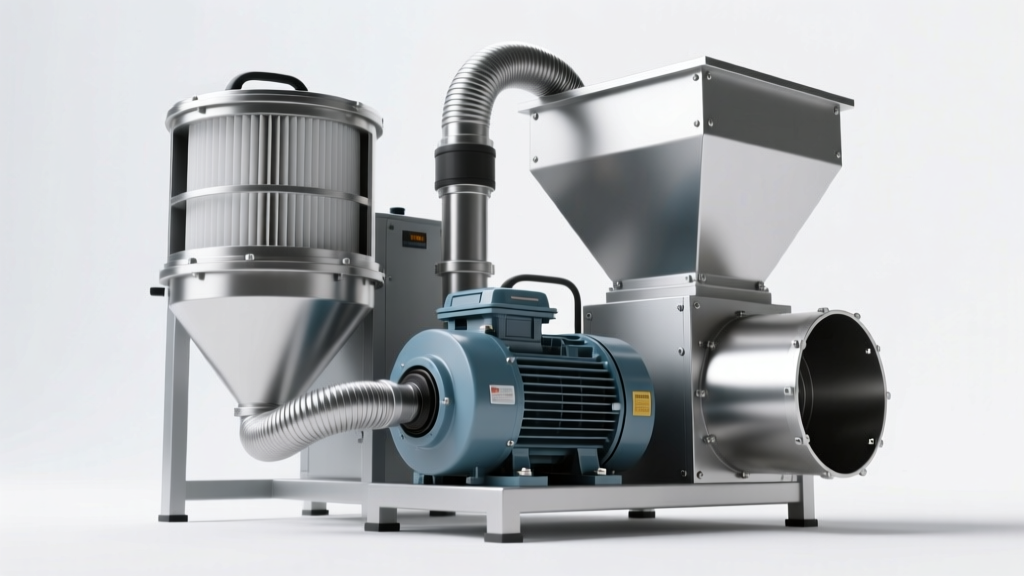
Types of Scrap Metal Briquetting Presses
A scrap metal briquetting press is a vital machine in metal recycling operations, designed to compress loose metal chips, shavings, and turnings into dense, compact briquettes. This process enhances material handling, reduces transportation costs, improves furnace efficiency, and increases scrap value. Different types of presses are engineered to meet specific production needs, material types, and operational scales.
Hydraulic Briquetting Press
Utilizes high-pressure hydraulic systems to compress metal waste into uniform, high-density briquettes. Known for superior compaction force and consistent output.
Advantages
- Produces high-density briquettes ideal for transport and smelting
- Excellent compression for tough metals like stainless steel, copper, and aluminum
- Consistent shape and size for easy handling and stacking
- Reduces oxidation and coolant retention in metal chips
Limitations
- Higher initial investment cost
- Requires regular maintenance of hydraulic components
- Larger footprint and higher energy consumption
Best for: Large-scale recycling facilities, metalworking industries, and operations handling high volumes of valuable metals
Mechanical Briquetting Press
Employs a mechanical screw or ram mechanism to compress metal shavings. Offers a cost-effective solution for smaller operations.
Advantages
- Lower upfront cost compared to hydraulic models
- Suitable for small to medium-sized workshops
- Simpler design with fewer complex components
- Effective for light to medium-duty metal recycling
Limitations
- Lower compression force results in less dense briquettes
- Reduced production capacity and throughput
- Less effective with harder or bulkier metals
Best for: Small machining shops, job shops, and businesses focused on recycling aluminum or softer metals
Roller Press
Compresses metal chips between two counter-rotating rollers in a continuous process, ideal for high-volume output and materials with low cohesion.
Advantages
- High-speed, continuous production capability
- Energy-efficient operation with steady throughput
- Ideal for producing briquettes for boiler fuel or furnace feed
- Well-suited for non-ferrous metals like brass and cast iron
Limitations
- Lower briquette density compared to hydraulic systems
- Limited effectiveness with oily or wet materials
- May require pre-drying or conditioning of input material
Best for: High-volume processing lines, foundries, and fuel briquette production
Combination Briquetting Press
Integrates features of both hydraulic and mechanical systems, offering versatility in handling diverse metal types and conditions.
Advantages
- Adaptable to a wide range of metal types and densities
- Flexible operation for mixed-metal recycling environments
- Balances performance and cost-effectiveness
- Reduces need for multiple specialized machines
Limitations
- May not match the peak performance of dedicated hydraulic presses
- More complex setup and operation
- Premium pricing due to hybrid design
Best for: Multi-metal recycling centers, industrial facilities with varied scrap streams
Piston Press
Uses a reciprocating piston mechanism to generate high compression forces, producing strong, compact briquettes suitable for heavy-duty applications.
Advantages
- Extremely high compression for dense, durable briquettes
- Ideal for heavy metals like lead, zinc, and high-carbon steel
- Excellent material recovery and volume reduction
- Robust construction built for industrial environments
Limitations
- Slower cycle times compared to continuous systems
- Higher wear on piston components
- Requires regular inspection and part replacement
Best for: Heavy metal processing, smelting operations, and hazardous material handling (e.g., lead recycling)
| Type | Density Output | Production Speed | Best For Metals | Ideal Use Case |
|---|---|---|---|---|
| Hydraulic | Very High | Medium | Stainless Steel, Copper, Aluminum | High-value metal recycling, export-ready briquettes |
| Mechanical | Medium | Low to Medium | Aluminum, Soft Metals | Small workshops, cost-sensitive operations |
| Roller | Medium | High (Continuous) | Brass, Cast Iron, Non-Ferrous | Boiler fuel, foundry feed, high-volume lines |
| Combination | High | Medium | Mixed Metals, Varied Densities | Mixed scrap facilities, flexible operations |
| Piston | Very High | Low (Batch) | Lead, Zinc, Heavy Alloys | Heavy metal processing, smelting, safety-critical recycling |
Expert Tip: For optimal performance and longevity, always ensure metal chips are properly dried and cleaned before briquetting—especially when using hydraulic or piston presses. Moisture and coolant residue can reduce briquette integrity and cause internal corrosion in storage or transport.
Industrial Applications of Scrap Metal Briquet Press
Scrap metal briquetting presses are transforming industrial waste management by compressing loose metal shavings, turnings, and scraps into dense, uniform briquettes. This innovative process not only streamlines material handling but also enhances recycling efficiency across multiple sectors. By reducing volume by up to 90%, briquetting improves transport logistics, increases scrap value, and supports sustainable manufacturing practices. Below is a detailed exploration of key industries leveraging this technology.
Metal Recycling
Briquetting is a cornerstone of modern metal recycling operations. Metal shavings and fragmented scraps—often contaminated with coolant or oil—are compressed into clean, dry briquettes that are easier to handle and transport. This compaction significantly reduces oxidation during melting, improving yield and energy efficiency in foundries and steel mills.
Recyclers benefit from higher market value for briquetted materials compared to loose scrap, as they are cleaner, more consistent, and preferred by smelters. The process also supports environmental compliance by minimizing hazardous liquid waste and promoting a closed-loop recycling system that reduces reliance on virgin ore extraction.
Automotive Industry
The automotive sector generates vast quantities of metal waste during machining processes, particularly aluminum and steel from engine blocks, transmission components, and chassis parts. A single manufacturing facility can produce tons of swarf daily, posing storage and disposal challenges.
By using scrap metal briquet presses, automotive plants compress this waste into compact briquettes, reducing volume for efficient transport back to suppliers or recyclers. These briquettes are often repurchased by metal suppliers under buy-back agreements, creating a cost-saving loop. Additionally, briquetting helps meet corporate sustainability goals and ISO environmental standards.
Aerospace Sector
Aerospace manufacturing involves high-precision machining of expensive alloys such as titanium, Inconel, and aerospace-grade aluminum. These materials produce long, tangled chips that are difficult to manage and highly susceptible to contamination.
Briquetting not only solves handling issues but also preserves the intrinsic value of these premium metals. The resulting briquettes are easier to store, transport, and remelt with minimal loss, ensuring maximum recovery of costly raw materials. Given the strict traceability and quality requirements in aerospace, briquetting also aids in material segregation and reduces fire risks associated with oily swarf storage.
Machinery & Equipment Manufacturing
CNC machining centers and heavy equipment manufacturers produce continuous streams of metal turnings from milling, turning, and grinding operations. Without proper processing, this waste accumulates rapidly,占用 valuable floor space and poses safety hazards.
Integrating a briquetting press into the production line allows manufacturers to convert waste into standardized briquettes that can be efficiently stored and sold. This supports circular economy principles by turning waste into a revenue stream while reducing environmental impact and lowering disposal costs. Automated systems can even feed directly from chip conveyors, minimizing labor input.
Construction & Demolition
Demolition sites yield significant amounts of ferrous scrap, including rebar, structural beams, and metal fixtures. Traditionally, this material is loosely collected and transported, leading to inefficient truck loading and higher fuel costs.
On-site or centralized briquetting enables construction companies to compress scrap into dense blocks, optimizing transport capacity and reducing the number of hauling trips. This not only cuts logistics expenses but also accelerates site cleanup and improves safety. The briquettes are readily accepted by recycling facilities, supporting green building certifications like LEED.
Foundries
Foundries face the dual challenge of managing internal metal waste and controlling melt shop efficiency. Loose fines and sprues from casting operations have poor flow characteristics and high surface area, leading to increased oxidation and metal loss during remelting.
Briquetting these materials into solid forms improves furnace feed consistency, reduces dross formation, and enhances melt rates. Many foundries report up to 15% reduction in energy consumption and significant savings on raw material procurement. Additionally, briquetting helps maintain a cleaner, safer working environment by eliminating loose metal piles and coolant-laden swarf.
| Industry | Common Materials | Key Benefits of Briquetting |
|---|---|---|
| Metal Recycling | Steel, Aluminum, Copper, Brass | Increased scrap value, reduced contamination, improved transport efficiency, higher melting yield |
| Automotive | Aluminum, Cast Iron, Steel | Volume reduction, buy-back revenue, compliance with environmental standards |
| Aerospace | Titanium, Inconel, High-Grade Aluminum | Preservation of high-value alloys, safer handling, reduced oxidation |
| Machinery Manufacturing | Steel, Stainless Steel, Aluminum | Waste-to-revenue conversion, floor space savings, automation compatibility |
| Construction & Demolition | Rebar, Structural Steel, Sheet Metal | Lower transport costs, faster site clearance, support for sustainability goals |
| Foundries | Cast Iron, Steel, Non-Ferrous Alloys | Improved melt efficiency, reduced energy use, lower raw material costs |
Additional Advantages Across Industries
Important: To maximize return on investment, select a briquetting press that matches your material type, volume, and production speed. Regular maintenance ensures consistent briquette density and machine longevity. Partnering with experienced suppliers for system integration and training is recommended for optimal performance and safety.
Product Features and Benefits of Scrap Metal Briquetting Presses
Scrap metal briquetting presses are advanced industrial machines designed to compress loose metal waste—such as turnings, shavings, and swarf—into dense, uniform briquettes. These machines play a crucial role in modern recycling operations, manufacturing facilities, and metal processing plants by transforming bulky, low-value scrap into compact, high-density forms that are easier to handle, transport, and reuse. By integrating high-pressure hydraulics, automation, and robust engineering, briquetting presses deliver significant operational, economic, and environmental advantages.
High Pressure for Maximum Density
Scrap metal briquetting presses utilize hydraulic systems capable of exerting pressures exceeding 100 tons, depending on the model. This intense compression compacts metal chips and fines into solid briquettes with up to 70–80% of solid metal density.
- High-density briquettes reduce oxidation and moisture retention during storage
- Ideal for aluminum, copper, steel, titanium, and other non-ferrous and ferrous metals
- Denser briquettes improve furnace loading efficiency and reduce melt time in foundries
Technical Insight: Hydraulic intensifiers maintain consistent pressure throughout the cycle, ensuring uniform briquette quality.
Automated Operation for Efficiency
Modern briquetting systems feature programmable logic controllers (PLCs), touch-screen interfaces, and sensor-based monitoring that enable fully automated operation with minimal human oversight.
- Automatic feed systems integrate with chip conveyors for continuous processing
- Self-cleaning mechanisms reduce downtime and maintenance needs
- Remote diagnostics and data logging support predictive maintenance
Pro tip: Automated systems can operate unattended during night shifts, boosting productivity without additional labor costs.
Versatile Material Compatibility
Briquetting presses are engineered to handle a wide range of metal types and chip geometries, making them adaptable across industries—from automotive machining to aerospace component manufacturing.
- Aluminum swarf is compressed into dry, drip-free briquettes, recovering valuable cutting fluids
- Steel turnings are consolidated to prevent tangling and improve handling safety
- Copper and brass chips achieve higher scrap value when briquetted due to reduced volume and contamination
Key advantage: One machine can process multiple materials with simple parameter adjustments.
Space-Efficient Compact Design
Despite their powerful capabilities, many briquetting presses are designed with a small footprint, allowing integration into tight production areas without disrupting workflow.
- Vertical press configurations maximize space utilization in crowded shops
- Modular designs allow for future expansion or relocation
- Sound-dampened enclosures reduce noise pollution in shared workspaces
Design note: Compact units are ideal for retrofitting into existing recycling lines or CNC machining centers.
Advanced Safety Features
Safety is a top priority in industrial environments, and modern briquetting presses come equipped with comprehensive protection systems to safeguard operators and equipment.
- Interlocked safety guards prevent access during operation
- Emergency stop buttons are strategically placed for quick response
- Pressure relief valves and overload protection prevent system damage
- CE and ISO-compliant designs ensure adherence to international safety standards
Critical reminder: Regular safety inspections and operator training are essential for long-term safe operation.
Key Benefits of Metal Briquetting
Beyond the technical features, the real value of a scrap metal briquetting press lies in the tangible benefits it delivers across operational, financial, and environmental dimensions.
Significant Space Savings
By reducing scrap volume by up to 90%, briquetting dramatically decreases the space required for storage and transportation.
- Warehouses can store more material in the same footprint
- Fewer truckloads are needed for scrap removal, lowering logistics costs
- Cleaner shop floors improve organization and reduce tripping hazards
Real-world impact: A single briquetting press can eliminate the need for multiple open-top containers or bins.
Increased Scrap Value and Revenue
Briquetted metal is more attractive to recyclers due to its cleanliness, consistency, and ease of handling—resulting in higher pricing per ton.
- Aluminum briquettes can fetch 20–40% higher prices than loose chips
- Reduced contamination improves purity and marketability
- Fluid recovery from wet chips reduces coolant replacement costs
ROI insight: Many facilities recoup the cost of a briquetting press within 12–24 months through increased scrap revenue alone.
Promotes Sustainability and ESG Goals
Briquetting supports circular economy principles by enhancing metal recyclability and reducing reliance on raw material extraction.
- Recycling briquetted metal uses up to 95% less energy than producing new metal from ore
- Lower transportation emissions due to reduced volume and weight
- Supports corporate environmental, social, and governance (ESG) reporting and compliance
Green advantage: Facilities using briquetting can position themselves as sustainability leaders in their industry.
Improved Product Quality and Process Efficiency
Uniform briquettes provide consistent feedstock for melting operations, leading to more predictable and efficient metallurgical processes.
- Reduced dross formation in furnaces due to lower surface area and moisture content
- More accurate charge calculations and better yield rates
- Less furnace maintenance due to cleaner, more controlled melting
Foundry benefit: Homogeneous briquettes melt faster and more evenly than loose scrap, improving throughput.
Enhanced Workplace Safety
Eliminating loose metal chips and swarf from the floor reduces slip, trip, and puncture hazards, contributing to a safer work environment.
- Sharp metal fragments are securely contained within briquettes
- Reduced manual handling lowers the risk of repetitive strain injuries
- Cleaner workspaces support 5S and lean manufacturing practices
Safety culture: Briquetting aligns with proactive safety management and OSHA compliance efforts.
Professional Recommendation: When selecting a briquetting press, evaluate your scrap type, volume, and operational goals. For high-volume CNC shops, a fully automated vertical press with fluid recovery offers the best return. For smaller operations, a semi-automatic horizontal model may provide sufficient capacity at a lower investment. Always consider after-sales support, spare parts availability, and warranty terms when choosing a supplier.
| Application | Material Type | Volume Reduction | Key Benefit |
|---|---|---|---|
| Automotive Machining | Aluminum Chips | Up to 90% | Fluid recovery + higher scrap value |
| Aerospace Manufacturing | Titanium Swarf | Up to 85% | Safety improvement + oxidation control |
| Steel Fabrication | Steel Turnings | Up to 75% | Easier handling + reduced fire risk |
| Copper Wire Recycling | Copper Fines | Up to 80% | Increased density + transport efficiency |
Additional Considerations
- Maintenance Requirements: Regular inspection of seals, hydraulic lines, and pressing cylinders ensures long-term reliability
- Noise Levels: Some models include sound enclosures to meet workplace noise regulations
- Integration Capability: Look for presses with standard communication protocols (e.g., Modbus, Ethernet/IP) for Industry 4.0 compatibility
- Customization Options: Briquette size, shape, and weight can often be tailored to customer or recycler specifications
- Environmental Compliance: Proper fluid collection systems prevent coolant leakage and support environmental permits
How To Choose the Right Scrap Metal Briquet Press
Selecting the appropriate scrap metal briquet press is a critical decision for recycling operations, foundries, and metal processing facilities. A well-chosen press improves material handling, reduces transportation costs, increases scrap value, and enhances furnace efficiency. This comprehensive guide outlines the key factors to consider when choosing a briquetting machine, ensuring optimal performance, durability, and return on investment.
Safety & Efficiency Note: Always ensure that the briquet press is compatible with the type and moisture content of your scrap. Incompatible materials can lead to equipment damage, poor briquette formation, or safety hazards during operation.
Key Factors in Selecting a Scrap Metal Briquet Press
- Production Capacity
Determine your daily or hourly volume of scrap metal to be processed—such as turnings, swarf, chips, or fines—and match it with a briquet press that meets or slightly exceeds your throughput needs. Under-sizing leads to bottlenecks, while over-sizing increases energy and maintenance costs unnecessarily. For example:
- Small workshops: 100–500 kg/hour
- Medium facilities: 500–1,500 kg/hour
- Large industrial operations: 1,500–5,000+ kg/hour
Ensure the selected press maintains consistent pressure and cycle time at peak load to avoid performance degradation.
- Type of Briquet Press
Briquetting machines are primarily categorized into three types, each suited for different applications and materials:
- Hydraulic Presses: Offer high compression force and are ideal for dense, tough materials like steel turnings. They provide excellent control over pressure and cycle timing but may have higher energy consumption.
- Mechanical Presses: Use a flywheel and clutch mechanism for rapid, repetitive compression. Best for high-speed processing of lighter metals such as aluminum or copper chips.
- Screw (Extrusion) Presses: Utilize a rotating screw to compress material continuously. Excellent for wet or oily metal chips, as they also help in dewatering during compression.
Choose based on material characteristics, desired briquette density, and production goals. A versatile press capable of handling both ferrous and non-ferrous metals adds long-term value.
- Material Quality and Build Durability
The construction quality of the briquet press directly impacts longevity and reliability. Focus on components exposed to high stress:
- Die and Punch: Made from hardened alloy steel or tool steel to resist wear and cracking.
- Frame and Housing: Robust cast or welded steel construction to withstand repeated high-pressure cycles.
- Seals and Hydraulic Components: High-grade seals prevent fluid leaks and contamination, especially in harsh industrial environments.
Investing in a machine with premium materials reduces downtime, extends service intervals, and lowers total cost of ownership over time.
- Ease of Operation and Maintenance
A user-friendly design enhances productivity and reduces the risk of operator error. Look for features such as:
- Intuitive control panels (PLC or touchscreen interfaces)
- Automatic cycle start/stop and jam-clearing functions
- Quick-access panels for routine inspections
- Modular components for easy replacement
Regular maintenance should be straightforward—grease points, filter locations, and wear indicators should be easily accessible. Machines with remote diagnostics or predictive maintenance alerts offer advanced operational advantages.
- Space and Budget Considerations
Briquet presses vary significantly in footprint and price. Evaluate your available floor space and facility layout before selecting a model. Compact units are available for tight spaces, while larger industrial presses may require dedicated foundations and ventilation.
Budget planning should include:
- Initial purchase and installation costs
- Energy consumption (electricity, hydraulics)
- Maintenance kits, spare parts, and service contracts
- Training for operators and technicians
Consider the payback period—many facilities recover their investment within 6–18 months through reduced disposal fees, higher scrap value, and coolant recovery.
| Press Type | Best For | Compression Force | Maintenance Level | Energy Efficiency |
|---|---|---|---|---|
| Hydraulic | Steel, iron, heavy turnings | High (100–1000+ tons) | Moderate (seals, pumps) | Medium |
| Mechanical | Aluminum, brass, light metals | Medium (50–300 tons) | Low (fewer fluid components) | High |
| Screw (Extrusion) | Wet chips, oily swarf | Continuous low-medium | Moderate (screw wear) | High |
Expert Tip: Request a live demonstration or trial run with your specific scrap material before purchasing. This allows you to evaluate briquette density, ejection consistency, and noise levels under real-world conditions.
Additional Selection Tips
- Verify compliance with local safety and environmental regulations (e.g., CE, OSHA).
- Check availability of technical support and spare parts in your region.
- Consider optional accessories like conveyors, shredders, or oil recovery systems for integrated processing.
- Review warranty terms—look for at least a 1-year comprehensive coverage.
- Consult with multiple suppliers to compare performance data and customer references.
Choosing the right scrap metal briquet press involves balancing technical specifications, operational needs, and financial considerations. By carefully evaluating production capacity, press type, build quality, ease of use, and total cost of ownership, you can select a machine that enhances efficiency, sustainability, and profitability in your metal recycling or manufacturing process.
Frequently Asked Questions About Hydraulic Briquetting Presses
Q1: What is the role of a hydraulic pump in a hydraulic briquetting press?The scrap metal briquet press relies on a hydraulic pump as the core component of its power system. The pump draws hydraulic fluid from the reservoir and delivers it under high pressure to the cylinders that drive the pressing mechanism. This pressurized fluid enables the cylinders to generate the immense force required to compress loose metal scraps into dense, uniform briquettes.
Beyond just generating force, the hydraulic pump plays a critical role in controlling the speed, consistency, and precision of the compression cycle. Advanced systems use variable-flow pumps to optimize energy usage and ensure smooth operation, contributing to consistent briquette quality, reduced cycle times, and longer equipment life. Proper maintenance of the pump—such as monitoring fluid cleanliness and pressure levels—is essential for reliable and efficient performance.
Q2: What are some common metals that can be briquetted using a piston press?Piston-type briquetting presses are especially effective for processing heavy, ductile metals that benefit from high-pressure compaction. Common materials include:
- Aluminum: Chips and turnings from machining operations are compressed into briquettes that are easier to handle, transport, and remelt, reducing oxidation and improving furnace efficiency.
- Copper and copper alloys: These high-value metals are often briquetted to prevent scattering, reduce storage volume, and deter theft, while also increasing melt yield.
- Lead: Due to its weight and toxicity, lead is safely contained and stabilized through briquetting, minimizing exposure risks and improving handling safety.
- Zinc: Often generated as fine swarf or grindings, zinc is compacted to reduce surface area, which helps prevent oxidation and improves recycling efficiency.
The piston press applies sustained, high-density compression—often exceeding 100 MPa—ensuring that these metals form solid, cohesive briquettes that maintain their shape during handling and transport, making them ideal for downstream processing in foundries or smelters.
Q3: How does briquetting metal scraps affect their transportation?Briquetting dramatically improves the logistics of metal scrap transportation by transforming loose, bulky, and irregular materials into compact, standardized units. Key benefits include:
- Volume Reduction: Compression can reduce scrap volume by up to 70–80%, allowing more material to be shipped in a single load.
- Lower Freight Costs: Reduced volume translates directly into fewer truckloads or shipping containers, cutting fuel and labor expenses.
- Improved Load Stability: Uniform briquettes stack neatly and resist shifting during transit, enhancing safety and reducing product damage.
- Easier Handling: Automated loading and unloading systems can efficiently manage briquettes, minimizing manual labor and speeding up logistics operations.
Additionally, briquettes are less prone to wind dispersal or moisture absorption compared to loose chips, making them cleaner and safer to transport across long distances or international borders.
Q4: What benefits do electrical components with low risk support?Modern briquetting presses are equipped with advanced electrical systems designed for low maintenance, high reliability, and operational safety. The benefits of using low-risk electrical components include:
- Maintenance-Free Operation: Sealed sensors, solid-state relays, and corrosion-resistant connectors reduce the need for frequent servicing, minimizing downtime.
- Energy Efficiency: Components like variable frequency drives (VFDs) and energy-regenerative circuits lower power consumption during idle and active cycles, supporting sustainability goals.
- Enhanced Process Stability: Programmable logic controllers (PLCs) ensure consistent cycle timing and pressure control, leading to uniform briquette quality and reduced scrap rates.
- Reduced Wear and Tear: Low-voltage control systems and soft-start mechanisms decrease mechanical stress on motors and actuators, extending equipment lifespan.
- Safety and Compliance: Low-risk components often meet international safety standards (e.g., CE, UL), reducing the likelihood of electrical faults, fires, or operator hazards.
By integrating robust, low-maintenance electrical systems, briquetting machines achieve higher uptime, lower total cost of ownership, and improved integration with Industry 4.0 monitoring and automation platforms.
Q5: Is it possible to operate a metal briquette press outdoors?Yes, a briquetting press can be installed and operated outdoors, provided that appropriate protective measures are implemented to safeguard sensitive components. While the mechanical structure of the press is typically built from weather-resistant steel, the electrical and hydraulic systems require special attention.
Key considerations for outdoor operation include:
- Weatherproof Enclosures: Electrical cabinets and control panels must be housed in NEMA 4 or IP65-rated enclosures to protect against rain, snow, dust, and humidity.
- Temperature Control: In extreme climates, heaters or cooling fans may be needed inside control boxes to maintain optimal operating temperatures.
- Foundation and Drainage: The press should be mounted on a stable, level concrete pad with proper drainage to prevent water pooling and vibration.
- Hydraulic Fluid Protection: Use of UV-resistant hoses and reservoir insulation helps prevent fluid degradation from sunlight and temperature swings.
Outdoor installation can free up valuable indoor space and simplify material flow in large recycling facilities. However, routine inspections for corrosion, moisture ingress, and seal integrity are essential to ensure long-term reliability.
Q6: What role do conveyor belts play in the briquetting process?Conveyor belts are integral to creating an automated, continuous workflow in a briquetting system. They serve two primary functions:
- Feeding the Press: Conveyors transport loose metal scraps from collection bins, shredders, or machining centers directly into the feed hopper of the briquetting press, ensuring a steady and controlled supply of material.
- Product Removal: After compression, the finished briquettes are automatically discharged onto an exit conveyor, which carries them to packaging stations, storage bins, or further processing units.
By minimizing manual handling, conveyor systems improve workplace safety, reduce labor costs, and enhance throughput. They can be customized with features like magnetic separators (to remove ferrous contaminants), speed controls, and sensor-based flow regulation to match the press cycle. When integrated with level sensors and PLCs, conveyors enable fully autonomous operation, making them a key component in modern, high-efficiency recycling lines.