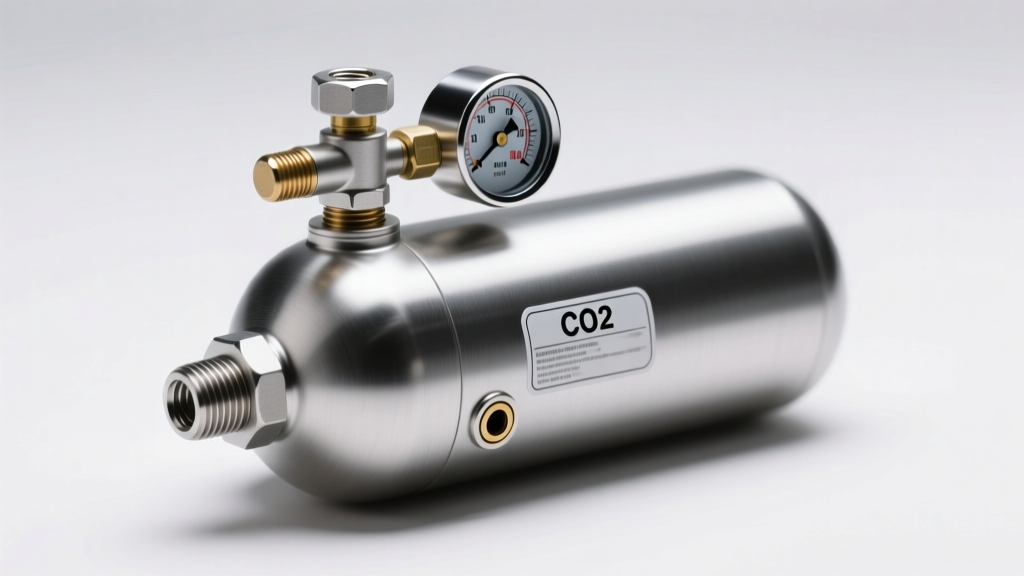
Types of Propane Tank Valves
A propane tank valve is a vital safety and control component in any propane system, regulating gas flow to ensure safe, efficient operation across residential, commercial, and industrial applications. Choosing the correct valve type is essential for system reliability, regulatory compliance, and accident prevention.
Service Valve
Designed for routine maintenance and system monitoring, this valve features multiple outlet connections and integrated components like pressure gauges and manual shut-off mechanisms.
Advantages
- Enables real-time pressure monitoring
- Facilitates safe system servicing and diagnostics
- Allows quick manual shut-off during emergencies
- Supports connection to testing equipment
Limitations
- More complex design increases maintenance needs
- Higher cost compared to basic valves
- Requires trained personnel for proper use
Best for: Maintenance stations, refill depots, commercial fuel systems requiring monitoring
Excess Flow Valve
An automatic safety valve that immediately restricts gas flow if a sudden drop in downstream pressure occurs—such as when a hose ruptures or an appliance disconnects.
Advantages
- Prevents catastrophic gas leaks
- Operates automatically without human intervention
- Essential for high-pressure applications
- Reduces fire and explosion risks
Limitations
- May not activate during slow leaks
- Can be sensitive to debris or improper installation
- Limited to specific flow rate thresholds
Best for: Mobile systems, RVs, outdoor grills, industrial gas lines
Float Valve
Mounted inside liquid propane tanks, this valve automatically regulates the liquid-to-gas ratio during filling by using a floating mechanism that responds to tank levels.
Advantages
- Prevents overfilling and overpressure
- Automatically stops filling at safe capacity (typically 80%)
- Enhances safety during refueling operations
- Critical for compliance with safety codes
Limitations
- Internal mechanism can degrade over time
- Requires periodic inspection and calibration
- Not user-serviceable in most cases
Best for: Bulk storage tanks, food processing, chemical plants, propane delivery vehicles
Bleed-Off Valve
Used to safely release excess pressure from a propane system, allowing controlled venting during maintenance, transportation, or emergency shutdowns.
Advantages
- Prevents overpressure damage to tanks and equipment
- Enables safe system depressurization
- Reduces stress on seals and connections
- Essential for technician safety during servicing
Limitations
- Must be manually operated in most cases
- Improper use can lead to gas waste or hazards
- Requires proper ventilation in use areas
Best for: Maintenance procedures, transport regulations, system troubleshooting
| Valve Type | Primary Function | Safety Level | Common Applications | Automation |
|---|---|---|---|---|
| Service Valve | Monitoring & maintenance access | Medium | Refill stations, commercial systems | Manual |
| Excess Flow Valve | Leak prevention after line break | Very High | RVs, grills, industrial lines | Automatic |
| Float Valve | Overfill prevention during filling | Very High | Bulk tanks, delivery trucks | Automatic |
| Bleed-Off Valve | Pressure release for servicing | High | Maintenance, transport, repairs | Manual |
Expert Tip: Always verify that excess flow and float valves are installed in the correct orientation—reversed installation can render them ineffective, creating serious safety hazards.
Typical Applications of Propane Tank Valves
Propane tank valves are engineered for diverse environments, each with unique safety and performance demands. Understanding these applications helps businesses maintain compliance, optimize inventory, and meet customer expectations effectively.
Heating Systems
In residential and commercial heating systems—such as furnaces and boilers—propane valves regulate fuel delivery to ensure consistent, efficient combustion. Precision valves help prevent pressure fluctuations that could lead to inefficient heating or system shutdowns. In critical facilities like hospitals and schools, reliable valve operation is essential to avoid dangerous heating outages during cold weather.
Recreational Vehicles (RVs)
RVs rely on propane for cooking, refrigeration, and heating. Valves in these mobile systems must be compact, vibration-resistant, and equipped with safety features like excess flow protection. Given the dynamic environment of travel, valves are often tested for durability against bumps, temperature swings, and frequent on/off cycles.
Industrial Settings
In warehouses and manufacturing plants, propane powers forklifts and other heavy machinery. These high-usage environments demand valves that withstand constant operation, resist corrosion from chemicals, and maintain tight seals under high pressure. Automated systems often integrate excess flow and bleed-off valves for enhanced safety during refueling operations.
Commercial Kitchens
Restaurants and catering facilities use propane for ranges, ovens, grills, and fryers. Here, valves must support high BTU demands while incorporating fail-safes like auto shut-off and check valves to prevent backflow. Precision control ensures consistent flame levels, directly impacting food quality and kitchen safety.
Key Features of Replacement Propane Tank Valves
Selecting the right replacement valve involves evaluating critical features that impact safety, longevity, and compatibility. These factors ensure seamless integration and compliance with industry standards.
Safety Features
- Auto Shut-Off: Activates during sudden pressure spikes or drops, halting gas flow to prevent leaks, fires, or explosions. Crucial in high-traffic areas like commercial kitchens and industrial sites.
- Low/Over-Pressure Protection: Built-in regulators or relief mechanisms prevent operation outside safe pressure ranges, protecting both equipment and personnel.
- Check Valves: Ensure unidirectional flow, preventing dangerous backflow that could contaminate the tank or cause pressure imbalances in the system.
Material Durability
Replacement valves are typically constructed from:
- Brass: Offers excellent corrosion resistance, machinability, and moderate strength. Ideal for general-purpose and residential applications.
- Stainless Steel: Superior strength, heat resistance, and durability in harsh environments. Preferred in chemical processing and high-cycle industrial systems.
- High-Density Polymer: Lightweight and cost-effective, suitable for low-pressure or temporary setups. Less common in critical applications due to lower thermal tolerance.
Compatibility
Replacement valves must match the original equipment in size, thread type (e.g., POL, ACME), and connection standards. Universal-fit designs are available, but OEM-matched valves ensure optimal performance and compliance with safety codes. Always verify compatibility with tank type (e.g., DOT vs. ASME) before installation.
How to Choose the Right Propane Tank Valve
Making an informed decision ensures system safety, regulatory compliance, and long-term reliability. Consider the following factors when selecting a valve for replacement or new installation.
Industry Requirements
Different sectors have distinct operational demands:
- Commercial Kitchens: Require heavy-duty valves with excess flow protection and high cycle durability.
- RV & Outdoor Use: Need compact, vibration-resistant valves with automatic safety features.
- Industrial/Manufacturing: Demand robust materials like stainless steel and integration with monitoring systems.
- Residential Heating: Prioritize quiet operation, ease of use, and basic safety compliance.
Material Compatibility
Match the valve material to the operating environment:
- Brass: Best for indoor, low-to-medium pressure systems with minimal chemical exposure.
- Stainless Steel: Recommended for outdoor, high-pressure, or chemically aggressive environments.
- Polymer: Suitable for temporary or low-risk applications where cost is a primary concern.
Replacement vs. OEM Valves
Original Equipment Manufacturer (OEM) valves are designed to exact specifications, ensuring perfect fit and performance. Aftermarket replacements may offer cost savings but vary in quality. Always choose certified aftermarket valves from reputable brands to avoid compromising safety or voiding warranties.
Certifications
Ensure the valve carries recognized safety certifications such as:
- CSA (Canadian Standards Association)
- UL (Underwriters Laboratories)
- ASME (American Society of Mechanical Engineers)
- DOT (Department of Transportation) for transportable tanks
Certified valves undergo rigorous testing for pressure tolerance, leak resistance, and durability, significantly reducing the risk of system failure.
Pro Tip: When replacing a valve, always inspect the tank's valve seat and connection threads. Damaged surfaces can cause leaks even with a new, high-quality valve. Replace or repair the tank if necessary.
Maintenance and Repair of Propane Tank Valve
Propane tank valves are essential safety and control components that regulate the flow of propane gas from the tank to connected appliances. Regular maintenance ensures reliable performance, prevents leaks, and reduces the risk of fire or explosion. Proper care extends the lifespan of the valve and maintains the integrity of the entire propane system.
Routine Inspections
Conducting regular visual and functional inspections of the propane tank valve is the first line of defense against potential failures. Inspect the valve at least once every three months—or more frequently if used in harsh environments or heavy-duty applications. Look for signs of gas leaks (such as a strong odor or hissing sound), visible corrosion, physical damage, or wear on the valve body and handwheel.
To check for leaks, apply a soapy water solution to the valve connections and watch for bubbles, which indicate escaping gas. Never use an open flame to detect leaks. Early detection allows for timely repairs and prevents hazardous situations, ensuring continued safe operation of your propane system.
Lubrication
Proper lubrication of valve threads and moving parts ensures smooth operation and prevents seizing due to moisture or debris buildup. Use a high-quality, non-petroleum-based lubricant such as PTFE (Teflon) tape or silicone-based grease, which are compatible with propane and won't degrade rubber seals.
When applying lubricant, wrap PTFE tape clockwise around the threads two to three times, or apply a thin, even layer of grease to the stem and threads. Avoid over-lubrication, as excess grease can attract dirt, dust, and grime, leading to clogging or restricted valve movement. Re-lubricate during routine maintenance or after prolonged disuse.
Cleaning
Keeping the propane tank valve clean is vital for optimal performance. Accumulated dirt, dust, grease, or insect nests can interfere with the valve’s sealing ability and operational smoothness. Clean the valve and surrounding area using a soft-bristled brush or compressed air to remove surface debris.
Avoid using water, solvents, or abrasive materials that could damage the valve’s finish or penetrate internal components. If cleaning after a leak or contamination, ensure the tank is properly purged and tested before reuse. Always perform cleaning in a well-ventilated area away from ignition sources.
Replacement of Worn Parts
Over time, internal valve components such as O-rings, seals, springs, and gaskets degrade due to exposure to pressure, temperature fluctuations, and chemical contact. Signs of wear include difficulty turning the valve, gas leakage, or incomplete shutoff.
Replace worn or damaged parts immediately using manufacturer-recommended or UL-approved components. Never attempt field repairs on critical internal parts unless you are a certified technician. Improper replacements or makeshift fixes can compromise safety and lead to catastrophic failure. After replacement, conduct a full leak test and pressure check to confirm proper function.
Proper Storage
How a propane tank is stored significantly impacts valve longevity and performance. Always store tanks upright in a well-ventilated, dry, and shaded area away from direct sunlight, heat sources, and corrosive chemicals. Exposure to moisture can lead to rust and corrosion on the valve, while extreme temperatures may affect internal seals and pressure regulation.
Protect the valve by keeping the protective cap securely in place when not in use. This prevents dirt, insects, and impact damage. Never store propane tanks indoors, in basements, or near ignition sources. Proper storage not only preserves valve integrity but also complies with safety codes and insurance requirements.
| Maintenance Task | Frequency | Recommended Tools/Materials |
|---|---|---|
| Visual Inspection | Every 3 months | Soapy water solution, flashlight |
| Lubrication | Every 6 months or after disassembly | PTFE tape, silicone grease |
| Cleaning | As needed or during inspection | Soft brush, compressed air |
| Part Replacement | When wear is detected | OEM seals, UL-approved components |
| Leak Testing | After maintenance or suspected leak | Soapy water, pressure gauge |
Important Safety Notice: Propane is highly flammable and under pressure. Never attempt to disassemble or repair a propane tank valve unless you are a qualified professional. Always shut off the valve and disconnect the tank before performing any maintenance. If you suspect a leak, evacuate the area immediately and contact a certified technician. Improper handling can result in fire, explosion, or serious injury.
Propane Tank Valve Q&A: Safety, Selection & Maintenance
Understanding the proper use, maintenance, and replacement of propane tank valves is essential for ensuring safe and reliable operation. Below are detailed answers to common questions about propane tank valves, expanded with practical guidance and safety insights.
Q1: When should a propane tank valve be replaced? A propane tank valve should be replaced immediately if any of the following signs are present:- Corrosion or rust: Visible pitting, flaking, or discoloration on the valve body or stem can compromise structural integrity.
- Cracks or physical damage: Even small cracks can lead to dangerous gas leaks under pressure.
- Gas leakage: A persistent hissing sound, the smell of propane (rotten egg odor), or a drop in tank pressure may indicate a faulty seal or internal damage.
- Stiff or unresponsive operation: If the valve is difficult to open or close, or does not shut off completely, it may be worn or internally damaged.
- Age and exposure: Valves exposed to extreme weather, moisture, or frequent use may degrade faster and should be inspected annually.
- Tank type and size: Residential, industrial, and RV tanks often use different valve standards (e.g., Type I, POL, ACME, QCC1/Type 3).
- Connection type: Check whether your tank uses a POL (Prest-O-Lite) thread, QCC (Quick Connect Coupling), or another fitting. Mismatched connections can cause leaks or improper sealing.
- Pressure rating: Ensure the valve is rated for the tank’s operating pressure (typically 250 psi for propane).
- Regulatory compliance: Look for valves certified by organizations such as UL, CSA, or DOT to ensure they meet federal and industry safety standards.
- Manufacturer specifications: Consult your tank’s user manual or the manufacturer’s website for exact valve model numbers and compatibility charts.
- Made from durable materials like brass, stainless steel, or forged alloys.
- Designed and tested to meet or exceed DOT, ANSI, and CGA safety specifications.
- Properly installed by a trained professional using correct torque and sealing methods.
- Brass: Commonly used due to its excellent corrosion resistance, machinability, and strength under pressure.
- Stainless steel: Offers superior durability and resistance to extreme temperatures and harsh environments, ideal for commercial or outdoor applications.
- Plated or coated metals: Some valves feature protective coatings (e.g., nickel or chrome plating) to resist rust and UV degradation.
- Sealing components: Rubber or synthetic O-rings and gaskets must be compatible with propane to prevent swelling or degradation.
- Environmental exposure: Valves exposed to rain, snow, salt air, or direct sunlight may degrade faster due to corrosion or UV damage.
- Usage frequency: Tanks used daily (e.g., in food trucks or heating systems) experience more wear than seasonal or backup units.
- Maintenance: Regular inspection, cleaning, and application of protective caps can significantly extend valve life.
- Storage conditions: Storing tanks upright in a dry, shaded area helps preserve valve integrity.
Safety Reminder: Propane is highly flammable and under pressure. Always turn off the valve when not in use, store tanks upright, and never attempt DIY repairs on damaged valves. When in doubt, consult a licensed propane service provider.