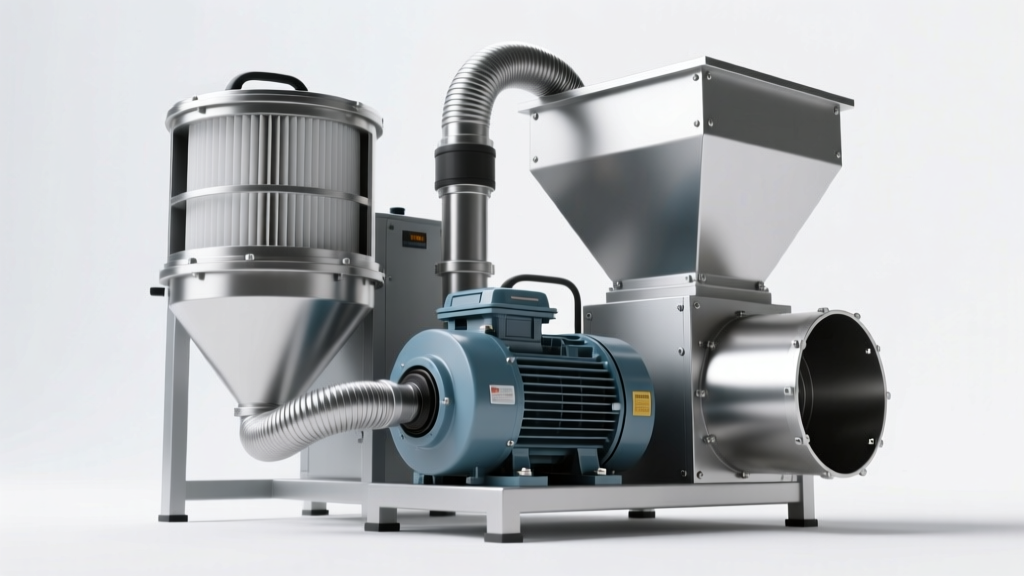
Types of Recycle Sandblasting Machines
A recycle sandblasting machine is a critical component of a sandblast cabinet, designed to clean, smooth, or remove rust, paint, and other contaminants from metal and other surfaces. These systems are engineered for efficiency, reusing abrasive media through integrated recovery and filtration mechanisms, which reduces waste and operational costs.
Modern recycling sandblasters vary significantly in design, pressure delivery, automation, and environmental impact. Understanding the different types helps in selecting the right machine for specific industrial, restoration, or manufacturing applications. Below is a comprehensive breakdown of the primary types available.
Gravity-Feed Blasters
Gravity-feed sandblasting machines rely on gravitational force to deliver abrasive media from an upper hopper to the nozzle. The media flows down through a feed tube where it mixes with compressed air before being expelled through the nozzle at high velocity. These units are often handheld or mounted on cabinets and are commonly referred to as sandblasting guns.
Advantages
- Simple, reliable design with minimal moving parts
- Easy to refill and maintain
- Ideal for light to medium-duty tasks
- Lower initial cost compared to pressure systems
Limitations
- Lower blasting pressure and media flow rate
- Less efficient for large-scale or heavy rust removal
- Not suitable for fine, precise work at high speeds
Best for: Small workshops, hobbyists, touch-up work, and intermittent use
Direct-Pressure Feed Blasters
Direct-pressure systems use a pressurized blast pot to force abrasive media through the hose and nozzle. The media is sealed in a tank, pressurized with air, and released on demand. This method delivers a consistent, high-volume stream of abrasive, making it significantly more powerful than gravity-fed systems.
Advantages
- High blasting efficiency and speed
- Greater control over media flow and pressure
- Suitable for heavy-duty surface preparation
- Excellent media recycling and reuse capabilities
Limitations
- Higher initial investment and complexity
- Requires more maintenance and safety checks
- Bulkier setup, less portable than gravity models
Best for: Industrial applications, large-scale rust removal, shipbuilding, and structural steel preparation
Suction Feed Blasters
Suction feed (or siphon feed) blasters use the venturi effect created by compressed air passing through the nozzle to draw abrasive media from a hopper into the blast hose. As air flows, it creates a vacuum that pulls the media into the airstream, where it is accelerated toward the target surface.
Advantages
- Affordable and widely available
- Compact and portable design
- Easy to switch between different media types
- Low maintenance requirements
Limitations
- Slower blasting rate due to lower media volume
- Less efficient for continuous or large-area work
- Inconsistent media flow under variable air pressure
Best for: DIY projects, automotive detailing, and small-scale surface cleaning
Automatic Blast Machines
Automatic sandblasting machines are fully integrated systems that operate with minimal human intervention. These units often include robotic arms, conveyor belts, or turntables that move parts through a blasting chamber, ensuring uniform coverage. They are equipped with advanced media recovery, filtration, and recycling systems.
Advantages
- High throughput and repeatability
- Consistent finish quality across multiple parts
- Reduced labor costs and operator fatigue
- Integrated dust collection and media recycling
Limitations
- High initial cost and complex setup
- Requires skilled programming and maintenance
- Less flexibility for custom or irregular parts
Best for: High-volume manufacturing, automotive production lines, aerospace components, and mass finishing operations
Wet Blasting vs. Dry Blasting
The choice between wet and dry blasting significantly affects dust control, surface finish, media life, and environmental safety. Both methods can be integrated into recycling sandblasting systems.
Wet Blasting
Wet blasting involves mixing abrasive media with water (and sometimes chemical additives) before propulsion. The water suppresses dust, cools the surface, and cushions the impact, reducing media fragmentation.
Advantages
- Dramatically reduces airborne dust and health hazards
- Environmentally safer and compliant with strict regulations
- Extends media life by reducing breakdown
- Ideal for delicate surfaces and precision cleaning
Limitations
- Requires water treatment and sludge disposal
- Higher operational complexity and maintenance
- Not suitable for moisture-sensitive materials
Best for: Medical devices, food processing equipment, aluminum parts, and environments with strict air quality standards
Dry Blasting
Dry blasting uses only compressed air and abrasive media without any liquid. It is the most common method due to its simplicity, speed, and effectiveness in removing heavy coatings and corrosion.
Advantages
- Higher impact force and cleaning efficiency
- Faster processing times for heavy-duty tasks
- Lower operational costs and simpler maintenance
- Wider compatibility with abrasive media types
Limitations
- Generates significant dust, requiring robust ventilation
- Higher media consumption due to fragmentation
- Potential for surface warping on thin materials
Best for: Rust removal, paint stripping, structural steel, and heavy industrial maintenance
| Type | Pressure Method | Efficiency | Dust Control | Best Use Case |
|---|---|---|---|---|
| Gravity-Feed | Low to Medium | Moderate | Fair (requires ventilation) | Small jobs, hobbyists, light cleaning |
| Direct-Pressure | High | High | Poor to Moderate (needs dust control) | Industrial, heavy-duty surface prep |
| Suction Feed | Low | Low to Moderate | Fair (dust management needed) | DIY, automotive, small workshops |
| Automatic | Medium to High | Very High | Good (integrated dust collection) | Mass production, repetitive tasks |
| Wet Blasting | Medium | Moderate | Excellent (dust suppressed) | Precision work, sensitive materials |
| Dry Blasting | High | Very High | Poor (requires ventilation) | Heavy rust, paint removal, industrial |
Expert Tip: When choosing a recycling sandblasting machine, consider your media type, required finish quality, production volume, and environmental regulations. For indoor facilities, wet blasting or systems with advanced dust collectors are highly recommended to maintain air quality and worker safety.
Industrial Applications of Recycled Sandblasting Machines
Recycled sandblasting machines have become essential tools across a wide range of industries due to their efficiency, cost-effectiveness, and environmental sustainability. By reusing abrasive media such as sand, steel grit, or glass beads, these systems reduce waste and lower operational costs while delivering consistent surface treatment results. Their versatility makes them ideal for surface preparation, cleaning, texturing, and restoration tasks in demanding industrial environments.
Key Industrial Applications
Metal Surface Preparation
One of the most common uses of recycled sandblasting is in metal surface preparation. The process effectively removes rust, mill scale, old paint, corrosion, and other contaminants from steel, aluminum, and other metals. This ensures a clean, profiled surface that enhances the adhesion of protective coatings, primers, and paints.
This application is critical in industries such as shipbuilding, pipeline manufacturing, automotive fabrication, and structural steel construction, where coating integrity directly impacts durability and safety. Recycled media maintains consistent abrasiveness, making it ideal for large-scale, repeatable operations.
Industrial Cleaning
Recycled sandblasting excels at deep cleaning heavily soiled or encrusted surfaces. It is widely used to clean industrial machinery, engine blocks, concrete floors, storage tanks, and production equipment. Unlike chemical cleaning methods, sandblasting is non-toxic and does not leave residue.
The ability to recycle the abrasive media makes this method particularly advantageous for facilities aiming to reduce waste and improve sustainability. It restores equipment to near-original condition, extending service life and reducing maintenance downtime.
Surface Profiling
Surface profiling involves creating a controlled texture on a material to improve adhesion for subsequent coatings. Recycled sandblasting allows precise control over the surface roughness (anchor pattern), which is crucial for achieving long-lasting paint, epoxy, or thermal spray coatings.
This application is widely used in bridge construction, offshore platforms, and heavy machinery manufacturing. The consistency of recycled abrasives ensures uniform profiles across large surfaces, meeting strict industry standards such as ISO 8501 or NACE No. 1.
Etching and Abrasive Cutting
Sandblasting is a precision method for etching intricate designs into glass, metal, stone, and ceramics. Using stencils and controlled blasting, it can create detailed patterns for decorative, functional, or identification purposes.
Common applications include personalized tombstones, architectural glass panels, instrument panels, and branding on metal components. With recycled media, this process becomes more economical, especially for high-volume production runs or restoration projects requiring historical accuracy.
Plastic Surface Treatment
Modern recycled sandblasting systems use fine, low-impact abrasives suitable for treating plastic components without causing deformation. This process removes mold release agents, flash, or surface blemishes and prepares parts for painting, bonding, or assembly.
It is especially valuable in the electronics and automotive industries, where plastic housings, connectors, and interior components require a clean, consistent finish. The recyclability of media ensures minimal waste in cleanroom or precision manufacturing environments.
Wood Finishing
In woodworking and furniture manufacturing, recycled sandblasting offers a controlled way to strip old finishes, varnish, or paint from wood surfaces. It also enhances the natural grain by selectively removing softer fibers, resulting in a more pronounced and aesthetically pleasing texture.
This technique is used in cabinetry, architectural woodwork, and restoration of vintage furniture. When paired with eco-friendly abrasives like walnut shells or baking soda, the process is gentle enough to preserve delicate wood structures while achieving professional-grade results.
Stone Surface Treatment
Recycled sandblasting is extensively used in the stone industry for shaping, polishing, and texturing natural stone such as granite, marble, and limestone. It enables precise carving for monuments, building facades, and sculptures.
The process can create matte finishes, anti-slip textures, or artistic engravings without cracking or damaging the stone. Recycled abrasives like aluminum oxide or crushed glass provide consistent results and reduce material costs in high-throughput stone fabrication shops.
Historical Restoration
Preservation of historical buildings, monuments, and artifacts often requires gentle yet effective cleaning methods. Recycled sandblasting, when performed with low-pressure settings and soft abrasives, can remove decades of grime, soot, and pollution without harming delicate substrates.
This application is vital in restoring stone façades, metal sculptures, and heritage railway equipment. The ability to recycle media supports environmentally responsible restoration practices, aligning with conservation guidelines and sustainability goals.
| Application | Industry | Benefits of Recycled Media |
|---|---|---|
| Metal Surface Preparation | Manufacturing, Shipbuilding, Automotive | Cost savings, consistent finish, reduced waste |
| Industrial Cleaning | Oil & Gas, Power Plants, Maintenance | Non-toxic, reusable media, faster turnaround |
| Surface Profiling | Construction, Infrastructure, Coatings | Uniform anchor pattern, meets industry standards |
| Etching & Cutting | Art, Memorials, Architecture | Precision, lower material cost, scalability |
| Plastic Treatment | Electronics, Automotive, Medical Devices | Gentle cleaning, minimal waste, clean finish |
| Wood Finishing | Furniture, Restoration, Carpentry | Eco-friendly options, enhanced grain definition |
| Stone Treatment | Monuments, Sculpture, Construction | Durable finish, design flexibility, cost efficiency |
| Historical Restoration | Heritage, Museums, Architecture | Non-destructive, sustainable, compliant with conservation standards |
Environmental and Operational Advantages
Important: Always select the appropriate abrasive type and blasting pressure for the substrate to avoid damage. Regular maintenance of the recycling system—such as filter cleaning, nozzle inspection, and media classification—is essential for optimal performance. Using improperly recycled or contaminated media can compromise surface quality and reduce coating lifespan.
Product Specifications, Design, and Materials of Recycle Sandblasting Machines
Recycle sandblasting machines are essential tools in surface preparation, cleaning, and finishing across industries such as automotive restoration, metal fabrication, and industrial maintenance. These systems are designed for efficiency, durability, and environmental responsibility by reusing abrasive media. Understanding their technical specifications, internal design, and construction materials ensures optimal performance and longevity.
Technical Specifications & Key Features
- Blast Pressure (30–150 PSI): Adjustable air pressure allows precise control over the intensity of the blasting process. Lower pressures (30–60 PSI) are ideal for delicate surfaces like aluminum or wood, while higher pressures (100–150 PSI) tackle tough rust, paint, or scale on steel.
- Compressor Requirements:
- Suction Feed Systems: Require smaller compressors (typically 4–6 CFM at 90 PSI), making them suitable for light-duty or hobbyist use.
- Direct Pressure Systems: More powerful and efficient, but demand larger compressors (8–10+ CFM), ideal for frequent or commercial applications.
- Cabinet Size Options: Available in standard dimensions to accommodate various workpieces:
- 1.5 ft³: Compact units for small tools, jewelry, or detailed parts.
- 2 ft³: Mid-sized cabinets for engine components, firearms, or household items.
- 4 ft³ and larger: Industrial-grade models for large castings, machinery parts, or multiple items at once.
- Compatible Blasting Media: Versatility is key—most recycle systems support a wide range of abrasives:
- Aluminum Oxide: Durable, reusable, excellent for heavy-duty cleaning and profiling.
- Garnet: Eco-friendly, low-dust option suitable for sensitive environments.
- Steel Shot/Grain: Ideal for peening, descaling, and surface hardening.
- Glass Beads: Provides a smooth, matte finish without etching the substrate.
Note: Always verify media compatibility with your machine’s nozzle and recycling system to prevent clogging or wear.
Core Design Components
The functionality and efficiency of a recycle sandblasting machine depend on its well-integrated design. Each component plays a vital role in performance, safety, and media recovery.
- Blaster Head & Nozzle: The nozzle focuses compressed air and abrasive media into a high-velocity stream. Made from wear-resistant materials like tungsten carbide or ceramic, nozzles come in various sizes (typically 1/8" to 1/4") to balance coverage and pressure. The blaster head often includes a trigger mechanism for precise control.
- Media Container (Hopper or Pressure Pot): Stores the abrasive media and regulates its flow into the blast stream. In direct-pressure systems, the pot is pressurized to push media through the hose. Efficient machines feature integrated media separators that filter out dust and debris, ensuring only clean, reusable grit is recirculated.
- Blasting Cabinet: A sealed chamber constructed from durable materials (see below) that contains the blasting process. It protects the operator from dust and flying particles while allowing visibility through viewing windows. Interior lighting and adjustable glove ports enhance usability.
- Dust Collector / Filtration System: Critical for operator health and machine longevity. High-efficiency filters (such as cartridge or bag-style) capture fine particulates generated during blasting. Some models include reverse-pulse cleaning to extend filter life. Proper filtration enables safe indoor operation and maintains consistent airflow.
Design Tip: Look for cabinets with smooth interiors and sloped floors to minimize media trapping and simplify cleanup.
Construction Materials
Modern recycle sandblasting machines use advanced materials to improve durability, reduce maintenance, and enhance safety. Material selection varies by component function and exposure to abrasion, moisture, and pressure.
- Steel (Carbon or Powder-Coated): Used for cabinet frames and enclosures due to its strength and impact resistance. Powder-coated finishes provide additional protection against rust and chipping.
- Plastic (Polyethylene or ABS): Employed for non-structural parts such as fenders, panels, and media trays. These materials resist corrosion, reduce weight, and dampen noise during operation.
- Tempered or Laminated Glass: Forms the viewing window, offering clear visibility while withstanding high-velocity impacts and pressure fluctuations. Some premium models use polycarbonate for enhanced shatter resistance.
- Rubber & Elastomers: Critical for seals, gloves, and gaskets. High-grade rubber ensures an airtight seal, preventing dust leakage and maintaining internal pressure. Replaceable glove liners extend service life and reduce downtime.
- Composite Materials: Increasingly used in handpieces, media traps, and internal ducting. Composites resist abrasion and corrosion better than metal, require less maintenance, and contribute to a lighter overall machine weight.
Maintenance Insight: Regular inspection of rubber seals and nozzles can prevent air leaks and maintain blasting efficiency.
Performance & Application Guide
| Application Type | Recommended Machine Size | Optimal Media | Pressure Range |
|---|---|---|---|
| Jewelry & Small Parts | 1.5 ft³ Cabinet | Glass Beads, Baking Soda | 30–60 PSI |
| Automotive Restoration | 2–4 ft³ Cabinet | Aluminum Oxide, Garnet | 70–100 PSI |
| Industrial Descaling | 4+ ft³ Cabinet | Steel Shot, Silicon Carbide | 90–150 PSI |
| Eco-Conscious Cleaning | Any (with HEPA Filter) | Garnet, Walnut Shell | 50–80 PSI |
Pro Tip: Pair your machine with a vibratory separator or cyclone system for automated media recycling, reducing labor and waste.
Expert Recommendation: When selecting a recycle sandblasting machine, prioritize systems with modular designs that allow easy access to filters, nozzles, and media separators. Look for models with transparent wear indicators on nozzles and integrated pressure gauges for real-time monitoring. For workshops handling diverse projects, a mid-sized (2–4 ft³) cabinet with a direct-pressure system and HEPA-grade filtration offers the best balance of power, versatility, and long-term value.
Additional Considerations
- Noise Levels: Machines with sound-dampening cabinets and enclosed filtration systems operate more quietly, improving workplace comfort.
- Ergonomics: Adjustable glove ports and interior lighting reduce operator fatigue during extended use.
- Media Reuse Efficiency: High-quality separators can extend media life by 3–5x, significantly reducing consumable costs.
- Safety Compliance: Ensure the unit meets OSHA and NIOSH standards for dust control and operator protection.
- Portability: Smaller units with casters and compact designs are ideal for mobile or multi-station operations.
Maintenance and Repair of Recycle Sandblasting Machine
A recycle sandblasting machine is a vital tool in surface preparation, rust removal, paint stripping, and finishing operations. Proper maintenance ensures consistent performance, extends equipment lifespan, and maintains operator safety. Neglecting routine care can lead to reduced blasting efficiency, increased media consumption, and costly downtime. This comprehensive guide outlines essential maintenance practices for optimal operation of your recycling sandblasting cabinet system.
Safety Warning: Always disconnect power and relieve air pressure before performing any maintenance. Wear appropriate PPE including safety glasses, gloves, and respiratory protection when handling blasting media or cleaning dust collectors.
Essential Maintenance Procedures
- Regular Cleaning After Each Use
- Vacuum all used blasting media from the cabinet floor using a HEPA-rated vacuum to prevent dust dispersion.
- Remove residual dust and debris from interior surfaces, windows, and work grates with a damp cloth or soft brush.
- Wipe down gloves, viewing windows, and lighting fixtures to maintain visibility and hygiene.
- Perform a thorough deep cleaning weekly, including disassembling trays and checking for media buildup in corners or joints.
- Ensure all components are dry before next use to prevent moisture-related corrosion or media clumping.
- Inspect and Replace Wear Parts Regularly
- Check gloves for tears, abrasions, or hardening due to repeated exposure to media and oils.
- Examine the nozzle for wear—brass nozzles typically last 10–20 hours, while tungsten carbide variants can exceed 100 hours depending on media type.
- Inspect the blast hose for cracks, bulges, or internal abrasion that could affect airflow or cause failure.
- Replace worn parts promptly to maintain consistent blast pressure and prevent contamination of recycled media.
- Keep spare nozzles and gloves on hand to minimize downtime during replacements.
- Dust Collector System Maintenance
- Empty dust collector bags or bins at least once per week, or more frequently with heavy usage.
- Clean reusable filters by reverse-air pulsing or gentle brushing—avoid washing unless specified by the manufacturer.
- Inspect filter condition monthly; replace clogged, torn, or oil-saturated filters immediately.
- Poor airflow or visible dust escaping the cabinet indicates a compromised filtration system.
- Maintain seals and gaskets on the dust collector housing to ensure airtight operation.
- Lubricate Moving Components
- Apply a light machine oil or silicone-based lubricant to door hinges, latches, and sliding mechanisms monthly.
- Check for signs of rust or binding, especially in humid environments.
- Lubrication prevents wear from constant opening and closing, ensuring smooth operation and a tight seal.
- Avoid over-lubricating, as excess grease can attract dust and media particles.
- Inspect viewing window seals and door gaskets for flexibility and integrity during lubrication.
- Air Compressor Servicing
- Drain moisture from the air receiver tank daily to prevent water contamination in the blasting stream.
- Check air pressure gauges and regulators regularly for accuracy and responsiveness.
- Replace air filters and dryers as recommended by the compressor manufacturer.
- Ensure oil levels (for oil-lubricated compressors) are within safe operating range.
- Use inline air filters, regulators, and lubricators (FRL units) to deliver clean, dry, and properly conditioned air to the blasting system.
- Monitor and Maintain Blasting Media Quality
- Inspect recycled media for contamination such as paint chips, rust, or foreign debris.
- Use the cabinet’s separator system to remove fines and dust; clean the separator screen regularly.
- Replenish media as needed—typically 5–10% after several cycles—to maintain effective blasting power.
- Store unused media in a dry, sealed container to prevent moisture absorption and caking.
- Consider media type compatibility (e.g., aluminum oxide, glass bead, steel grit) and avoid mixing different media types.
| Maintenance Task | Frequency | Key Tools/Supplies | Performance Impact |
|---|---|---|---|
| Cabinet Cleaning | After each use / Weekly deep clean | HEPA vacuum, damp cloths, soft brushes | Prevents media contamination, maintains visibility |
| Wear Parts Inspection | Weekly / As needed | Spare gloves, nozzles, inspection light | Ensures consistent blast pressure and operator safety |
| Dust Collector Service | Weekly emptying, Monthly inspection | Replacement filters, brush, sealant | Maintains air quality and system efficiency |
| Moving Parts Lubrication | Monthly | Silicone lubricant, clean rags | Prevents sticking, extends component life |
| Air Compressor Check | Daily / Per manufacturer schedule | Drain valve, pressure gauge, FRL unit | Delivers clean, dry air for optimal performance |
| Media Quality Control | Per cycle / As needed | Separator screen, storage containers | Improves finish quality and media recycling efficiency |
Expert Tip: Implement a maintenance log to track inspections, part replacements, and performance observations. This record helps predict wear patterns, schedule proactive repairs, and validate warranty claims if needed.
Additional Best Practices
- Train all operators in basic maintenance responsibilities to promote accountability and early issue detection.
- Follow the manufacturer’s maintenance manual for model-specific procedures and recommended intervals.
- Inspect electrical components and grounding regularly, especially in high-moisture environments.
- Replace viewing windows or protective lenses when scratched or clouded to maintain clear visibility.
- Schedule professional servicing annually for comprehensive system diagnostics and calibration.
Proper maintenance of your recycle sandblasting machine not only improves operational efficiency but also enhances workplace safety and reduces long-term costs. By adhering to a consistent schedule and addressing issues promptly, you ensure reliable performance and extend the service life of your investment. When in doubt about any repair or adjustment, consult the equipment manual or contact a qualified technician.
Frequently Asked Questions About Recycle Sandblasting Machines
Q1: Is it compulsory for a recycle sandblasting machine to have a dust collector?Yes, a dust collector is an essential and mandatory component of any recycling sandblasting machine. It plays a critical role in maintaining a safe and compliant work environment by capturing harmful airborne particles generated during the blasting process.
- Health Protection: The dust produced during sandblasting often contains fine silica and abrasive media particles, which can cause serious respiratory issues like silicosis if inhaled. A dust collector effectively filters these contaminants, protecting operators and nearby personnel.
- Workplace Safety: By removing dust from the air, the system reduces the risk of slips, visibility obstruction, and fire hazards associated with combustible dust buildup.
- Environmental Compliance: Many industrial regulations (such as OSHA standards in the U.S.) require dust control systems to minimize emissions and ensure worker safety.
- Equipment Longevity: Dust collectors also help protect other machine components from abrasive dust contamination, extending the lifespan of motors, valves, and electrical systems.
In short, operating a recycle sandblasting machine without a properly functioning dust collector is not only unsafe but may also violate workplace health and safety regulations.
Q2: What components of a recycle sandblasting machine are usually worn out easily?Several high-wear components in a recycle sandblasting machine require regular inspection and periodic replacement due to constant exposure to abrasive media and high-pressure air.
- Nozzles: Made from materials like tungsten carbide, ceramic, or boron carbide, nozzles erode over time from the abrasive stream, leading to reduced blasting efficiency and increased media consumption.
- Blast Hoses: These flexible hoses transport abrasive media under pressure and can degrade internally due to friction, potentially causing leaks or bursts if not monitored.
- Gloves and Sleeves: Operator gloves in cabinet systems wear quickly from repeated movement and abrasion. Torn gloves compromise safety and allow dust exposure.
- Liners and Wear Plates: Internal surfaces of the blast cabinet or chamber are subject to impact erosion and may need resurfacing or replacement over time.
- Recycling System Components: Airwash separators, cyclones, and screens in the media reclamation system can clog or wear, affecting the quality and consistency of recycled media.
To maintain optimal performance and safety, it’s recommended to establish a preventive maintenance schedule that includes weekly inspections of these parts and timely replacements based on usage intensity.
Q3: What is the work of a nozzle in a sandblasting machine?The nozzle is a crucial performance component in a sandblasting machine, responsible for directing and accelerating the abrasive media stream onto the target surface. Its design and condition directly influence blasting efficiency, finish quality, and media usage.
- Media and Air Control: The nozzle shapes the compressed air and abrasive mixture into a focused jet, controlling both the velocity and pattern of the blast stream.
- Surface Finish Precision: Nozzle type and internal geometry determine whether the finish is aggressive (rough) or fine (smooth). For example, venturi nozzles provide higher efficiency and longer life, while straight bore nozzles offer more aggressive cutting.
- Size Selection: Nozzles come in various diameters (typically 1/4" to 1/2"). Smaller nozzles are ideal for detailed or precision work with lower media consumption, while larger nozzles are used for rapid material removal on big surfaces.
- Efficiency and Cost: A well-matched nozzle improves productivity and reduces air and media waste. Worn nozzles can increase operating costs by up to 30% due to inefficiency.
Choosing the right nozzle material (e.g., ceramic for light use, tungsten carbide for heavy-duty applications) and maintaining it properly ensures consistent results and extends the machine’s overall performance.
Q4: Do sandblast cabinets require a lot of care to stay in good shape?No, sandblast cabinets are designed for durability and require relatively minimal maintenance when used correctly. With proper handling and routine care, a high-quality cabinet can easily last over 10 years, even in frequent-use environments.
- Regular Cleaning: Removing spent abrasive and debris after each use prevents clogging and maintains airflow efficiency in the dust collection system.
- Component Checks: Weekly inspection of gloves, viewing window clarity, nozzle condition, and seals helps identify wear before it affects performance or safety.
- Dust Collector Maintenance: Emptying the dust collector bin and checking filters ensures consistent suction and prevents motor strain.
- Surface Protection: Keeping the interior free of moisture and corrosive residues helps prevent rust and structural damage, especially in steel cabinets.
By following basic best practices—such as avoiding overloading the cabinet with media and using appropriate personal protective equipment—users can maximize the machine’s lifespan and reliability with minimal effort.
Q5: Can a sandblaster be used outdoors?Yes, sandblasting can be performed outdoors, but it requires careful planning and additional safety measures to manage environmental and health risks, particularly dust dispersion.
- Dust Containment: Outdoor blasting generates uncontrolled dust clouds that can spread over large areas, posing health risks and violating environmental regulations. Using containment structures (like blast shelters or tarps) helps limit particle spread.
- Wet Blasting Option: Wet sandblasting (also known as vapor blasting) mixes water with the abrasive media to suppress dust effectively, making it a preferred method for outdoor applications.
- Regulatory Compliance: Local environmental and occupational safety laws may restrict outdoor blasting. Always check with authorities before starting work to avoid fines or shutdowns.
- Worksite Safety: Ensure the area is clear of bystanders, traffic, and sensitive equipment. Use warning signs, barriers, and PPE (respirators, goggles, hearing protection) for all personnel.
- Media Recovery: Outdoor setups often lack recycling systems, leading to higher media costs and environmental impact. Consider portable reclaim systems or biodegradable abrasives for sustainability.
While outdoor sandblasting offers flexibility for large or immovable objects, indoor blasting in a controlled cabinet or booth remains the safest and most efficient option whenever possible.