In the world of fashion accessories, few items carry as much personality as a well-chosen keychain. Once purely functional, today’s keychains are statements—of style, fandom, or individuality. Among the most talked-about designs in recent years are persimmon keychains and enamel keychains. While both have carved out loyal followings, they represent very different aesthetics and cultural currents. This article dives into their origins, appeal, durability, and popularity to help you decide which one truly deserves a spot on your keys.
The Rise of the Persimmon Keychain
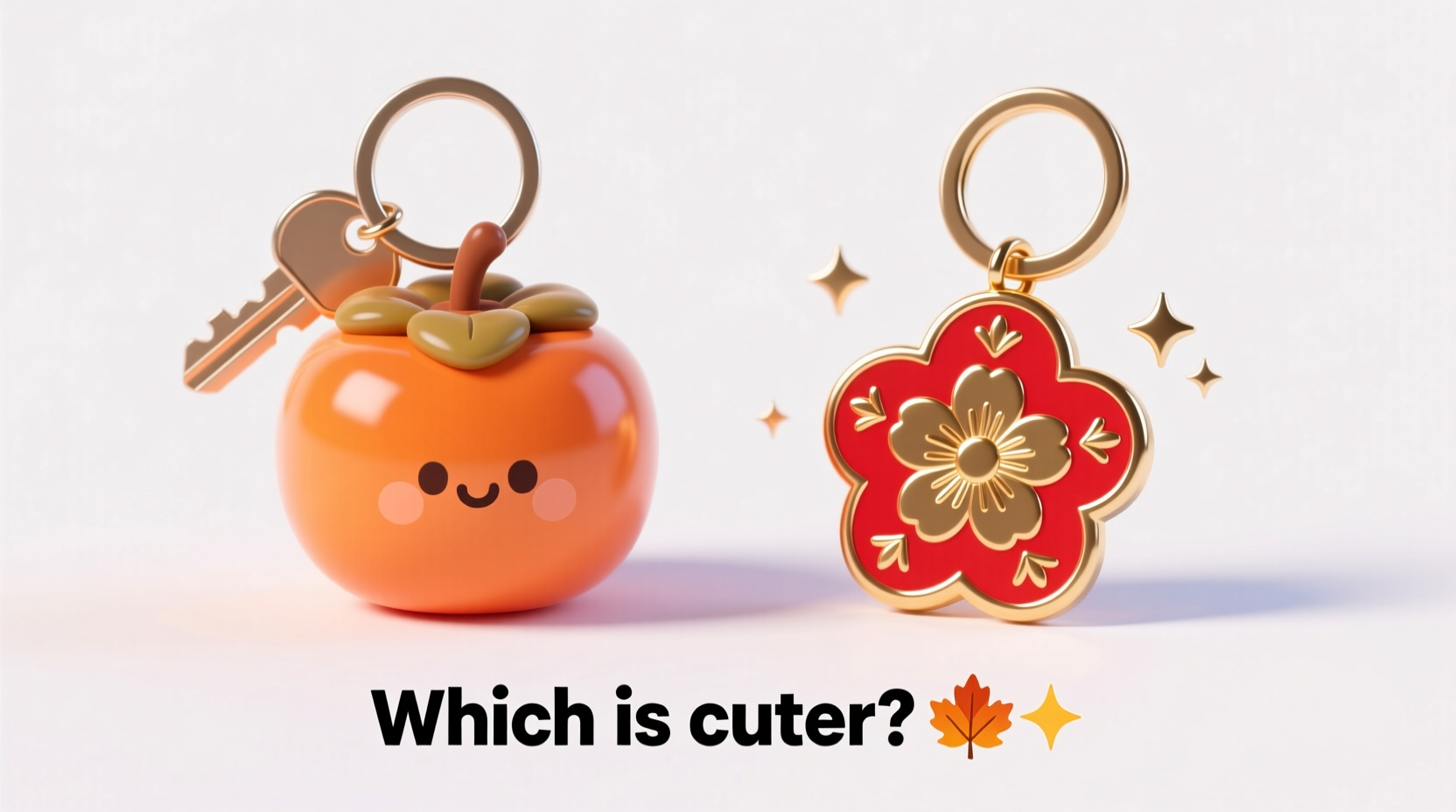
The persimmon keychain, often stylized as a bright orange, cartoonish fruit with a cheerful face, emerged from East Asian kawaii (cute) culture. Originally popularized in Japan and South Korea, it gained global traction through social media platforms like TikTok and Instagram. Its charm lies in its simplicity—a plump, smiling fruit with leafy green top, radiating warmth and whimsy.
What makes the persimmon keychain stand out isn’t just its appearance but its emotional resonance. It's frequently associated with comfort, joy, and even self-care. Some fans treat it as a talisman, believing it brings good luck or serves as a reminder to stay positive. The trend has been embraced by Gen Z and millennial audiences who value expressive, lighthearted accessories.
Tip: Pair your persimmon keychain with neutral-toned bags or minimalist wallets to let its playful design shine.Enamel Keychains: Classic Craft Meets Modern Flair
Enamel keychains, by contrast, are rooted in traditional craftsmanship. Made using a metal base filled with colored glass paste that’s fired at high temperatures, these keychains boast vibrant hues, sharp lines, and a glossy finish. They’re commonly used for brand logos, anime characters, band merch, or custom illustrations.
Popular in both streetwear and niche fandoms, enamel keychains offer precision and permanence. Their durability makes them ideal for long-term use, and their collectible nature has turned them into coveted items at conventions and online marketplaces. Unlike the organic feel of the persimmon keychain, enamel pieces project polish and intentionality.
“Enamel work is an art form that balances color chemistry with design finesse. When done right, it creates wearable miniatures that last decades.” — Lena Park, Jewelry Designer & Metalwork Artist
Design & Aesthetic Comparison
The fundamental difference between the two lies in aesthetic philosophy. The persimmon keychain leans into softness, imperfection, and emotional appeal. It’s cute in a way that feels handmade, approachable, and almost childlike. Enamel keychains, meanwhile, emphasize clarity, symmetry, and visual impact. They’re bold, graphic, and designed to impress at a glance.
Consider where each fits best:
- Persimmon keychains suit those who love cozy, nostalgic, or therapeutic aesthetics—think cottagecore, kawaii fashion, or mental wellness themes.
- Enamel keychains align with urban styles, pop culture fandoms (anime, gaming, music), or professional branding (e.g., company swag).
Visual Appeal Breakdown
| Feature | Persimmon Keychain | Enamel Keychain |
|---|---|---|
| Material | Silicone, PVC, or fabric | Hard enamel on metal base |
| Texture | Soft, flexible, sometimes squishy | Smooth, rigid, cool to touch |
| Color Vibrancy | Muted or pastel tones common | Bright, saturated, fade-resistant |
| Lifespan | 6 months–2 years (depends on quality) | 5+ years with proper care |
| Customization | Limited; mostly pre-designed | Highly customizable with intricate details |
Cultural Popularity and Fan Communities
Popularity isn’t just about sales—it’s about community engagement. The persimmon keychain thrives in intimate, emotionally driven circles. On platforms like Pinterest and Tumblr, users share photos of their “persimmon keychain healing journey,” pairing it with journaling, therapy, and mindfulness practices. It’s not uncommon to see people gifting them as tokens of friendship or support.
Enamel keychains dominate in larger, more organized communities. Collectors trade rare pins and keychains at events like Comic-Con or Anime Expo. Limited editions from brands like Sanrio, Nintendo, or indie artists can sell for hundreds of dollars. Their popularity is measured in rarity, craftsmanship, and exclusivity.
Mini Case Study: The Tokyo Streetwear Scene
In Harajuku, Tokyo, a 2023 survey of 150 young fashion enthusiasts revealed that 68% owned at least one enamel keychain, while 52% carried a persimmon-style accessory. One participant, 22-year-old Mina Sato, explained: “I have a Pikachu enamel keychain I bought at a pop-up—it’s my pride. But my persimmon keychain? That’s my comfort object. I touch it when I’m anxious.”
This duality reflects a broader trend: enamel keychains are worn to impress or connect; persimmon keychains are kept close for personal solace.
Durability and Practical Considerations
While cuteness is subjective, longevity matters in real-world use. Enamel keychains win decisively in durability. Resistant to scratches, UV fading, and water damage, they maintain their appearance even after years of daily use. Most are attached via sturdy metal rings, reducing breakage risk.
Persimmon keychains, typically made from softer materials, are more vulnerable. Prolonged sun exposure can cause discoloration; rough handling may lead to tearing or deformation. However, many users accept this trade-off for the tactile pleasure and emotional value.
Step-by-Step Guide: Choosing the Right Keychain for You
- Define your purpose: Is it decorative, sentimental, or promotional?
- Assess your lifestyle: Do you need something rugged (enamel) or comforting (persimmon)?
- Check compatibility: Will it fit comfortably with other keys and items?
- Evaluate budget: Enamel keychains often cost more due to production complexity.
- Consider replaceability: Persimmon keychains are easier to swap seasonally; enamel pieces are meant to last.
Which Is Cuter? The Subjective Truth
\"Cute\" is deeply personal. For some, cuteness means wide eyes, soft shapes, and warmth—the hallmarks of the persimmon keychain. For others, cuteness emerges from clever design, crisp colors, and character accuracy, which enamel excels at.
Online polls suggest a generational split: users under 25 favor the persimmon keychain for its emotional resonance, while those 25–35 lean toward enamel for its versatility and collectibility. Yet, there’s growing overlap. Hybrid designs—such as enamel persimmons or silicone keychains with enamel-like detailing—are emerging, blending the best of both worlds.
Frequently Asked Questions
Are persimmon keychains only for women?
No. While marketed heavily within feminine-coded aesthetics, anyone can enjoy a persimmon keychain. Increasingly, unisex and gender-neutral designs are being released, focusing on universal themes like happiness and nature.
Can enamel keychains rust?
Yes, if low-quality metal is used and exposed to moisture over time. Opt for nickel, iron, or copper bases with sealed finishes to prevent corrosion.
Where can I buy authentic persimmon keychains?
Official merchandise is available through Japanese retailers like LOFT, Don Quijote, or licensed online stores such as YesStyle or Amazon Japan. Beware of counterfeits—authentic ones have consistent stitching and non-toxic materials.
Final Verdict: Popularity and Longevity
In terms of raw popularity, enamel keychains hold a broader, more enduring appeal. They’re embedded in global subcultures, supported by major franchises, and valued as collectibles. Their craftsmanship ensures relevance across seasons.
Persimmon keychains, however, represent a cultural moment—one centered on emotional wellness and digital intimacy. While trends may wane, their impact on how we view accessories as emotional tools is lasting.
Conclusion: Make It Meaningful
The debate isn’t really about which keychain is cuter or more popular—it’s about what resonates with you. A persimmon keychain might bring daily smiles during tough times. An enamel piece might celebrate a passion that defines part of your identity. Both have value.
Rather than chasing trends, choose accessories that reflect your story. Whether you reach for the soft glow of a smiling fruit or the sharp brilliance of a handcrafted emblem, let your keychain be more than functional—it should be meaningful.
💬 What does your keychain say about you? Share your favorite design and why it matters in the comments below.